
REVIEW · PORTUGAL PALACE TOURS
Guimarães: Palace of the Dukes of Bragança Entry Ticket
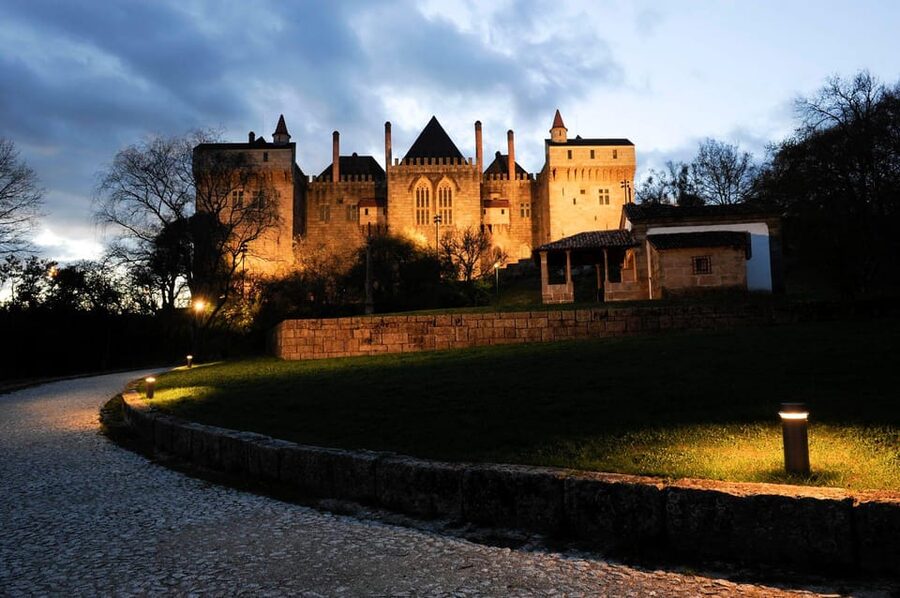
The Palace of the Dukes of Bragança gives you a close look at aristocratic life in Guimarães, from grand halls and heavy wall hangings to porcelain, paintings, weapons, and furniture. I like the house-style layout, which makes the museum easier to understand than a string of disconnected display cases, and I like the $5 price, especially for a central attraction with garden access. The main caution is renovation work, so some spaces may not look exactly as expected.
I also like that you can visit at your own pace during the one-day validity period. You are not tied to a guide or a fixed group, but you also do not get a guided explanation, and the ticket is non-refundable. Check the current opening information before setting out, particularly after one January visit ended in disappointment when the palace was not operating as expected.
Key points to know
- 15th-century origins: D. Afonso, the first Duke of the House of Bragança, began the palace as a noble residence.
- Period furnishings: Rooms contain porcelain, paintings, sculptures, furniture, weapons, and large decorative wall hangings.
- A house you can walk through: The permanent exhibition is arranged by room and historical use, giving the visit a clear flow.
- $5 admission: The low price includes entry, museum collections, and the booking fee.
- Renovation discount: The attraction is currently under renovation, so expect some limits or visual changes.
- Central Guimarães setting: The palace works well as a first stop before exploring the rest of the historic city.
Why the Palace Matters in Guimarães
Guimarães is closely tied to Portugal’s early national story, and the Palace of the Dukes gives that story a physical setting. The building was founded in the 15th century by D. Afonso, the first Duke of the House of Bragança. The Bragança family later became one of the country’s most important royal houses.
The palace is described as a fine example of 17th-century seigneurial architecture, even though its origins reach back to the 15th century. That combination is useful to keep in mind. You are not seeing one untouched building from a single year. You are seeing a residence shaped by changing noble tastes, later restoration, and its modern role as a museum.
I find the palace most rewarding when I treat it as a home rather than a grand shell. The rooms show how an aristocratic household might have been organized and decorated. The permanent exhibition tries to make you feel like you are moving through a large residence, not simply passing rows of objects in a gallery.
That approach gives the visit a human scale. A porcelain collection tells you about fine objects and status. A furnished room tells you how those objects worked together. Weapons point to power and protection, while paintings and sculptures add religious, family, or political meaning to the interiors.
More palace entry tickets in Portugal:
- Sintra: Pena Palace and Park Entrance Ticket
★ 4.2 · 17,410 reviews - Sintra: Monserrate Palace & Park Ticket
★ 4.6 · 1,162 reviews - Sintra Tour with Pena Palace and Regaleira All Tickets Included
★ 5.0 · 1,155 reviews
Entering the Restored Halls and Rooms
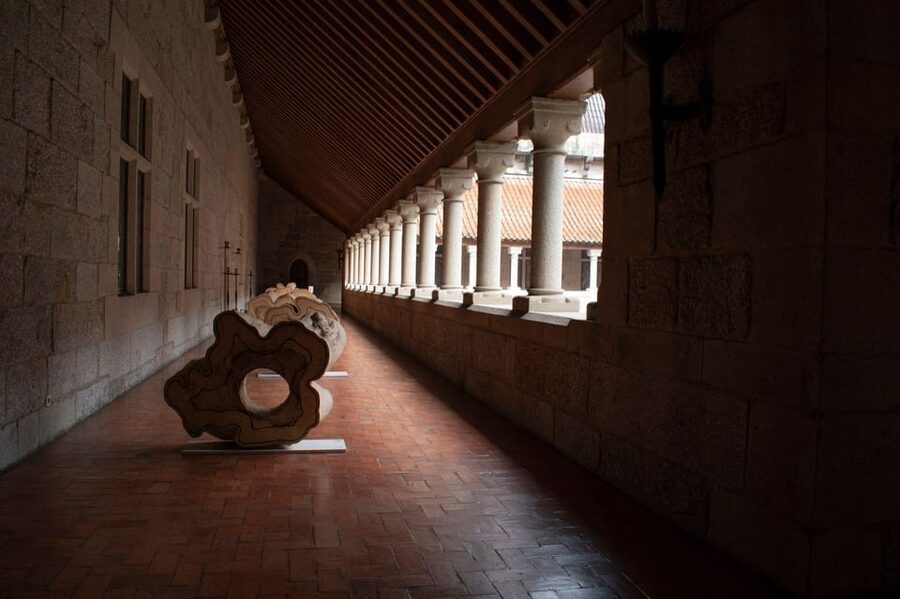
Your visit begins with the palace itself. The grand halls and rooms have been restored to suggest the opulence of earlier centuries, though renovation work is currently taking place. The reduced admission price reflects that condition, making this a good-value stop if you are comfortable with the possibility that some areas may be limited or look different from promotional images.
The room-by-room format is one of the strongest parts of the experience. You can move from a large ceremonial space into more domestic-looking rooms and notice how the purpose of each area changes. The setting helps you picture a working noble residence, where display, comfort, ceremony, and security all had a place.
Do not rush through the large halls. Their size helps explain how the Bragança family wanted to be seen. The palace was not only somewhere to live. It was also a place for receiving important people and showing rank.
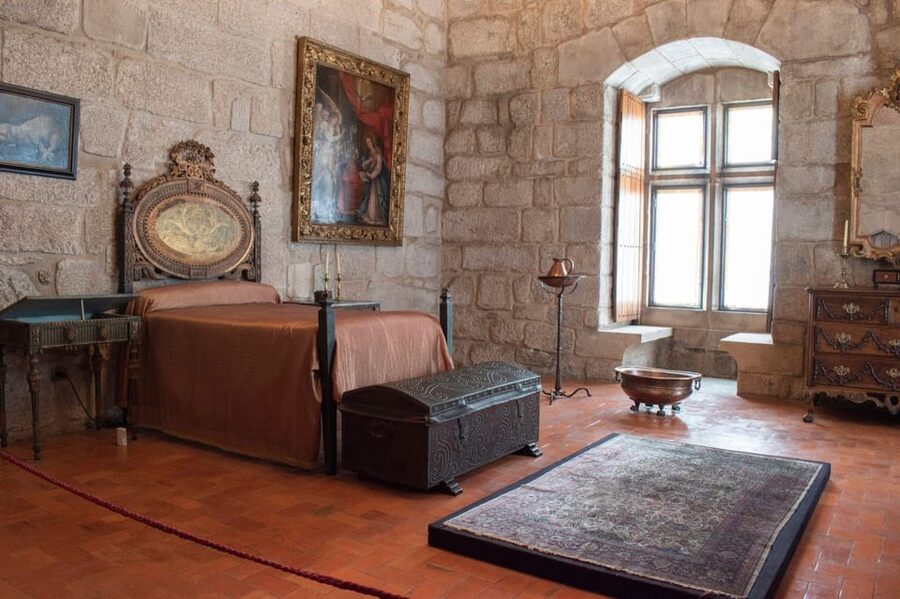
The smaller rooms deserve attention too. The furniture, paintings, and decorative objects are easier to appreciate when you look at them as part of a room’s role. The exhibition encourages you to ask what kind of activity might have taken place there, rather than simply asking how old each object is.
There is no guided tour included, so you set the pace and decide where to linger. That works well for independent visitors who prefer quiet looking. If you want detailed explanations of individual objects or the political story of the Bragança family, you will need to bring your own background reading or use any information provided inside the palace.
The Collections: Porcelain, Paintings, and Weapons
The museum collections cover the 17th and 18th centuries and include porcelain, paintings, furniture, sculptures, weapons, and decorative wall hangings. The range gives the palace more interest than a building visit alone. You are not just looking at walls and ceilings. You are seeing the objects that gave the residence its character.
Porcelain is especially useful for understanding noble taste. Fine ceramics were costly, delicate, and visually striking. In a palace setting, they signaled access to luxury as much as they served a practical purpose. Look at how these pieces sit within the larger rooms rather than treating them as isolated treasures.
The paintings help fill the rooms with people and ideas. They can make the palace feel less empty, giving you a sense of the values and subjects that mattered to the household. The sculptures add another layer of decoration and can be easy to overlook beside the larger architectural features.
The weapons offer a sharper reminder that noble life was not only about ceremony. Arms represented defense, authority, and the social role of a powerful family. Their presence changes the mood of the visit, especially when you move from richly decorated rooms to displays connected with military life.
Large wall hangings are among the most visually impressive objects in the palace. They provide color and texture across broad walls, while also showing how a noble interior could be made warmer and more private. Since flash photography is not allowed, use the available light and take time to look closely rather than relying on quick snapshots.
A Visit Designed Like a Grand Home
The permanent exhibition is arranged so you can experience the palace as a house. This is more than a clever presentation choice. It gives you a simple way to understand why each room exists and how the parts of the residence relate to one another.
A museum can sometimes feel like a collection of unrelated objects. Here, the rooms create a thread. You begin with the building, notice the way objects are placed, and gradually build a picture of noble domestic life. I like this approach because it rewards both casual visitors and people who already know something about Portuguese history.
You should allow enough time to look beyond the biggest objects. A grand hall will catch your eye first, but smaller details in furniture, ceramics, paintings, and sculpture often explain how the room was used. If you are visiting with children, the house-like arrangement may also be easier to follow than a purely chronological museum.
The lack of a guide is both a plus and a minus. You can pause whenever you like, avoid being hurried, and spend more time in the rooms that interest you. On the other hand, the palace’s family history and changing political role are not as easy to grasp without explanation.
The ticket is valid for one day, not just one short entry window. That gives you useful flexibility, although the attraction’s stated operating hours remain important. You need to arrive between 10:00 in the morning and 5:30 in the afternoon, since the palace closes at 6:00.
A few more palace visits around Portugal worth a look
- Lisbon: Pena Palace, Sintra, Cabo da Roca, & Cascais Daytrip
★ 4.7 · 9,981 reviews - Small Group Tour to Sintra, Pena Palace, Cabo Roca and Cascais
★ 5.0 · 3,559 reviews - Lisbon: Sintra, Pena Palace, Cabo da Roca, & Cascais Tour
★ 4.9 · 3,509 reviews - Lisbon: Sintra Cascais & Pena Palace Small Group Tour
★ 4.8 · 3,218 reviews
The Presidential Wing and Modern Use
One wing of the palace serves as the official residence of the Presidency of the Republic. This gives the building a link to present-day Portugal, rather than leaving it as a purely historic monument.
You should not expect the presidential area to function like every other museum room. Its official use is part of the palace’s modern role, and access may differ from the public exhibition areas. Still, knowing that this wing remains connected to national public life adds an interesting contrast to the older rooms.
The palace therefore works on two levels. It presents the world of a noble family from earlier centuries, while part of the building still has an official function today. That mix makes the visit feel less like a sealed historic display and more like a place that has continued to matter.
The Gardens as a Quiet Finish
After the indoor rooms, the palace gardens offer a chance to slow down. They are not the main reason to buy the ticket, but they give the visit a natural ending and a break from the formal interiors.
I like having an outdoor area attached to a palace visit. After concentrating on objects and architecture, you can step outside, take in the surroundings, and think about the building as a residence. The gardens also provide a simple reset before you continue around Guimarães.
Do not expect the garden to replace a major garden tour. Its value is that it completes the palace experience. You have seen the public rooms and collections, and now you can pause in the grounds before moving on.
How Much Time Should You Allow?
The ticket is valid for one day, and the palace is open from 10:00 to 18:00, with final admission at 17:30. The exact amount of time you need depends on how closely you examine the rooms and collections.
A quick visit can give you the main architectural impression. A slower visit is better if you want to compare the room arrangements, study the porcelain and paintings, and notice the furniture, weapons, and sculptures. Since there is no guided tour included, you can keep the pace brisk or make the visit more reflective.
The palace is in central Guimarães, so it is easy to use as a starting point for further sightseeing. That location adds value to the low ticket price. You do not need to build a separate trip around it, and you can combine it with a walk through the city’s historic center.
Plan around the last admission time rather than the closing time. Arriving at 5:20 may get you through the door, but it leaves little room for the rooms and collections. Earlier arrival is the safer choice, especially during a renovation period when access may take longer or some spaces may not be available.
The $5 Price and What You Get
At $5 per person, this is one of the easier cultural purchases to justify in Guimarães. The fee includes palace admission, access to the museum collections, and the booking fee. Food, drinks, and a guided tour are not included.
The value is strongest for visitors who enjoy self-guided historic buildings. You get architecture, furnished rooms, art, decorative objects, gardens, and a central location in one inexpensive stop. The ticket also gives you freedom to focus on the areas that interest you most.
The price needs one qualification: the palace is under renovation. A discount is welcome, but you should view it as compensation for a visit that may not be completely standard. If seeing every room in perfect condition is your main goal, check current conditions before booking.
The ticket is non-refundable. That matters because an unexpected closure can create real frustration. One January visit ended with the purchaser finding that the palace was not operating as expected, after also expecting access to another palace site. To reduce that risk, confirm the attraction’s current opening status before you go, especially around holidays or city events.
Opening Days, Photography, and Access
Regular hours are 10:00 to 18:00, with the last admission at 17:30. The palace is closed on January 1, Easter Sunday, May 1, June 24, which is the city holiday, and December 25.
Photography is allowed, but flash photography is prohibited. That rule protects the collections and means you should be ready to take pictures in the available light. Food and drinks are not included in the admission, so plan to eat before or after your visit in the city.
The attraction is not suitable for wheelchair users according to the available access information. If step-free access is essential for you or someone in your group, contact the attraction before purchasing rather than relying on the low price alone.
The booking includes the booking fee, which keeps the advertised cost simple. There is no guide included, and the activity information does not identify a guide by name. This is an independent museum visit, not a scheduled walking tour.
Who Will Enjoy This Palace Most?
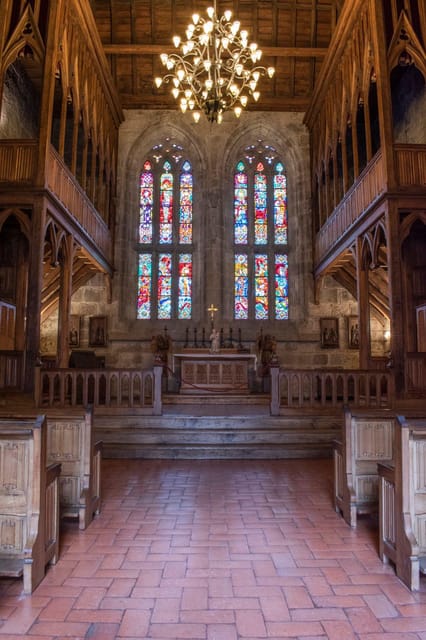
I would choose this experience if you like old residences, decorative arts, royal or noble history, and museums that let you set your own pace. It also suits a first-time visit to Guimarães because the central location makes it easy to continue exploring after you leave.
It is a good match for visitors who want a short, affordable cultural stop rather than a full-day organized excursion. The palace gives you enough variety to feel substantial, but you do not have to commit to a guided schedule.
You may want to reconsider if you need a fully explained historical tour, guaranteed access to every room, or wheelchair-friendly facilities. The renovation work and non-refundable policy also call for a little planning.
Should You Buy the Palace Ticket?
For $5, I think this is a worthwhile addition to a Guimarães day, particularly if you enjoy seeing historic buildings through their rooms and objects rather than only from the outside. The combination of Bragança family history, period interiors, museum collections, gardens, and a central setting gives you good value.
Book it if you can accept renovation work and prefer exploring independently. Before paying, check that the palace is open on your chosen date, avoid the listed closure days, and allow enough time before the 5:30 last admission. If those conditions work for you, this inexpensive ticket offers a thoughtful look at one of Guimarães’s most important buildings.
FAQ
Where is the Palace of the Dukes of Bragança?
The palace is in central Guimarães, in Portugal’s Norte Region. Its location makes it a practical starting point for exploring the city.
How much does admission cost?
The listed price is $5 per person. The price includes palace entry, access to the museum collections, and the booking fee.
How long is the ticket valid?
The ticket is valid for one day. You need to visit during the attraction’s operating hours.
What are the opening hours?
The palace is open from 10:00 to 18:00. Last admission is at 17:30.
When is the palace closed?
It is closed on January 1, Easter Sunday, May 1, June 24, which is the city holiday, and December 25.
Is a guided tour included?
No. The ticket provides entry and access to the collections, but a guided tour is not included.
Can I take photographs inside?
Yes, photography is allowed without flash. Flash photography is not permitted.
Is the palace wheelchair accessible?
The attraction is listed as not suitable for wheelchair users.
Why is the ticket discounted?
The palace is currently under renovation and is being offered at a reduced price. You should expect that renovation work may affect parts of the visit.
Just added around Portugal
- Seville, Cathedral, Giralda and Real Alcazar From Algarve★ 5.0 · 20 reviews
- An adventure through the Forest and Palace of Bussaco – Coimbra★ 5.0 · 44 reviews
- Bussaco Palace, Gardens & Forest | Private Tour★ 5.0 · 5 reviews
- Lisbon: Visit Pena Palace, Regaleira, Cabo da Roca & Cascais★ 5.0 · 15 reviews
- From Lisbon: Sintra Pena Palace Cascais 8-People Group Tour★ 4.9 · 93 reviews
- Sintra: Private Tour with Guided Pena Palace Experience★ 4.9 · 99 reviews
- Sintra: Vintage electric Tuk Tuk tour, Pena Palace 4/5 hours★ 5.0 · 7 reviews
- Sintra:1 hour tuk tuk experience to Pena Palace(3 monuments)★ 5.0 · 10 reviews
Portugal Palace Tours, compared.

Pena Palace, Sintra, Cabo da Roca, & Cascais Daytrip
Read our review →
Small Group Tour to Sintra, Pena Palace, Cabo Roca and Cascais
Read our review →
Sintra, Pena Palace, Cabo da Roca, & Cascais Tour
Read our review →
Sintra Cascais & Pena Palace Small Group Tour
Read our review →
Sintra to Cascais: 2 Palaces, 4 Sites, Small Group 10 Hour Tour
Read our review →
Browse the lists this tour appears in