
REVIEW · YOGYAKARTA PALACE TOURS
Javanese Dance Workshop with Kraton Palace Dancer
Javanese dance looks calm, measured, and almost effortless. Try the first movements yourself and you quickly discover the control behind every hand position, turn, and careful step. This private lesson brings you into a Kraton Palace dancer’s home, where the setting and instruction give the art more meaning than a stage show alone.
I like the one-on-one feedback, because you are not left copying movements from the back of a class. I also like the simple cultural exchange over traditional black tea, which gives you time to ask questions and understand why the dance matters. The main consideration is physical access: the workshop is not suitable for wheelchair users or people with visual impairments, and transport is not included.
Key points to know before booking
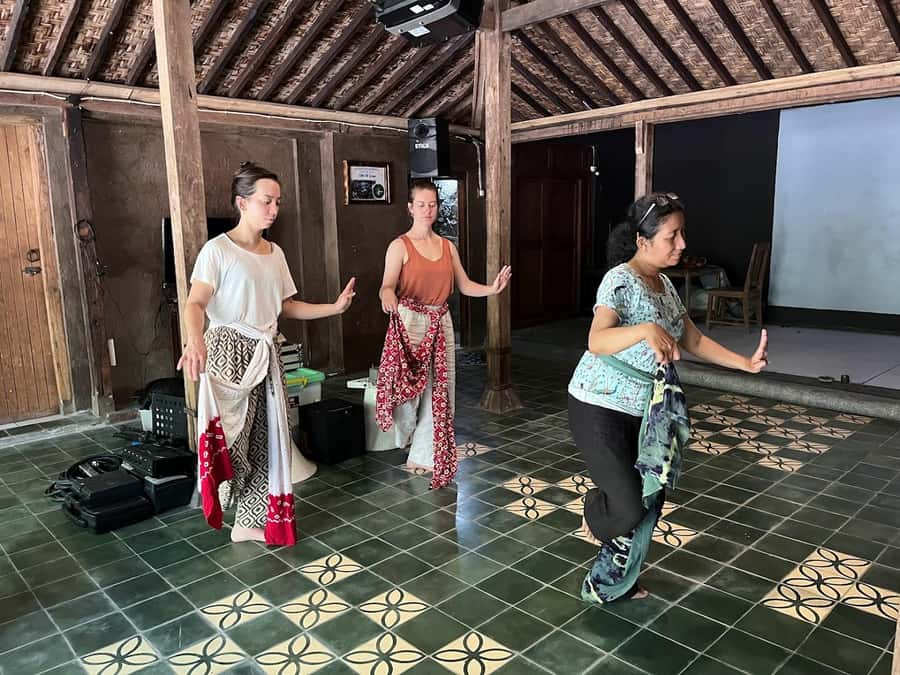
- A Kraton Palace dancer leads the lesson: You learn from someone trained in the classical Javanese tradition.
- The setting is a traditional home in Jogja: This gives the workshop a personal, local feel rather than a formal theater atmosphere.
- You practice basic sequences yourself: The class is hands-on, not just a talk or demonstration.
- Personal corrections are part of the lesson: The private format helps the instructor adjust guidance to your needs.
- A long dancing cloth is provided: You do not need to bring the traditional fabric used during the session.
- Tea adds time for conversation: Traditional Javanese black tea creates a relaxed close to the cultural lesson.
Learning Javanese dance in a real home
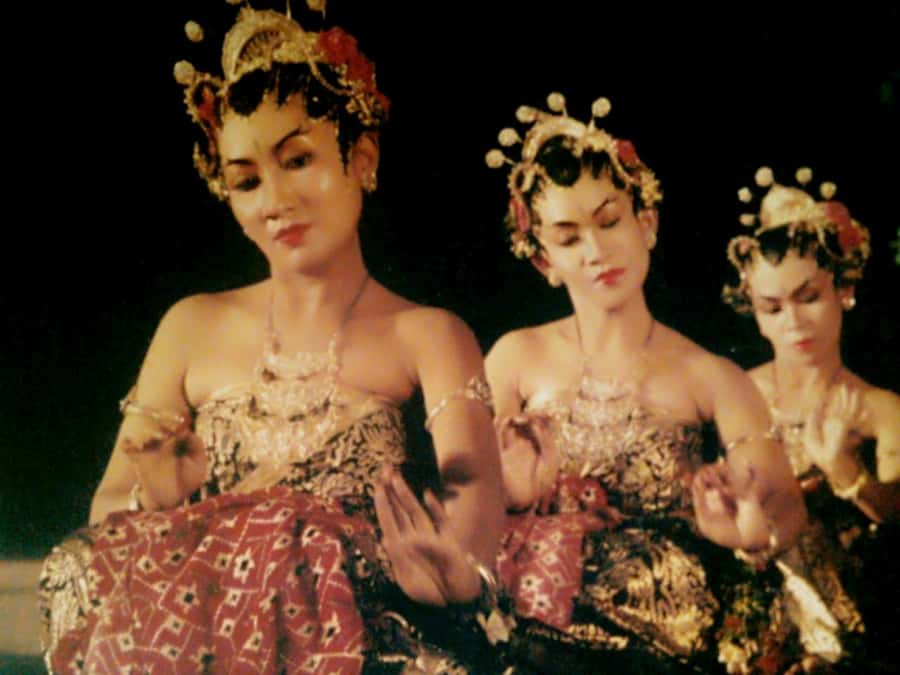
The most appealing part of this experience is its scale. You are welcomed into the home of a classical dancer connected with the Kraton Palace tradition in Jogja, also known as Yogyakarta. That changes the tone from a standard sightseeing stop. Instead of watching a polished performance from a seat, you take part in the art under the guidance of the person teaching it.
The home setting matters because Javanese dance is not only a series of steps. It carries ideas about posture, patience, restraint, and expression. The lesson introduces these points in a practical way, so you can connect the movement with the culture around it.
I would not book this expecting a full performance or a complete course in palace dance. Ninety minutes is enough for an introduction, basic movements, and a few short sequences. It is not enough to master the form. In fact, that is part of the lesson. The slow style can look simple until you try to hold your body in the correct position.
The private group format should make the session easier for beginners. You can ask questions without worrying about holding up a large class, and the instructor can focus on your progress. If you are traveling alone, with a partner, or with a small private party, this arrangement gives you more room to learn at your own pace.
More palace workshops and classes in Indonesia:
- Beijing Wangfujing Calligraphy Class by Forbidden City
★ 5.0 · 58 reviews - Fez Cooking Class at Palais bab sahra
★ 5.0 · 56 reviews - Beijing Wangfujing Calligraphy Class Nearby Forbidden City
★ 5.0 · 56 reviews
A short introduction to the origins and meaning
The workshop begins with an explanation of Javanese dance, including its origins and cultural significance. This introduction is important. Without it, the movements could seem like a collection of graceful poses. With it, you have a better idea of why the dance values control and precision.
The experience presents Javanese dance as a classical art connected to the Kraton Palace tradition. The palace reference is not just a label for the class. It tells you that the lesson is rooted in a formal cultural tradition rather than a casual modern dance session.
You can expect the instructor to explain the background before guiding you through movement. The supplied information does not give a detailed list of every dance style or sequence used, so you should not expect a named performance repertoire to be guaranteed. Still, the format promises a useful link between the story of the dance and the way you move your body.
I especially value this kind of context for first-time visitors to Java. A short explanation can help you notice things you might otherwise miss at a palace performance, such as the importance of hand placement, a controlled gaze, or the difference between a large gesture and a restrained one.
Your first movements and the long dancing cloth
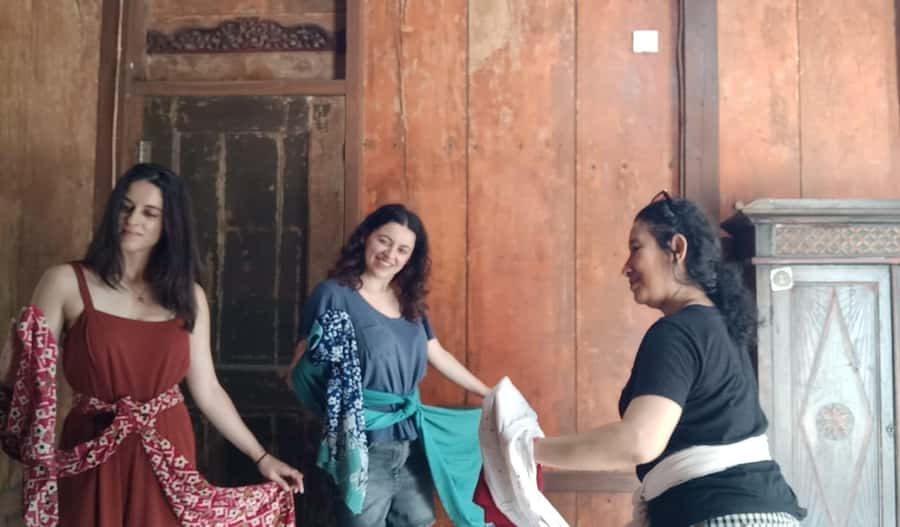
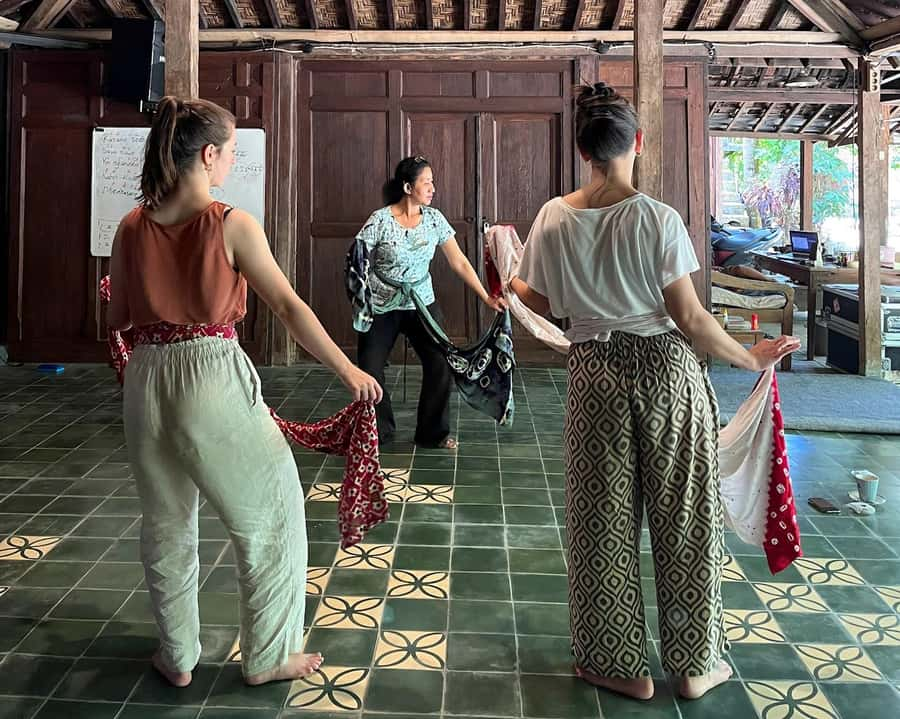
After the introduction, you learn basic Javanese movements and sequences. The lesson includes a stash, described as a long fabric used for dancing. This gives you a chance to work with an item linked to the dance instead of practicing only in ordinary clothes.
The fabric may make the movement feel more authentic, but it also adds a practical challenge. You need to think about posture, footwork, hands, and the cloth at the same time. That helps explain why a graceful stage performance takes much more practice than it appears to require.
The teacher guides you carefully through the movements. The goal is not speed. Javanese dance depends on deliberate motion, so rushing through the lesson would miss the point. You will likely spend time repeating a position or sequence until you understand the shape and rhythm.
I recommend wearing something that allows comfortable movement. The activity details do not specify a dress code, so you should not assume formal clothing is required. The safest choice is practical clothing that lets you move easily and does not make handling the long fabric awkward.
The class is suitable for someone with no dance background. The description focuses on basic movements, guided instruction, and personal feedback. You do not need to arrive with knowledge of Indonesian dance. You do need patience, since the controlled style can feel unfamiliar at first.
Why private feedback makes the lesson worthwhile
The best feature for many people will be the personal feedback. In a large group, you can copy the instructor and hope your posture is close. Here, the teacher can point out where your arms, hands, feet, or body position need adjustment.
That matters because small details carry much of the expression. A gesture that looks correct from a distance may feel completely different when your wrist is too stiff or your shoulders are raised. Individual corrections help you understand the difference between simply moving and moving in the intended style.
The instructor teaches in English, which removes a major barrier for English-speaking visitors. You can ask questions about the dance and receive explanations during the class. The available information does not promise instruction in other languages, so English is the language to plan around.
The private format also suits people who prefer a quieter cultural activity. You do not need to perform for a room full of strangers. You can make mistakes, laugh at your own awkward steps, and try again without turning the lesson into a public show.
Two verified participants gave the class full marks, with one noting that the teacher was lovely and highly skilled, and another praising the clear instruction and the beauty of the dance. Those comments match the strongest practical reason to book: the instructor seems to make a difficult art approachable without pretending it is easy.
A few more palace visits around Indonesia worth a look
- Bali: Ubud Palace Legong Dance Show Ticket
★ 4.4 · 3,979 reviews - East Bali Tour: Gate of Heaven, Water Palace, Sleeping Gajah
★ 5.0 · 1,726 reviews - Bali: Lempuyang Quick Access, Waterfall, Water Palace & More
★ 4.7 · 1,072 reviews - East Bali: Lempuyang Gates, Tenganan, & Water Palaces Tour
★ 4.8 · 175 reviews
Tea, questions, and cultural exchange
The lesson includes traditional Javanese black tea, served while you chat. This is more than a refreshment break. It gives the workshop a natural ending and leaves time for conversation after the structured practice.
You can use this part of the visit to ask about the dance, the palace tradition, or the instructor’s experience. The activity is designed as cultural exchange, so the conversation is part of the value. You are not simply learning a few movements and leaving immediately.
Tea also slows the pace. A busy sightseeing schedule often reduces local culture to quick photographs and short stops. Here, the lesson asks you to sit, listen, practice, and talk. That makes the experience feel more personal than a brief cultural demonstration.
The details do not specify the type of tea service, food, or other refreshments, so I would not book this expecting a full meal. Think of the tea as a modest included refreshment and a chance to continue the conversation.
What the 90-minute schedule gives you
Ninety minutes is a sensible length for this kind of introduction. You have enough time for a cultural explanation, guided practice, corrections, and tea without committing half a day to a single activity.
The exact sequence can vary, but the experience should follow a clear rhythm:
- You arrive at the traditional Javanese home in Jogja.
- The instructor introduces the history and meaning of Javanese dance.
- You receive the long fabric used for dancing.
- You learn basic positions, movements, and sequences.
- The instructor gives personal feedback as you practice.
- You finish with Javanese black tea and conversation.
This schedule gives you a taste of the art without suggesting that one session can make you proficient. The class is most useful if you treat it as an introduction. You will leave with a better sense of the discipline involved and perhaps a few movements you can remember.
Starting times depend on availability, so check the schedule when booking. The experience has a fixed 90-minute duration, which makes it fairly easy to fit around palace visits or other plans in Jogja. Since drop-off and drop-in services are not included, you need to arrange your own way to the meeting point.
Is $24 a fair price?
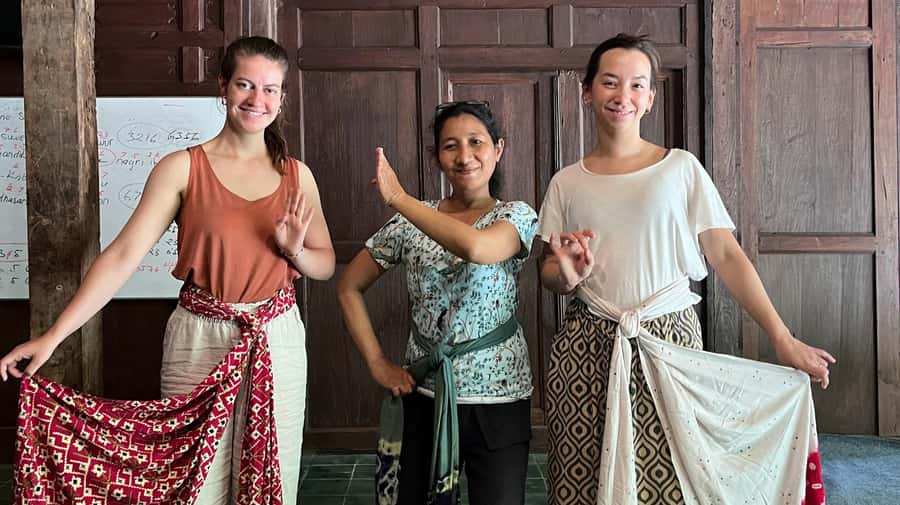
At $24 per person, this workshop offers good value if you want active cultural contact rather than passive sightseeing. The fee covers a private lesson, an instructor connected with the Kraton Palace dance tradition, personal feedback, the dancing fabric, refreshments, and 90 minutes of teaching.
The value comes mainly from the private instruction. A short performance might cost less, but it would not give you the chance to ask questions or feel how difficult the movements are. A longer professional class could cost more and might assume previous experience. This workshop sits between the two: approachable for beginners, but still connected to a serious classical art.
You should also count the cost of getting there, since transport is not included. The activity details do not provide drop-off or drop-in service, so your final expense may be higher than the advertised price if you need local transportation.
For a couple or private group, the price can be easier to justify because you share a personal cultural activity rather than joining a large general class. Solo visitors should consider how much they value direct instruction and local conversation. If those are priorities, $24 is reasonable.
Who will enjoy this workshop most
I would recommend this activity to you if you want to understand Java through participation. It suits curious beginners, culture-focused visitors, photographers who want more context than a quick palace visit, and anyone who enjoys learning a physical skill while traveling.
It is also a good choice if you prefer small, personal experiences. The private group format means you can ask questions and receive direct guidance. You do not need to be a dancer, and the class is designed around basic movements.
You may want to choose another activity if you are looking for a full evening performance, a long advanced dance course, or a tour that includes transportation. This workshop is short and focused. It gives you contact with one tradition, not a broad tour of all Javanese arts.
Physical access requires careful thought. The experience is not suitable for wheelchair users, people with visual impairments, or babies under one year old. The information does not describe the exact home layout or floor surface, so anyone with other mobility concerns should ask for further details before booking.
Booking flexibility and practical planning
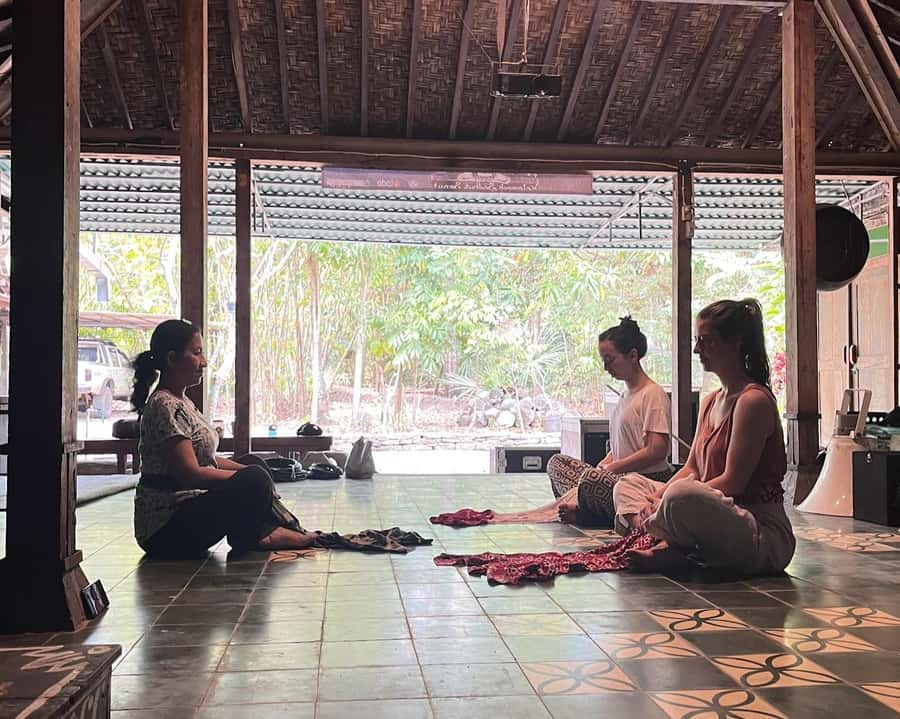
You can cancel up to 24 hours in advance for a full refund. That is useful if your Jogja plans may shift, especially since the workshop has scheduled starting times.
The reserve-now-and-pay-later option also keeps your plans flexible. You can book a place without paying immediately, according to the activity terms. Check the current availability and payment conditions before finalizing your plans.
Because English is the stated language, make sure that works for everyone in your party. The activity is private, but private does not mean fully customized in every detail. The included elements are the dance lesson, feedback, fabric, refreshments, and conversation.
I would schedule it when you are not rushing to your next appointment. The workshop depends on attention and repetition. Arriving flustered or leaving early would cut into the best parts, especially the personal corrections and conversation over tea.
Should you book this Javanese dance workshop?
Book it if you want a hands-on introduction to a formal Javanese art, taught by a Kraton Palace dancer in a traditional home. The private format, English instruction, personal corrections, and included dancing fabric make the $24 fee easy to understand.
I would be especially keen to book this early in a Jogja visit. The lesson can give you a better eye for Javanese movement during later cultural visits, and it offers a more personal connection than simply watching a performance.
Skip it if you need wheelchair access, transport included, or a longer and more advanced course. For everyone else, this is a compact, thoughtful way to spend 90 minutes learning why Javanese dance demands such patience and control.
FAQ
How long does the Javanese dance workshop last?
The workshop lasts 90 minutes.
Where does the workshop take place?
It takes place in a traditional Javanese home in Jogja, Java, Indonesia.
Who teaches the dance lesson?
The lesson is taught by a classical dancer from the Kraton Palace tradition.
Is the workshop private?
Yes. The activity is organized as a private group experience.
Is the lesson taught in English?
Yes. English is the stated language for the instructor and activity.
What is included in the price?
The price includes a long fabric used for dancing, refreshments, and a private lesson with personal feedback.
Can I cancel the booking for a refund?
Yes. You can cancel up to 24 hours in advance for a full refund.
Just added around Indonesia
- Sultan Palace, Water Castle & Prambanan Temple Guided Tour★ 4.6 · 4 reviews
- Sultan Palace, Prambanan Temple and Water Castle Guide Tour★ 5.0 · 2 reviews
- Yogyakarta: Prambanan Temple Morning Tour and Palace Tour★ 5.0 · 4 reviews
- Jakarta : Taman Safari, Panda Palace, and Waterfall★ 4.7 · 11 reviews
- Bali:Heaven Gate, TirtaGangga Palace, and Beach Escape Tour★ 5.0 · 3 reviews
- Bali: Safari Zoo and Ubud Palace and Market Day Tour★ 4.7 · 6 reviews
- Bali: Ujung Water Palace, Candidasa and Sidemen Village Tour★ 4.8 · 80 reviews
- Bali: Trip to Tirta Gangga Palace and Tukad Cepung Waterfall★ 3.9 · 7 reviews
Yogyakarta Palace Tours, compared.
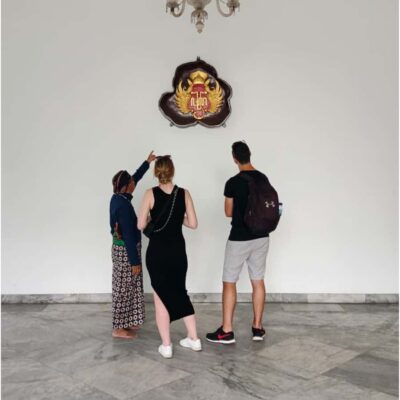

Palace, Water Castle & UNESCO Temple Guided Tour
Read our review →
Borobudur Climb To The Top, Prambanan Temple, Yogyakarta Palace
Read our review →
Taman sari water castle, sultan palace & local food tasting
Read our review →
Sultan Palace, Water Castle & Prambanan Temple Guided Tour
Read our review →
Sultan Palace, Prambanan Temple and Water Castle Guide Tour
Read our review →Browse the lists this tour appears in