
REVIEW · FORBIDDEN CITY TOURS
In-depth Forbidden City tour with Royal Icehouse Lunch
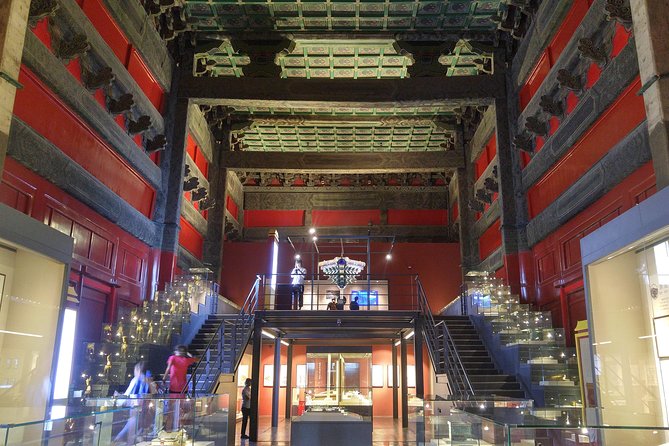
The most unusual part of this Forbidden City tour comes halfway through the palace visit: lunch in a former imperial icehouse. That gives you a break from the grand courtyards and a rare chance to connect the palace’s daily life with its ceremonial halls.
I like the private guide and the effort to reach areas many visitors skip, including the Imperial Library and Treasure Hall. I also like the hotel pickup, included admission, and careful pacing. The one drawback is the early 7:30 am start and the amount of walking, so this suits you best if you can handle a long morning on your feet.
Key points to know before booking
- Lunch in a former Royal Icehouse: A memorable change from the usual palace route, with a meal included in the tour price.
- Private six-hour visit: Your own group receives the guide’s full attention, with room to ask questions and set a comfortable pace.
- Rare palace areas: The route includes the Imperial Library, Treasure Hall, imperial theatre areas, the Nine Dragons Screen, and the Imperial Garden.
- Strong guide reputation: Guides including Selina, Angie, Lily, Shanshan, and Helen Zhang have been praised for history, local advice, patience, and family-friendly explanations.
- Hotel pickup and drop-off: This removes some of the morning planning, though you need to confirm that your hotel is within the pickup area.
- Plan for walking: The tour calls for moderate physical fitness and lasts about six hours.
Why this Forbidden City tour feels different
The Forbidden City can be tiring when you see it as a chain of huge courtyards and red walls. A private guide helps turn those spaces into a story about how the imperial household worked. You are not simply looking at decorated buildings. You are learning which halls handled government, which rooms housed the imperial family, and how examinations, banquets, ceremonies, and private life fit together.
This tour also goes beyond the first section most people see. You visit important halls near the southern entrance, then move into the Inner Court and later toward Treasure Hall and the Imperial Garden. The route is still centered on the palace’s famous buildings, but it gives you more context and more variety than a quick walk through the central axis.
I especially value the private format for a place this large. If you want to pause at a roof detail, ask about palace customs, or slow down for an older family member, your guide can respond to your group rather than following a fixed crowd. Lily, for example, was praised for patiently adjusting the pace for an elderly guest. That is a real advantage in a site where the distances can sneak up on you.
The tour is listed at $150 per person. That is not a budget palace visit, but the price includes the private guide, entrance fees, hotel pickup and drop-off, and lunch. For a couple or family that wants a fuller visit without managing tickets and transport, the bundle can make sense. Solo visitors may find the cost harder to justify, since the private format does not spread the guide fee across a large group.
More Forbidden City tours in Beijing:
- Beijing: Forbidden City Tour(Group/Private)-Tickets Included
★ 4.8 · 7,974 reviews - Beijing: T-Square & Forbidden City Group or Private Tour
★ 4.8 · 4,446 reviews - All-Inclusive Tour: Tiananmen Square, Forbidden City, Great Wall
★ 5.0 · 2,873 reviews
Starting at the Meridian Gate
Pickup begins at 7:30 am from selected hotels. The early start is useful because it gets you moving before the day becomes more tiring, but it also means you should arrange breakfast ahead of time. Confirmation is provided when you book, and the operator requires the passport name and number for every participant.
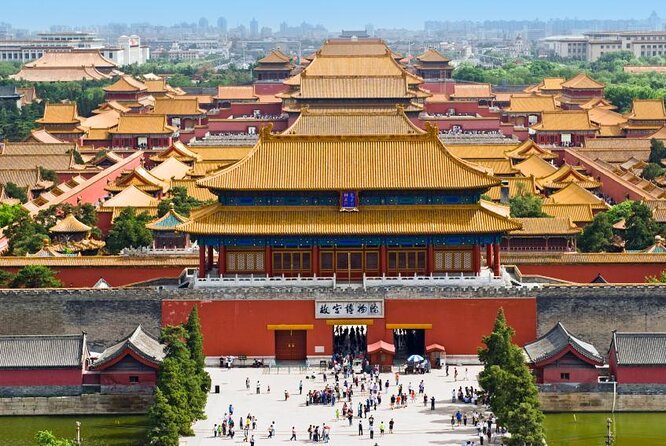
Your first major palace stop is the Meridian Gate, the south entrance to the Forbidden City. This is the formal gateway into the imperial compound, and your guide can explain its place on the palace’s central axis. The name connects with the old belief that the meridian line ran directly through the gate.
From here, the scale becomes clear. The Forbidden City is not one palace building. It is a vast working compound of halls, courtyards, residences, gardens, walls, and service areas. The central route gives you the grandest views, while the side areas explain how the complex functioned day to day.
One practical point matters here: bring comfortable shoes. The tour lasts about five hours within the palace area, and the grounds include broad stone surfaces and long stretches between major buildings. The official guidance calls for moderate physical fitness.
The Hall of Supreme Harmony and the ceremonial axis
The Hall of Supreme Harmony is the visual and ceremonial centerpiece of the Outer Court. It is described as the most important building in the Forbidden City and the largest wooden structure in the world.
This is where the palace feels most theatrical. The building’s size and raised platform were designed to impress, and the open space around it lets you grasp how imperial ceremonies used architecture, distance, and movement. A guide adds useful meaning to what could otherwise become a quick photo stop.
The hall was used for major ceremonies rather than ordinary administration. That distinction matters. The Forbidden City separated public imperial power from private imperial life, and the tour follows that change as you move farther into the complex.
You will also pass buildings connected with banquets and imperial examinations. These examinations tested candidates on classical and Confucian literature under the emperor’s supervision. The setting helps explain that the palace was not only a residence. It was also a center for government, ritual, education, and political authority.
From government offices to the Inner Court
The route continues toward spaces where the emperor handled daily affairs. This transition from the Outer Court to the Inner Court is one of the most useful parts of the visit, since it shows how the palace changed from a public stage into a private compound.
The Inner Court included living quarters for the emperor, empress, and imperial concubines. The buildings are more closely connected than the enormous ceremonial halls, and the subject matter becomes more personal. Your guide can help separate official roles from household routines, a distinction that is easy to miss if you walk through alone.
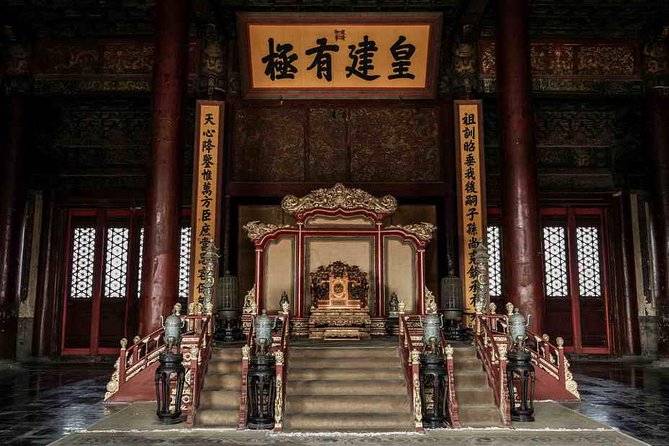
The Palace of Heavenly Purity is the largest building in the Inner Court and was the emperor’s residence. It is an important stop because it puts a human scale on the ruler’s life. Behind all the official ceremonies was a vast household with strict rank, schedules, and spaces assigned to different people.
I like this part of the tour because it prevents the Forbidden City from becoming one long display of painted beams and yellow roofs. You begin to see how buildings were assigned jobs, who used them, and why the palace was arranged in layers.
More palace days with lunch in Beijing:
- Mutianyu Great Wall and Summer Palace Small-Group Tour with Lunch
★ 5.0 · 316 reviews - Mutianyu Great Wall and Summer Palace Private Day Trip with Lunch
★ 5.0 · 209 reviews - Small-Group Mutianyu Great Wall and Summer Palace Tour with Lunch
★ 5.0 · 90 reviews - Panda House, Temple of Heaven, Lama Temple, Summer Palace & Lunch
★ 5.0 · 77 reviews
Treasure Hall and the Qianlong-era palace area
One of the tour’s strongest features is access to Treasure Hall, also called the Antiquarium. This area consists of buildings connected with the abdicated Emperor Qianlong. Today, the buildings serve as exhibition rooms arranged around several themes.
The Treasure Hall provides a change from the vast central courtyards. Instead of looking mainly at architecture, you may spend more time with palace objects and decorative details. The exact displays can vary, but the point is to see how imperial life extended beyond the headline buildings.
The area also includes the largest imperial theatre in the Forbidden City. That detail is easy to miss on a standard route. It shows that court life included formal entertainment as well as ceremonies, administration, and residence.
Near the entrance is one of China’s three Nine Dragons Screens. The other two are in Beihai Park and Datong. The nine dragons differ in color, giving you a close-up detail to look for rather than another distant palace roof.
Your guide can make this section especially useful. Helen Zhang was praised for explaining both the history and cultural meaning of the palace, while Helen, another guide mentioned by name, was noted for keeping children interested and making sure the group saw the important buildings. If you are visiting with children, the smaller details and stories can keep the day from feeling like a march through courtyards.
A lunch break inside a former imperial icehouse
Lunch at the former Royal Icehouse is the tour’s most distinctive touch. The icehouses once served a practical palace need: storing ice for the imperial household. Eating in one connects an ordinary necessity, keeping food and drinks cold, with the elaborate world of the court.
This is not just a meal added to a sightseeing package. It breaks up the walking and gives you a comfortable pause before the later palace sections. A meal inside the Forbidden City also feels different from leaving the grounds for a standard restaurant, since you remain tied to the site’s history.
The information provided does not specify a set menu, so you should not book this expecting a particular dish. It does confirm that lunch is included. One guide was specifically praised for the food and for providing a welcome escape from the heat, which makes the stop especially useful during warmer weather.
The timing of lunch may vary with the guide and the day’s pace. Since this is a private tour, you have a better chance of discussing timing with your guide than you would on a large group outing. Still, the whole experience is about six hours, so expect the meal to be a pause within a long palace visit, not a separate dining event.
The defensive wall and corner tower
The tour may also include one of the corner towers built into the Forbidden City’s defensive wall, if the wall is open. This qualification is important. Access is not guaranteed, so you should treat the tower as a possible extra rather than a promised highlight.
If it is open, the tower adds another angle on the palace. The Forbidden City was designed as a protected compound, and the corner structures show that security was part of the plan from the start. You see the palace not only as a collection of halls but also as a controlled, walled institution.
This stop can be worthwhile for anyone interested in military design and the physical boundaries of imperial power. It may also provide a change from the formal buildings. Since access depends on conditions, your guide will need to confirm what is possible on the day.
Four seasons in the Imperial Garden
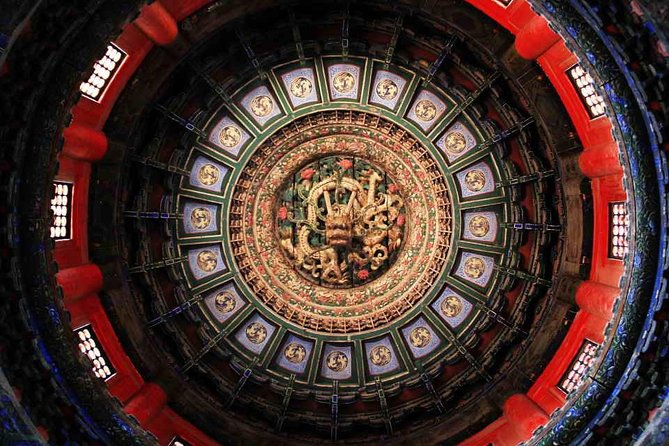
The final part of the route reaches the Imperial Garden, a rectangular area containing more than 20 types of structures, including pavilions, terraces, towers, and rockeries. Four pavilions represent the four seasons.
The garden gives the tour a softer finish. After the formal symmetry of the main axis, you see a more varied setting designed for walking, rest, and private enjoyment. The buildings are packed more closely together, and the arrangement rewards a slower look.
I would save some energy for this section. The garden is not simply a green exit from the palace. It has its own design language, with pavilions and artificial rocks arranged to create changing views. A guide can point out how the garden differs from the ceremonial courtyards and why the imperial family used such spaces.
What the private format adds
The strongest reason to book this experience is not just the number of stops. It is the ability to shape the visit around your group. Angie was praised for contacting her group the day before and being punctual, while Selina was singled out for making the day feel smooth and personal. Those details matter when your schedule includes hotel pickup, a large palace complex, and an included meal.
A private guide also helps if your group has mixed interests. One person can ask about architecture, another about court life, and children can receive simpler explanations without holding up a large party. The guide can also offer local suggestions around your hotel, as one guide did.
The private setup does not remove every difficulty. You still face the palace’s size, the early start, and a moderate amount of walking. It also does not guarantee entry to every building on every day, especially the wall tower. But it gives you a better chance of using your time well.
Who should book it
I would choose this tour for a first visit to Beijing if you want the Forbidden City to be the main event of the day. It suits couples, families, and multigenerational groups that value a private pace. The careful assistance given to an elderly guest also makes it a reasonable option for groups that need patience and flexibility.
It is a good match for anyone who wants more than the central halls. The Imperial Library, Treasure Hall, theatre area, Nine Dragons Screen, garden, and icehouse lunch create a fuller picture of the palace.
I would think twice if you prefer to wander alone, dislike early mornings, or want a short introduction lasting only two or three hours. The six-hour format is useful for an in-depth visit, but it is a serious commitment. The $150 price also makes more sense when two or more people can share the value of a private guide and included transport.
Practical details that affect your day
Hotel pickup and drop-off are included, but pickup is offered from selected hotels, so confirm your accommodation when booking. The start time is 7:30 am, and passport name and number are required for every participant.
The tour is private, with only your group taking part. Confirmation arrives at booking, and free cancellation is available if you cancel at least 24 hours before the start time. Changes or cancellations inside that window are not accepted for a refund.
The experience is rated 4.9 out of 5, with 100 percent recommendation shown in the supplied information. That strong record matches the repeated praise for guide care, pacing, local advice, palace explanations, and the unusual lunch setting. Still, the score should not distract from the basic facts: this is a long, walking-heavy palace tour with an early start.
Should you book the Royal Icehouse tour?
Book it if you want the Forbidden City explained, not just photographed. The private format, extra palace areas, included entrance fees, hotel transport, and icehouse lunch offer solid value for a full day centered on Beijing’s most important imperial site.
Skip it if you want maximum independence or a low-cost visit. For everyone else, especially families and older groups, this is a well-planned way to see the palace at a sensible pace while adding details you could easily miss on your own.
FAQ
How long does the Forbidden City tour last?
The full experience lasts approximately six hours. The main Forbidden City visit is listed as about five hours, with lunch included during the palace visit.
What time does the tour start?
The stated start time is 7:30 am.
Is hotel pickup included?
Yes. Hotel pickup and drop-off are included, though pickup is offered from selected hotels.
Is this a private tour?
Yes. Only your group participates in the activity.
Does the price include entrance fees?
Yes. All entrance fees are included.
Is lunch included?
Yes. Lunch at a former Royal Icehouse inside the Forbidden City is included.
Which special areas are visited?
The route includes the Imperial Library, Treasure Hall, also called the Antiquarium, the Nine Dragons Screen, the Imperial Garden, and other major palace buildings. Access to a defensive corner tower is possible if the wall is open.
What level of fitness is needed?
A moderate level of physical fitness is recommended. The Forbidden City visit involves substantial walking and lasts several hours.
What information is required when booking?
The passport name and passport number are required for all participants.
Can I cancel for a full refund?
Yes, if you cancel at least 24 hours before the experience start time. Cancellations or changes made less than 24 hours before the start time are not accepted for a refund.
Just added around Beijing
- Half Day Tour of Beijing’s Summer Palace with Guide and Driver★ 5.0 · 8 reviews
- Beijing’s Forbidden City with Special Viewing of Treasure Gallery and the Great Wall Ruins at Badaling★ 4.5 · 24 reviews
- Ultimate Forbidden City and Mutianyu Great Wall Discovery with Airport Transfer★ 5.0 · 25 reviews
- All Inclusive Great wall and Summer palace VIP Pivate Tour★ 5.0 · 11 reviews
- Summer Palace Walking Tour – Beijing★ 5.0 · 3 reviews
- Mutianyu Wall Morning Tour & Forbidden City SelfGuided Afternoon★ 5.0 · 5 reviews
- Ming Tombs Sacred Way & Underground Palace & Water Wall P Tour★ 5.0 · 3 reviews
- Summer Palace Admission Ticket – Main Entry or Combined Ticket★ 4.5 · 47 reviews
Forbidden City Tours, compared.
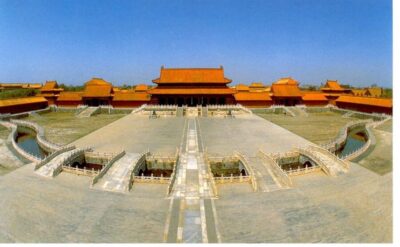
Forbidden City Tour(Group/Private)-Tickets Included
Read our review →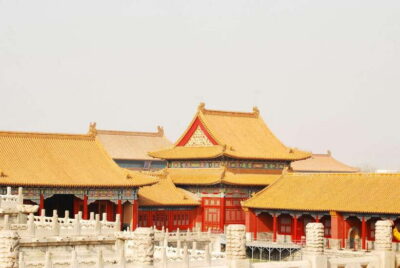
T-Square & Forbidden City Group or Private Tour
Read our review →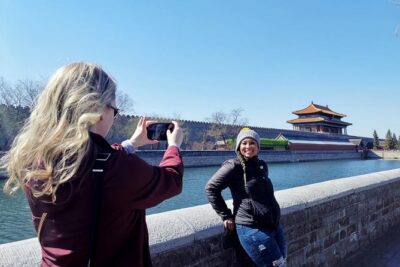
All-Inclusive Tour: Tiananmen Square, Forbidden City, Great Wall
Read our review →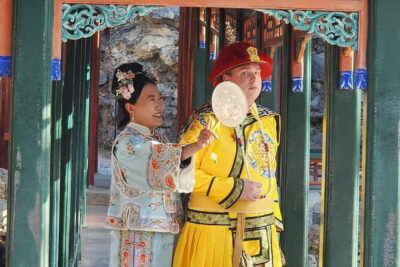
4-Hour Small Group Tour to Forbidden City with Entry Tickets
Read our review →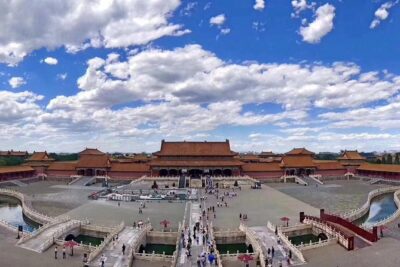
Beijing Full Day Tours: Tiananmen Sq, Forbidden City, Great Wall
Read our review →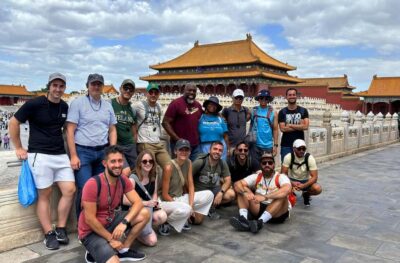
Tianmen Square, Forbidden City & Royal Museum Tours
Read our review →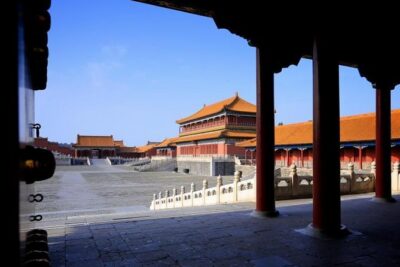
Beijing Forbidden City Ticket Booking (Optional: guide service)
Read our review →
Forbidden City and Tian’anmen Square Waking Tour
Read our review →Browse the lists this tour appears in