
REVIEW · KNOSSOS PALACE TOURS
Knossos Palace, Museum & Rethymno city Private Tour from Chania
Knossos is the star here, but the clever part is seeing the palace and museum together. Ruins can feel like scattered stones until you follow them with the Minoan objects in Heraklion. Rethymno then shifts the day from Bronze Age archaeology to Venetian lanes, mosques, churches, artisans, and seaside life. I especially like the comfortable private van and the way Christine, Thanos, and their fellow guides turn a long drive from Chania into part of the Cretan experience.
I also like the flexible pace. The team has adjusted plans for olive-oil visits, village stops, caves, and cruise-ship schedules when time allowed. The tradeoff is distance: Chania to Knossos makes this a long day, about 10 hours, and the two admission fees add €40 per person. For a short stay, though, it is an efficient way to connect western and central Crete.
Key points at a glance
- Three major stops in one day: Knossos, the Heraklion Archaeological Museum, and Rethymno.
- Private door-to-door transport: Your group of up to six rides in an air-conditioned van with WiFi, USB charging, and drinks.
- Expert help at Knossos: A guided palace visit is available, often with an archaeological guide such as Thalia or Maria.
- A generous food setup: Sandwiches, Cretan pastries, cold drinks, juice, beer, wine, water, and a boxed lunch are provided.
- Cretan culture on the road: Christine and Thanos add stories about customs, food, olive oil, music, language, and daily life.
- Good value for a full group: At $651.67 for up to six, the price makes more sense when shared, especially with private transport and guiding.
Why Knossos makes the long drive worthwhile
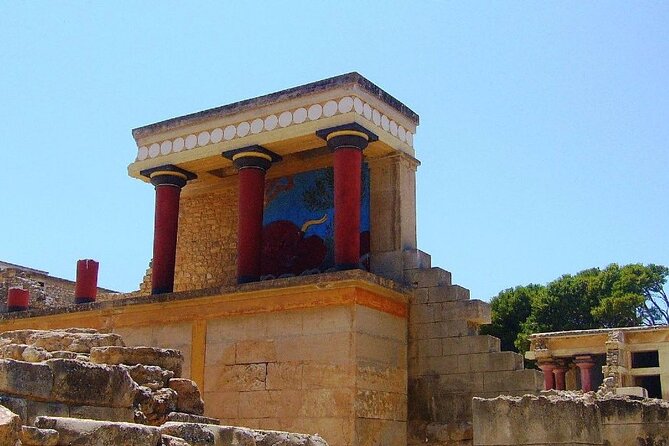
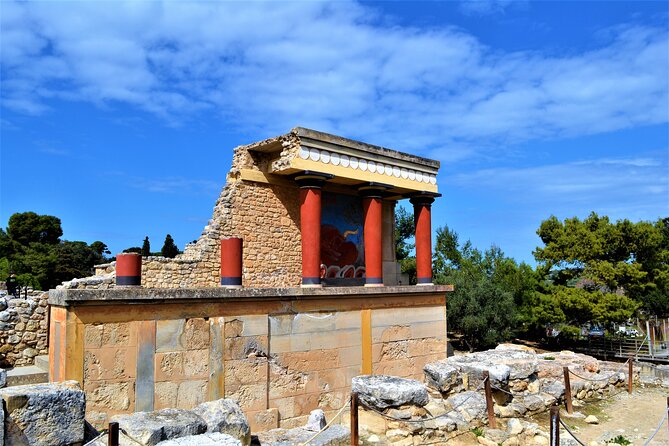
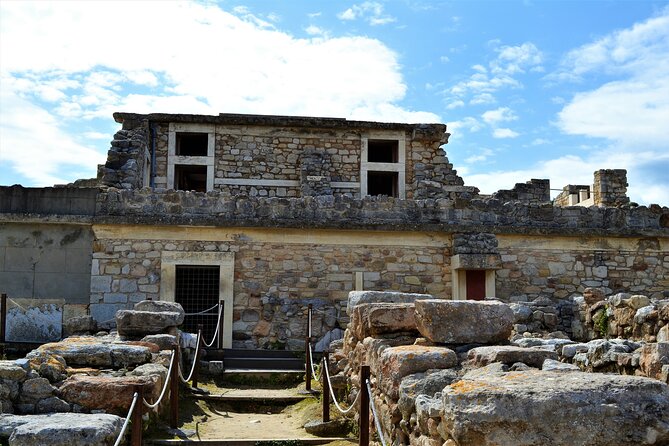
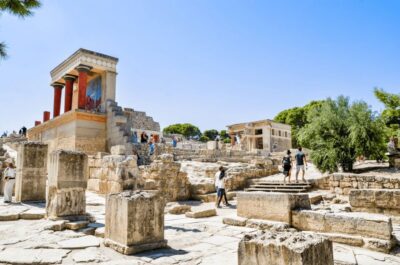
Knossos sits about 5 kilometers southeast of Heraklion, in the valley of the Kairatos River. It is Crete’s most famous archaeological site and the largest Bronze Age site on the island. The place is often called the oldest city in Europe, though the remains you see belong to several periods of occupation rather than one single moment in time.
A Neolithic settlement was established here in the seventh millennium BC, and the site remained occupied for thousands of years. Its later destruction and abandonment marked the end of Minoan civilization. Excavation began on a large scale in 1878 under Minos Kalokairinos, followed by Sir Arthur Evans’s long campaigns from 1900 to 1913 and again from 1922 to 1930.
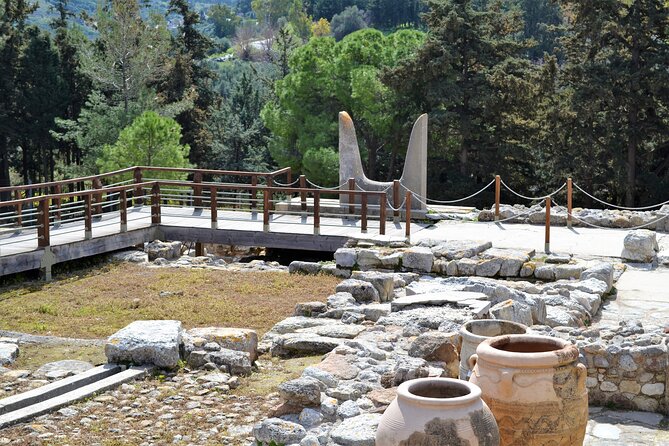
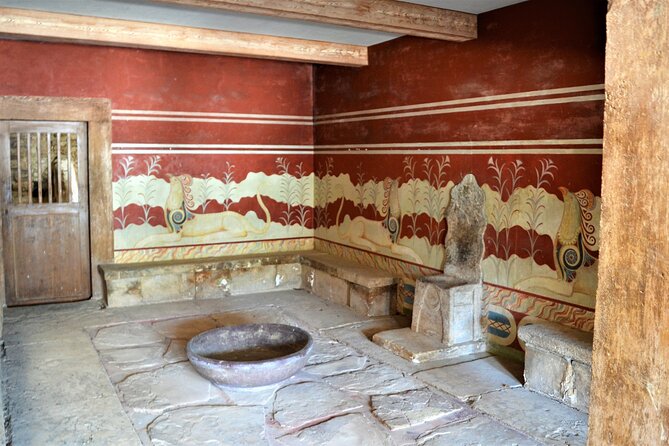
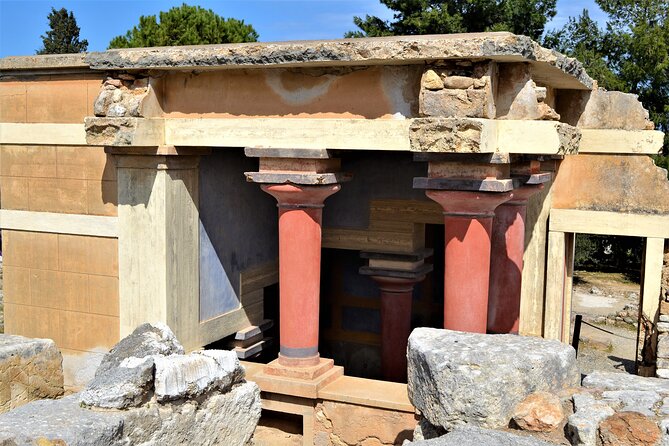
That background matters because Knossos is not simply a ruin you walk through and photograph. It is a complicated archaeological site shaped by ancient building, later damage, excavation, and modern reconstruction. A good guide helps you separate what is ancient from what was rebuilt or interpreted in the early twentieth century.
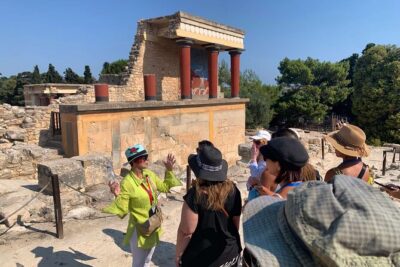
The planned visit lasts about 90 minutes. If you choose the guided option, the site becomes much easier to read. Thalia, who has worked as an archaeologist, has been praised for explaining how the palace may have looked, how its rooms were used, and why the center mattered. Maria has also guided the visit for some groups.
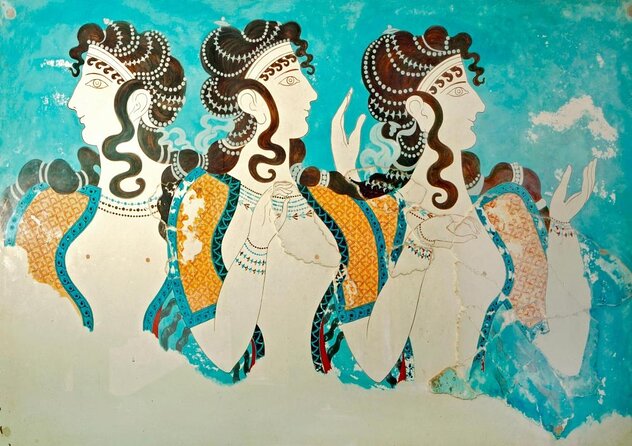
I would strongly consider adding the palace guide. You can walk around Knossos alone, but the scale and layout can be confusing. The guide helps connect courtyards, storage areas, ceremonial rooms, stairways, wall paintings, and old legends of Minos and the Minotaur. You get more from the stones when someone gives you a clear story to follow.
The site can involve uneven ground and walking in the open air. One person with bad knees managed it, but you should still tell the company about mobility concerns before the day. Comfortable shoes and sun protection make sense, especially during warmer months.
Admission to Knossos is not included. The listed fee is €20 per person. That is important when comparing the total cost, since a group of six would add €120 just for this stop.
More Knossos Palace tours in Greece:
- Crete: Knossos Palace Entry Ticket with Optional Audio Guide
★ 3.9 · 2,251 reviews - Crete: Palace of Knossos E-Ticket and Audio Guide
★ 3.8 · 1,540 reviews - Knossos: Knossos Palace Skip-the-Line Guided Walking Tour
★ 4.8 · 1,380 reviews
The Heraklion Archaeological Museum puts the pieces together
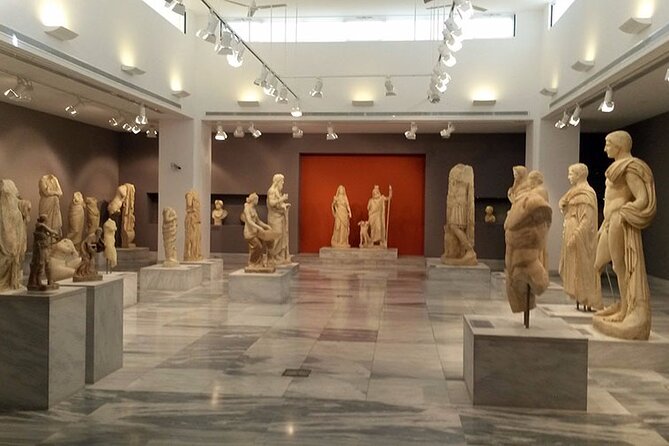
After Knossos, the Heraklion Archaeological Museum gives you the objects and artwork that help explain the palace. It is one of Greece’s major museums, with displays covering more than 5,500 years, from the Neolithic period through Roman times.
The Minoan collection is the main reason to visit. You may see famous pieces such as the Phaistos Disc, the Gold Bee Pendant, the Ring of Minos, the Snake Goddesses, and the Dolphin fresco. These objects give physical form to the society you have just been hearing about at Knossos.
This order is smart. At the palace, you learn how the site functioned. At the museum, you see the finely made objects, symbols, frescoes, and tools that make Minoan culture easier to understand. I find that the museum visit feels more meaningful after Knossos rather than as a separate stop with no context.
The museum is in central Heraklion and occupies a building constructed between 1937 and 1940 by architect Patroklos Karantinos. Its colors and materials echo elements of Minoan wall paintings. The building itself helps set the mood without trying to imitate an ancient palace.
You receive about an hour here. That is enough for a focused visit, but not enough to study every gallery at a slow pace. If you are a serious museum lover, you may want more time. The listed admission fee is €20 per person, also paid separately.
One practical point: a past visit encountered a problem with air conditioning in the museum. Conditions can vary, so do not count on a perfectly cool indoor break in hot weather. The air-conditioned van provides relief between stops, but you should still carry water, even though bottled water is supplied.
Rethymno changes the rhythm of the day
Rethymno is about halfway between Chania and Heraklion, on Crete’s north coast. It offers a different kind of sightseeing from Knossos and the museum. Instead of a focused archaeological visit, you get time to walk through an old town shaped by Venetian and Ottoman rule.
The city is known for its large Venetian fortress, the Fortezza, which dominates the town. You can also encounter Orthodox and Catholic churches, mosques, an old lighthouse, Venetian mansions, arches, and cobbled lanes. The old town has a pleasing mix of architectural details, small shops, restaurants, and working crafts.
The planned time here is about an hour, with no admission fee listed for the city stop. That is enough for an orientation walk and a taste of the old quarter, though not enough for a thorough visit to every monument. If you want to explore the Fortezza in depth, ask how the timing can be adjusted.
The best part of Rethymno may be the chance to see everyday craft traditions. The guides have taken groups to watch artisans carve wooden objects and to see phyllo dough made in a multigenerational business. Those details give the town more life than a quick photo stop.
Rethymno is also where the private format matters most. Some groups have chosen a different stop or changed the balance of city time and other sights. The itinerary is designed to be flexible, but you should discuss your priorities at booking or during the pickup conversation. A fixed three-stop schedule cannot give every place equal attention.
The drive from Chania is part of the tour
This is not a quick excursion. You leave around 8:00 a.m. and spend much of the day traveling between Chania, Knossos, Heraklion, Rethymno, and your return point. The drive is long, but the company makes an effort to use it well.
Christine and Thanos often talk about Cretan food, family life, olive trees, local customs, music, climate, and history. You may also see short audiovisual presentations in the van. These cover Crete and Knossos, and they give you something useful to watch while the countryside passes by.
The route can include olive groves, mountains, sea views, and photo stops such as views toward the White Mountains. The scenery helps you understand that Crete is not just a collection of ancient sites. Its farms, villages, hills, and coastal towns still shape local life.
The van is air-conditioned and includes WiFi, USB charging ports, and drinks. Some past groups also appreciated pillows and the extra space. The private setup means you are not adjusting your day around strangers, and a group of six can share the vehicle and conversation.
Pickup is offered from a location you define with the company. The tour has also handled hotel, airport, and cruise-port pickups in individual cases, but you should confirm your exact location in advance. Private pickup is especially useful when your day begins at a port or when you want to avoid finding a bus meeting point.
More palace museums and galleries in Greece:
- Crete: Knossos Palace and Museum E-Tickets with Audio Guides
★ 4.0 · 828 reviews - Crete: Knossos Palace and Museum E-Tickets with Audio Guides
★ 4.0 · 126 reviews - Knossos Palace, Museum & Heraklion City Tour From Chania
★ 4.2 · 61 reviews - Knossos Palace & Archaeological Museum Private Tour
★ 4.8 · 23 reviews
Lunch, snacks, and drinks make a difference
The food arrangement is more generous than a token bottle of water. You receive sandwiches, Cretan pastries, cold soft drinks, juice, beer, wine, and bottled water. A boxed lunch is prepared for the road, which helps keep the schedule moving between Knossos and the museum.
The sandwiches have received unusually warm praise, and the local pastries give you a small taste of the island without requiring a restaurant stop. That matters on a packed day. A long sit-down lunch would reduce your time at the archaeological sites or Rethymno.
Some groups have chosen a taverna instead, and the private format may allow a different lunch plan when timing permits. The supplied information confirms the snack box and drinks, but not a fixed restaurant menu. If you have allergies, dietary restrictions, or strong food preferences, contact the company before departure.
The drinks include beer and wine, though you should use judgment if you are walking in the heat or still have a long sightseeing period ahead. The setup feels practical rather than fancy: you spend less time searching for food and more time at the main sights.
What the private price really buys you
The price is $651.67 per group of up to six. For one person or a couple, that is a substantial day-trip cost. For four to six people, it becomes easier to justify because the price covers private transportation, pickup, the driver, the escort, onboard WiFi, refreshments, lunch, and the option of a guided palace visit.
Admission is separate: €20 per person for Knossos and €20 per person for the Heraklion Archaeological Museum. A group of six should budget another €240 for those tickets. Confirm the current fees before departure, since admission prices can change.
The strongest value is convenience. You avoid renting a car, navigating between Chania and Heraklion, finding parking, and working out how to fit Rethymno into the same day. You also get explanations during the drive, rather than treating the road as dead time.
The weaker value is the fixed length. If you prefer to spend half a day at Knossos, browse the museum slowly, or linger over lunch, this schedule may feel brisk. It suits you best when you want a broad introduction to central Crete rather than one site studied at leisure.
The tour is often booked well ahead, with an average lead time of about 87 days. That suggests you should reserve early for a particular date, especially if you need cruise-port timing or a group vehicle.
Who should choose this day from Chania
I would choose this tour if you are staying in Chania but do not want to arrange your own journey to Heraklion. It is also a good fit for families and mixed-age groups because the private van, snacks, charging ports, and adjustable pace reduce the strain of a long day.
History lovers should add the guided palace option. The combination of Knossos and the museum is far more useful than seeing either one without context. You can also ask about the guide assigned to your date, since names mentioned in past visits include Thalia, Maria, and Helene.
The trip suits three generations particularly well. Older relatives can avoid the stress of driving, while teenagers have the audiovisual material, scenery, and room for informal conversation. One family even received help arranging fishing equipment after the tour, though that was a personal kindness and should not be treated as a standard inclusion.
You might also like it if you care about modern Cretan life, not only ancient history. Stories about olive oil, local food, Greek words, village customs, and family businesses give the day a human side.
I would hesitate if you dislike long drives, prefer a slow museum day, or want a completely fixed program with no optional changes. The day covers a lot of ground. That is its strength and its limitation.
Should you book the Knossos, museum, and Rethymno tour?
Book it if you want to see three important sides of Crete in one day and value personal service over the lowest possible price. The guides, comfortable van, food, and flexibility make the long route from Chania much easier than doing it alone.
Add the guided visit at Knossos if available. It is the part most likely to change the way you understand the site. Budget separately for the two entrance fees, wear sensible shoes, and tell the company your preferred pickup point and any mobility or dietary needs.
Skip it if you want several unhurried hours at one place. But if your time in Crete is limited, this private trip gives you archaeology, museum art, old-town streets, and a useful introduction to Cretan life in one well-packed day.
FAQ
How long is the private tour?
The tour lasts approximately 10 hours.
What time does the tour start?
The listed start time is 8:00 a.m.
Where does pickup take place?
Pickup is offered, and you should contact the company to define your pickup location.
How many people can join the private tour?
The price covers a private group of up to six people.
Are Knossos and museum tickets included?
No. Admission is listed separately at €20 per person for Knossos and €20 per person for the Heraklion Archaeological Museum.
Is a guided visit of Knossos included?
A guided palace tour is included if you select that option.
What food and drinks are provided?
The tour includes sandwiches, Cretan pastries in a snack box, soft drinks, juice, beer, wine, and bottled water.
Does the vehicle have WiFi and charging?
Yes. The air-conditioned van has onboard WiFi and USB charging ports.
Is Rethymno included in the day?
Yes. The itinerary includes about one hour in Rethymno, with time for the old town and its historic streets.
Can I cancel for a refund?
You can cancel at least 24 hours before the start time for a full refund. Changes or cancellations made less than 24 hours before the start are not accepted for a refund.
Just added around Greece
- PRIVATE-Knossos Palace-Zeus Cave-Olive Oil Tasting-Old Villages★ 5.0 · 81 reviews
- WeGuide Knossos palace★ 5.0 · 3 reviews
- Crete in a Day: Knossos, Soap Workshops, Olive Oil & Wine Tasting★ 5.0 · 5 reviews
- Visit Knossos palace (Tour & Skip-the-Line Ticket)★ 5.0 · 16 reviews
- The Palace of Knossos with Skip-the-Line Ticket★ 5.0 · 40 reviews
- Small Group Sailing Cruise from Agios Nikolaos in Mirabello Bay★ 5.0 · 21 reviews
- Private Tour Knossos Palace & Archaeological Museum, Crete★ 4.0 · 9 reviews
- Travel Crete – Visit Knossos palace (Semi Private – Shared Tour)★ 4.5 · 7 reviews
Knossos Palace Tours, compared.
Crete: Knossos Palace Entry Ticket with Optional Audio Guide
Read our review →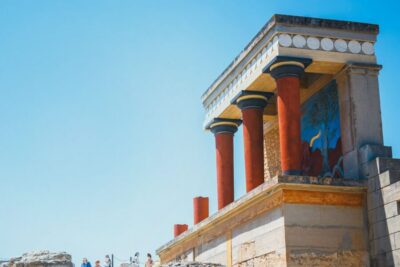
Crete: Palace of Knossos E-Ticket and Audio Guide
Read our review →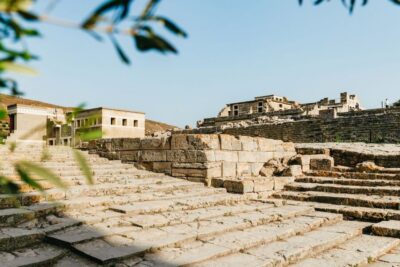
Knossos: Knossos Palace Skip-the-Line Guided Walking Tour
Read our review →
Crete: Knossos Palace & Heraklion Guided Tour
Read our review →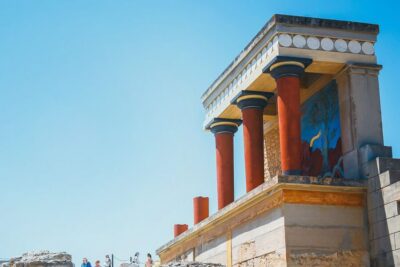
Crete: Knossos Palace and Museum E-Tickets with Audio Guides
Read our review →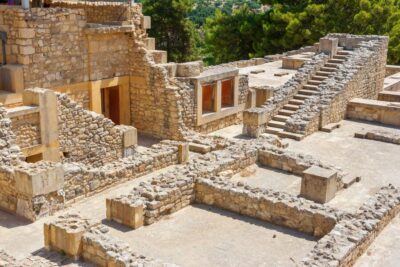
Knossos Palace Skip-the-Line Ticket & Private Guided Tour
Read our review →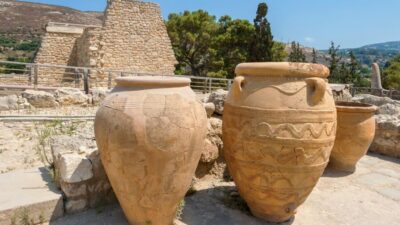
Knossos Palace Skip-the-Line Ticket (Shared Tour Group)
Read our review →Browse the lists this tour appears in