
REVIEW · VIENNA PALACE TOURS
Vienna: Imperial Carriage Museum in Schönbrunn Palace Ticket
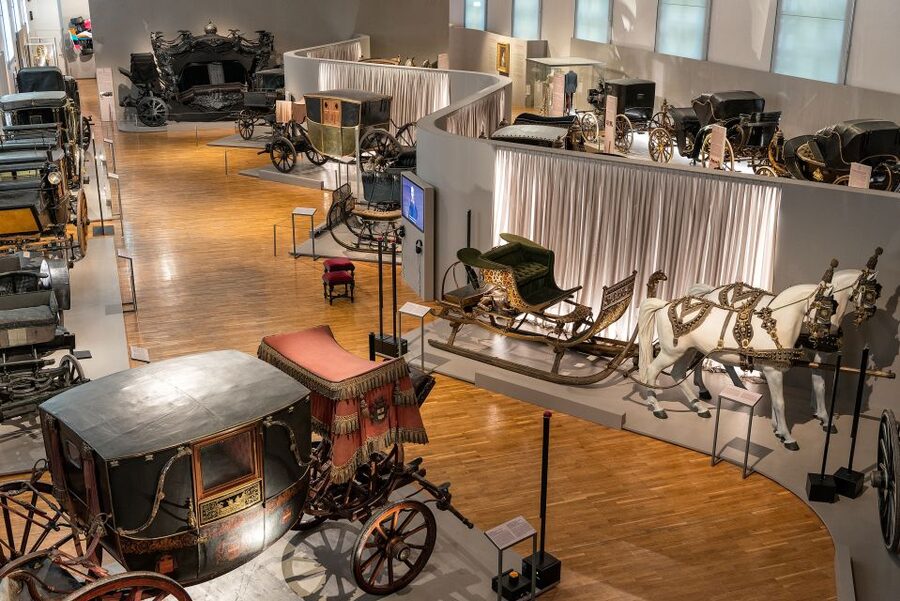
The Imperial Carriage Museum gives Vienna’s royal past a useful set of wheels. You’ll see the grand Baroque imperial coach, state carriages for ceremony, travel coaches for comfort, and small carriages made for Habsburg children. The display connects each vehicle to rulers such as Maria Theresia, Napoleon, and Franz Joseph.
I like the way the museum adds personality through the Sisi Trail, especially Empress Elisabeth’s only surviving saddle and her riding chapel. I also like the choice between a quick self-guided visit and an audio guide, which lets you set your own pace. The main drawback is practical: you need a printed voucher, and some visitors have lost time finding a place to print and exchange their booking.
Key points to know before you go
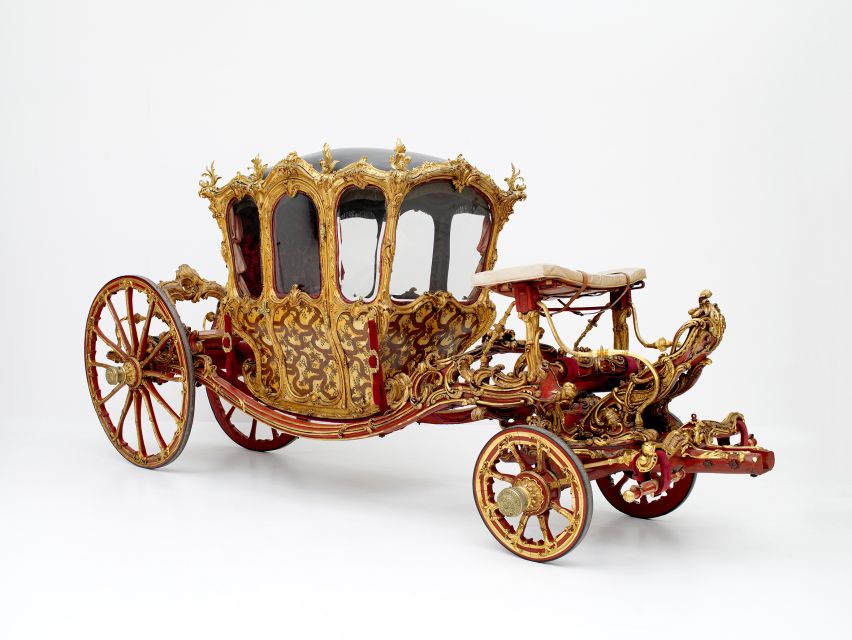
- Maria Theresia’s Baroque imperial coach is the main visual prize, built for ceremony rather than comfort.
- Napoleon, Franz Joseph, and other rulers are presented through the vehicles tied to their public and private lives.
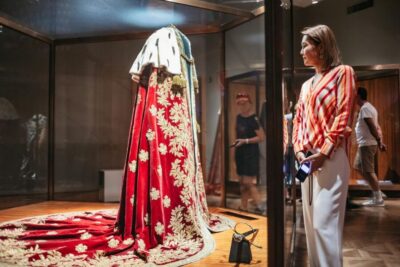
- The Sisi Trail includes Empress Elisabeth’s carriages, only surviving saddle, riding chapel, and original dresses.
- The collection covers more than royal display, with traveling coaches and children’s carriages showing everyday sides of court life.
- Admission costs about $14 per person and is valid for one day, making it a reasonably priced add-on to Schönbrunn Palace.
- A printed voucher is required, so print it before reaching the palace area rather than relying on a phone.
What the Imperial Carriage Museum adds to Schönbrunn
Schönbrunn Palace can easily fill most of a day, but the Imperial Carriage Museum offers a different view of the Habsburg court. Palace rooms show how rulers lived indoors. These carriages show how they appeared in public, traveled between residences, celebrated weddings, attended funerals, and moved through the machinery of monarchy.
You enter at the Imperial Carriage Museum in the Schönbrunn Palace complex. This is not a guided ride or a carriage tour through Vienna. It is a museum visit built around preserved vehicles and personal objects, with admission valid for one day.
I find that distinction useful. You are not paying for a long tour with a fixed route or a named guide. You are paying for access to a focused collection, and you can spend as much or as little time as suits your palace schedule.
The museum also gives you a break from grand state apartments. A carriage is still a work of design, but it has a practical purpose. It needs wheels, suspension, storage, seating, and protection from the weather. Those details make the royal world feel less distant.
More palace museums and galleries in Vienna:
- Vienna: Skip-the-Line Sisi Museum, Hofburg and Gardens Tour
★ 4.8 · 5,918 reviews - Vienna: Hofburg and Empress Sisi Museum Guided Tour
★ 4.7 · 1,460 reviews - Vienna: Skip-the-Line Hofburg and Empress Sisi Museum Tour
★ 4.8 · 801 reviews
The Baroque coach that sets the tone
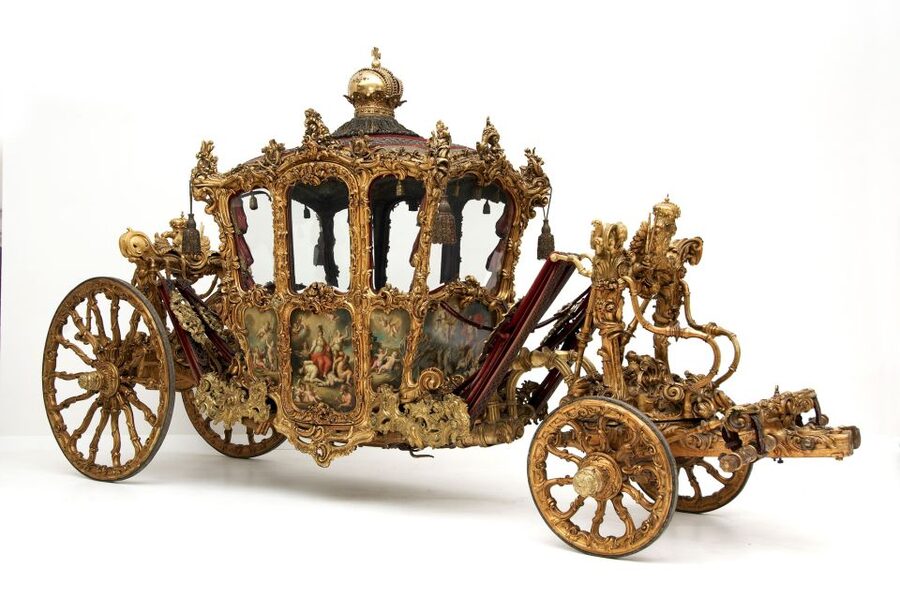
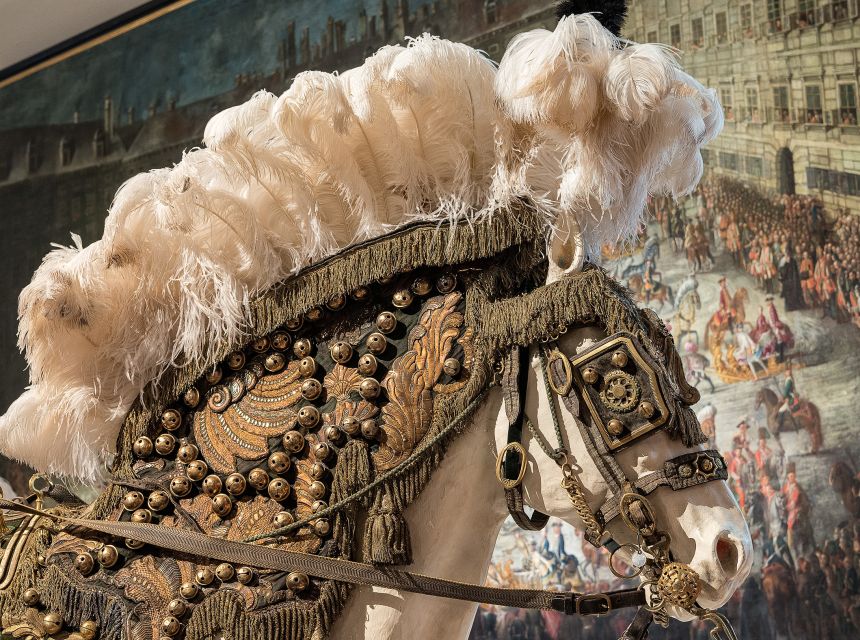
The Baroque imperial coach is the museum’s main event. It was made to be seen, not merely to carry someone from one place to another. Its scale and decoration show how much ceremony surrounded the ruling family.
Look at it as a moving stage. The coach communicated rank before its passenger said a word. A grand vehicle could announce imperial power to a crowd gathered along a route, at a formal arrival, or during a major state occasion.
That makes the coach valuable even if you are not a specialist in carriages. You can read it as a political object, a fashion statement, and a piece of engineering at the same time.
The display is also a good reminder that royal comfort and royal theater were not the same thing. The largest coach may be the most impressive, but it was not necessarily the easiest way to travel. Its purpose was ceremony. The traveling coaches elsewhere in the museum help balance that picture.
Give the Baroque coach time before rushing toward the smaller objects. Its shape, decoration, and size provide the visual key to the rest of the collection.
Maria Theresia, Napoleon, and Franz Joseph on wheels
The museum follows major rulers through the vehicles connected with their lives. Maria Theresia, Napoleon, and Franz Joseph each represent a different chapter in European political history, and their carriages give those stories a physical form.
Maria Theresia’s carriage points to the grand administrative and ceremonial world of the Habsburg monarchy. Napoleon’s vehicle links the collection to the wider power struggles of Europe. Franz Joseph’s carriages bring the story closer to the late imperial era, when tradition and modern change existed side by side.
The value here is not simply seeing famous names beside famous objects. The carriages show how rulers needed different vehicles for different occasions. A formal state carriage served one purpose. A traveling coach served another. A child’s carriage belonged to a smaller, more private world.
I recommend taking a moment to compare the vehicles rather than treating each one as an isolated exhibit. Ask yourself what each carriage was designed to communicate. Was it meant to impress a crowd, protect a passenger, carry luggage, or transport a child?
The museum gives you enough variety to make those comparisons worthwhile. It also prevents the visit from becoming a single parade of oversized coaches.
The Sisi Trail and Empress Elisabeth’s private image
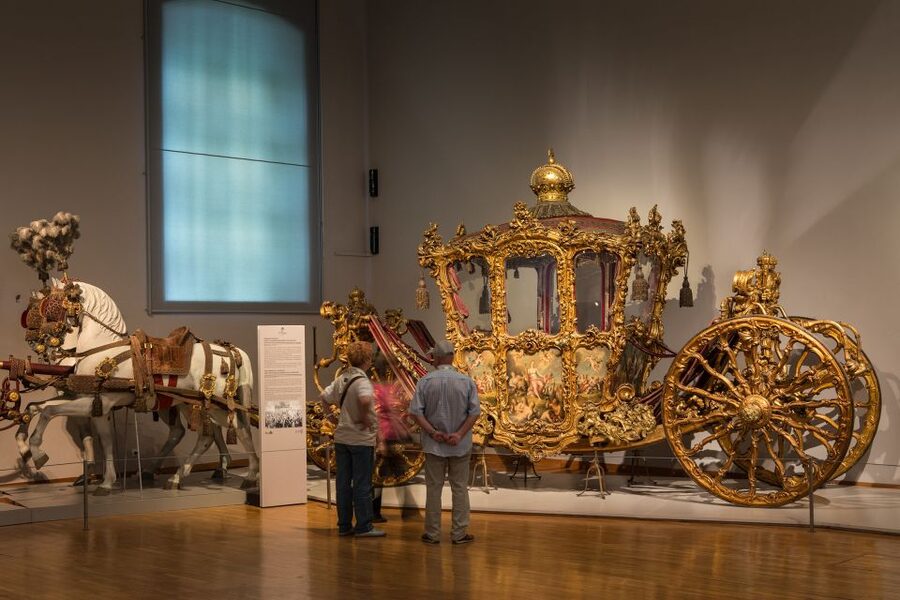
The Sisi Trail is likely to be the most personal part of the museum. Instead of presenting Empress Elisabeth only as a beautiful imperial figure, it connects her with riding, travel, clothing, and the objects she used.
You’ll see Empress Elisabeth’s carriages along with personal mementos, including her only extant saddle. That saddle matters because it shows a side of her identity that a formal portrait cannot. Riding was part of the image and activity associated with Elisabeth, and the surviving object makes that interest more tangible.
The trail also includes her riding chapel. The name may sound unusual, but it is precisely the sort of object that rewards close attention. It adds a personal and ceremonial detail to the Sisi display, moving beyond the better-known story of her public appearance.
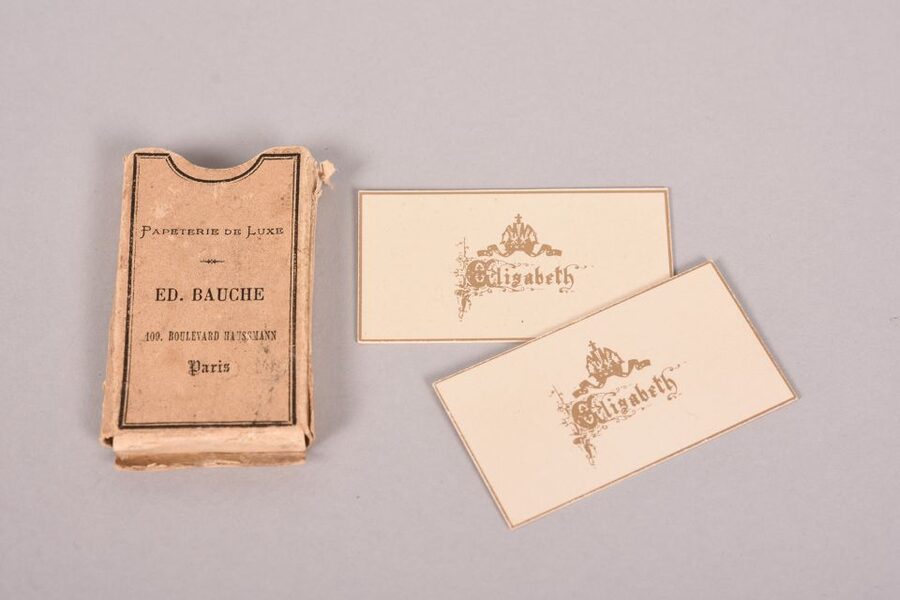
Original dresses add another layer. Clothing can seem less dramatic than a full imperial coach, but it tells you how Elisabeth was presented to the public and how carefully her appearance was managed. You can connect the dresses with the carriages and see how movement, fashion, and ceremony worked together.
If Elisabeth is your main reason for visiting, plan to slow down here. The Sisi material is not just an accessory to the carriage collection. It gives the museum an intimate thread, and it may be the strongest part of the visit for anyone interested in her life.
More palace entry tickets in Vienna:
- Vienna: Panorama Train Tickets to explore Schönbrunn Palace
★ 4.3 · 1,164 reviews - Entry Ticket Upper Belvedere, Klimt’s Kiss & Permanent Collection
★ 4.5 · 831 reviews - Vienna: Imperial Treasury & New Hofburg Palace Combo Ticket
★ 4.3 · 614 reviews - Vienna: New Hofburg Palace Audio-Guided Tour & Entry Ticket
★ 4.1 · 566 reviews
From state coaches to children’s carriages
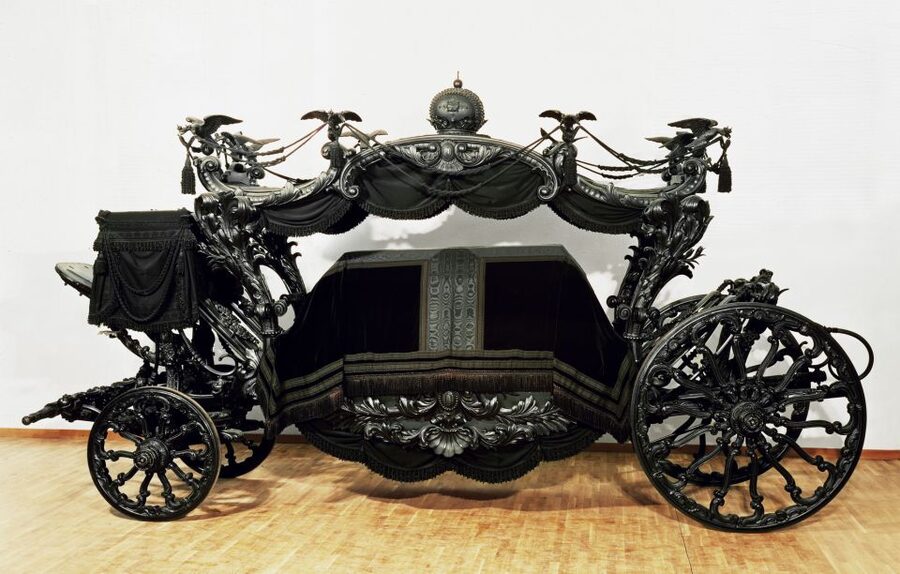
The collection becomes more approachable when it moves away from the most formal vehicles. Comfortable traveling coaches show that court life involved ordinary practical needs, even for people surrounded by ceremony.
These coaches help you imagine movement between residences and journeys that were less about public spectacle. They are a useful contrast with the Baroque imperial coach, which was built to project authority.
The children’s carriages are another welcome change of scale. They belonged to Habsburg princes and princesses, and they show the royal family as a household with young children, not only as a line of rulers and titles.
I like this part of the collection because it keeps the visit from becoming too stiff. You can see how design was adjusted for age and purpose. A child’s carriage carries a different emotional weight from a state coach, even though both belong to the same court world.
Families may find these smaller vehicles especially easy to appreciate. You do not need much background knowledge to understand why they are different, and they make a useful pause between the more formal displays.
How to use the audio guide
An audio guide is included only when you book that option, so check your reservation carefully. The museum also allows you to bring your own guide, and it does not include a guided tour as part of the basic admission.
That setup suits visitors who prefer control. You can move at your own pace, pause at the vehicles that interest you, and avoid being tied to a group schedule. An Italian audio guide has been described as concise and functional, which suggests it is best used for orientation and key facts rather than a long narrative.
I would choose the audio guide if you want context for the named rulers and the Sisi Trail. Without it, the vehicles still make a strong visual impression, but the connections between object, owner, and occasion may be less clear.
If you are visiting with your own certified guide, the rules matter. One tour guide per booked group can receive free admission when accompanying the group. A group must contain at least 10 people for that free-ticket rule to apply, while a state-certified guide has free entrance. Under 10 people, an additional guide or accompanying person counts as a paying member.
These conditions are easy to overlook, so check them before booking a group visit. The basic experience is self-guided, not a private tour led by museum staff.
Is $14 a fair price?
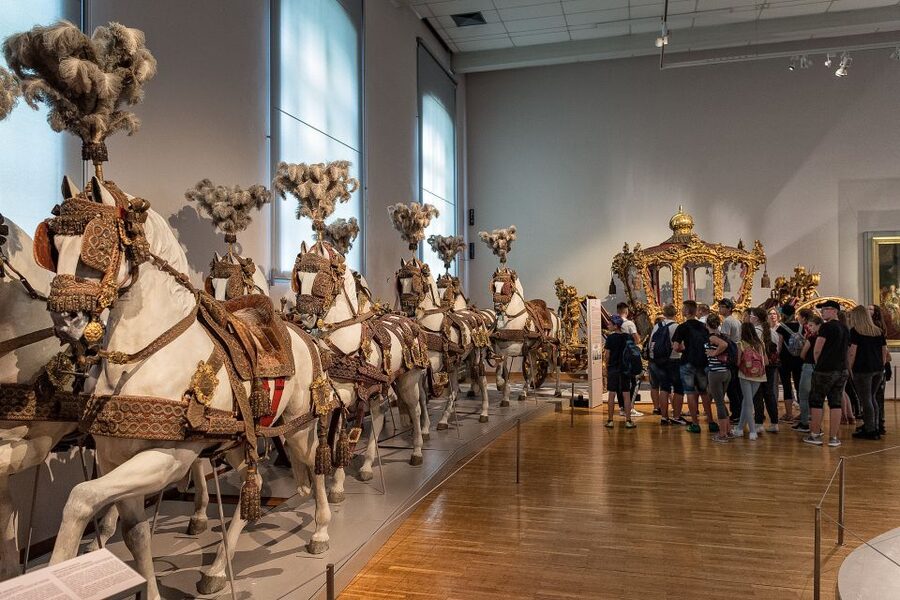
At about $14 per person, this is a fairly modest museum ticket by Vienna standards. The value depends on your interest, but the price works well if you already plan to spend time at Schönbrunn Palace and want a focused collection rather than another large palace interior.
You are getting one day of admission, not a timed carriage ride or a long guided program. That is important when comparing prices. The ticket pays for the museum collection, while the audio guide costs are covered only if you select that option.
I consider it good value for three types of visitor. First, anyone interested in the Habsburgs will find named rulers and objects with a direct connection to them. Second, fans of Empress Elisabeth get more than a few portraits, thanks to the saddle, riding chapel, dresses, and carriages. Third, design and transport enthusiasts can study the difference between state, travel, and children’s vehicles.
It may feel less worthwhile if you have little interest in court life or royal objects. The museum is focused, and its appeal comes from the meaning of the carriages rather than from a broad collection of unrelated art.
Timing, vouchers, and the one practical snag
The ticket is valid for one day, and you should check availability for the available starting times. The visit can fit neatly around your Schönbrunn plans, but leave room for the voucher requirement.
A printed voucher is required. Do not assume that showing a booking on your phone will be enough. A booking may also need to be exchanged at the museum for an entrance ticket, so print the voucher before you head to Schönbrunn.
This is the biggest avoidable nuisance connected with the experience. Finding a printer after arriving in Vienna can cost you several hours and add unnecessary metro trips. Print at your hotel, accommodation, or another reliable location before leaving for the palace.
The cancellation policy is helpful if your plans are still changing. You can cancel up to 24 hours in advance for a full refund, and the reserve-now, pay-later option lets you hold a place without paying immediately. These terms are useful, but they do not remove the need to prepare the printed voucher.
Who will get the most from this museum?
I would recommend the museum to anyone already visiting Schönbrunn who wants a short, specialized look at imperial life. It is particularly suited to:
- Habsburg history fans who want to connect rulers with real objects
- Visitors interested in Maria Theresia, Napoleon, Franz Joseph, or Empress Elisabeth
- People who enjoy historic vehicles, craftsmanship, and ceremonial design
- Families who may prefer the children’s carriages to another formal palace room
- Independent sightseers who do not want a fixed guided tour
- Visitors who can use an audio guide for added context
The museum may be less suitable if you want an active experience, a city tour, or a carriage ride through Vienna. Nothing in the admission includes transport in a horse-drawn coach, and no guided tour is included.
The rating attached to the experience is 4.7 from 339 ratings, which fits the museum’s clear strengths: a beautiful collection, strong royal connections, and a memorable Sisi section. The main caution is not the museum itself. It is the booking process, especially the printed voucher.
Should you book the Imperial Carriage Museum?
Book it if you are visiting Schönbrunn and have even a moderate interest in imperial Vienna. The Baroque coach gives you the grand spectacle, while the traveling and children’s carriages keep the collection human. The Sisi Trail adds the personal details that make the visit more than a display of ornate vehicles.
I would be especially keen to book if Empress Elisabeth is high on your list, since the surviving saddle, riding chapel, dresses, and carriages create a fuller picture than palace rooms alone. The $14 price is sensible for a one-day museum ticket, and the flexible cancellation terms help with planning.
I would skip it only if your Vienna schedule is already packed with museums you care about more, or if royal history and historic transport do not interest you. If you do book, choose the audio guide when you want more context, print the voucher well before arrival, and keep enough time to compare the grand coaches with the smaller personal vehicles.
FAQ
Where is the Imperial Carriage Museum located?
The museum is located at Schönbrunn Palace in Vienna, Austria.
How long is the ticket valid?
The ticket is valid for one day.
How much does admission cost?
The listed price is about $14 per person.
Is an audio guide included?
An audio guide is included only when you book the audio guide option.
Is a guided tour included?
No. A guided tour is not included, but you can bring your own guide.
Do I need a printed voucher?
Yes. A printed voucher is required for this experience.
Can I cancel my booking?
You can cancel up to 24 hours in advance for a full refund.
Can I reserve now and pay later?
Yes. The reserve-now, pay-later option allows you to book without paying immediately.
What are the free-ticket rules for tour guides?
One tour guide per group can receive free admission when accompanying the group. The group must contain at least 10 people for that rule to apply, and a state-certified guide has free entrance. Under 10 people, an additional guide or accompanying person counts as a paying member of the group.
Just added around Vienna
- Sound of Music: Salzburg, Mirabell, Hallstatt & Alpine Views★ 4.2 · 9 reviews
- Belvedere Palace: Tour with Skip-the-Line/Transfer Options★ 4.7 · 27 reviews
- Vienna: Schönbrunn Palace Gardens Private Guided Tour★ 4.9 · 28 reviews
- Schönbrunn Palace Private Photoshooting tour★ 5.0 · 4 reviews
- Schönbrunn Grand Tour : Private Skip-the-Line Walking Tour★ 5.0 · 11 reviews
- Vienna: Schönbrunn Palace & Christmas Market Walking Tour★ 3.9 · 6 reviews
- Wien: Tours with locals by public transport & walking★ 4.4 · 18 reviews
- Private Schönbrunn Palace Tour: Entrance included★ 4.8 · 5 reviews
Vienna Palace Tours, compared.
Schönbrunn Palace & Gardens Skip-the-Line Tour
Read our review →
Skip-the-Line Sisi Museum, Hofburg and Gardens Tour
Read our review →
Skip-the-Line Schönbrunn Palace & Gardens Tour
Read our review →
Skip the Line Schönbrunn Palace and Gardens Guided Tour
Read our review →
Schönbrunn Palace & Garden Skip-the-Line Guided Tour
Read our review →Browse the lists this tour appears in