
REVIEW · GRAND PALACE AND WAT PHO TOURS
Bangkok: Grand Palace, Wat Pho, and Wat Arun Guided Tour
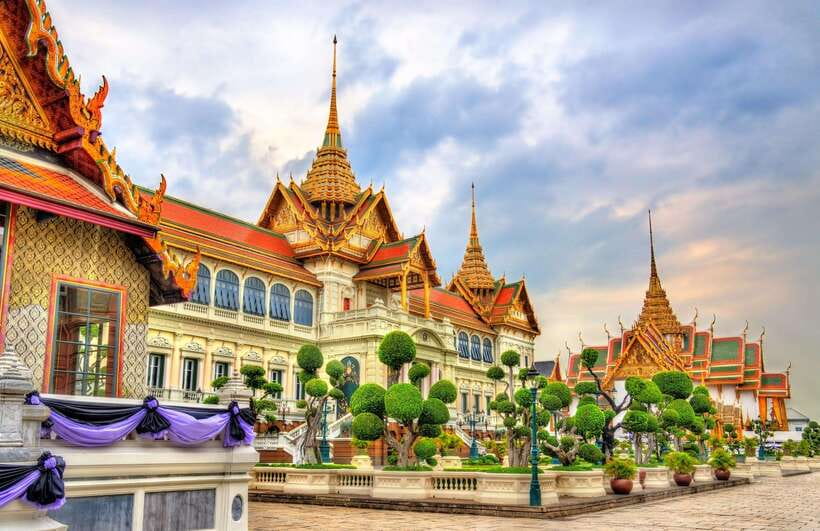
Bangkok’s grandest sights come packed into one focused outing: the royal compound, Thailand’s most sacred temple, the enormous Reclining Buddha, and Wat Arun beside the Chao Phraya River. I like the route because it combines royal Bangkok with working markets and local transport, rather than treating the temples as isolated photo stops. I also like that guide Meng is singled out as helpful, a useful sign for an experience built around explanation rather than simple sightseeing.
The main catch is cost. The $17 tour price does not include the admission fees, which add up to THB 1,000 if you visit all three paid sites. You also need covered shoulders and knees, comfortable shoes, cash, and enough energy for hot outdoor temple grounds.
Key points at a glance
- Wat Phra Kaew comes first: See the Emerald Buddha at Thailand’s most sacred Buddhist temple.
- The Grand Palace adds royal context: Learn how the compound served as the official residence of Thailand’s kings and remains a venue for state events.
- Wat Pho is more than a reclining statue: Look for marble inscriptions, medical illustrations, and the temple’s connection to traditional Thai massage.
- Wat Arun finishes the route: See its roughly 70-meter tower, decorated with colored glass and Chinese porcelain beside the Chao Phraya River.
- The route includes local Bangkok scenes: Pass the amulet market and Tha Thien Market on the way between major sights.
- Dress and mobility matter: You must cover shoulders and knees, remove shoes inside temple buildings, and manage uneven walking without wheelchair access.
Why this temple route works well for a first Bangkok visit
I like this tour because it gives you a clear introduction to Bangkok’s historic center without asking you to plan every ferry, market, and temple entrance yourself. The route begins at the front of Tha Chang ferry pier, next to the Grand Palace, and uses local transport to reach the first major stop.
That opening location puts you close to the old royal district. Along the way, you pass the amulet market, a long-established community market on Rattanakosin Island. It is a small but worthwhile detail. You get a glimpse of the religious life around the temples, where amulets are bought and sold, before entering the formal world of royal buildings and shrine courtyards.
The guide speaks English, and the tour includes drinking water. Guide Meng receives specific praise for being helpful, which matters here. The sites are visually strong, but their meaning is not always obvious from a quick look. A guide can explain why one temple is a national shrine, why a king rebuilt another, and how Thai religious and royal traditions overlap.
You should not expect a quiet or slow-paced private visit. This is a practical highlights tour through several major sites. Bangkok’s heat, crowds, stone surfaces, and repeated security or dress checks can make the day tiring. Still, for a first look at the city’s most important temples, the route covers a lot.
More Grand Palace and Wat Pho tours in Bangkok:
- Bangkok: Grand Palace, Wat Pho, and Wat Arun Guided Tour
★ 4.8 · 3,632 reviews - Bangkok: Grand Palace and Wat Phra Kaew Guided Walking Tour
★ 4.4 · 2,417 reviews - Bangkok: Grand Palace, Wat Pho, Wat Arun Sacred & Local Tour
★ 4.3 · 2,256 reviews
Entering Wat Phra Kaew and the Emerald Buddha
The first major stop is Wat Phra Kaew, officially called Wat Phra Si Rattana Satsadaram and commonly known as the Temple of the Emerald Buddha. It is regarded as the most sacred Buddhist temple in Thailand, so this is not just another ornate temple on a sightseeing list.
The focus is the Emerald Buddha, a small but highly revered image. The power of the place comes from its national and religious importance as much as from the object itself. Your guide can help you understand that you are entering a shrine tied closely to Thailand’s identity and royal tradition.
You can take photographs in the Royal Palace grounds and in the compounds of the Emerald Buddha Temple, but photography is not allowed inside the buildings. That rule is worth remembering before you lift your phone. You will also remove your shoes before entering temple buildings, so wear footwear that comes off easily.
The chapel is treated as a national shrine. Proper clothing is required: no bare shoulders, no bare knees, and no strapless-heel shoes. Do not count on a casual beach outfit working here. A hat, sunscreen, and light clothing that still covers your shoulders and knees will make the visit more comfortable and keep you within the rules.
Walking through the Grand Palace grounds
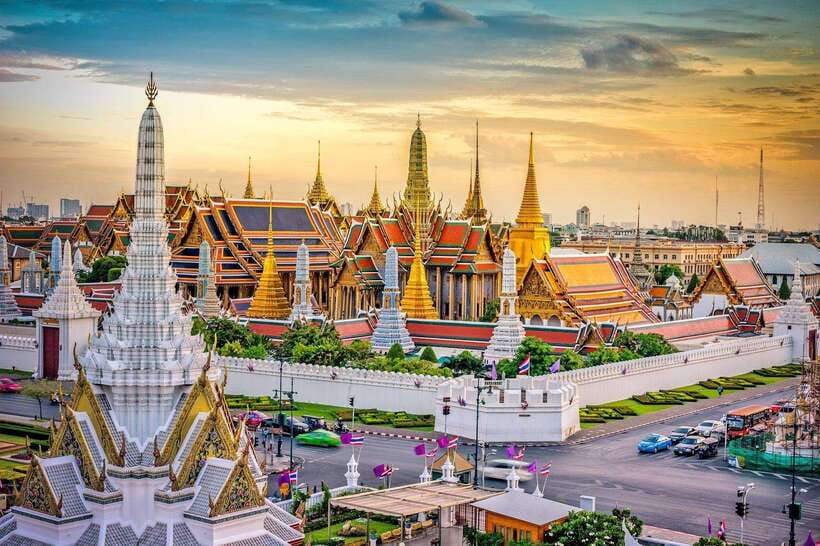
After Wat Phra Kaew, you explore the Grand Palace, the former official residence of Thailand’s kings. The palace is still used for official events, royal ceremonies, and state functions, so the compound remains part of the country’s working public life rather than being only a preserved historic site.
I find this pairing especially useful. The Emerald Buddha explains the religious importance of the royal center, while the Grand Palace explains its political role. Together, they show how closely monarchy, ceremony, and Buddhism have been linked in Thailand.
The palace grounds are also where you will see some of Bangkok’s most elaborate architecture. The tour description does not promise a particular palace building or ceremony during your visit, so keep your expectations sensible. You are there to explore the grounds, learn about the kings of Thailand, and understand the role the compound still plays today.
This is one of the places where a guide earns the fee. Without context, you may remember bright roofs, gilded details, and crowded courtyards but lose the larger story. With an explanation of the palace’s official purpose and royal connections, the visual details have a clearer place.
Restrooms are available, which is useful during a temple route in the heat. Even so, drink the supplied water and use breaks sensibly. The day involves outdoor walking, and the stone surfaces can hold heat.
Passing Tha Thien Market on the way to Wat Pho
After the Grand Palace, the route continues toward Wat Pho, passing Tha Thien Market. This is a cultural food market known for dried, salted seafood and wholesale products. It offers a more ordinary side of the neighborhood, a useful contrast to the carefully maintained royal grounds.
I like this transition because it keeps the tour connected to Bangkok’s daily life. You are not simply moving between famous monuments in a sealed sightseeing bubble. The market, ferry area, amulet stalls, and temple lanes help you see how commerce and worship share the same old district.
The wording for this experience indicates that Wat Pho is included if you select that option. Since the main route description presents the three temples together, check the exact option you are booking before you pay. That small check can prevent an unpleasant surprise, especially because Wat Pho has its own admission charge.
More guided palace visits in Bangkok:
- Grand Palace & Temples of Bangkok with experienced guide
★ 5.0 · 890 reviews - Bangkok: Grand Palace and Wat Arun Guided Walking Tour
★ 4.5 · 118 reviews - Grand Palace, Wat Pho, and Wat Arun: Guided Tour in Spanish
★ 4.5 · 57 reviews - Grand Palace & Wat Phra Kaew Walking Tour with Professional Guide
★ 5.0 · 47 reviews
Reading the story behind Wat Pho’s Reclining Buddha
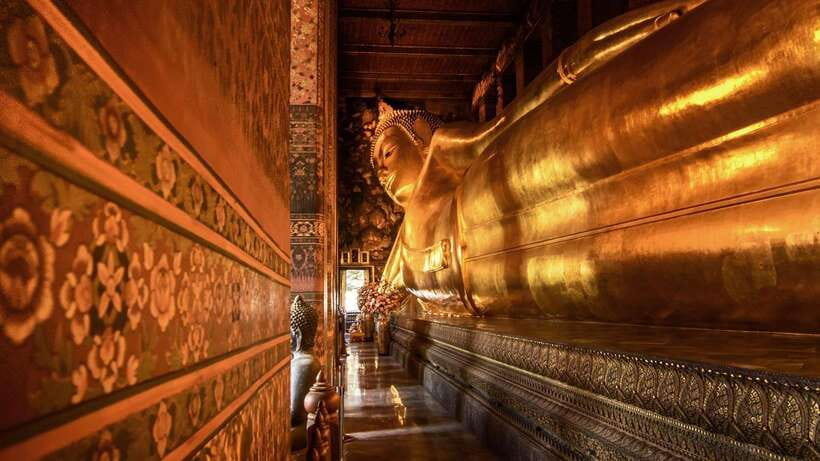
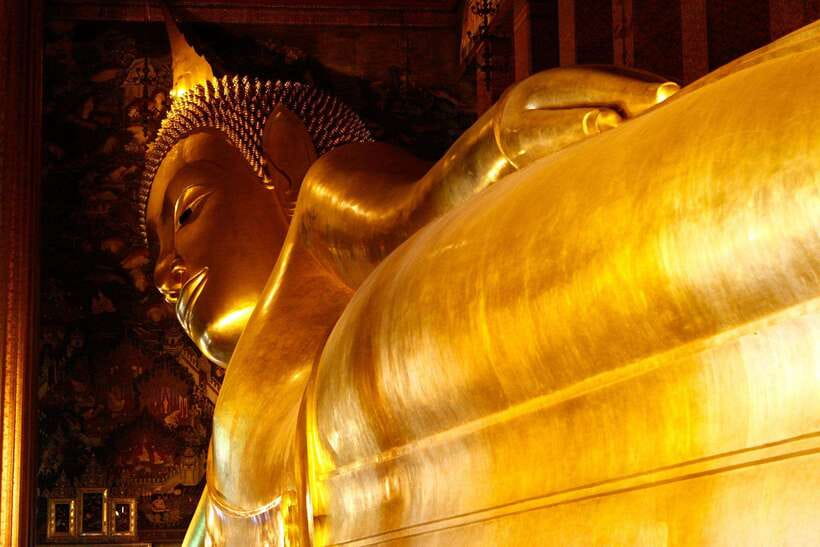
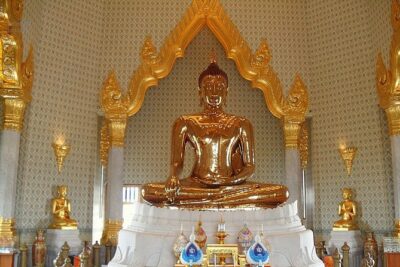
Wat Pho is commonly called the Temple of the Reclining Buddha. Its huge reclining image is the obvious draw, but I think the wider temple complex is what makes this stop valuable. You also learn about King Rama I, who rebuilt the complex on an earlier temple site and made it his main temple. Some of his ashes are enshrined there.
That detail gives Wat Pho a different character from the Grand Palace. Here, royal history is tied to rebuilding a religious center and preserving a place of worship. The temple is listed among Thailand’s six highest-grade first-class royal temples, which shows its importance within the country’s religious system.
Look for the marble illustrations and inscriptions around the complex. Wat Pho is regarded as an early center for public medical education, with information placed in the temple for people to study. Those inscriptions have been recognized by UNESCO’s Memory of the World Programme.
The site is also known as the birthplace of traditional Thai massage. Massage is still taught and practiced at the temple today. The tour description does not include a massage session, so think of this as cultural context rather than a treatment stop. You are learning why Wat Pho became linked with Thai medical knowledge and massage, not booking a spa appointment.
The temple’s layered story makes it worth paying for if you have chosen the Wat Pho option. You see a famous image, but you also get royal, educational, and medical history in one complex. The drawback is that this stop adds another large compound and more walking after the Grand Palace. If the heat is intense, take your time and use the available restroom facilities.
Crossing to Wat Arun, the Temple of Dawn
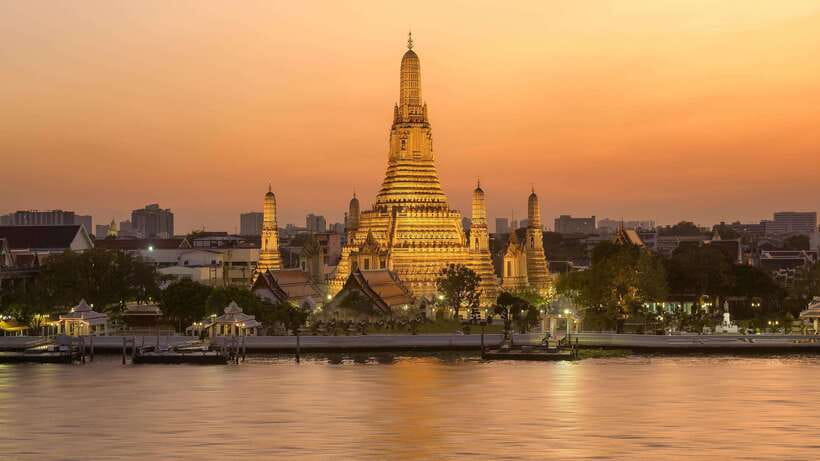
The final major stop is Wat Arun, known as the Temple of Dawn. Its tower rises roughly 70 meters beside the Chao Phraya River, making it one of Bangkok’s best-known landmarks.
Wat Arun’s surface is the detail to watch. The tower is decorated with tiny pieces of colored glass and Chinese porcelain. From a distance, the structure reads as a pale riverside monument. Up close, the decoration becomes the story, with small pieces creating patterns across the tower.
Ending here gives the tour a strong visual finish. The Grand Palace and Wat Phra Kaew feel formal and enclosed, Wat Pho feels scholarly and monumental, and Wat Arun opens toward the river. The change of setting helps the three temple visits feel distinct rather than repetitive.
You should still expect an active final stop. The tour is not suited to people with mobility impairments or wheelchair users, and the experience requires walking through temple compounds. Comfortable shoes are not optional advice here. Wear shoes that handle a full day of walking and can be removed respectfully when required.
The listed Wat Arun admission fee is THB 200. As with the other entrances, this is separate from the tour price. Cash is specifically recommended, so carry enough Thai baht for admission and personal expenses.
What the $17 price really covers
At $17 per person, the base price is low for a guided route through Bangkok’s most important sights. You are paying for a professional licensed guide, English-language support, drinking water, and help linking the temples by local transport. That is reasonable value if you want historical explanation and do not want to organize the route yourself.
The admissions change the calculation:
- Grand Palace and Wat Phra Kaew: THB 500
- Wat Pho: THB 300
- Wat Arun: THB 200
- Total listed admissions: THB 1,000
So the headline price is not your full sightseeing cost. You also need to cover personal expenses. I would treat the tour as a low-cost guided framework, not an all-inclusive temple ticket.
The value is strongest for a first visit, especially if you want a guide to explain royal history, religious customs, Wat Pho’s inscriptions, and the meaning of the major sites. It is less compelling if you already know Bangkok well and prefer to explore slowly on your own.
Dress, walking, and practical preparation
Plan your clothing before leaving your hotel. You need to cover your shoulders and knees, and strapless-heel shoes are not allowed at the national shrine. A loose shirt with sleeves, long trousers or a long skirt, sunscreen, and a hat will serve you well.
You will remove shoes before entering temple buildings. Choose footwear that is secure enough for walking but easy to slip off. Keep your socks in decent condition too, since your feet will be visible.
Bring cash. The entrance fees are listed separately, and cash is also useful for personal purchases around the markets. Drinking water is included, but Bangkok’s heat can still wear you down, so do not wait until you feel thirsty.
The tour ends back at the meeting point. Since the stated meeting point is in front of Tha Chang ferry pier beside the Grand Palace, you can plan your onward transport from there. The experience is not suitable for wheelchair users or people with mobility impairments, and no group size or tour duration is specified, so ask before booking if those details affect your plans.
Who should book this Bangkok temple tour
I would choose this tour if you want the major temples explained in one organized outing. It suits first-time visitors, short stays, and anyone who values a guide’s help with local transport, temple etiquette, and historical context.
It is also a good match if you want more than photographs. The amulet market, Tha Thien Market, Wat Pho’s marble inscriptions, and the connection between Wat Pho and traditional Thai massage add useful local detail.
I would hesitate if you need step-free access, dislike hot outdoor walking, or want a slow visit with long periods at each site. You should also confirm the Wat Pho option and budget the separate THB 1,000 in admission fees if you plan to enter all three sites.
FAQ
Where does the tour start?
The tour starts in front of the Tha Chang ferry pier, next to the Grand Palace.
Where does the activity end?
The activity ends back at the meeting point.
What languages are available?
The tour is conducted in English.
Are the entrance fees included?
No. The listed fees are THB 500 for the Grand Palace and Wat Phra Kaew, THB 300 for Wat Pho, and THB 200 for Wat Arun.
What clothing is required?
You must cover your shoulders and knees. Strapless-heel shoes are not allowed at the national shrine.
Can I take photographs inside the temples?
Photography is allowed in the Royal Palace grounds and in the compounds of the Emerald Buddha Temple, but not inside the buildings.
Is the tour suitable for wheelchair users?
No. The activity is not suitable for wheelchair users or people with mobility impairments.
Should you book it?
Book this tour if you want Bangkok’s royal and religious center explained in a single route, and if the added admission fees fit your budget. The strongest parts are the clear lineup of major sights, the local-market connections, and the chance to learn about Wat Pho as a center of medical education and Thai massage.
Skip it if you want a fully inclusive price, need accessible routes, or prefer to explore each temple at your own pace. For most first-time visitors who can manage the walking and dress requirements, the $17 guide fee is a sensible buy, as long as you remember that the temples cost extra.
Just added around Bangkok
- Bangkok Half Day Guided Tour: Grand Palace, Wat Arun & Wat Pho★ 5.0 · 4 reviews
- Morning Buddhist Almsgiving, Grand Palace and Flower Market Tour in Bangkok★ 3.5 · 9 reviews
- Royal Grand Palace And Wat Pho★ 5.0 · 6 reviews
- Bangkok Heritage Highlights: Grand Palace & Three Temples Tour★ 4.5 · 52 reviews
- Laem Chabang Port Shore Excursion : Grand Palace, WatPho, WatArun★ 4.5 · 8 reviews
- Shore Excursion Laem Chabang Port : Grand Palace & Famous Temples★ 4.0 · 6 reviews
- Private Tour to Grand Palace of Bangkok, Pho and Arun Temple★ 5.0 · 46 reviews
- Royal Palace Bangkok Entrance Ticket with Hotel Pick Up★ 4.5 · 6 reviews
Grand Palace and Wat Pho Tours, compared.
Grand Palace, Wat Pho, and Wat Arun Guided Tour
Read our review →
Grand Palace and Wat Phra Kaew Guided Walking Tour
Read our review →
Grand Palace, Wat Pho, Wat Arun Sacred & Local Tour
Read our review →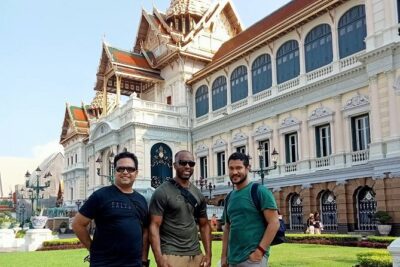
Grand Palace & Temples of Bangkok with experienced guide
Read our review →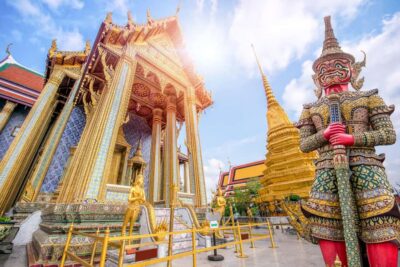
Grand Palace, Wat Pho, and Wat Arun Private Tour
Read our review →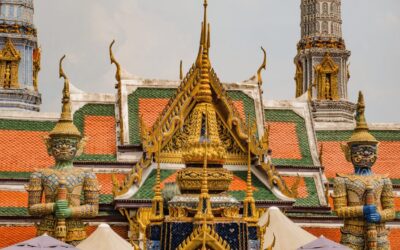
Bangkok City Highlights Tour: Grand Palace & Three Iconic Temples
Read our review →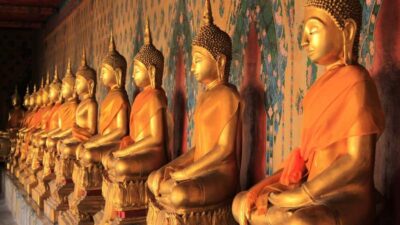
Browse the lists this tour appears in