

REVIEW · GERMANY PALACE TOURS
Bathers, doctors, pharmacists – a healing adventure tour through Ludwigsburg
Medicine in 1737 was part theater, part guesswork, and sometimes a very bad idea. On this 90-minute Ludwigsburg walking tour, Johanna Bader, a woman who dressed as a man to practice her grandfather’s trade, introduces you to bathers, pharmacists, herbalists, and charlatans while leading you through the old town.
I like the mix of odd medical facts and playful tasks, which gives you more to do than simply follow a guide. I also like the focus on Ludwigsburg’s streets and sights, so the tour connects local places with everyday life in the Baroque era. The main drawback is clear: the tour is in German and is not suitable for children under 16.
Key points
- A 1737 medical world: Learn how people handled toothaches, knee pain, coughs, hygiene, and other troubles before modern doctors.
- Johanna Bader’s unusual story: Follow a female character who wore men’s clothing to practice her grandfather’s profession.
- Interactive tasks: Expect to participate, solve mysteries, and face the playful threat of having a tooth pulled.
- Old-town setting: Walk past Ludwigsburg sights and selected historic locations rather than sitting indoors for a talk.
- Strong entertainment value: The German storytelling style earned a perfect 5 rating from three recorded reviews, including praise for its charm and appeal to teenage girls.
- Useful practical details: The tour costs $27 per person, lasts 1.5 hours, meets at Akademiehof, and is wheelchair accessible.
Ludwigsburg in 1737: when medicine was risky business
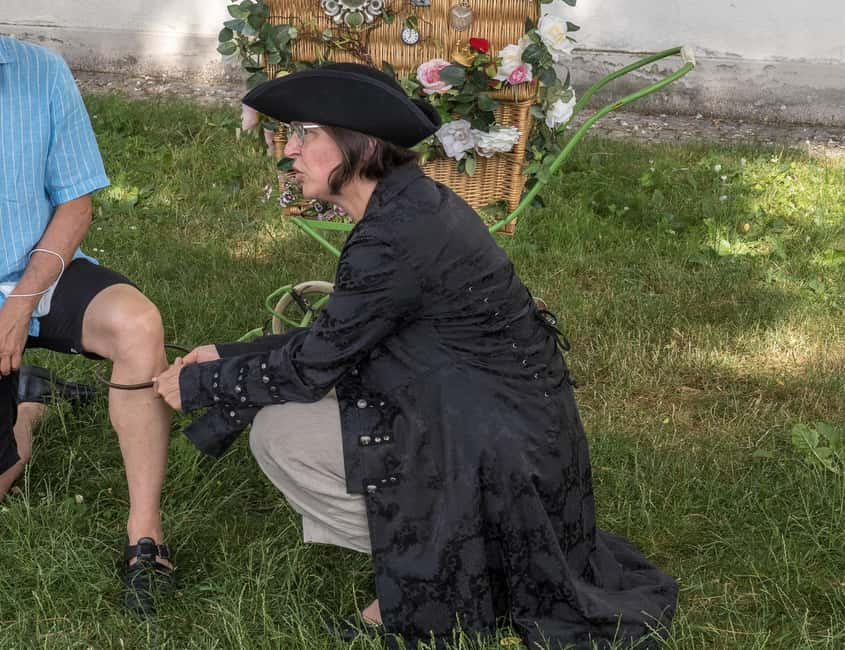
The tour takes you back to a time when medicine had no clear boundary between skilled treatment, folk remedies, salesmanship, and superstition. If your tooth festered, your knee hurt, or your cough would not leave, you had to choose among herbalists, bathers, pharmacists, and self-styled experts.
That uncertainty gives the experience its central spark. You are not simply hearing that Baroque medicine was primitive. You are asked to think through the choices people faced and to consider how useful, or harmful, a treatment might have been.
The setting matters. Ludwigsburg’s old town becomes part of the lesson, with the guide taking you to selected locations and past notable sights. You get a walking introduction to the city while hearing how ordinary health problems shaped daily life.
I would not treat this as a medical lecture. It is a character-led story walk, with humor, questions, and participation. The subject is historical, but the presentation aims to keep the mood light.
Other palaces people book in Germany:
- From Munich: Neuschwanstein & Linderhof Castle Full-Day Trip
★ 4.6 · 14,646 reviews - Neuschwanstein & Linderhof Castle-Fairytale Day Tour from Munich
★ 4.5 · 7,275 reviews - Premium Neuschwanstein Castle and Linderhof VIP Tour from Munich
★ 5.0 · 2,480 reviews
Johanna Bader brings the story to life
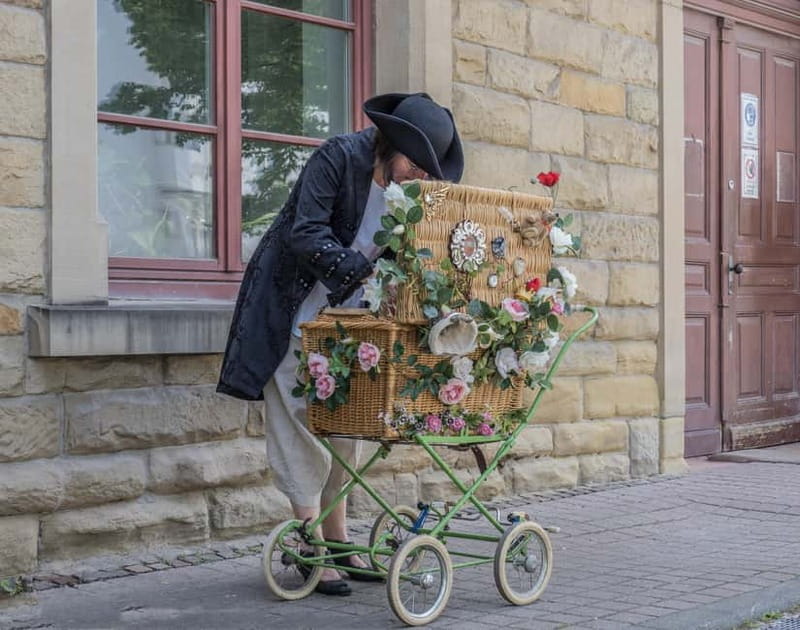
The tour centers on Johanna Bader, an 18th-century woman who slipped into men’s clothing so she could practice her grandfather’s profession. That detail immediately gives the experience a human angle.
Her story is not just a side note. It helps you see how social rules affected work, status, and access to a trade. The guide presents the past through her eyes, using her experiences to introduce medical practice and the odd collection of people who claimed to improve your health.
The available information does not give the name of the person playing Johanna Bader. You can expect a professional storyteller rather than a standard city guide reading dates from a script. That distinction matters. The tour depends on delivery, timing, and direct interaction.
Two German reviews from 2025 describe the presentation as charming and very entertaining. One praises the friendly manner and the amount learned during the walk. Another says the format worked especially well for teenage girls. That is useful guidance: the humor and role-play seem to be a major part of the appeal.
The walking route through Ludwigsburg’s old town
You meet at Akademiehof on Mathildenstraße. From there, the route leads through Ludwigsburg and past old-town sights, with stops at selected places connected to the story.
The exact stop-by-stop route is not specified, so you should not book this expecting a fixed list of famous buildings or a detailed architectural tour. The sights provide the backdrop. The main subject is medicine and health in the Baroque era.
That combination should suit you if you want a city walk with a clear theme. You will see parts of Ludwigsburg while following a narrative, rather than stopping for a long explanation of every building. If your priority is palace architecture, art, or a broad introduction to local history, a conventional city tour may serve you better.
The 1.5-hour duration is well judged for this format. It gives the storyteller enough time to develop the plot and include tasks without making the afternoon feel like a full-day commitment. Wear comfortable shoes, since the experience moves through the city on foot.
The tour is described as wheelchair accessible. Still, the experience takes place outdoors and moves between locations, so you may want to confirm current route details if you need specific mobility arrangements.
Tooth pulling, coughs, and the everyday problems of the past

The subjects are easy to picture because they begin with familiar complaints. A bad knee, a festering tooth, and a dry cough are not abstract historical topics. They are the kinds of problems that make people search for help, even when the available treatment is uncertain.
Dental care receives special attention. The tour uses the idea of pulling a tooth as a playful part of its interaction. You should expect this to be handled as storytelling and participation, not as real medical treatment, but the subject may still be too graphic or uncomfortable for some people.
Hygiene is another theme. The experience uses questions about cleanliness and health to show how different the Baroque era could be from modern life. It also covers orthopaedic problems and a range of curious remedies.
The most interesting point is not that old treatments sound strange to modern ears. It is that people at the time still had to make practical choices. Herbalists offered remedies. Bathers promoted their skills. Charlatans claimed results. Each person had to decide who to trust.
That makes the tour useful for anyone interested in the history of daily life. You learn less about grand medical discoveries and more about what a person might do when facing pain or illness in an age without today’s familiar medical system.
Same city, a very different set of state rooms:
- Potsdam: Palace Tour by Boat
★ 4.5 · 2,369 reviews - Potsdam: Sanssouci Palace and Prussian Palaces Entry Ticket
★ 4.5 · 2,101 reviews - Berlin: Charlottenburg Palace Entry Ticket
★ 4.4 · 2,076 reviews - Koblenz: Rhine Valley Castles and Palaces Boat Tour
★ 4.4 · 1,824 reviews
Participation gives the tour its bite
This is an interactive experience. You will be asked to solve tasks and take part in the story rather than simply listen from start to finish.
That format is especially useful in a subject that could otherwise become a list of strange cures. Tasks force you to make judgments, notice details, and connect the story to the places around you. The mysteries also give the walk a loose sense of purpose.
You should go in ready to respond. This is not the best choice if you prefer to remain quietly at the back of a group. The description makes clear that participation is central, including the playful reference to having a tooth pulled.
The activity seems aimed at older teenagers and adults. Children under 16 are not permitted, and that rule fits the subject matter and tone. The combination of medical discomfort, historical treatment, and interactive storytelling is better suited to an older audience.
The tour could work well for a small group of friends, couples, or families with older teenagers. It also gives a group something to discuss afterward because the remedies and claims are designed to provoke a reaction.
What the German-language format means for you
The live tour guide speaks German, and some content is shown in its original language. This is the single biggest booking consideration for many international visitors.
If you understand German well enough to follow quick explanations, humor, and questions, the original language should help the storytelling feel natural. If you know only a little German, you may miss the wordplay or the instructions for the interactive tasks.
The experience is not advertised as multilingual. You should not assume that the guide will provide an English explanation at each stop. Booking makes the most sense for German speakers or for visitors attending with someone who can translate, though constant translation could reduce the pace and fun of the activities.
The language also shapes the character of Johanna Bader. A professional storyteller can use tone and comic timing more fully in the language in which the tour was designed. That helps explain why the presentation receives such strong praise despite its narrow language range.
Is $27 a fair price?
At $27 per person, the experience costs more than a basic self-guided walk but less than many longer paid excursions. The price includes the guided city walk and the historical storytelling, with no separate admission listed for a museum or attraction.
I see the value in the combination. In 90 minutes, you get a themed introduction to Ludwigsburg, a live character, local sights, and interactive tasks. You are paying for the performance and structure as much as for the information.
The value drops if you do not speak German or if you want a detailed tour of specific buildings. In that case, much of what makes the experience special will be difficult to follow, and the city sightseeing element may feel secondary.
For a German-speaking visitor who likes unusual local stories, the price is reasonable. The subject is specific enough to feel different from a standard historic walk, while the short duration keeps the commitment manageable.
How the experience compares with a standard city tour
A regular city tour usually organizes the past around rulers, buildings, dates, and major events. This one organizes it around bodies, pain, work, and claims of healing.
That is its advantage. You get a view of history from the level of daily problems. A toothache could shape your day. A knee injury could affect your work. A cough could lead you to trust a remedy that did more harm than good.
The route through old-town streets also keeps the experience grounded. You are not hearing about Baroque medicine in a vacuum. You are walking through a city where people lived, worked, sought help, and listened to competing claims.
The tradeoff is that the tour may not provide much detailed architectural information. You will pass sights, but the medical story remains the main attraction. I would pair it with a separate city or palace visit if you want a fuller picture of Ludwigsburg.
Who should book this experience?
I would recommend it to you if you meet most of these conditions:
- You understand German.
- You are at least 16.
- You enjoy role-play, character storytelling, and audience participation.
- You want a city walk with an unusual subject.
- You are curious about hygiene, dental care, folk remedies, and medical work before modern doctors.
- You prefer a 90-minute activity rather than a long excursion.
It may not suit you if you want a quiet, factual walk with little interaction. It is also a weak choice if your main interest is architecture or if you need an English-language guide.
The perfect 5 rating from three recorded reviews is encouraging, especially because the comments praise two qualities that matter here: the guide’s charm and the entertainment value for teenagers. The sample is small, so I would not treat it as proof that every visitor will love the format. Still, it supports the idea that the storytelling, rather than the subject alone, is the reason to book.
Booking and practical details
The tour meets at Akademiehof on Mathildenstraße in Ludwigsburg. It lasts 1.5 hours, and starting times depend on availability.
You can cancel up to 24 hours before the activity for a full refund. A reserve-now, pay-later option is also available, which helps if your schedule is still changing.
The experience is wheelchair accessible. The tour is conducted in German, and some material appears in its original language. Children under 16 cannot join.
The provider is Märchenklang, a name that fits the theatrical, story-led approach. The experience includes the guided walk itself, with the route passing through Ludwigsburg and selected old-town locations.
Should you book the healing adventure tour?
Book it if you want an unusual look at Ludwigsburg and enjoy being part of the story. The best reason to go is the pairing of Baroque medical oddities with a live character, not a long list of sightseeing stops.
Skip it if you need English, dislike audience participation, or want a detailed tour of the city’s architecture. For German-speaking adults and older teenagers, $27 is a fair price for a short, lively walk that adds a strange and memorable angle to the city.
FAQ
Where does the tour meet?
The meeting point is Akademiehof on Mathildenstraße in Ludwigsburg.
How long does the tour last?
The tour lasts 1.5 hours.
What does the tour cost?
The listed price is $27 per person.
What language is the tour in?
The live tour guide speaks German. Some content is shown in its original language.
Is the tour suitable for children?
No. Children under 16 are not permitted to join.
Is the tour wheelchair accessible?
Yes, the experience is listed as wheelchair accessible.
What historical period does the tour cover?
The story takes you back to 1737 and explores medicine during the Baroque era.
What topics are discussed?
The tour covers hygiene, dental treatment, knee and other orthopaedic problems, coughs, herbal remedies, bathers, pharmacists, and charlatans.
Can I cancel the booking?
Yes. You can cancel up to 24 hours in advance for a full refund.
Just added around Germany
- Skip-the-line Charlottenburg Palace Private Tour & Transfers★ 5.0 · 6 reviews
- From Berlin: Potsdam Highlights & Sanssouci half day Walking Tour★ 4.5 · 60 reviews
- Private taxi tour to Potsdam and Sanssouci 6-8h★ 5.0 · 30 reviews
- Potsdam Palaces Private Tour -Sanssouci Palace entrance included!★ 5.0 · 3 reviews
- Potsdam: Private Walking Tour – Time for Palace Entries Included!★ 5.0 · 2 reviews
- Sanssouci & Postdam Private Tour from Berlin – English or Español★ 5.0 · 3 reviews
- Bamberg – Excursion to Seehof Palace★ 5.0 · 3 reviews
- The Tower Keeper of Ludwigsburg – a really cool city tour★ 5.0 · 3 reviews
Germany Palace Tours, compared.

Neuschwanstein & Linderhof Castle Full-Day Trip
Read our review →
Neuschwanstein & Linderhof Castle-Fairytale Day Tour from Munich
Read our review →
Premium Neuschwanstein Castle and Linderhof VIP Tour from Munich
Read our review →
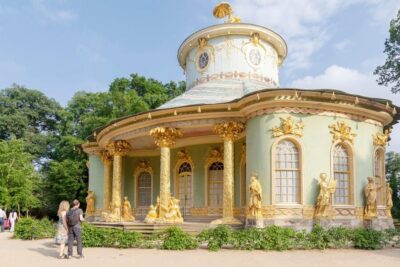
Potsdam: Sanssouci Palace and Prussian Palaces Entry Ticket
Read our review →

Koblenz: Rhine Valley Castles and Palaces Boat Tour
Read our review →
Neuschwanstein Castle and Linderhof Palace Day Trip from Munich
Read our review →Browse the lists this tour appears in