
REVIEW · ROYAL CASTLE TOURS
Budapest: The WWII Siege of Buda Castle & Bomb Shelter Tour
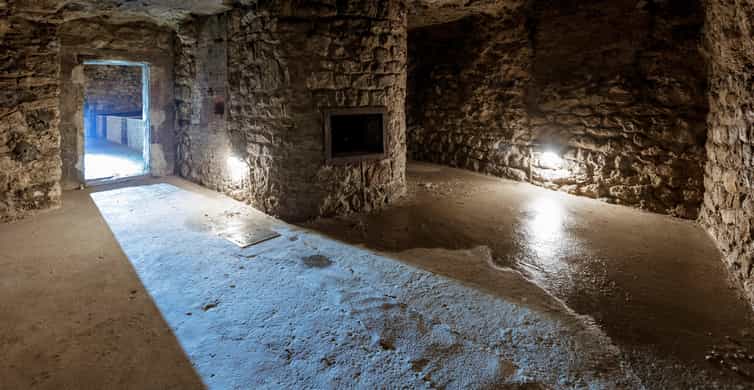
The most powerful part of this tour is not a grand palace room. It is the cramped underground world beneath Buda Castle, where civilians, wounded soldiers, and German and Hungarian troops sought shelter during the 52-day siege of Budapest. Diaries and memoirs give the caves a human voice, while the streets above reveal bullet holes and wartime traces.
I like two things here. First, the tour connects the visible Castle District with the hidden cellar and bomb shelter below it. Second, the guide keeps the story grounded in ordinary survival: cold, hunger, darkness, overcrowding, disease, and the desperate effort to protect people and palace treasures.
The main consideration is physical comfort. You will walk on cobbles, climb steep stairs, and pass through narrow corridors in places that can feel confining. The cave stays around 12°C (54°F) all year, so bring layers and solid shoes.
Key points to know before you book
- A 52-day siege takes center stage: The tour explains the Soviet encirclement of Budapest, which began on Christmas Eve 1944.
- The underground section is the heart of the visit: You enter the Buda Castle Cave, an old cellar, and an authentic Second World War bomb shelter.
- Guides add real personality: Rita, Jonas, Kopp, and Balazs have been praised for clear explanations, enthusiasm, and thoughtful answers.
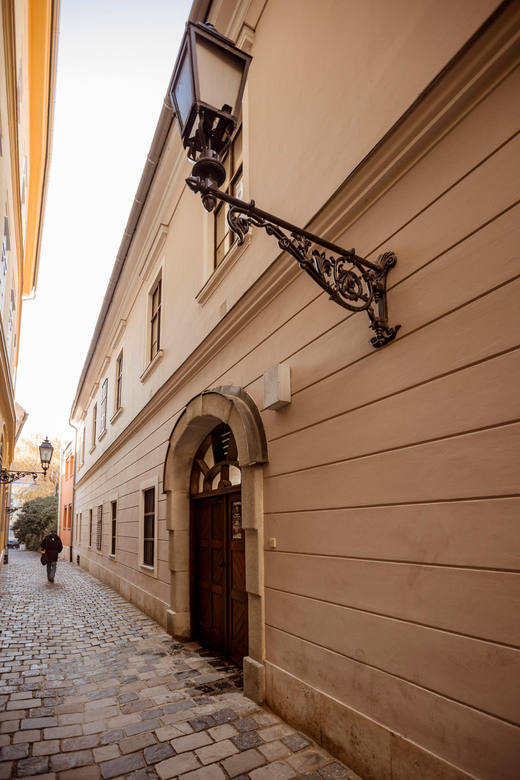
- The outdoor walk adds useful context: Look for bullet holes, hidden doorways, and ventilation shafts linked to public shelters.
- The route lasts 90 minutes: It is long enough to build a clear picture of the siege without taking half your day.
- The tour is best for ages 14 and up: Narrow corridors, darkness, stairs, and the subject matter make it unsuitable for young children or anyone with mobility limits.
Why the Siege of Budapest is worth understanding
Budapest’s Second World War story is often reduced to a few famous buildings or the damage seen on Castle Hill. This tour gives you a more direct sense of what the fighting meant for people trapped inside the city.
On Christmas Eve 1944, the Soviet Red Army encircled German-occupied Budapest. The siege lasted 52 days. Buda Castle became both a military position and a refuge for tens of thousands of people, including civilians, wounded men, and German and Hungarian soldiers.
That mixture matters. The caves were not used by one neat group with one shared purpose. People with very different loyalties and roles were pushed together underground by the same basic need to stay alive. Food and water ran short. The caves were cold, dark, packed, and vulnerable to disease.
The tour also places the siege beside Stalingrad, another brutal encirclement battle. You do not need a strong military background to follow the story. The focus stays on the physical conditions and on how people tried to preserve their lives, possessions, and pieces of the Royal Palace.
I find this approach more useful than a list of dates. Once you see the narrow spaces where people sheltered, the scale of the crisis becomes easier to grasp.
More Royal Castle Tours in Budapest
- Budapest: Buda Castle Cave Tour
★ 4.7 · 5,677 reviews - Budapest: Buda Castle Walk with Saint Stephen’s Hall
★ 4.5 · 3,012 reviews - Walking tour in the Buda Castle incl. Fisherman’s Bastion
★ 5.0 · 467 reviews
Meeting at Dísz Square
The tour begins at De la Motte B. Palace, also listed as De la Motte Beer-palota, at Dísz tér 15 in the Buda Castle District. Look next to the Posta building for the large green gate and a guide carrying a turquoise umbrella marked with the Buda Castle Walks logo.
This meeting point can be harder to spot when building work is under way, so allow extra time. The tour starts promptly and cannot wait for late arrivals. That matters on a short walking tour, since missing the opening explanation can make the rest of the story harder to follow.
Before setting out, check the Castle District visit planner if you are concerned about road closures or access changes. It provides current information for the palace area and works on both phones and desktop computers without registration.
The arrival point is Szentháromság tér, or Trinity Square. You therefore finish in a different part of Castle Hill rather than returning to the starting gate.
Walking Úri Street and Castle Hill
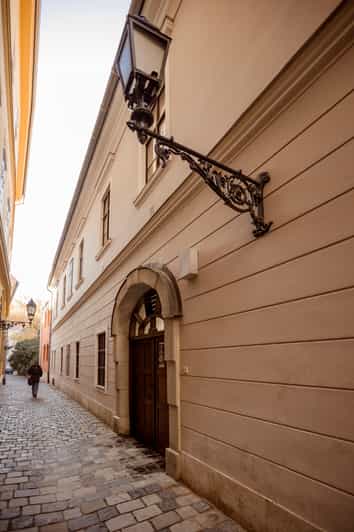
The first part takes place above ground around the historic residential quarter. The guide uses the streets and buildings to explain how the siege affected Buda Castle and to point out physical traces that can be easy to miss on your own.
Úri Street is especially useful as a setting because the tour does not treat the underground shelters as an isolated attraction. The homes, cellars, military positions, and public refuge spaces were part of one connected wartime environment.
You might see bullet holes, concealed doorways, and ventilation shafts that rose from public shelters below. These details are not presented as grand monuments. Their value is that they help you read the walls and streets differently after the tour.
The outdoor section also gives you a chance to ask questions before entering the tighter spaces. Guides have included Rita, Jonas, Kopp, and Balazs, and the strongest part of their work is the willingness to explain events before, during, and after the war. Kopp, in particular, has been praised for answering side questions about history, politics, and philosophy without losing the main thread.
English is the only listed tour language. Most of the experience depends on spoken explanation, and one guide’s pronunciation was occasionally difficult for a non-native English speaker to follow. Personal headphones have been used on some tours, which can help you hear in a group, but you should still expect a live walking talk rather than an audio guide.
Entering the Buda Castle Cave
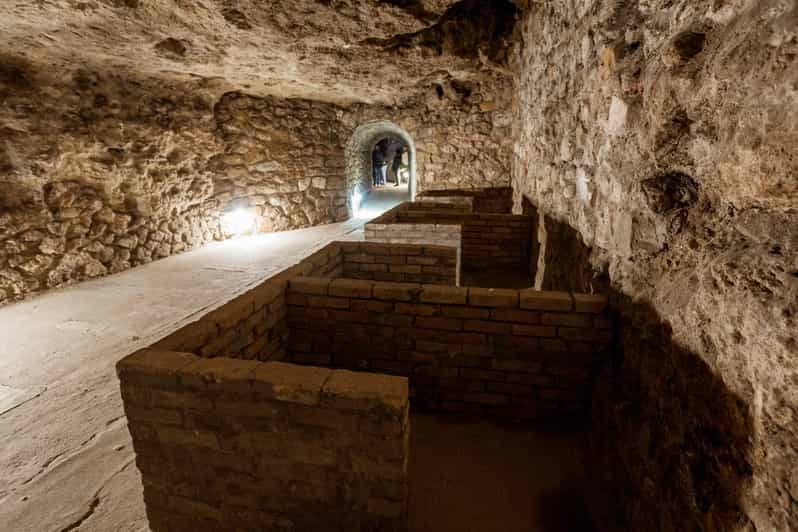
After the street walk, the group enters the Buda Castle Cave system for about 35 minutes. This is the part that gives the tour its strongest sense of place.
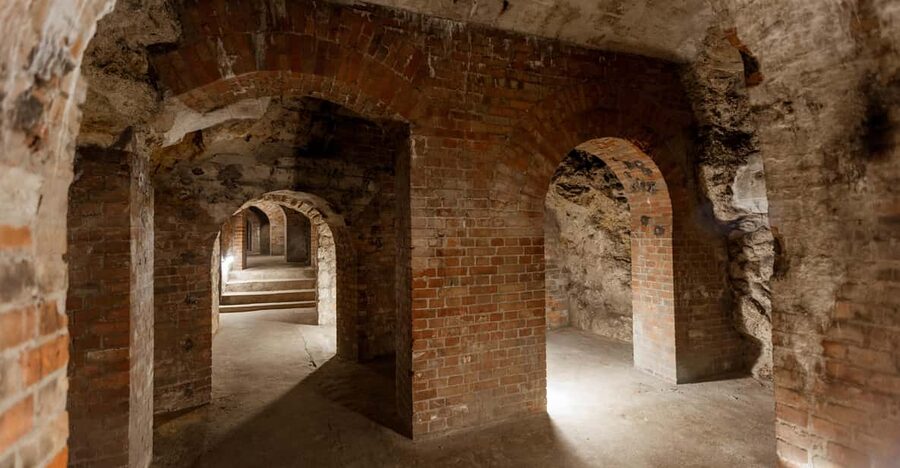
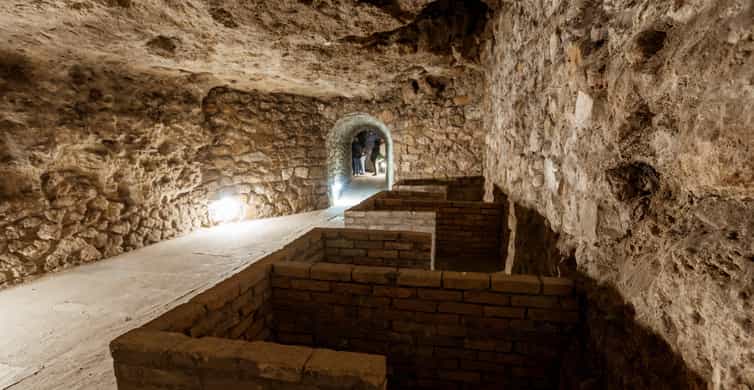
The caves and cellars beneath Castle Hill are not polished museum galleries. You move through dark but illuminated areas, narrow corridors, steep steps, and solid surfaces that may be wet. The route includes the cellar of an old dwelling house and an authentic Second World War bomb shelter.
That setting changes the tone. A photograph or lecture can explain that people were crowded underground, but a confined passage makes the lack of space more immediate. You begin to picture how difficult it would have been to share these areas while dealing with fear, illness, cold, thirst, and hunger.
The underground temperature is about 12°C throughout the year. Budapest may be warm above ground, yet the cellar and cave can feel chilly, especially if you are wearing light summer clothes. I would pack a thin sweater or jacket even in warm weather.
The caves can also feel claustrophobic. If you dislike narrow passages or enclosed rooms, the outdoor history walk may appeal to you more than the full programme. There is no practical way to avoid the underground portion, since it is the central feature of the tour.
More Royal Castle Tours in Hungary
- Buda Castle Tour: Fisherman’s bastion and hidden gems
★ 5.0 · 251 reviews - Buda Castle District Walk with Entry to Matthias Church
★ 5.0 · 170 reviews - Buda Castle Walking Tour: Fishermans Bastion – Royal Palace
★ 4.9 · 128 reviews - Buda Castle’s Secrets with a Historian
★ 5.0 · 108 reviews
What the shelter stories add
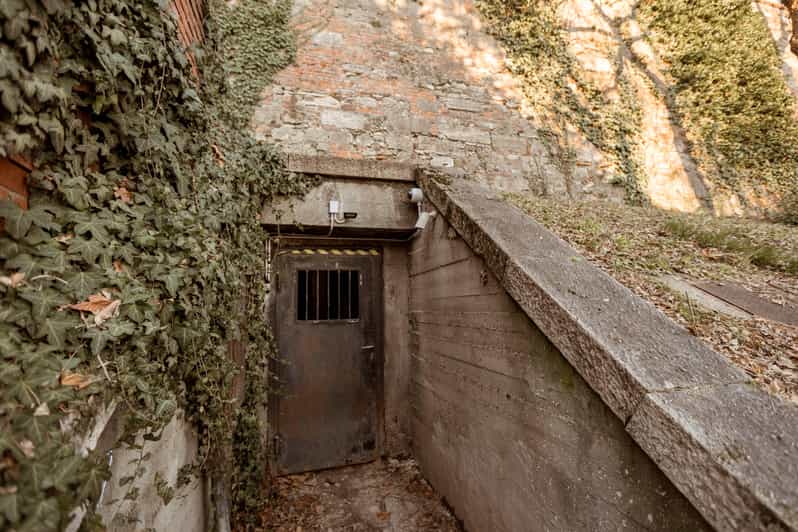
The guide uses diaries and memoirs to describe the siege. This gives the tour a personal scale without turning the subject into a simple battlefield account.
You hear about the ordinary problems that became life-threatening. Water was scarce. Food supplies dwindled. Darkness and overcrowding made basic care difficult. Disease spread, and the wounded needed help in spaces never designed for such a large population.
The story also includes attempts to save property and palace treasures. That detail adds another layer. People were not only trying to protect their bodies. They were also trying to preserve homes, belongings, and cultural objects while the city around them was being destroyed.
The tour does not offer an easy emotional experience. One guide’s presentation was described as difficult but worthwhile because the subject can be upsetting. That is fair warning. This is a sober history tour, not a light castle stroll with a few wartime anecdotes.
At the same time, the 90-minute length works well. You get enough context to understand the siege, enter the key underground spaces, and return to the streets without spending an entire day on one subject.
Leaving the caves and continuing along Lovas Way
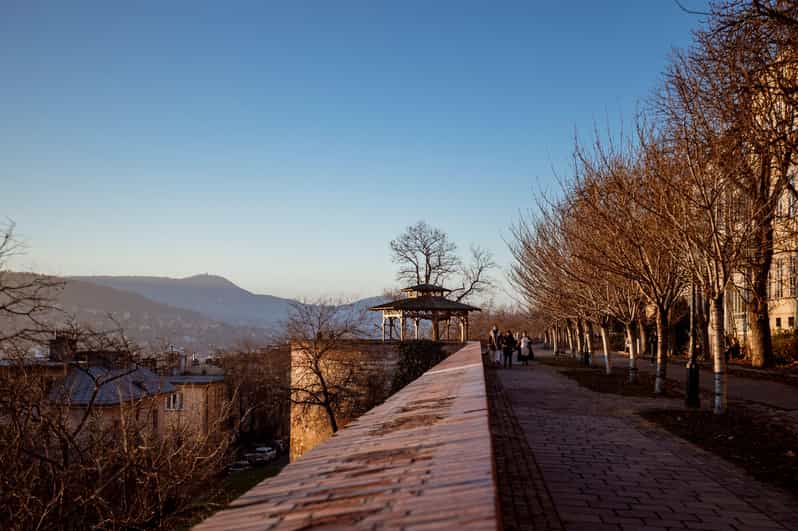
The route returns above ground and continues along Lovas Way before finishing at Szentháromság tér. This outdoor section helps you process what you have seen below.
The guide may point out more traces of the siege and explain how the underground shelters related to buildings and streets above. It is worth paying attention during this final stretch rather than treating it as a simple walk to the finish. The earlier cave visit makes small architectural details more meaningful.
The end near Trinity Square is useful if you plan to continue exploring the Castle District. You can carry on to other sights in the area, or pause to think over the story before moving on. Since the tour does not finish where it starts, keep your onward plans flexible.
Price, timing, and practical value
At $24 per person, this is a good-value history walk if you want more than a general introduction to Buda Castle. The price covers a live English tour above and below ground, with access to the Buda Castle Cave and an original bomb shelter.
The value comes from the combination. A street tour alone might show you the district but leave the siege at the level of dates and damaged facades. A cave visit without explanation could feel like a short underground walk. Here, the guide connects the two.
The tour lasts 1.5 hours, or 90 minutes. That makes it easy to fit into a day of sightseeing, but the subject is packed into a fairly brisk period. You will not get a full military history of the Second World War or every detail of Budapest’s wartime politics. You will get a focused account of the siege and what happened inside the Castle District.
Free cancellation is available up to 24 hours before the start time, and you can reserve while paying later. The tour runs in all weather, including rain, so bring clothing that works for both the outdoor walk and the cool underground rooms.
Wear comfortable walking shoes. Cobbles, stairs, narrow passages, and sometimes wet surfaces make sandals or smooth-soled shoes a poor choice. Bring water and a snack, especially if you are placing the tour between other Castle Hill visits.
Who will enjoy this tour most
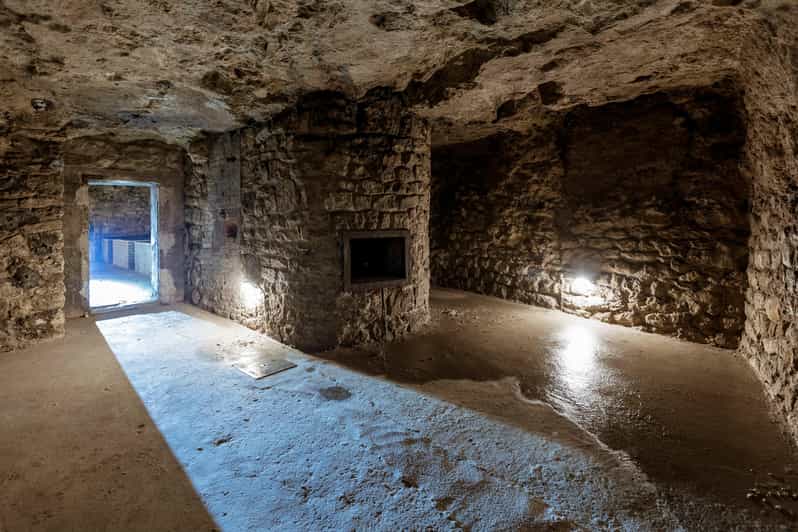
I would recommend this experience to anyone with a serious interest in Budapest during the Second World War, urban history, military history, or the daily lives of civilians during war.
It is also a strong choice if you have already seen the main Castle District sights and want a different angle. The tour takes you away from grand views and palace architecture and into the less polished spaces beneath the neighborhood.
Older teenagers can take part, and the recommended minimum age is 14. The emotional subject matter, stairs, and enclosed areas make it a poor fit for younger children.
You should skip it if you use a wheelchair or have significant mobility difficulties. The route is not suitable for wheelchair users, and the steep stairs and narrow corridors would be hard to manage. It is also not a good choice if enclosed spaces cause serious anxiety.
Group size can affect how easy it is to hear and ask questions. Small groups have been especially comfortable, and some departures have effectively become private tours when only one person or one couple booked. That cannot be guaranteed, but it is a pleasant possibility outside busy periods.
Is the Buda Castle siege tour worth booking?
Book it if you want to understand what happened to the people inside Buda Castle, not just admire the district from above. The original shelter, cool cellar, narrow cave passages, survivor-based stories, and wartime traces on the streets create a clear connection between place and history.
I would not choose it as a casual family activity or if you want a relaxed sightseeing walk. The route is physical, the subject is grim, and the underground spaces may feel tight. For the right audience, though, $24 buys a focused and memorable 90 minutes, with guides such as Rita, Jonas, Kopp, and Balazs adding depth to a part of Budapest that many visitors miss.
FAQ
How long does the tour last?
The tour lasts 90 minutes, or 1.5 hours.
What language is the tour conducted in?
The tour is conducted in English with a live guide.
Where does the tour begin?
It begins at De la Motte B. Palace, also called De la Motte Beer-palota, at Dísz tér 15 in Budapest’s Buda Castle District.
How do I find the meeting point?
Go next to the Posta building and look for the large green gate. The guide or tour representative carries a turquoise umbrella with the Buda Castle Walks logo.
Where does the tour finish?
The tour finishes at Szentháromság tér, or Trinity Square.
Does the tour include the Buda Castle Cave?
Yes. The guided visit includes the Buda Castle Cave, its underground passages, a cellar in an old dwelling house, and an authentic Second World War bomb shelter.
Is the tour suitable for children?
The tour is recommended for ages 14 and up. Children under 14 are not considered suitable for this activity.
Is the tour suitable for people with mobility impairments?
No. The route includes cobbled streets, steep stairs, narrow corridors, and solid surfaces that may be wet. It is not suitable for wheelchair users or people with mobility challenges.
What should I wear and bring?
Wear comfortable walking shoes and warm clothing in layers. The underground areas stay around 12°C, or 54°F, throughout the year. Water and snacks are also recommended.
Can I cancel the tour if my plans change?
Yes. You can cancel up to 24 hours in advance for a full refund. You can also reserve now and pay later.
Just added around Budapest
- Sisi’s Royal Palace Tour with Hotel pickup & Cake in Palace Café★ 5.0 · 5 reviews
- Buda Castle Walking Tour with Audioguide on Your Smartphone★ 4.0 · 24 reviews
- Legacy of Sissi Royal Palace of Godollo Tour with Cake and Coffee★ 4.5 · 7 reviews
- Sisi’s Godollo Palace Tour from Budapest★ 4.0 · 56 reviews
- Private Buda Castle Walking Tour with Cake and Matthias Church★ 5.0 · 40 reviews
- Gödöllő – Half-Day Private Tour to the Royal Palace★ 5.0 · 5 reviews
- Private Buda Castle Walk with Entry to Matthias Church★ 4.5 · 8 reviews
- Palace District Evening Culinary, Wine, and History Walk★ 5.0 · 55 reviews
Royal Castle Tours, compared.
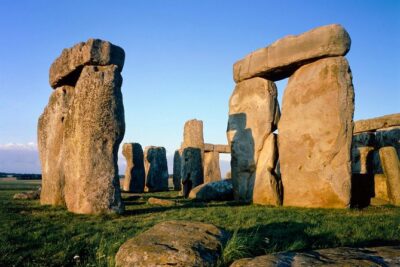
Stonehenge, Windsor Castle, and Bath from London
Read our review →
Dracula’s Castle, Peles Castle, & Brasov Old Town
Read our review →
Neuschwanstein & Linderhof Castle Full-Day Trip
Read our review →
Dracula Castle, Peles Castle & Brasov Old Town
Read our review →
Prague Castle 2.5-Hour Tour Including Admission Ticket
Read our review →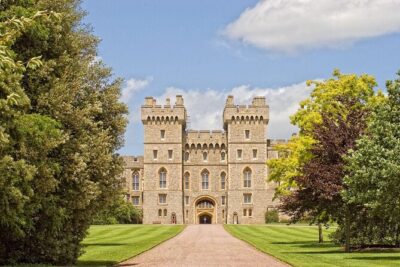
Stonehenge, Windsor Castle and Bath with Pub Lunch in Lacock
Read our review →
Neuschwanstein & Linderhof Castle-Fairytale Day Tour from Munich
Read our review →
Browse the lists this tour appears in