
REVIEW · FOOD & DRINK
Dijon: La Cave du Palais Burgundy Wine Tasting Experience
La Cave du Palais gives you something a vineyard tour cannot: a focused lesson in Burgundy wine inside an ancient vaulted cellar in central Dijon. In 90 minutes, you taste six wines while learning why two bottles from nearby villages can taste so different.
I like the small group, limited to eight people, because it leaves room for questions and conversation. I also like the range of bottles, from regional appellations to Grand Cru, which lets you taste Burgundy’s hierarchy instead of hearing about it in the abstract.
The main drawback is simple: this is a cellar tasting, not a visit to the vineyards. You will not walk through vines or meet a grower, and the experience is for adults only.
What makes this Dijon tasting worth your time
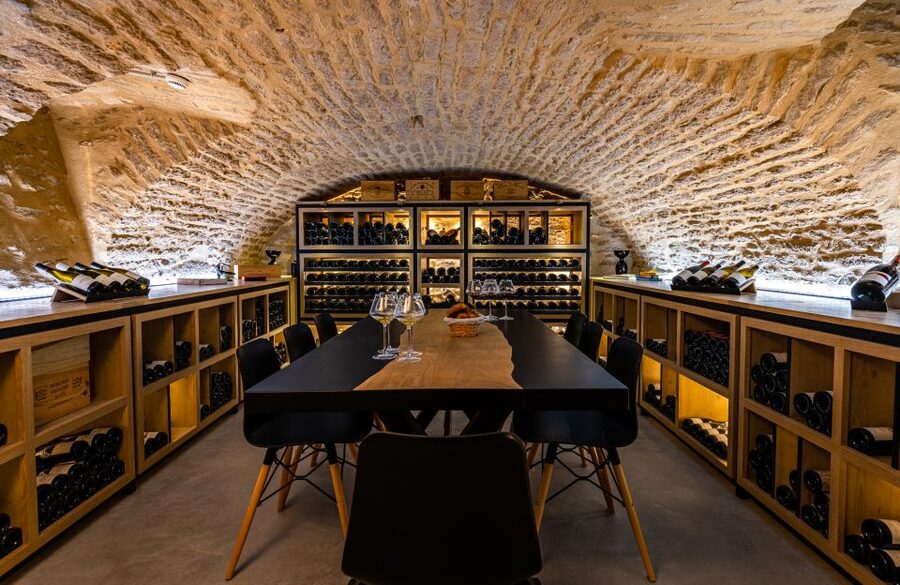
- A 15th-century-style cellar setting: Taste in the original underground cellar space at the Hotel du Palais, not in a generic shop or crowded bar.
- Six wines across Burgundy: The lineup includes red and white wines, with past tastings often presenting three of each.
- A clear lesson in appellations: You learn how regional, village, Premier Cru, and Grand Cru labels relate to place and quality.
- Small groups of eight or fewer: A compact group gives the guide time to answer questions and adjust the discussion.
- French and English commentary: The activity is offered in both languages, and past guides have also handled mixed-language groups.
- A practical Dijon location: La Cave du Palais is about a five-minute walk from Place de la République, so you do not need a car.
Entering La Cave du Palais in central Dijon
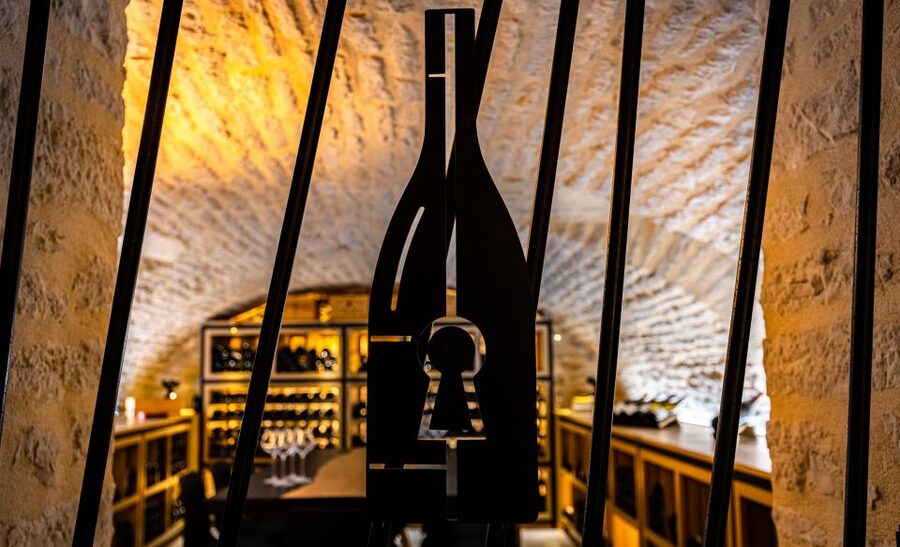
The tasting takes place at La Cave du Palais, inside the Hotel du Palais. From Place de la République, you can reach it on foot in about five minutes. That central location matters because Burgundy’s famous vineyards are outside Dijon, while this experience lets you get a useful introduction without hiring a car or giving up half a day.
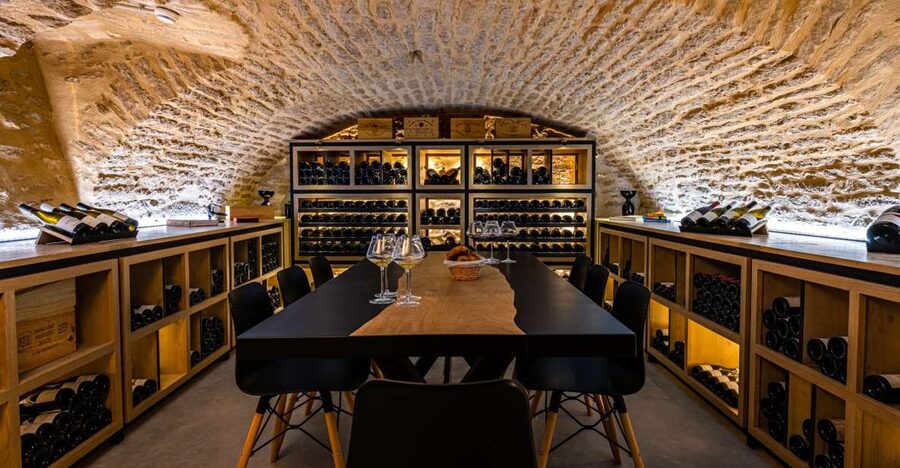
The cellar is a major part of the appeal. It is an old, vaulted underground space with a cozy, historic feel. The setting gives the tasting a sense of place before the first glass is poured. You are not simply sitting at a table in a bright retail room and sampling bottles. You are learning about Burgundy in a space tied to the city’s older wine culture.
The cellar is also compact, which suits the format. This is not a large production with a microphone and a fixed script. The usual group limit is eight participants, though some sessions may be smaller. A group of two, five, or six gives the guide room to ask what you already know and explain the wines at a useful level.
I would book this early in your Dijon stay if you can. It gives you a better vocabulary for ordering wine with dinner and may help you spot bottles you want to seek out later in Burgundy. It also works well on a day when the weather is poor, since the whole activity takes place indoors.
More palace and wine days in France:
- Porto: Pink Palace: The Eccentric World of Rosé Wine
★ 4.6 · 506 reviews - From Lisbon: Sintra, Pena Palace & Wine Tasting Small-Group Tour
★ 5.0 · 252 reviews - Lisbon: Sintra Private Day Trip with Pena Palace & Wine Tasting
★ 5.0 · 226 reviews
Six wines that explain Burgundy better than a map
The tasting includes six wines from Burgundy, with examples ranging from regional appellations to Grand Cru. The exact bottles can vary, so you should not expect a fixed menu every time. That flexibility is normal in wine tasting, and it may let the host respond to current stock or the character of a particular vintage.
Past sessions have included three red wines and three white wines. That balance gives you a useful look at Burgundy’s two major styles. You can compare the wines side by side rather than trying to remember a single glass from dinner the night before.
The regional-to-Grand Cru range is especially useful for first-time Burgundy drinkers. Burgundy labels can seem confusing because the name on the bottle may refer to a broad region, a village, a Premier Cru plot, or a Grand Cru site. The tasting gives you a chance to understand those terms through taste.
You may notice that the most expensive or highest-ranked wine is not automatically your personal favorite. That is part of the lesson. Classification reflects the reputation and location of a vineyard, but your own taste still matters. A regional wine may feel fresher or easier to drink, while a more highly classified wine may show greater detail, structure, or length.
The experience is not built around extra pours. Six tastings are included, while additional tastings cost extra. For most people, six glasses are enough for a serious 90-minute session. If you want a long, leisurely afternoon with many more wines, you should choose a larger tasting elsewhere.
Why climates, soil, and aging matter
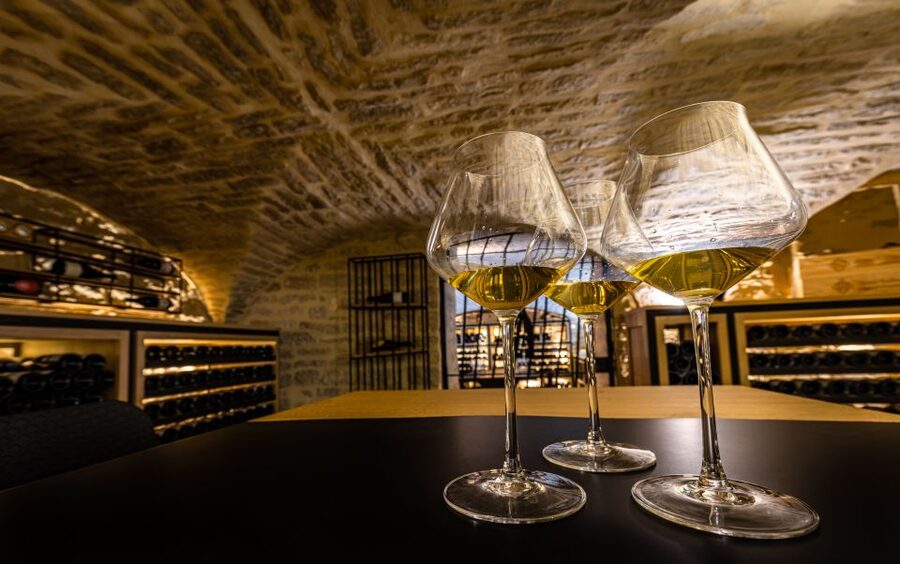
The most valuable part of the experience is the explanation between pours. Burgundy is famous for the idea that a wine reflects its exact place, often called its climate. In this context, climate means a defined vineyard site, not simply the weather.
Your guide explains how geography, soil, exposure, and vineyard location can affect the grapes. The lesson helps connect the map to the glass. A wine from one village may taste different from a wine made with the same grape in a nearby area because the growing conditions and site classification change.
You also learn why the year on the bottle matters. Weather conditions during the growing season affect ripeness, acidity, concentration, and balance. The guide discusses how the age of a bottle changes its character as well. That makes the tasting more than a sequence of unrelated samples.
This is where the side-by-side format earns its price. It is hard to understand appellations from a printed chart. It is easier when you taste one wine, hear what to look for, then compare it with another bottle from a different place or classification.
The sessions are intended to be conversational rather than stiff. Guides such as Antoine, Leo, Robin, Prune, and Sebastian have led different tastings, and the style can vary by person. The strongest sessions have been described as relaxed, humorous, and open to questions, with explanations that do not get trapped in technical winemaking terms.
That approach suits beginners. You do not need to know the difference between a village wine and a Grand Cru before arriving. You also do not need to pretend you smell twenty different fruits in every glass. Ask what you want to know, taste at your own pace, and use the discussion to build your own preferences.
How the 90 minutes usually unfold
The activity starts with an introduction to Burgundy and the cellar. Your guide sets the regional context and explains how the tasting will work. This opening is useful because Burgundy is not one single wine style. Its bottles are tied closely to location, grape variety, classification, and vintage.
The first pours usually establish a baseline. A regional wine can show the broad character of Burgundy without the price or complexity associated with famous vineyard names. From there, the tasting moves through more specific appellations and higher classifications.
As you taste, the guide explains what makes each bottle different. You may discuss the village, the vineyard site, the vintage, and the way aging affects the finished wine. The key benefit is the order of the tasting: each glass becomes a reference point for the next.
There is time for questions throughout. Past sessions have included detailed discussions about terroir, regional borders, classification systems, and production. The small group makes it easier to ask for a term to be repeated or to compare your impressions with someone else’s.
At the end, you have a clearer sense of what you like and why. There is no requirement to buy wine. Some people choose a bottle after tasting, and the cellar may offer a chance to purchase one, but the tasting does not depend on making a sale.
Allow the full 90 minutes. This is not a quick flight of samples that you can finish in half an hour. The conversation is part of what you are paying for, and rushing would weaken the main benefit.
A few more palace visits around France worth a look
- Versailles: Local & small-group Farmers’ Market Food Tour
★ 5.0 · 3 reviews - The Only Locally Owned Non-Touristy Food Tour by Spade & Palacio
★ 5.0 · 701 reviews - Edinburgh: Holyrood Distillery Whisky and Gin Tour & Tasting
★ 5.0 · 533 reviews - Seoul Night Palace & Market Food Tour with Vehicle
★ 5.0 · 275 reviews
The guides make the difference
The guide is central to this experience. The names listed for past sessions include Antoine, Leo, Robin, Prune, Rafael, and Sebastian. Your guide may be someone else, but the activity is designed around live commentary rather than an audio recording.
The strongest guides combine wine expertise with patience. Leo has been praised for handling detailed questions, including questions from people who already work in the wine industry. Antoine has led sessions described as informal and good-humored, with plenty of room for discussion. Prune has also provided local dining suggestions, which can be helpful if you want a traditional Dijon meal after the tasting.
Language should not be a major concern for English speakers. The activity is offered in French and English, and the guides have handled mixed French and English groups. One session also accommodated English, French, and Spanish. Still, language ability can vary by guide, so you should confirm your preferred language when booking if that matters to you.
I would not expect every session to feel identical. One guide may focus more on classification, another on soil and geography, and another on food pairing or local stories. That variation can be a strength, but it also means the experience depends partly on who leads your group.
Is $64 a fair price?
At $64 per person, the tasting is not the cheapest way to drink wine in Dijon. You could buy a bottle for less and open it with dinner. That comparison misses the point, though. Here you are paying for six wines, a historic cellar, and 90 minutes of instruction from a local wine professional.
The range of appellations makes the price easier to justify. A tasting that includes regional examples and Grand Cru gives you access to bottles you might not want to buy individually, especially if you are still learning what you enjoy. You are also paying to understand the label, not only to consume the wine.
The value is strongest if you are new to Burgundy, planning to visit the vineyards later, or serious about French wine. The tasting gives you a framework that can make later purchases more sensible. You may also leave with a bottle selected with more confidence.
The value is weaker if you already know Burgundy well and mainly want a large number of pours. Six wines in 90 minutes is a measured tasting, not a drinking session. People looking for a vineyard walk, a producer visit, or a full-day wine excursion should choose a different format.
Who should book this experience?
I would recommend it to first-time visitors to Dijon who want an introduction before exploring Burgundy. It is also a strong choice for couples, solo visitors, and small groups who prefer conversation over a large organized tour.
Wine students and experienced drinkers can get something from it too, especially if they ask specific questions. Past sessions have worked well for people from the wine trade because the guides can discuss Burgundy in more detail when the group wants that.
The experience suits an afternoon or early evening in Dijon. It can be a good first-night activity because the central location is easy to reach and the new information helps you make sense of wine lists during the rest of your stay.
You should skip it if you are pregnant, under 18, or looking for a family activity. Children under 18 are not allowed, and the tasting is not suitable for pregnant participants. Wheelchair users should also note that the activity is not suitable for them, so check access needs before booking.
Pets are not allowed. That is a small point, but it matters if you are traveling with an animal and planning your day around it.
Practical details before you reserve
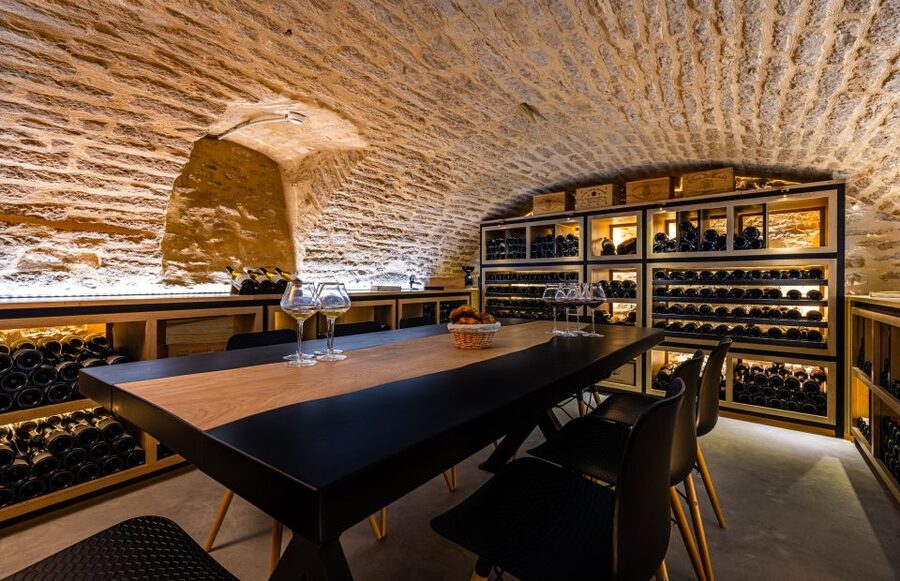
The meeting point is La Cave du Palais at the Hotel du Palais, about a five-minute walk from Place de la République in Dijon city center. No car is needed.
The experience lasts 90 minutes, with starting times depending on availability. French and English are offered, and the group is limited to eight participants. The price is $64 per person and includes six tastings plus live commentary.
You must be at least 18 years old. You can cancel up to 24 hours ahead for a full refund, and the reserve-now, pay-later option lets you hold a place without paying immediately. Those terms are useful when your Burgundy plans are still shifting.
Dress for a cellar rather than a formal restaurant. The provided information does not give a temperature or dress code, but an underground vaulted room may feel different from the street outside. Comfortable clothing and shoes are sensible, particularly if you are walking through central Dijon before or after the tasting.
Should you book La Cave du Palais?
Book it if you want to understand Burgundy rather than simply drink Burgundy. The combination of six varied wines, a compact group, live French or English commentary, and an atmospheric central cellar gives you a useful introduction in a short amount of time.
I would choose this over a standard bar tasting if you have only one afternoon in Dijon. I would not choose it as a replacement for a vineyard tour if your main goal is to see vines, estates, and producers in the countryside.
For most visitors, the best reason to book is the comparison between appellations. You taste the difference, ask questions while the impression is fresh, and leave with a better sense of what to order or buy. At $64, that is solid value for a focused Burgundy lesson, especially for anyone who wants more than a pretty cellar and a few unconnected glasses.
FAQ
Where does the Dijon wine tasting take place?
It takes place at La Cave du Palais, located in the Hotel du Palais in central Dijon. The cellar is about a five-minute walk from Place de la République.
How long does the wine tasting last?
The experience lasts 90 minutes.
How many wines are included?
Six wine tastings are included. The selection can range from regional appellations to Grand Cru bottles.
Is the activity offered in English?
Yes. The host or greeter speaks French and English, and the experience is offered in both languages.
How many people are in the group?
The group is limited to eight participants, making this a small-group activity.
Can children attend the tasting?
No. Participants must be over 18, and children under 18 are not allowed.
Can I cancel my booking?
Yes. You can cancel up to 24 hours in advance for a full refund. A reserve-now, pay-later option is also available.
Just added around France
- Palace of Versailles Guided Afternoon Tour from Paris★ 4.1 · 85 reviews
- From Paris: Versailles Full-Day Guided Tour with Lunch★ 4.9 · 48 reviews
- Private Trip Giverny Versailles Trianon from Paris★ 4.9 · 6 reviews
- Private Versailles Bike Tour★ 4.4 · 7 reviews
- Private Versailles, Gardens, Trianon from Paris by Mercedes★ 4.4 · 20 reviews
- Private Fontainebleau, Versailles, Trianon from Paris★ 5.0 · 5 reviews
- From Paris: Private Versailles Half-Day Private Tour★ 4.6 · 4 reviews
- Petit Palais Paris Museum of Fine Arts Tour with Tickets★ 4.2 · 3 reviews
Food & Drink, compared.
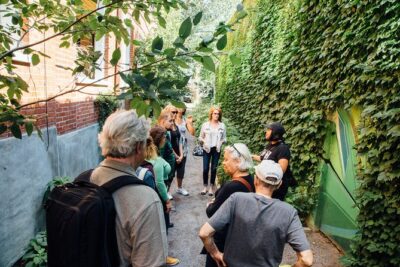
The Only Locally Owned Non-Touristy Food Tour by Spade & Palacio
Read our review →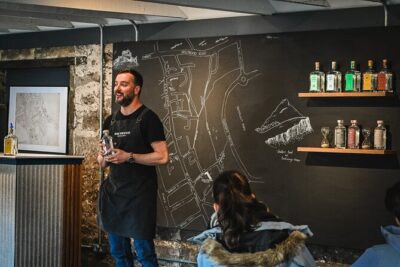
Holyrood Distillery Whisky and Gin Tour & Tasting
Read our review →
Seoul Night Palace & Market Food Tour with Vehicle
Read our review →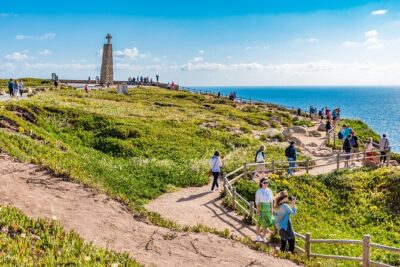
Sintra, Pena Palace & Wine Tasting Small-Group Tour
Read our review →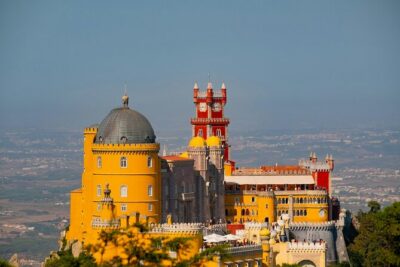
Sintra Private Day Trip with Pena Palace & Wine Tasting
Read our review →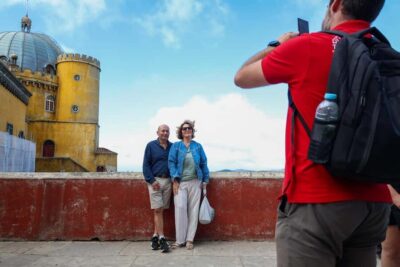
Sintra, Pena Palace & Wine Tasting Small-Group Tour
Read our review →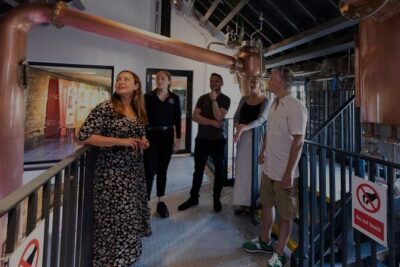
Holyrood Distillery ‘Journey to Whisky’ Tour & Tasting
Read our review →
From Parma: Parmigiano Reggiano Farm Tour & Tasting with Transfer
Read our review →Browse the lists this tour appears in