REVIEW · SPAIN PALACE TOURS
From Madrid: El Escorial, Valley of the Fallen, & City Tour
The most striking part of this outing is the contrast between El Escorial, a vast royal monastery built by Philip II, and the Valley of the Fallen, a solemn memorial tied to the Spanish Civil War and Francisco Franco. In five hours, you move from royal power and Renaissance design to one of Spain’s most difficult modern chapters.
I like the private vehicle with hotel pickup, which saves you from arranging transport outside Madrid, and I like having a live guide to explain the Civil War rather than simply walking through a large monument alone. The drawback is time: five hours is efficient, but the two major sites plus a Madrid drive leave little room to linger.
Key points to know before you book
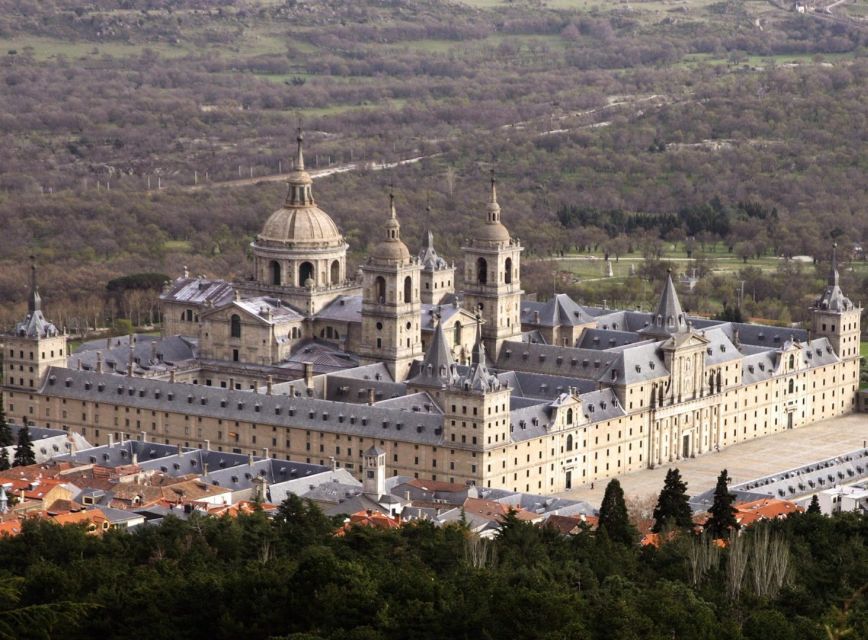
- El Escorial combines several buildings in one stop: monastery, royal palace, hospital, pantheon, library, university, museum, and basilica.
- The Valley of the Fallen is both monumental and politically charged, with artwork, a Catholic basilica, and burial sites for about 40,000 people.
- Mary Paz and Ruben receive especially warm personal praise, with Mary Paz serving as guide and Ruben as driver.
- Your five-hour private tour includes transport and entrance fees, which matters at a price of $591 per person.
- The Madrid portion is a driving tour, useful for seeing several sights quickly, but not a long walking tour.
- English and Spanish guiding, hotel pickup, and wheelchair accessibility make the outing easier to arrange for different groups.
Why El Escorial is the main event
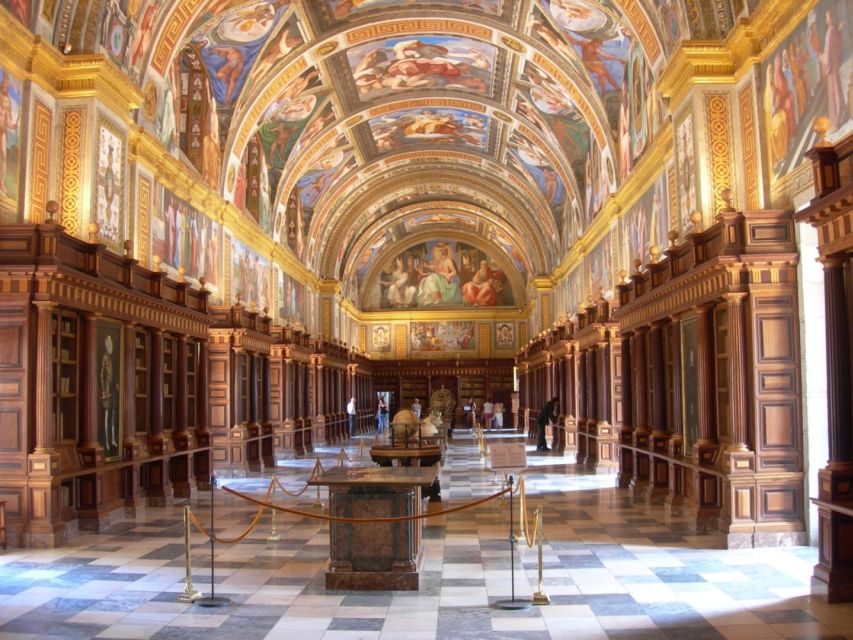
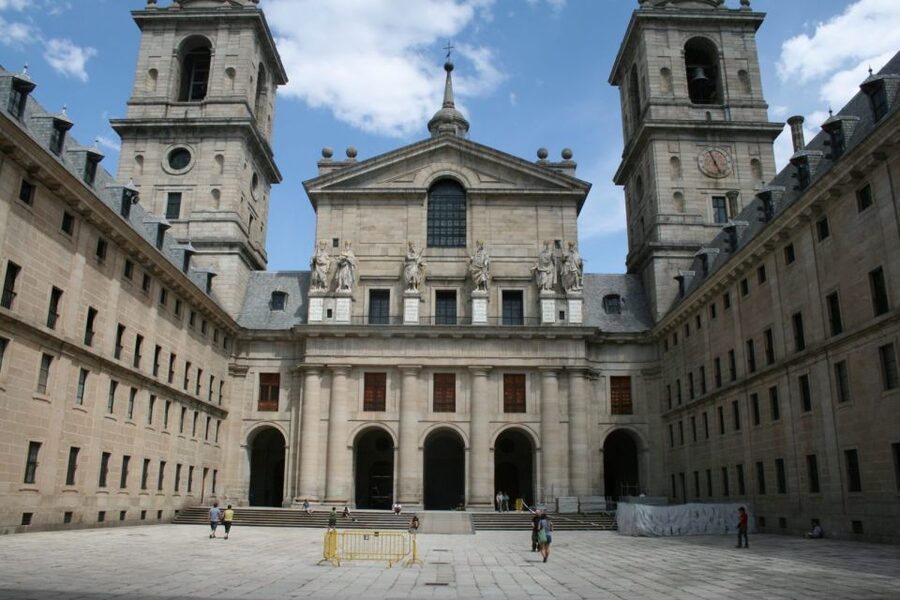
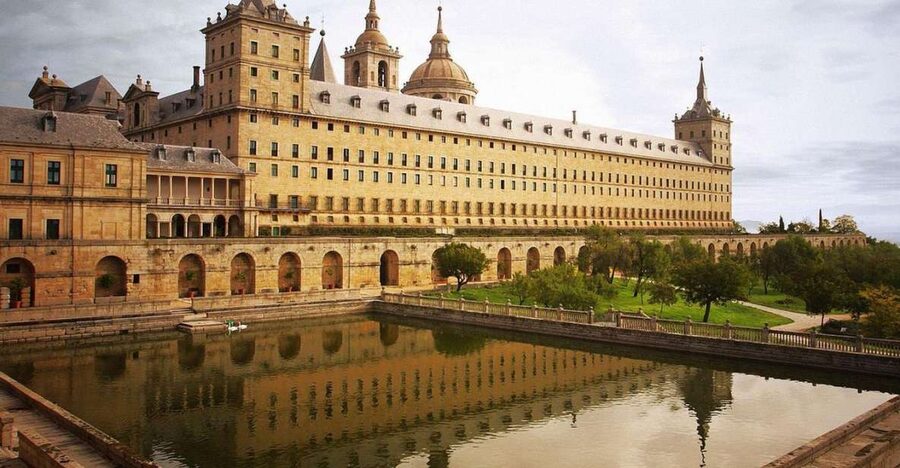
El Escorial is not simply a monastery visit. It is an enormous royal complex designed to serve many purposes at once: religious center, royal residence, burial place, hospital, university, library, museum, and basilica. That list gives you a good idea of its scale before you arrive.
The complex was built by King Philip II, and the visit gives you a direct look at how monarchy and religion worked together in Spain. You are not seeing a small retreat or a decorative palace. You are entering a carefully planned institution built to project order, authority, and devotion.
The experience is especially useful if you want more than Madrid’s central squares and art museums. El Escorial sits outside the city, and reaching it by private vehicle keeps the outing simple. Your driver picks you up at your Madrid hotel or another chosen place within the city, then takes you to the site without the usual need to coordinate public transport.
The claim that El Escorial is the largest Renaissance building in the world is part of the appeal, but the real pleasure is its range. In one visit, you can move between royal spaces, religious rooms, monumental art, and institutional areas. The complex helps explain the reach of Spain during Philip II’s reign better than a single painting or palace room could.
Give the guide room to explain what you are seeing. The scale can be overwhelming, and the purpose of one wing may not be obvious at first glance. A live English or Spanish guide can connect the monastery, royal residence, basilica, library, and pantheon into one story instead of leaving you with a collection of grand rooms.
Other palaces people book in Spain:
- Seville: Royal Alcázar Entry Ticket
★ 4.6 · 28,378 reviews - Granada: Alhambra & Nasrid Palaces Tour with Tickets
★ 4.7 · 19,801 reviews - Granada: Alhambra and Nasrid Palaces Entry Ticket
★ 4.6 · 15,130 reviews
Seeing Philip II’s royal and religious world
El Escorial’s importance comes from its mixed identity. It is a monastery, but it is also a royal residence. It is a place of worship, but it also served as a hospital, university, museum, and burial site. Those functions tell you how much the Spanish crown wanted to gather under one roof.
The basilica gives the site its strongest religious focus. The pantheon connects the building to Spain’s monarchy and royal memory. The library and university point in a different direction, showing that learning and administration were also part of the complex’s purpose.
I would pay attention to the tension between the building’s solemn religious role and its political message. Royal architecture often tells you how rulers wanted to be remembered. At El Escorial, the message is not just wealth. It is discipline, faith, power, and a close connection between the crown and the Catholic Church.
You should wear comfortable shoes. The tour lasts five hours in total, and even with a vehicle between stops, you will spend time on your feet inside the monuments. Bring water, sunglasses, sunscreen, and clothing suited to the weather. A camera is listed as useful, but follow any photography rules in the buildings.
The Valley of the Fallen and Spain’s difficult memory
The second major stop is the Valley of the Fallen, a Catholic basilica and memorial site where national figures have been laid to rest. About 40,000 people are buried there, making this more than a quick monument stop. It is a place where architecture, religion, war, and political memory meet.
The site is also linked directly to Francisco Franco. He was initially buried there, and you can see his double-headed eagle on the iron gates. Those details give the visit a clear connection to the dictatorship and to the way Franco’s regime used national symbols and monumental spaces.
This is where the guide’s explanation matters most. The experience includes discussion of the Spanish Civil War from a local perspective, and that can help you understand why the site remains sensitive. You are not visiting a neutral piece of architecture. The meaning of the basilica and memorial has changed over time, and the guide can frame what you see within Spain’s divided history.
Expect a serious atmosphere. The artwork and monumental setting may impress you, but the scale of the burial site can also feel heavy. I would not treat this as a photo stop alone. Listen carefully, look at the gates and artwork, and allow the place to raise questions about who builds memorials, who gets honored, and how a country handles a painful past.
A private tour works well here because you can ask questions without worrying about a large group. You can also tell the guide what level of historical detail you want. The available languages are English and Spanish, so choose the language that lets you discuss the Civil War most clearly.
A Madrid drive to finish the day
After the two out-of-town sites, the tour returns to Madrid for a drive past key sights and lesser-known city places. This portion is not described as a long walking circuit, so you should think of it as a guided overview from the vehicle.
That format can be useful near the end of a packed morning. You get a broad sense of Madrid without spending more time changing trains, searching for addresses, or retracing routes. If this is your first visit, the city drive may help you decide which areas deserve a later, longer visit on foot.
The tradeoff is depth. You will see more of Madrid than you could on a direct transfer, but you should not expect extended time at each city sight. The real focus is El Escorial and the Valley of the Fallen. The Madrid portion adds context and orientation rather than serving as a full city tour.
I like this combination for a short stay. You can cover two major sites outside the capital and still get a quick look at Madrid’s key points in one private outing. If you have several days in the city, use the drive as a preview, then return later to explore the places that catch your interest.
Same city, a very different set of state rooms:
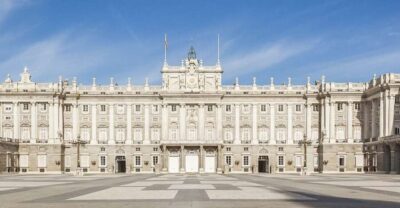
- Madrid: Royal Palace Fast-Access Admission Ticket
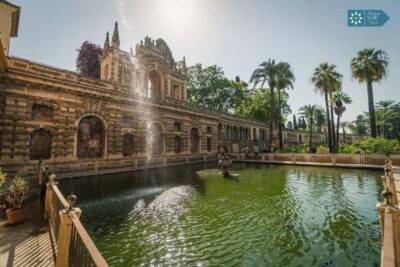
★ 4.6 · 13,856 reviews - Seville: Alcázar, Cathedral & Giralda Skip-the-Line Tour
★ 4.8 · 11,525 reviews - Seville: Cathedral, Giralda & Alcazar Entry With Guided Tour
★ 4.6 · 8,560 reviews - Madrid: Royal Palace Expert Guided Tour with Skip-the-Line
★ 4.7 · 8,407 reviews
What the private setup means for you
The tour includes a private vehicle and driver for five hours, along with a guide for the same period. You are picked up from your hotel or another location within Madrid, then returned to your accommodation at the end.
That arrangement is the strongest practical reason to consider this experience. El Escorial and the Valley of the Fallen are not central Madrid stops, so arranging both independently would require more planning. Here, transport, guiding, and entrance fees are handled together.
The private format also gives you more control than a large shared coach. You can ask about royal history, the Spanish Civil War, architecture, or Madrid itself. You can also make the outing feel more relaxed for a family or group with different interests.
Accessibility is another useful point. The activity is listed as wheelchair accessible, although the information provided does not explain which parts of each monument may have specific route limits. If access is important for your group, confirm the exact arrangements before booking.
The named staff receive especially warm personal praise. Mary Paz is identified as a charming guide, while Ruben is praised as an excellent driver. That matters because this tour depends on both parts working well: the driver handles the long connections, and the guide gives meaning to sites that can otherwise feel enormous or solemn.
Is $591 per person good value?
At $591 per person, this is not a budget excursion. The price needs to be judged against what you receive, not just the five-hour duration.
Included are hotel pickup and drop-off, a private vehicle with driver, a live guide, entrance fees to both El Escorial and the Valley of the Fallen, and public liability insurance. For a group that values privacy and convenience, those inclusions can make the price reasonable, especially when compared with arranging separate transport, tickets, and guiding.
The value is weaker if you are happy using public transport, joining a shared group, or exploring only one site. Five hours is also a compact schedule for two major monuments. You are paying for a private door-to-door service and a guided overview, not a slow day with long breaks at every stop.
Food and drinks are not included. Bring water and consider packing lunch, both of which are listed as useful. Cash is also recommended. The tour information does not specify a meal stop, so do not assume you will have time to sit down for a full restaurant meal.
I would see the price as best suited to couples, families, or small private groups who want a simple, guided day outside Madrid. If you are traveling alone, the per-person cost may feel steep unless convenience and private guiding are your top priorities.
Who will enjoy this five-hour outing?
You are a good match for this tour if you want Spanish history presented in one concentrated trip. It suits first-time visitors who want to get beyond central Madrid, as well as returning visitors who have already seen the main city museums and plazas.
History-minded visitors will get the most from the contrast between El Escorial and the Valley of the Fallen. One shows royal and religious power under Philip II. The other confronts the legacy of civil war and dictatorship. Together, they give you a wider view of Spain than a standard city sightseeing route.
Families may appreciate the private vehicle and the ability to keep the group together. The schedule is still full, so younger children may find the historical material and monument interiors demanding. The included city drive provides variety, but there is no promise of food, entertainment, or a long rest period.
This is less suitable if you want a relaxed day with plenty of free time. It is also not the right choice if your main goal is detailed exploration of Madrid on foot. You will see the city, but the two out-of-town monuments take priority.
Practical preparation for the monuments
Wear comfortable clothing and shoes. Bring water, sunscreen, sunglasses, and weather-appropriate layers. The tour information also recommends a camera, packed lunch, and cash.
Because food and drinks are not included, plan ahead rather than counting on a meal during the schedule. The total duration is five hours, and the itinerary has several moving parts. A small packed meal or snack can make the day easier.
The tour allows free cancellation up to 24 hours before departure, and you can reserve now and pay later. Starting times depend on availability, so check the schedule that fits your Madrid plans.
The activity is offered in English and Spanish. It is a private group experience, not a shared tour. That distinction is important at this price and is one of the main reasons to choose it.
Should you book this private Madrid excursion?
Book it if you want El Escorial and the Valley of the Fallen in one organized outing, with a private driver, hotel pickup, entrance fees, and a guide who can explain Spain’s royal and political past. The strongest points are convenience, privacy, and the chance to discuss the Spanish Civil War at a difficult and important memorial.
Think twice if you want a slow pace, a low price, or a full walking tour of Madrid. Five hours passes quickly, and the $591 per-person cost reflects private service rather than a simple ticket and transfer.
For the right group, this is an efficient way to leave Madrid’s center and see two major sites that are hard to combine without a car. Mary Paz and Ruben’s especially warm personal praise adds confidence, but the real decision comes down to your priorities: pay for ease and context, or plan the connections yourself and save money.
FAQ
How long does the tour last?
The tour lasts five hours, including the guided visits to El Escorial and the Valley of the Fallen, transportation, and the Madrid city drive.
Is hotel pickup included?
Yes. Pickup and drop-off are available from your hotel or another chosen place within Madrid.
Is this a private tour?
Yes. The experience is for a private group and includes a private vehicle with a driver.
Which languages are available?
The live guide is available in English and Spanish.
Are entrance fees included?
Yes. Entrance fees to the Monastery of El Escorial and the Valley of the Fallen are included.
Is food included?
No. Food and drinks are not included. Bringing water and a packed lunch is recommended.
Is the tour wheelchair accessible?
Yes. The activity is listed as wheelchair accessible. The provided information does not specify access details for each individual area, so confirm any particular requirements before booking.
Just added around Spain
- Private guided tour of the Alcazar de los Reyes Cristianos★ 5.0 · 6 reviews
- Private official tour guide for visit to Alhambra in Granada from Cordoba Hotel★ 4.0 · 5 reviews
- Mosque-Cathedral, Alcazar & Synagogue with Skip the Line Tickets★ 5.0 · 46 reviews
- Visita guiada a la Mezquita Catedral y el Alcázar de los Reyes Cristianos★ 4.0 · 4 reviews
- Mosque, Alcazar and Juderia Ticket Included Skip the Line★ 5.0 · 3 reviews
- Guided tour of the Alcazar de los Reyes Cristianos in Spanish★ 5.0 · 36 reviews
- Guided Tour of Monumental Cordoba: Jewish Quarter, Alcazar and Mosque★ 4.5 · 99 reviews
- Mosque, Alcazar of the Christian Monarchs and Juderia★ 3.5 · 3 reviews
Spain Palace Tours, compared.
Alcázar, Cathedral & Giralda Skip-the-Line Tour
Read our review →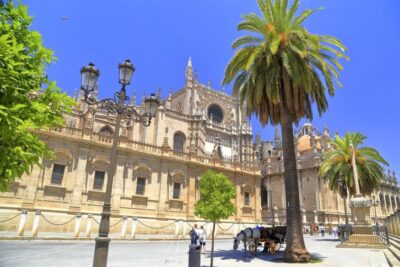
Cathedral, Giralda & Alcazar Entry With Guided Tour
Read our review →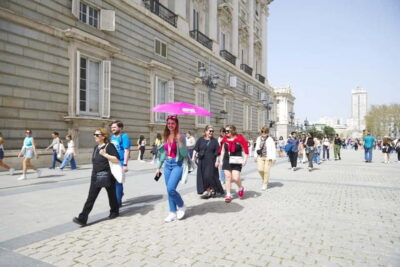
Royal Palace Expert Guided Tour with Skip-the-Line
Read our review →