REVIEW · SPAIN PALACE TOURS
Private tour: San Lorenzo de El Escorial Monastery
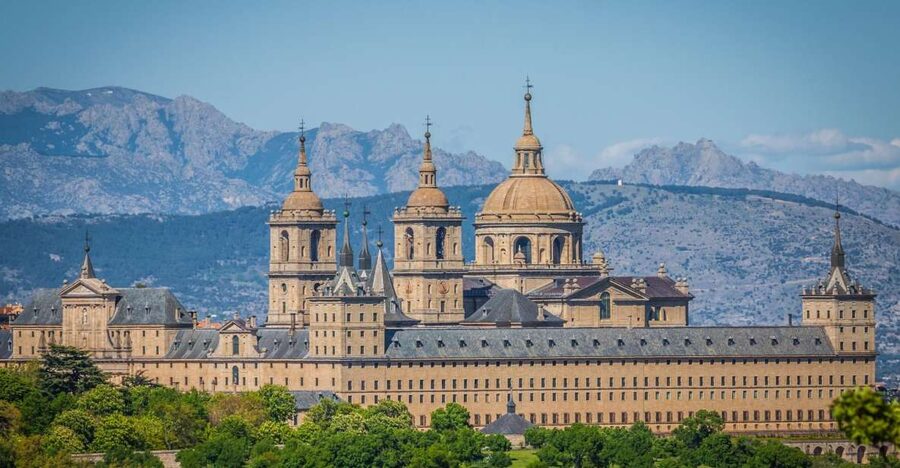
San Lorenzo de El Escorial is part palace, part monastery, part royal tomb, and part monument to the power of Philip II. Inside, you’ll move from a frescoed library to a grand basilica, then down into the Royal Pantheon, where generations of Spanish royalty were laid to rest. The scale is startling, but the best way to make sense of it is with a private guide.
I like the priority entrance, which saves time at a major Spanish monument, and I like the personal pace of a private visit. Guide Isabella Trébede is especially good at bringing Philip II, the Habsburg family, and their political world into focus. The main drawback is physical: the monument is not accessible, and you’ll climb many steps.
Key points at a glance
- The Royal Pantheon puts Spain’s royal story underground, among ornate tombs and the remains of kings and queens.
- Philip II’s library reveals the king as a patron of science and art, not only a ruler and soldier.
- Titian, El Greco, Velázquez, and Luca Giordano give the visit serious artistic weight.
- The Hall of Battles ends the indoor route with huge mural paintings showing military victories.
- The Renaissance gardens offer a calm finish, with views toward the Sierra de Guadarrama and possible peacock sightings.
- The private format suits families and curious adults, while the stairs make it a poor choice for wheelchair users or people with mobility limits.
Why El Escorial feels unlike a normal palace visit
San Lorenzo de El Escorial was built as a royal monastery, and that unusual purpose shapes every room. It was a place for worship, study, administration, royal memory, and political display. You are not simply touring where a king lived. You are seeing how Philip II wanted Spain, Catholicism, learning, and the Habsburg dynasty presented to the world.
I find the building most interesting when its different roles begin to overlap. The basilica reflects religious power. The library points to humanist learning. The Royal Pantheon turns the monastery into a memorial for the ruling family. The Hall of Battles presents military success in visual form.
The monument is also a strong day trip from Madrid because it combines culture with open countryside. San Lorenzo de El Escorial sits near the Sierra de Guadarrama, and the gardens give you a chance to step outside after several intense interior rooms.
Other palaces people book in Spain:
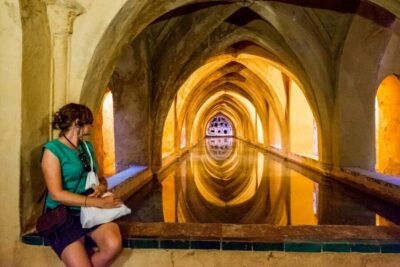
- Seville: Royal Alcázar Entry Ticket
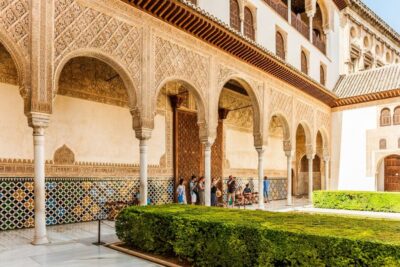
★ 4.6 · 28,378 reviews - Granada: Alhambra & Nasrid Palaces Tour with Tickets
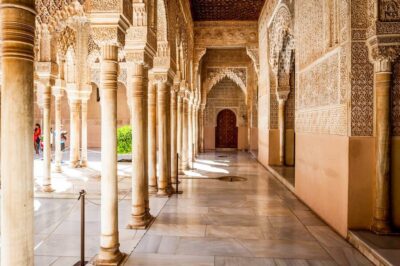
★ 4.7 · 19,801 reviews - Granada: Alhambra and Nasrid Palaces Entry Ticket
★ 4.6 · 15,130 reviews
Meeting your guide and entering with priority access
The meeting point is easy to identify if you know what to look for. Go to the entrance with a Spanish flag above it, directly opposite the Tourism Office. Isabella Trébede carries an Isabella Trébede tote bag, so look for that rather than wandering around the plaza hoping to spot your guide.
The tour includes a licensed private guide and individual headsets. Those headsets matter in echoing rooms and crowded corridors, since you can hear the explanation without needing to stand shoulder to shoulder with the guide.
Priority entrance means you use a separate entrance rather than waiting in the standard line. You still need to pass through airport-style security. Large backpacks and bags must go into free individual lockers, which require a €1 coin. Food, bicycles, pets, baby carriages, and luggage are not allowed inside, so arrive with only what you need.
Bring your passport or ID card. Children aged 12 to 16 must show valid identification, and every minor must be with an adult. All participants, including infants under five, need to appear on the booking.
The library and the ideas behind Philip II’s rule
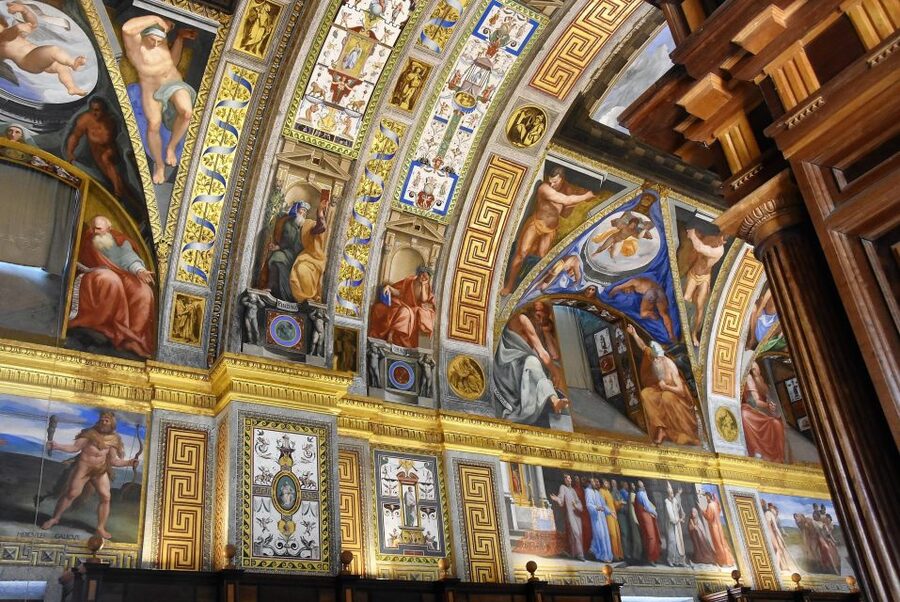
The library is one of the strongest parts of the visit. It reflects Philip II’s interest in scholarship, science, and the arts, and it gives you a more rounded picture of the king. His reputation often focuses on strict Catholic rule and imperial power, but this room shows his support for learning and collected knowledge.
Look up as you move through the library. The frescoes are a major visual feature, and the room itself makes a point about the value of study. The painted decoration is not a quiet backdrop. It turns learning into something grand, almost ceremonial.
The private format helps here. You can ask Isabella to explain the connection between the decoration, the books, and Philip II’s humanist outlook. That kind of question is easy to lose on a large group tour, where the guide needs to keep moving.
The main staircase adds another memorable set of frescoes. It is both a practical route through the building and a large painted display. You’ll be looking up often, so comfortable shoes are important, especially since the tour includes many steps.
The basilica and the religious heart of the monastery
The basilica shows why religion was central to El Escorial. Its scale and form make the monastery feel like a royal statement of Catholic power, not only a place where monks prayed.
Your guide explains the religious setting alongside the building’s royal purpose. That context helps you understand why the basilica belongs at the center of the complex. It was not an extra feature added to a palace. It was one of the main reasons the whole institution existed.
The basilica may be closed during masses. On Sundays and religious holidays, it is closed throughout the morning. If that happens, the guide extends the visit in the library or the Chapter Rooms. This is worth checking when planning your day, particularly if the basilica is your main reason for coming.
Even when the basilica is open, keep in mind that this is an active religious site. The tour schedule can be affected by opening hours and services, so some flexibility is useful.
Same city, a very different set of state rooms:
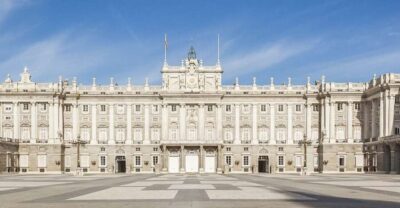
- Madrid: Royal Palace Fast-Access Admission Ticket
★ 4.6 · 13,856 reviews - Seville: Alcázar, Cathedral & Giralda Skip-the-Line Tour
★ 4.8 · 11,525 reviews - Seville: Cathedral, Giralda & Alcazar Entry With Guided Tour
★ 4.6 · 8,560 reviews - Madrid: Royal Palace Expert Guided Tour with Skip-the-Line
★ 4.7 · 8,407 reviews
Royal art from Titian to El Greco
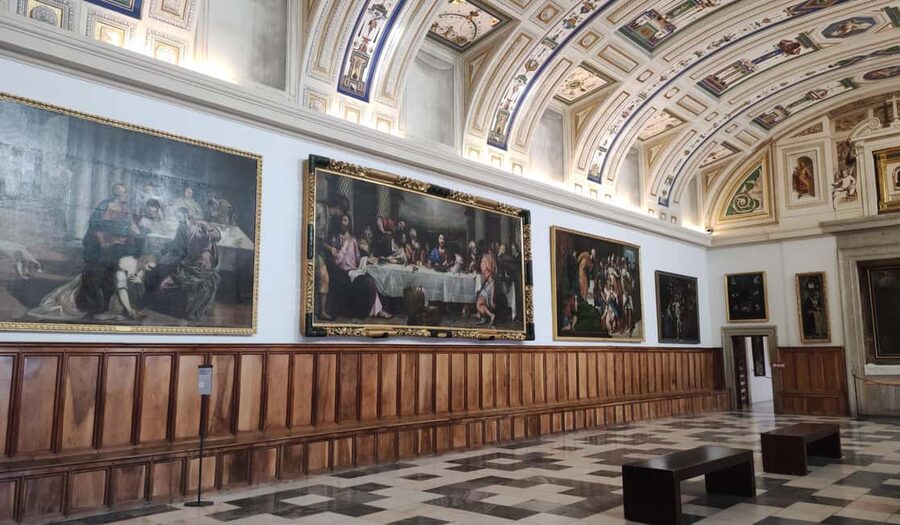
El Escorial holds works associated with major painters, including Titian, El Greco, Velázquez, and Luca Giordano. You do not need to be an art specialist to get something from this section. The guide connects the paintings to the people and institutions that commissioned them, which makes the art easier to place in its setting.
I like seeing these works within the larger royal complex rather than in a separate gallery. Here, art supports worship, royal identity, and political storytelling. You can compare the mood of religious paintings with the grander visual language used elsewhere in the building.
A private tour also gives you room to ask about a particular artist or painting. If you already know El Greco or Velázquez, you can use the time for finer points. If you do not, Isabella can keep the explanation grounded in the story of the monastery rather than turning the visit into a lecture on art history.
The reviews of this tour repeatedly praise Isabella’s energy and storytelling. Her English is described as very good, and she also guides in Spanish. That matters because El Escorial can feel austere if you only walk from room to room without a human story tying it together.
The Royal Pantheon and the family behind the monument
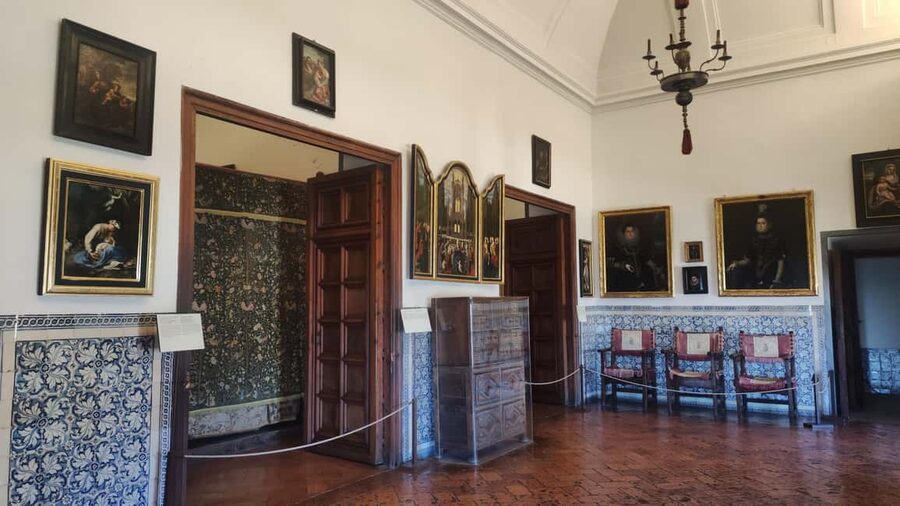
The Royal Pantheon is one of the most striking stops. It brings the Habsburg story down to its most physical level: the royal family’s tombs. The space is ornate, solemn, and much more intimate than the larger public rooms above.
This is where names and dynastic connections become real. Isabella explains figures such as John of Austria, the illegitimate son of Emperor Charles V, and places him within the wider story of the family. You also learn how the Habsburgs and later Bourbon rulers are connected to the monastery.
I find this part valuable because it gives emotional weight to a political story. The Habsburg dynasty can seem like a list of rulers, marriages, wars, and territories. In the Pantheon, it becomes a family record, with all the power and personal drama that implies.
The Royal Pantheon is not a quick photo stop. Take time to notice the setting and listen to the explanation. The room is one of the places where the private guide format earns its keep, since you can pause and ask about individual figures without holding up a large group.
The Hall of Battles and Spain’s military story
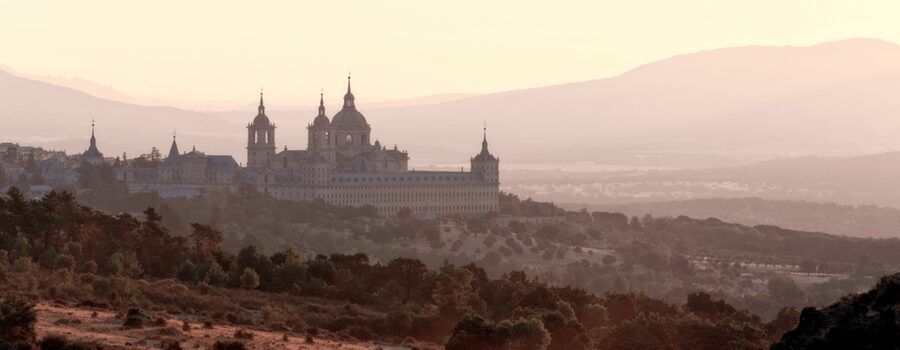
The indoor route ends in the Hall of Battles, a long room covered with large mural paintings. These scenes present military victories and turn the walls into a visual record of Spain’s imperial age.
The murals can be hard to read on your own. There is a lot happening, and the scale makes it easy to miss the difference between a key event and a decorative detail. Isabella’s commentary helps you understand what the paintings are showing and why the hall mattered to the monarchy.
This is also where the monument’s political message becomes clearest. El Escorial was a religious foundation, but it was also tied to royal authority and military power. The Hall of Battles makes that connection plain.
It is a strong final interior stop because the room changes the pace. After quieter spaces such as the library and Pantheon, you reach a more dramatic visual statement. By this point, the tour has covered religion, scholarship, family, art, and war in one continuous route.
Renaissance gardens, mountain views, and peacocks
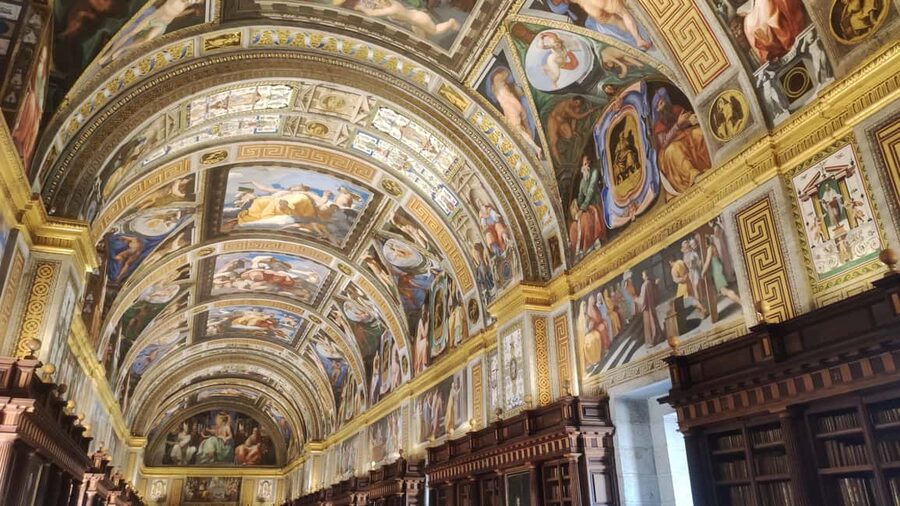
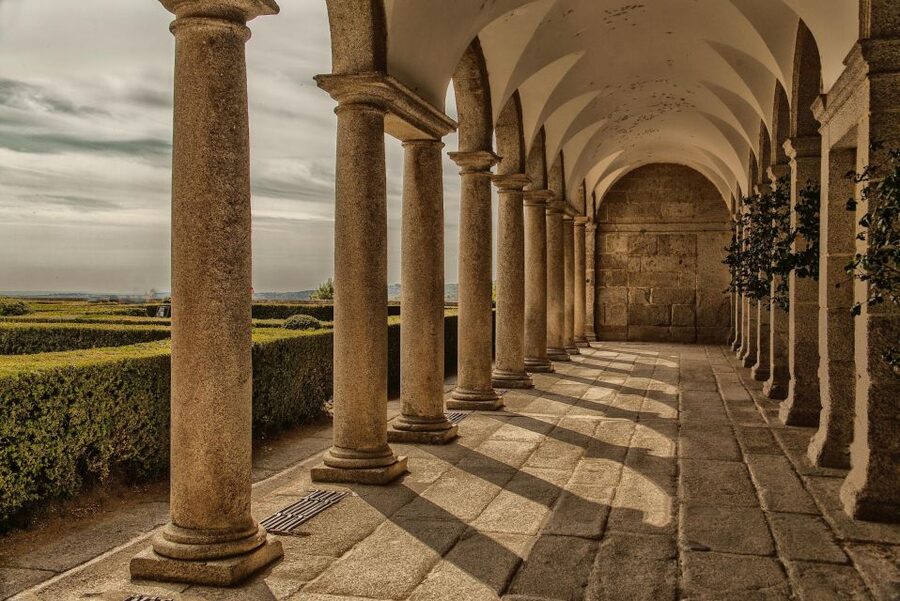
After the interior, you can finish in the Renaissance gardens. They offer a welcome change from the dark stone corridors and formal rooms. The gardens were created for the kings and monks, and today they provide views over the surrounding forest and mountains.
The Sierra de Guadarrama gives the visit a sense of place. El Escorial is not an isolated building dropped into a city street. Its setting near the mountains helps explain the appeal of the site as a royal retreat and religious center.
If you are lucky, you may see the peacocks that live in the gardens. They are not the reason to book the tour, but they add a bit of fun after a serious two hours indoors. Families may especially appreciate this open-air finish.
The gardens are also useful if you need a quieter pause before lunch or before returning to Madrid. One recent visitor used the tour as a stop between Madrid and Salamanca, with time for lunch in town afterward. San Lorenzo de El Escorial has restaurant options, and Isabella can suggest places after the visit.
How much time the 2.5-hour tour gives you
The advertised duration is 2.5 hours, which is a good length for the main rooms without turning the day into an endurance test. You’ll see the library, basilica, Royal Pantheon, Hall of Battles, major artworks, and possibly the gardens, depending on the pace and opening conditions.
You should not expect to examine every room in the complex at museum pace. El Escorial is large, and a short visit requires choices. The advantage is that a private guide can shape the explanation around what interests you most.
Families with teenagers can benefit from the private format. One family specifically praised Isabella for keeping two teenage girls interested, which is no small task in a solemn monument filled with religious art and dynastic names. You can ask for stories about personalities and conflicts instead of receiving only dates and architectural facts.
The 2.5-hour schedule works best if you arrive ready to walk and listen. Wear comfortable shoes, since there are many stairs. The monument is not accessible, and this tour is not suitable for wheelchair users or people with mobility impairments.
Is $112 per person a fair price?
At $112 per person, this is not the cheapest way to see El Escorial. The price includes skip-the-line admission, a licensed private guide, and individual headsets, but it does not include transport, hotel pickup, food, or drinks.
I think the price is easiest to justify for a small group that wants a focused visit. A private guide can answer questions, adjust the pace, and explain the complicated royal connections without forcing you to follow a fixed group script. For two people, it is a noticeable expense. For a family or group sharing the private experience, the cost may feel more reasonable.
You also need to budget time and money for reaching the meeting point yourself. Since transportation is not included, this is not a door-to-door day trip from Madrid. Check your route before booking and allow time to reach the Tourism Office area.
The value depends on how you travel. If you are happy to read signs and explore independently, the fee may be more than you need. If you want the building to make sense, especially the Habsburg family story and the purpose of each major room, the guide adds real value.
Who should book this private El Escorial visit?
I would choose this tour if you care about Spanish royal history, religious art, architecture, or the Habsburg dynasty. It is also a good fit if you prefer asking questions rather than listening quietly in a large group.
Families with older children and teenagers should consider it, especially if Isabella is available. Her lively approach can keep the visit moving, and the gardens offer a more relaxed finish.
I would be cautious if stairs are difficult for you. The monument is not accessible, and the tour involves many steps even though the guide takes the route at an unhurried pace. It is also not suitable if you need to bring a large bag, baby carriage, or mobility equipment.
Book with extra care around Sunday mornings and religious holidays because the basilica may be closed. The guide can extend the visit elsewhere, but anyone set on seeing the basilica should check the timing first.
Should you book this tour?
Book it if you want El Escorial explained as a living piece of Spanish power, faith, art, and family history rather than as a series of grand rooms. Isabella Trébede receives especially strong praise for her energy, clear English, historical insight, and ability to make the personalities behind the monument memorable.
Skip it if you prefer a self-guided visit, need step-free access, or want transportation included from Madrid. For everyone else, the private format, priority entrance, and careful route make this a strong choice for a half-day cultural stop near the capital.
FAQ
How long does the private El Escorial tour last?
The tour lasts 2.5 hours. The exact starting time depends on availability and the monument’s opening hours.
What languages are available?
The tour is offered in English and Spanish.
Is transportation from Madrid included?
No. Hotel pickup and transportation to and from the meeting point are not included.
Where is the meeting point?
Meet at the entrance with a Spanish flag on top, directly opposite the Tourism Office. The guide will carry an Isabella Trébede tote bag.
What does the price include?
The $112 per person price includes skip-the-line tickets, a licensed private guide, and individual headsets.
Is the tour accessible for wheelchair users?
No. The monument is not accessible, and the tour includes many steps. It is not suitable for wheelchair users or people with mobility impairments.
Can I bring a large backpack or luggage?
No. Large bags and backpacks must be placed in free individual lockers, which require a €1 coin. Luggage is not allowed inside the monument.
What happens if the basilica is closed?
The basilica is closed during masses. On Sundays and religious holidays, it may be closed all morning. If it is unavailable, the guide extends the visit in the library or Chapter Rooms.
Do children need to be included in the booking?
Yes. Every participant must appear on the booking, including infants under five, who are free. Children aged 12 to 16 must bring valid identification, and all minors must be accompanied by an adult.
Just added around Spain
- Private guided tour of the Alcazar de los Reyes Cristianos★ 5.0 · 6 reviews
- Private official tour guide for visit to Alhambra in Granada from Cordoba Hotel★ 4.0 · 5 reviews
- Mosque-Cathedral, Alcazar & Synagogue with Skip the Line Tickets★ 5.0 · 46 reviews
- Visita guiada a la Mezquita Catedral y el Alcázar de los Reyes Cristianos★ 4.0 · 4 reviews
- Mosque, Alcazar and Juderia Ticket Included Skip the Line★ 5.0 · 3 reviews
- Guided Tour of Monumental Cordoba: Jewish Quarter, Alcazar and Mosque★ 4.5 · 99 reviews
- Mosque, Alcazar of the Christian Monarchs and Juderia★ 3.5 · 3 reviews
- Guided tour of the Alcazar de los Reyes Cristianos in Spanish★ 5.0 · 36 reviews
Spain Palace Tours, compared.
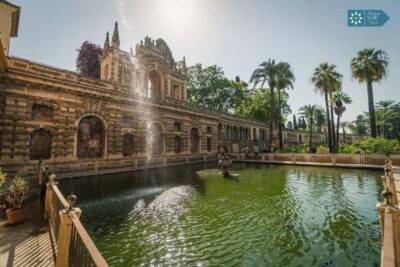
Alcázar, Cathedral & Giralda Skip-the-Line Tour
Read our review →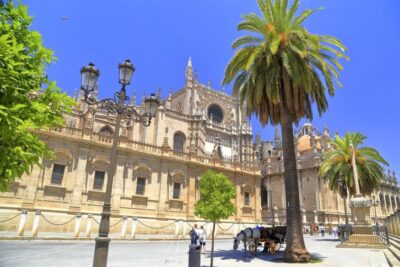
Cathedral, Giralda & Alcazar Entry With Guided Tour
Read our review →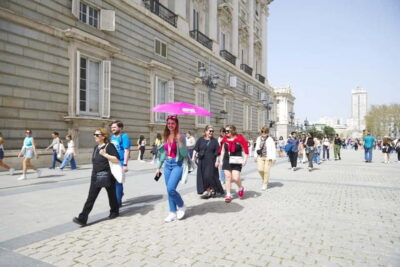
Royal Palace Expert Guided Tour with Skip-the-Line
Read our review →