
REVIEW · FLORENCE PALACE TOURS
The places of the Medici family: the Palace and the Chapels
The Medici family shaped Florence for nearly three centuries, and this tour puts their power on display in two compact but remarkable sites. You begin at Palazzo Medici Riccardi, where the Chapel of the Magi delivers the first great surprise, then walk to the family’s burial place at the Medici Chapels.
I like the clear story line and the private format. You see where the family lived, how they presented themselves, and where they were buried. I also like the guides’ personal touch: Susanna was praised for her energy and patience, while Christina, Rossana, Catherina, and Adriana were singled out for strong command of Florence’s art and history.
The main caution is that the quality of communication may depend on your assigned guide and language. One participant found a heavy accent difficult to follow, so ask questions early if you need a slower pace or clearer explanations.
Key points at a glance
- Two Medici monuments in three hours: Visit the family palace and burial chapels in one focused morning or afternoon.
- The Chapel of the Magi: See one of the palace’s most memorable rooms, covered with Renaissance frescoes and courtly imagery.
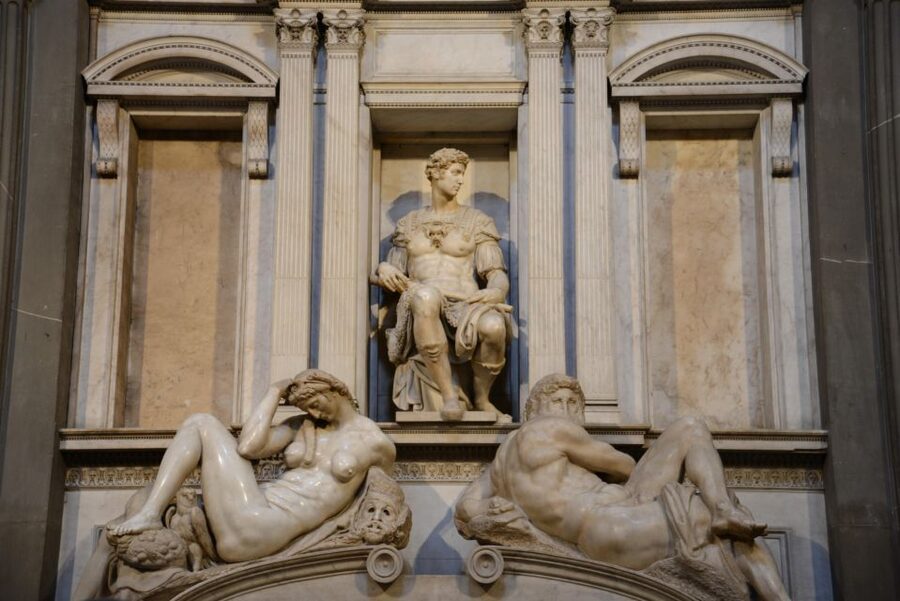
- Michelangelo’s New Sacristy: Examine sculpture connected to the Medici tombs, including the solemn figures created for the chapel.
- The Chapel of the Princes: Look closely at its Florentine mosaic work made from colored semi-precious stones.
- Private guided format: Ask questions freely, set a comfortable pace, and request short pauses for water or photographs.
- Six language choices: Tours are offered in English, Italian, Spanish, German, French, and Portuguese.
Why the Medici story works best in two buildings
Florence can make the Medici family feel like a list of names attached to palaces, churches, and statues. This tour gives that story a useful shape. You start with the family’s home and public image, then move to the place where they built their final memorial.
The Medici were bankers, political leaders, and patrons of artists and scientists. Their money helped support figures such as Botticelli, Brunelleschi, and Michelangelo. The family also produced three popes and two queens of France, a reminder that their influence reached far beyond Florence.
I like this pairing because it shows two sides of power. At the palace, the Medici present themselves as cultured, secure, and connected to the world of Renaissance art. At the chapels, that image becomes more formal and monumental. Marble, mosaic, sculpture, and tombs turn family memory into a public display.
You should not expect a general walking tour of Florence. This is a focused look at one dynasty, and it suits you best if you want names, family connections, artistic commissions, and political background explained as you go.
A few more palace visits around Florence worth a look
- Florence: Palazzo Vecchio Entrance Ticket & Audioguide
★ 4.4 · 4,822 reviews - Florence: Uffizi, Pitti Palace & Boboli Combined 5-Day Pass
★ 4.5 · 1,726 reviews - Florence: Palazzo Vecchio Guided Tour
★ 4.8 · 1,260 reviews
Palazzo Medici Riccardi: entering the family’s political world
The tour begins at Palazzo Medici Riccardi, the family’s former residence and a symbol of its political and cultural authority. The guided visit lasts about one hour, which gives you enough time to see the major rooms without turning the first half into a marathon.
The palace is valuable because it makes the Medici story physical. Instead of hearing only about banking or political control, you see the kind of setting that helped establish their status. The large rooms suggest the formal life of a Renaissance ruling family, with art and architecture doing political work.
Your guide can help connect the building to Florence’s changing power structure. The Medici were not simply wealthy patrons who happened to collect art. Their position rested on money, alliances, public gestures, and an ability to make cultural support part of their identity.
This is one reason I recommend doing the tour early in a Florence visit if your schedule allows. One participant wished they had taken it on the first day because the explanation gave better context for the city. That is sound advice. After this tour, other Medici buildings and Renaissance artworks are easier to place.
The Chapel of the Magi and its first great surprise
Inside the palace, the Chapel of the Magi is the visual high point for many people. The room is known for its frescoes and its scenes of the Magi’s procession, filled with elegant figures, rich clothing, animals, and details tied to Medici life.
The important point is not only that the chapel is beautiful. It also shows how art could flatter a family. The Medici used religious imagery, luxury, and references to important visitors to present themselves as powerful, refined, and connected to a wider Christian world.
A guide adds real value here. Without help, you might admire the colors and crowded scenes but miss how the Medici appear within the imagery and why the chapel mattered to their public image. Ask your guide to point out the political details as well as the artistic ones.
This room can feel more concentrated than the palace’s larger spaces. If you want photographs, listen first and take pictures when the guide pauses. The room is one of the tour’s major rewards, but it is also the sort of place where a short explanation can help you notice much more.
Piazza San Lorenzo: a brief link between the two sites
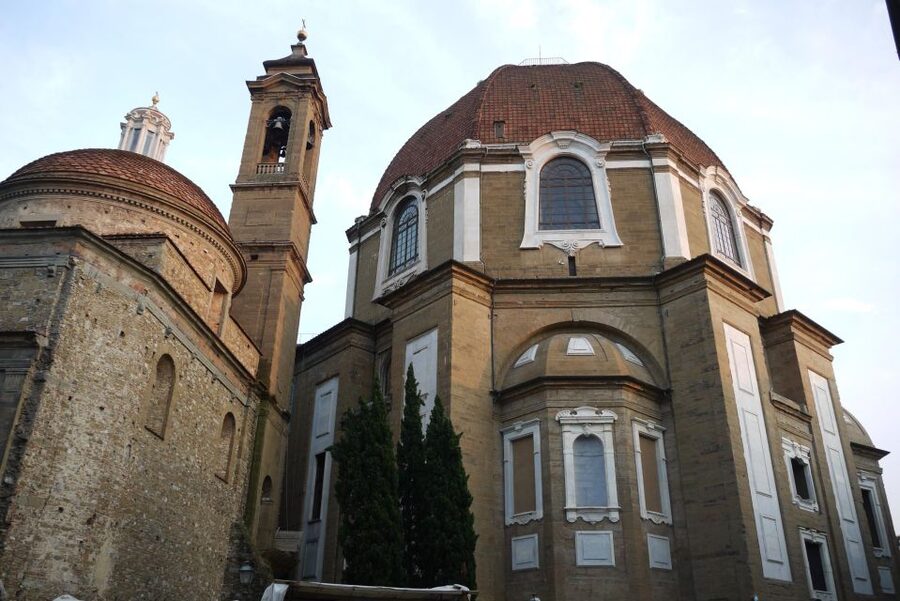
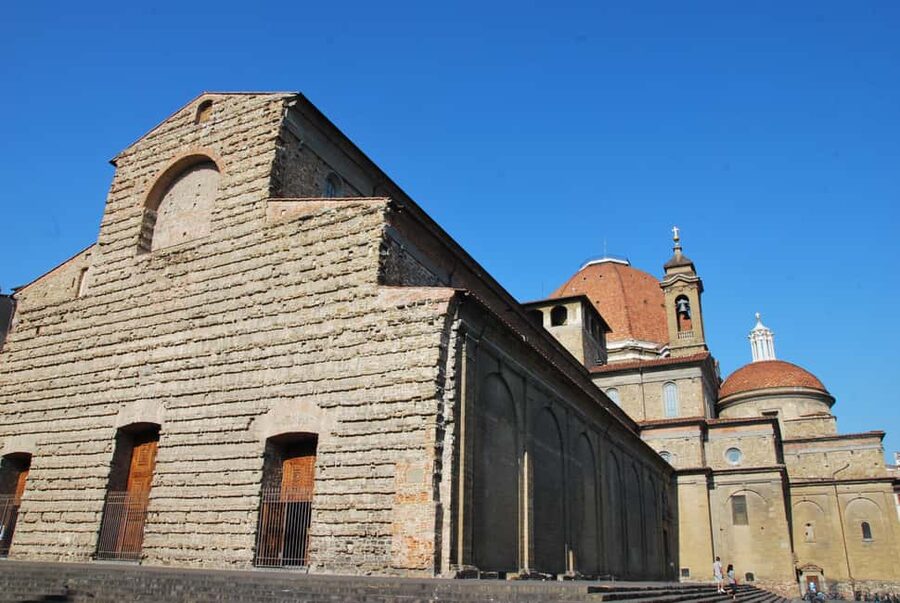
After the palace, the tour includes a short stop in Piazza San Lorenzo. The planned visit and photo stop lasts about 15 minutes before you continue to the Medici Chapels.
This is not a long neighborhood walk or a separate sightseeing tour. Think of it as a connecting pause that gives you a little outdoor space between two indoor visits. The square also helps place the Medici Chapels within the wider San Lorenzo area.
The timing matters. You are moving from the family’s residence to its burial place, so the short transition has a clear purpose. You can take photographs, ask follow-up questions, and reset before the next hour of art and architecture.
Because the stop is brief, do not expect time for a full exploration of the surrounding area. If San Lorenzo is high on your list, return later with more time.
Same city, a very different set of state rooms:
- Florence: Palazzo Vecchio Entry Ticket with Audio Guide
★ 4.4 · 837 reviews - Florence: Pitti Palace and Boboli Gardens Ticket & eBook
★ 4.5 · 835 reviews - Florence: Uffizi, Pitti, Boboli and 7 Attractions 5-Day Pass
★ 4.5 · 652 reviews - Florence: Palazzo Vecchio Skip-the-Line Entry Ticket
★ 4.2 · 349 reviews
Medici Chapels: family memory in marble and mosaic
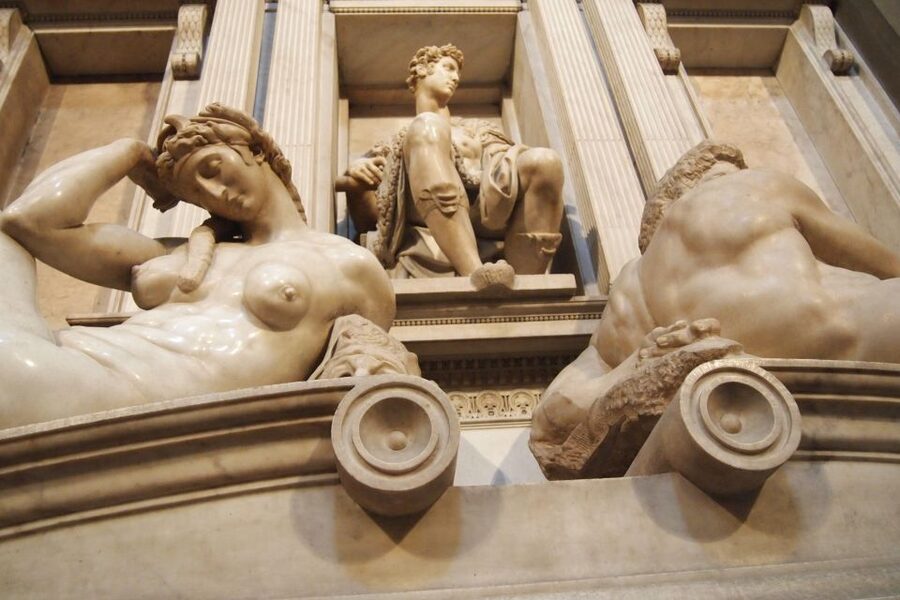
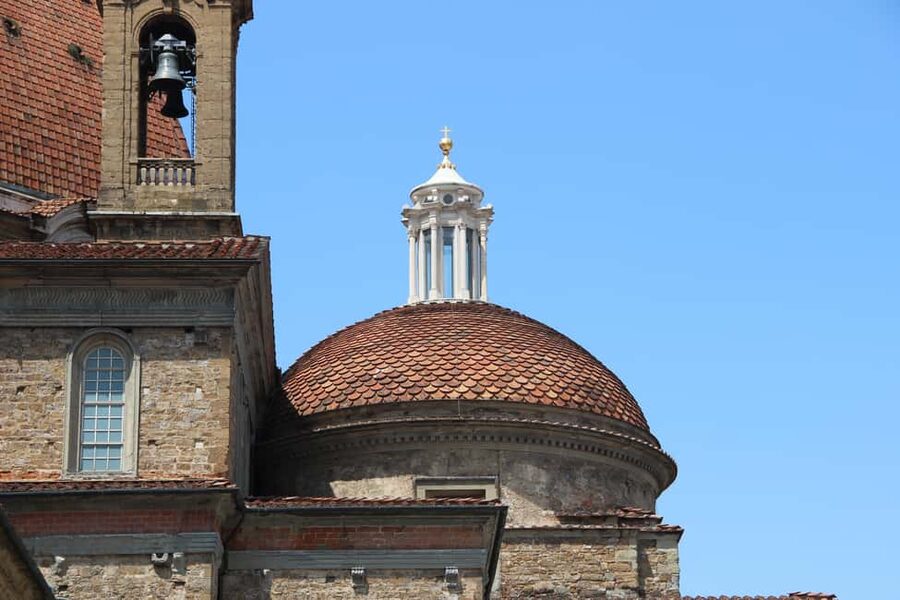
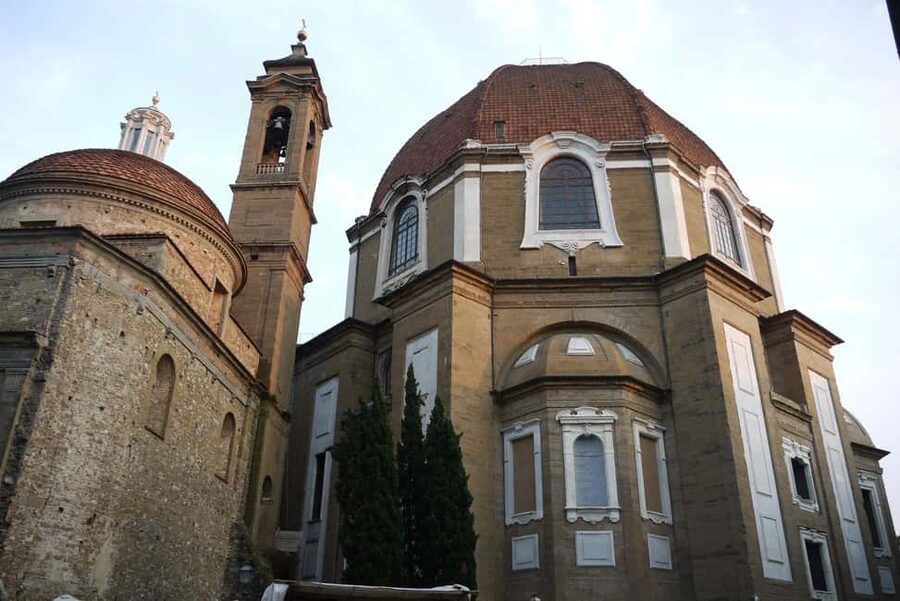
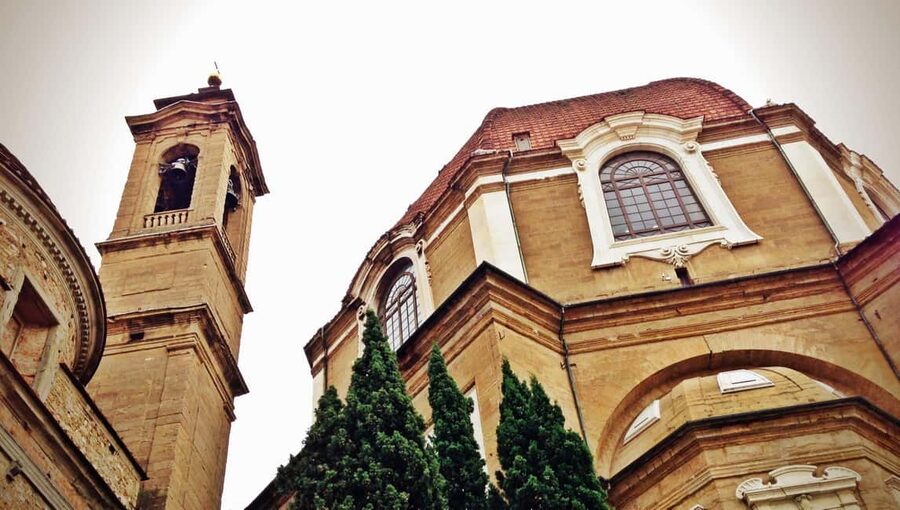
The second main stop is the Medici Chapels, where the guided visit lasts about one hour. This complex includes the New Sacristy, the Chapel of the Princes, and the crypt where members of the Medici family are buried.
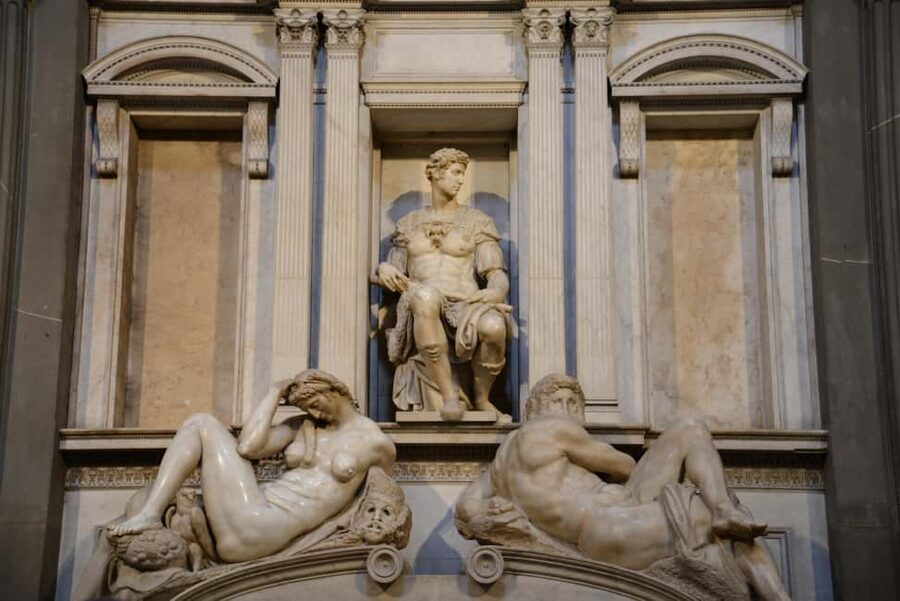
The New Sacristy is the artistic centerpiece. Michelangelo designed the space and created sculpture for the Medici tombs. The room gives you a chance to see how sculpture, architecture, and ideas about death were joined into one carefully planned memorial.
Your guide can help explain the figures and the meaning of the tombs rather than leaving you to identify names on your own. This is especially useful if you know Michelangelo mainly from the Sistine Chapel or David. Here, his work serves a more private and solemn purpose, shaped around family burial and remembrance.
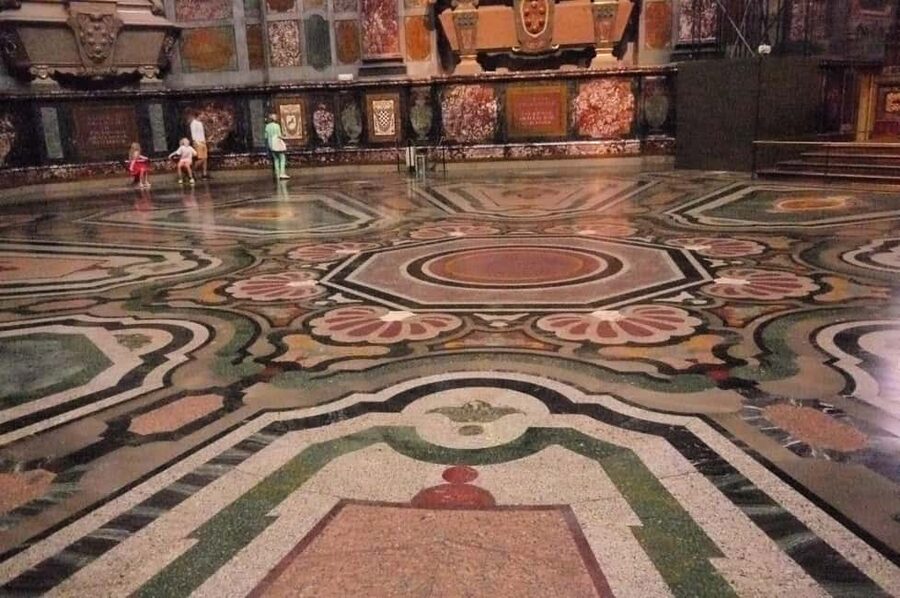
The Chapel of the Princes offers a very different effect. It is covered with Florentine mosaic made from colored semi-precious stones. The work is highly decorative and designed to signal wealth, permanence, and prestige. After the more sculptural New Sacristy, its surfaces can feel almost overwhelming in a completely different way.
Then comes the crypt, the most direct part of the family story. Members of the Medici family are buried there, bringing the tour back from grand display to actual dynastic history. I appreciate that the route includes this lower, more solemn space. It keeps the chapels from being only a parade of luxury materials.
What the private format adds
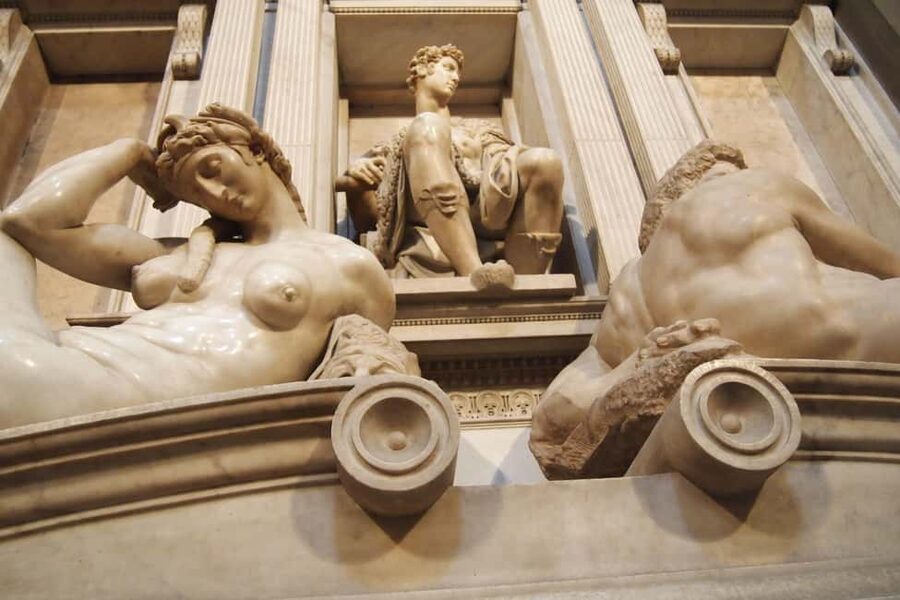
This is a private group tour, not a large shared outing. That changes the feel of the visit. You can ask about a specific Medici figure, request a clearer explanation of a sculpture, or pause briefly for water and photographs.
One guide, Susanna, was especially praised for being enthusiastic, engaging, and accommodating about breaks and pictures. That kind of flexibility matters during a three-hour art tour. You are looking at detailed frescoes, sculpture, and mosaic, and a rigid pace can make the experience tiring.
Named guides praised for their command of the subject include Christina, Rossana, Catherina, and Adriana. Guide assignments can vary, so you should not book on the assumption that one particular person will lead your visit. Still, the range of positive comments suggests that the provider has several guides who can bring personality to the subject.
The private format also suits mixed-interest groups. If one person wants political background, another wants Michelangelo, and someone else mainly wants the rooms themselves, a guide can adjust the emphasis. It is a better choice than a large group if you prefer conversation over a set speech.
The one qualification is language clarity. Tours are offered in English, Italian, Spanish, German, French, and Portuguese, but one English-speaking participant found a heavy accent hard to understand. If you have hearing difficulty or need very clear English, mention that when arranging the tour and ask questions during the visit.
Is three hours the right amount of time?
Three hours is a sensible length for these two sites. The listed plan gives roughly one hour at the palace, 15 minutes in Piazza San Lorenzo, and one hour at the chapels, leaving time for walking, entry, and transitions.
That schedule gives you enough structure without filling an entire day with one family. The tour is long enough to explain the Medici story properly, but short enough to combine with another Florence activity.
You should still expect a lot of information. The Medici family spans centuries, several generations, major artists, political shifts, and complicated family ties. If you prefer a quick look at one building, this tour may feel too detailed. If you want the bigger picture, the pace is useful.
Wear comfortable shoes for the movement between sites, even though the tour is not presented as a long walking excursion. Bring water, especially in warm weather, and allow time to stop for photographs without rushing the guide.
Accessibility, entry, and booking flexibility
The experience is listed as wheelchair accessible, which makes it a useful option for visitors who need step-free planning. You should still confirm current access arrangements when booking, since historic buildings can have site-specific routes.
Skip-the-ticket-line entry is included, helping reduce wasted time at two popular monuments. That matters most during busy periods, when a timed tour can protect your limited hours in Florence.
A passport or identity card is required, and a copy is accepted. Keep this available rather than packed away in your luggage.
You can cancel up to 24 hours before the start for a full refund, and the reserve-now, pay-later option lets you hold a place without paying immediately. Those terms are useful if your Florence schedule is still changing. They do not replace checking the exact start time, since availability depends on the date.
The value of paying for a private history tour
The value here is not just admission to two buildings. You are paying for a guide who links the frescoes, family tombs, political power, and artistic commissions into one story.
If you already know the Medici well and prefer to read labels at your own pace, you may get better value from separate admission and a guidebook. The private format costs more than simply entering a site, although the exact tour price is not provided here.
For most first-time visitors interested in Renaissance Florence, the price can make sense because the two stops complement each other. You do not have to arrange separate visits, research the family tree beforehand, or work out why one chapel follows another in the story.
The strongest value comes when you ask questions. A private guide is most useful when you use that access. Ask about the family’s rise, the artists they funded, the imagery in the Chapel of the Magi, and the contrast between the New Sacristy and the Chapel of the Princes.
Who should book this Medici tour?
I would choose this for you if the names Medici, Michelangelo, and Renaissance Florence already catch your attention. It also works well for anyone who wants a better framework for the city before visiting more churches, palaces, or museums.
Families and small private groups may appreciate the flexible pace. Art lovers will have plenty to examine, while history-minded visitors get a clear account of how money, politics, religion, and artistic patronage worked together.
You may want to skip it if you have little interest in dynastic history or if your Florence schedule is already packed with major museums. Three hours is a real commitment, and the focus stays firmly on Medici sites.
Should you book it?
Book this tour if you want Florence’s Medici story explained through the places where it happened. The Chapel of the Magi, Michelangelo’s New Sacristy, the stonework of the Chapel of the Princes, and the family crypt give you four very different ways to understand the dynasty.
I especially recommend it near the start of your stay. The palace explains the family’s public image, while the chapels show how they wanted to be remembered. Choose the private format if you value questions, a flexible pace, and a guide who can adjust the story to your interests.
FAQ
How long does the Medici Palace and Chapels tour last?
The tour lasts three hours.
Where does the tour begin?
It begins at Palazzo Medici Riccardi.
Where does the tour finish?
It finishes at the Medici Chapels, also called the Cappelle Medicee.
Which sites are included?
The tour includes Palazzo Medici Riccardi, the Chapel of the Magi, a short stop in Piazza San Lorenzo, and the Medici Chapels with the New Sacristy, Chapel of the Princes, and crypt.
Is this a private group tour?
Yes. The experience is offered for a private group.
Which languages are available?
Guided tours are available in English, Italian, Spanish, German, French, and Portuguese.
Is the tour wheelchair accessible?
Yes, the activity is listed as wheelchair accessible.
What identification should I bring?
Bring a passport or identity card. A copy is accepted.
Just added around Florence
- Pitti Palace and Palatina Gallery★ 4.0 · 41 reviews
- Pitti Palace Small Group Tour★ 5.0 · 6 reviews
- Private Guided Tour of Palazzo Vecchio in Florence★ 3.5 · 4 reviews
- Florence: Palazzo Vecchio Skip the line Entry ticket★ 4.0 · 49 reviews
- Pitti Palace: The Royal Palace of Florence★ 4.5 · 12 reviews
- PALAZZO VECCHIO Private tour in Florence★ 5.0 · 35 reviews
- Private Tour of Pitti Palace with Boboli Garden★ 5.0 · 28 reviews
- Palazzo Vecchio, Palazzo Pitti and Boboli gardens private tour★ 5.0 · 18 reviews
Florence Palace Tours, compared.
Uffizi, Pitti Palace & Boboli Combined 5-Day Pass
Read our review →

Uffizi, Pitti, Boboli and 7 Attractions 5-Day Pass
Read our review →
Pitti Palace, Boboli Garden & Palatina Gallery Guided Tour
Read our review →Browse the lists this tour appears in