

REVIEW · TOPKAPI AND DOLMABAHCE PALACE TOURS
Istanbul: Dolmabahce Palace Guided Tour
Dolmabahçe Palace is Istanbul’s grand Ottoman finale, a European-style palace where gold, crystal, marble, and political power fill the rooms. I like the private format, which lets your guide set a comfortable pace, and I like that the visit includes both the Sultan’s State Apartments and the Harem. The separate guide-ticket line can also save useful time.
The main catch is cost clarity. The advertised price covers the guide, not admission, and you must give your guide 35 euros per person in cash for the palace tickets. Backpacks are not allowed, and the tour is not suitable for wheelchair users.
Key points at a glance
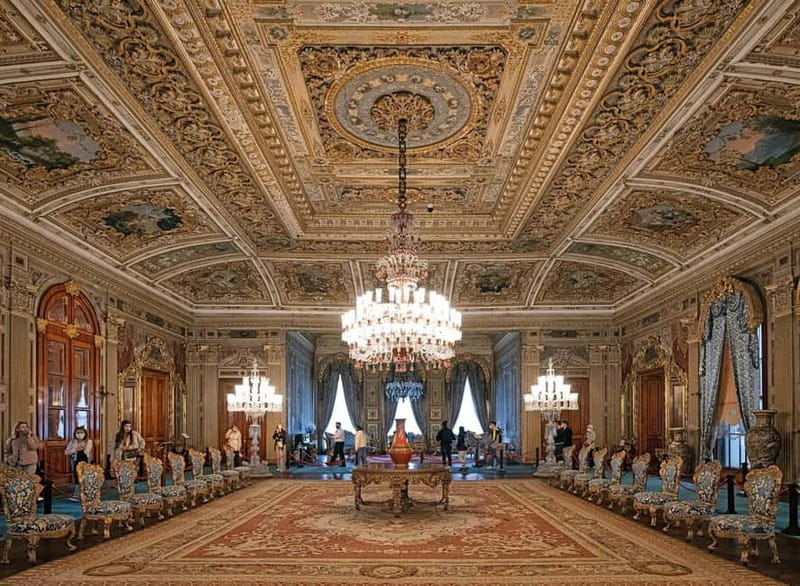
- Gold, crystal, and imperial scale: See the State Apartments and Ceremonial Hall, including Bohemian and Baccarat chandeliers.
- A private group for up to two: The format works well for couples or anyone who prefers questions and a flexible pace.
- The Harem is included: Spend about 30 minutes learning about royal family life and Harem traditions.
- Atatürk’s summer residence: Visit the palace rooms linked to Mustafa Kemal Atatürk and the early years of modern Turkey.
- Meet at the Clock Tower: Pass through security first, then find the guide beneath the large clock tower holding a Walks In Europe sign.
- Budget for the extra admission fee: The guide purchases priority tickets, but the 35 euro per person cost is separate from the booking price.
Why Dolmabahçe Palace feels different from Istanbul’s other palaces
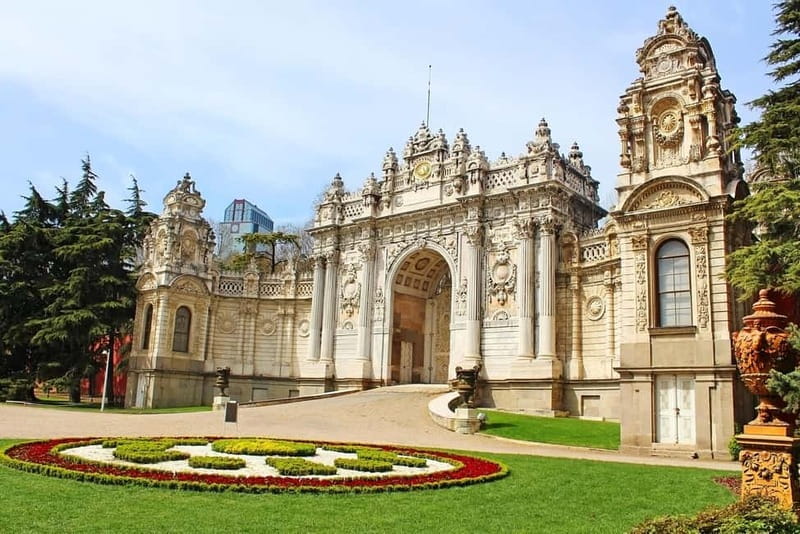
Dolmabahçe was built as an Ottoman answer to European royal palaces. You will not find the inward-looking courtyards and tile-heavy mood of Topkapı Palace here. Instead, the rooms aim for ceremony and display: polished surfaces, grand staircases, gold decoration, crystal lighting, and formal European design.
That contrast is part of the appeal. At Dolmabahçe, the Ottoman court was showing that it could speak the visual language of 19th-century Europe while keeping its own royal traditions. Your guide helps connect those two sides, explaining not only what you are looking at but why the palace was built in this style.
I especially like having a guide here because the palace can otherwise become a parade of impressive rooms. Gold and crystal catch your eye at once, but the political and social story takes more work to see. A good guide gives you a pattern to follow, from the sultans and their court to Atatürk’s later use of the building.
More Topkapi and Dolmabahce palace tours in Istanbul:
- Topkapi Palace and Harem Skip-the-Line-Tickets & Audio Guide
★ 4.3 · 4,745 reviews - Basilica Cistern & Hagia Sophia with Optional Topkapi Palace
★ 4.6 · 3,547 reviews - Istanbul: Topkapi Palace and Harem Ticket with Audio Guide
★ 4.4 · 2,401 reviews
Meeting at the Clock Tower after security
The meeting point is outside Dolmabahçe Palace, beneath the large Clock Tower at the entrance to the palace grounds. First pass through the security gate. After that, look for the guide holding a sign marked Walks In Europe.
This detail matters. Do not expect to meet the guide on the public pavement before security. The guide waits by the Clock Tower after you have cleared the initial security line. Have your cash ready at this point, since the guide purchases the admission tickets through the separate guides’ line.
The experience lasts about 2.5 hours. Roughly two hours cover the palace, followed by about 30 minutes in the Harem. It is a good length for a serious look without turning the visit into an all-day project, though the palace itself can feel tiring if you rush from room to room.
The guide can conduct the tour in English or German. Guides who have led this experience include Melissa, Murat, and Çetin, though your assigned guide will depend on the date. The strongest personal feedback centers on clear explanations, humor, patience, and the ability to answer questions without making the tour feel like a lecture.
Inside the Sultan’s State Apartments
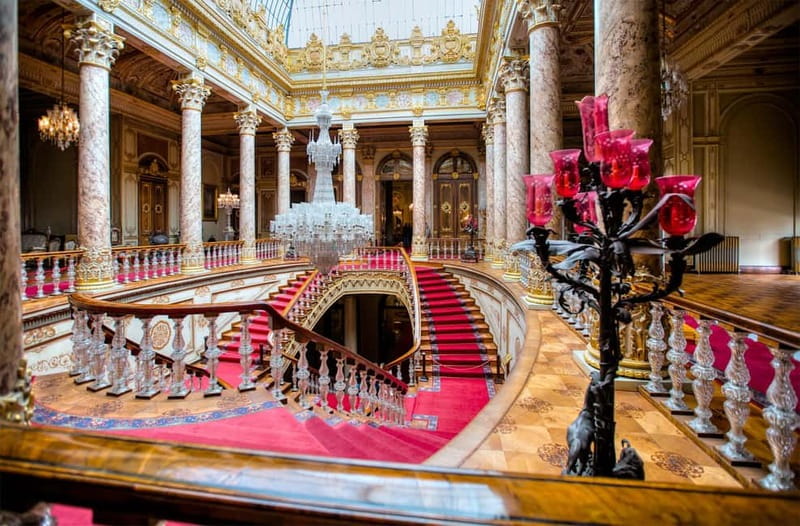
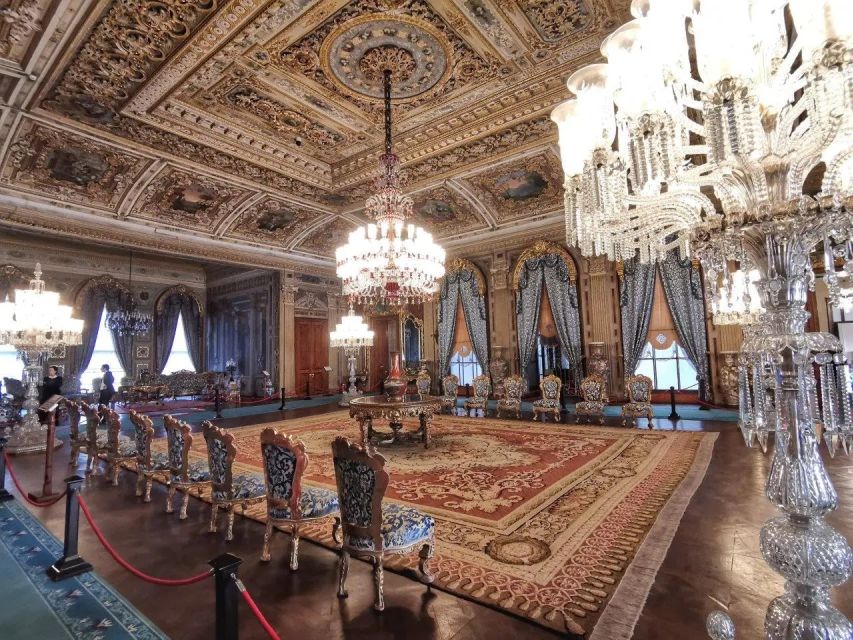
The State Apartments are the heart of the visit. These rooms were designed to impress official visitors, foreign dignitaries, and anyone who entered the world of the Ottoman court. Expect lavish decoration, gold details, crystal fittings, and a formal sense of order rather than a cozy royal home.
I like this section best when you take time to look beyond the first flash of decoration. Notice how the rooms are arranged to control movement and attention. This was a place for public ceremony, so scale mattered. The furnishings and finishes were meant to communicate authority.
Your guide adds the missing context. Instead of simply pointing out a gilded ceiling, the guide can explain how the palace functioned, who used the rooms, and how court life was organized. Murat, for example, was praised for mixing historical detail with humor and for taking questions. That combination is useful here, where a stream of facts can otherwise blur together.
The tour also brings up the sultans who lived in the palace and the traditions surrounding the royal household. You get a clearer idea of how the building served several purposes at once: residence, reception space, workplace, and symbol of imperial power.
The Ceremonial Hall and its famous chandeliers
The Ceremonial Hall is the palace’s great visual event. Its chandeliers are among the most memorable features, including Bohemian and Baccarat crystal pieces that glitter above the vast interior.
This is the room where the palace’s theatrical side makes complete sense. The scale is not accidental. Every element was intended to make formal events feel important, from the ceiling and lighting to the open floor and carefully arranged decoration.
Your guide can also explain why the hall mattered politically and socially. It hosted events of major importance, so it was more than a pretty room. It was a stage for the Ottoman court and its public image.
Give yourself a moment to look up, but also listen. A common mistake is to spend the whole time taking photographs and miss the explanation of how the room was used. Photography can capture the chandelier, but it cannot explain the ceremony, hierarchy, and change that took place beneath it.
More guided palace visits in Istanbul:
- Istanbul: Topkapi Palace and Harem Guided Tour with Ticket
★ 4.8 · 1,726 reviews - Dolmabahce Palace & Harem Skip-the-Line Entry & Audio Guide
★ 4.7 · 927 reviews - Istanbul: Topkapi Palace and Harem Ticket with Audio Guide
★ 4.2 · 786 reviews - Istanbul: Topkapi, Harem Small Group Guided Tour & Historian
★ 4.3 · 439 reviews
The Harem, with royal family traditions
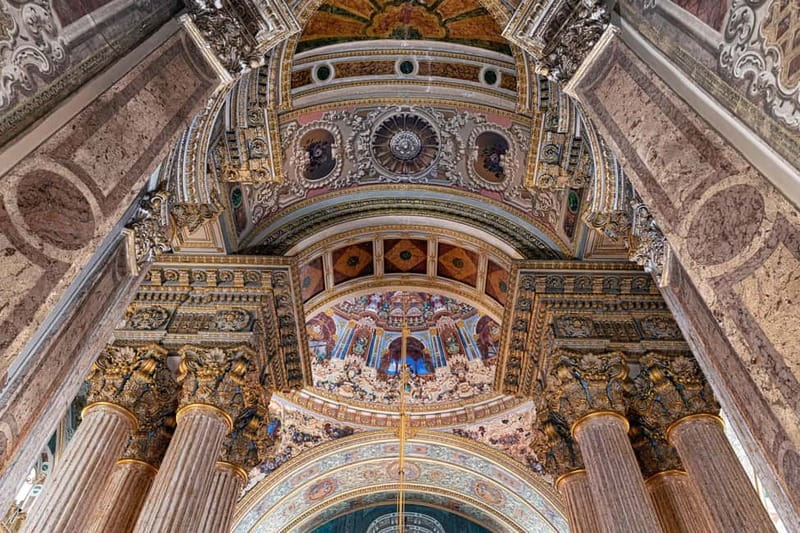
The Harem section takes about 30 minutes and is included in the guided visit. This is important because the word Harem often produces a misleading picture. Here, the focus is on the private side of palace life, the royal family, household traditions, and the way these rooms fit into the larger complex.
The Harem gives balance to the public State Apartments. The first area shows how the sultanate presented itself to the outside world. The second helps you think about family life, privacy, and the people who lived within the palace system.
Expect your guide to share lesser-known stories and explain traditions connected with the Ottoman royal family. This is where a live guide earns the admission fee most clearly, since bare architecture does not explain how the household worked.
The Harem is still part of a formal palace complex, not a casual family home. Keep that in mind as you look at the rooms. The point is not simply to imagine private life but to understand how privacy operated within a highly structured royal household.
Atatürk’s rooms and the birth of modern Turkey
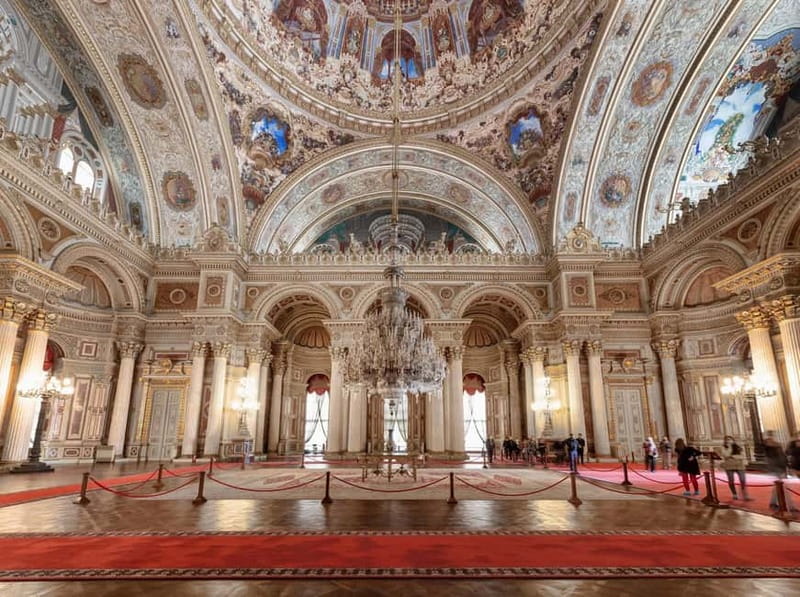
Dolmabahçe also carries modern political meaning. Mustafa Kemal Atatürk, founder and first President of the Republic of Turkey, used the palace as a summer presidential residence. Some of his important work took place here.
This section changes the mood. The palace begins as an Ottoman royal residence, but its story does not end with the sultans. Atatürk’s presence links the building to the creation of modern Turkey and gives the visit a strong 20th-century chapter.
I appreciate this connection because it prevents Dolmabahçe from being treated as a frozen Ottoman set. The building was reused during a period of major change. Your guide can help explain that shift and show how the same rooms belonged to two different political eras.
If you are interested in Turkish history, this may be the most meaningful part of the tour. If you mainly want decorative interiors, it still adds useful context to the palace’s later life.
The gardens, fountains, and marble vases
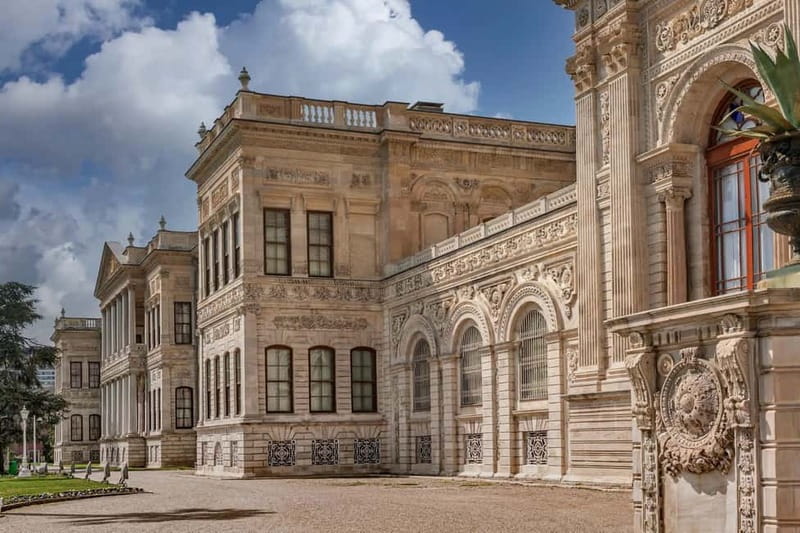
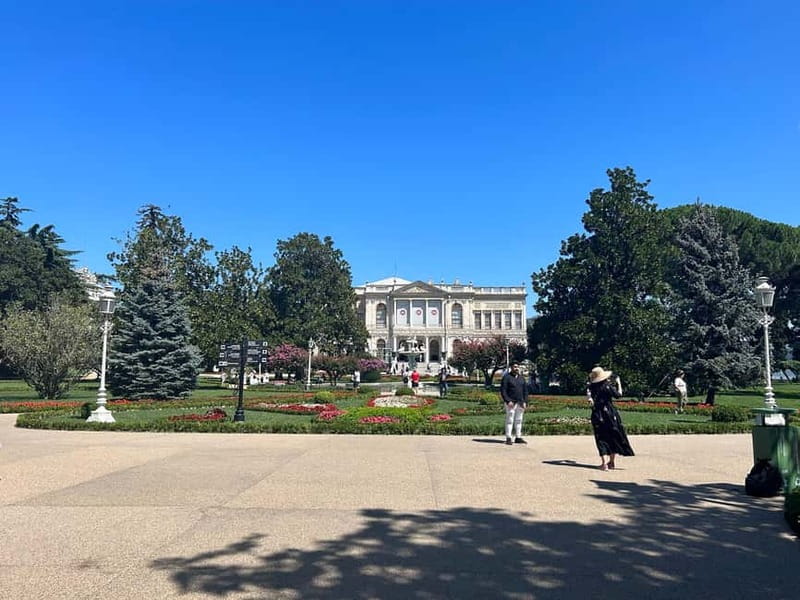
After the indoor tour, you can explore the royal gardens at your own pace. The gardens include statues, water fountains, and marble vases, offering a quieter finish after the heavy decoration indoors.
I like this unhurried ending. The palace interiors demand attention, while the gardens give you room to look back at the building and let the visit settle. The outdoor space also helps you appreciate the palace as a complete royal compound rather than a chain of rooms.
The garden time is not presented as another long guided section. You have the freedom to wander after the main tour, so use it for photographs, a slower look at the exterior, or a short pause before continuing through Istanbul.
What the private format is really worth
The price is $412 per group of up to two, before the separate admission charge. At first glance, that is a serious amount for a 2.5-hour visit. The value depends on how much you want personal attention and how useful a live explanation will be for you.
For two people, the format gives you a private guide rather than a large group. You can ask about a particular sultan, return to a detail you missed, or request a slower pace. Several guides have been praised for being friendly, funny, and attentive, with Melissa especially noted for offering additional Istanbul suggestions.
The ticket cost needs careful attention. Admission is 35 euros per person and must be paid to the guide at the meeting point. It is not included in the advertised booking price. That arrangement may be convenient because the guide handles the purchase through the separate guides’ line, but you should calculate the full cost before booking.
The time saving is useful if you have a packed day. The separate guide entrance does not mean you ignore security, since everyone still passes through the security gate. It does mean the guide has priority access to purchase the palace tickets, which can make the start of the visit more orderly.
Who will enjoy this tour most
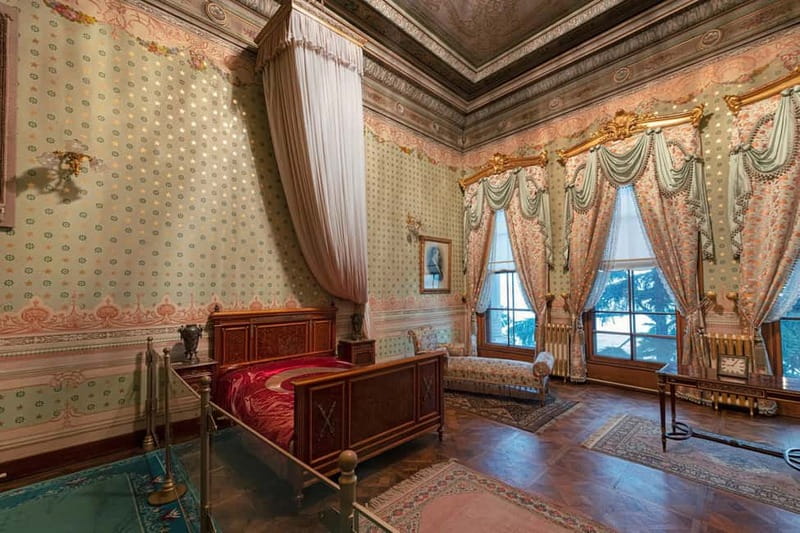
I would choose this experience for a couple who wants a focused, private introduction to Dolmabahçe without arranging a self-guided visit. It also suits anyone who enjoys asking questions and prefers stories selected by a person rather than trying to read every sign.
History-minded visitors will get the most from the Harem traditions, the Ottoman court context, and the connection to Atatürk. Architecture fans will appreciate the European-style design, crystal chandeliers, gold decoration, and formal rooms.
The tour may be less suitable if you prefer complete independence or want to spend a long time photographing every room. The palace visit follows a guided structure, and the 2.5-hour time frame puts a natural limit on lingering.
You also need to plan around the restrictions. Backpacks are not allowed, and the experience is not suitable for wheelchair users. Keep your belongings light and confirm that the route works for your group before paying.
Seven practical questions before you book
FAQ
How long does the Dolmabahçe Palace tour last?
The experience lasts 2.5 hours. About two hours are devoted to the palace and about 30 minutes to the Harem.
Where do I meet the guide?
Meet beneath the large Clock Tower at the entrance to the palace grounds, after passing through the security gate. The guide carries a Walks In Europe sign.
Are palace admission tickets included?
No. The guide purchases priority admission tickets through a separate guides’ line, but the cost is 35 euros per person and must be given to the guide at the meeting point.
What languages are available?
The live tour is available in English or German.
Is this a private tour?
Yes. It is arranged as a private group for up to two people.
Can I bring a backpack?
No. Backpacks are not allowed.
Is the tour suitable for wheelchair users?
No. The experience is not suitable for wheelchair users.
Should you book the Dolmabahçe guided tour?
Book it if you want the palace’s decoration to come with a clear story. The private setting, Harem visit, Atatürk connection, and separate guide-ticket line make the experience more useful than simply walking through room after room with an audio guide.
Think twice if the total cost feels high for a short visit, or if you prefer to explore alone. Remember to add the 35 euro admission fee per person, bring cash, leave your backpack behind, and arrive at the Clock Tower after security.
For a couple who values a personal pace and a guide who can turn gold, crystal, and royal rooms into understandable history, this is a strong choice. The palace is spectacular on its own, but the right guide helps you see why it mattered.
Just added around Istanbul
- Topkapi Palace&Harem-Guided Tour-Skip lines- All tickets inc★ 4.8 · 66 reviews
- Topkapi Palace Tour: Scenes of the Ottoman Empire★ 5.0 · 3 reviews
- Topkapi Palace Complete Tour: Harem & Hagia Irene Included★ 3.5 · 4 reviews
- Topkapi Palace Express Tour with Harem Tickets★ 3.8 · 11 reviews
- Topkapi Palace & Hagia Sophia Tickets + Audio Guide★ 3.8 · 8 reviews
- Topkapi Palace + Basilica Cistern Tickets & Audio Guide★ 4.5 · 30 reviews
- Istanbul: Yildiz Palace & Museum Skip the Ticket Line Entry★ 4.7 · 21 reviews
- Istanbul: Topkapi Palace & Dolmabahce Palace Combo Ticket★ 5.0 · 7 reviews
Topkapi and Dolmabahce Palace Tours, compared.
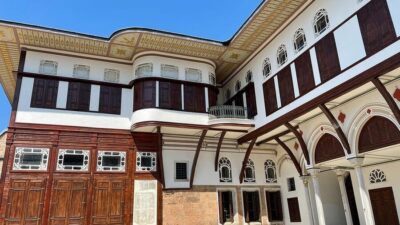
Topkapi Palace and Harem Skip-the-Line-Tickets & Audio Guide
Read our review →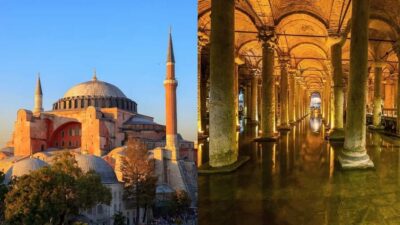
Basilica Cistern & Hagia Sophia with Optional Topkapi Palace
Read our review →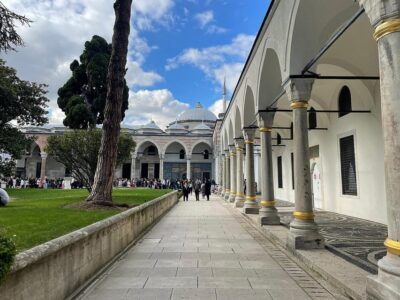
Topkapi Palace and Harem Ticket with Audio Guide
Read our review →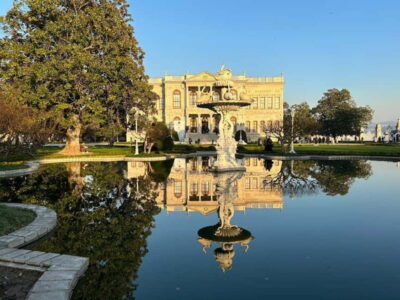
Dolmabahce Palace and Harem Fast-Track & Audio
Read our review →
Topkapi Palace and Harem Guided Tour with Ticket
Read our review →
Topkapi, Hagia Sophia and Basilica Cistern Tour
Read our review →
Basilica Cistern &Topkapi Palace &Hagia Sophia Combo Tickets
Read our review →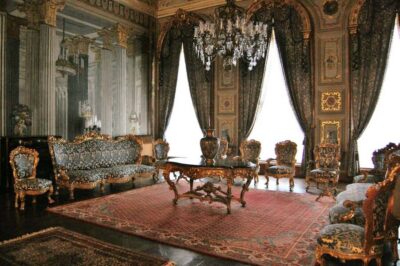
Dolmabahce Palace & Harem Skip-the-Line Entry & Audio Guide
Read our review →Browse the lists this tour appears in