
REVIEW · ITALIAN PALAZZO TOURS
Lazing among giants – a guided tour of Palazzo Te
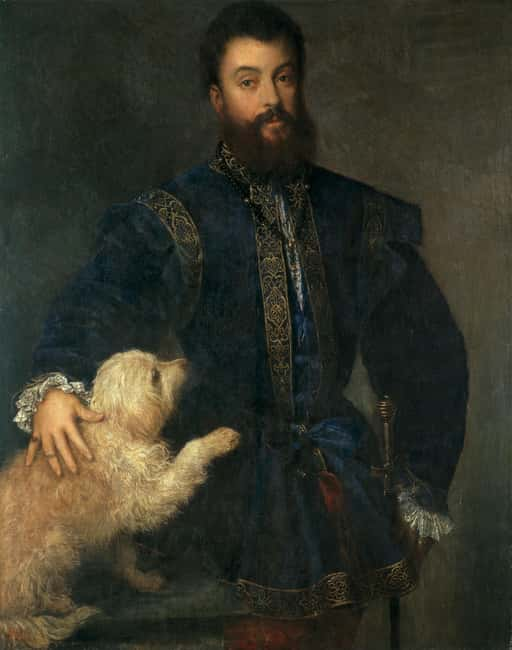
Palazzo Te is not a quiet country house. It is a stage set in stone and fresco, built for Duke Federico II Gonzaga’s pleasure, romance, and private entertainments. The boldest moment comes in the Camera dei Giganti, where painted giants seem to tumble around you as the room turns myth into theater.
I like the focus on Giulio Romano’s clever visual tricks, and I like having a guide explain the palace rather than simply walking through its grand rooms alone. The main catch is important: your $17 pays for the guide, not admission to Palazzo Te, so you must buy the palace ticket separately.
Key points at a glance
- A villa built for pleasure: Learn how Federico II Gonzaga used Palazzo Te as a suburban retreat for leisure and his relationship with Isabella Boschetti.
- Giulio Romano’s playful art: See the frescoes and visual deceptions created by Raphael’s former student and his workshop.
- The Sala dei Cavalli: Look closely at the room’s grand painted horses and courtly imagery.
- The Camera di Amore e Psiche: Enter one of the palace’s most sumptuous rooms, filled with mythological decoration.
- The Camera dei Giganti: Experience the palace’s most dramatic room, designed to make you feel surrounded by a collapsing mythological world.
- A private Italian-language visit: The tour is intended for a private group and is led in Italian, with Eleonora Scacchetti named as the guide.
Why Palazzo Te Feels More Like Theater Than a Palace
I like Palazzo Te because it does not present power in the usual stiff, official way. Federico II Gonzaga commissioned it as a villa of leisure and entertainment outside Mantua, a place where he could step away from formal court life and spend time with Isabella Boschetti.
That purpose matters. The palace was not built only to impress ambassadors or display military success. Its rooms were designed to surprise, amuse, seduce, and unsettle. The frescoes are full of mythological stories, muscular figures, animals, architectural illusions, and scenes that reward close attention.
Your guide helps tie those pieces together. Without explanation, you may notice the bright colors and grand scale but miss the clever games built into the decoration. The phrase lucid deceptions captures the spirit well: the paintings ask you to accept impossible architecture and mythological drama as if they were real.
This is a good visit for anyone who likes art with a sense of humor. It is less about ticking off a long list of objects and more about understanding how one Renaissance prince used art to create a personal world.
More palazzo tours in Italy:
- Florence: Palazzo Vecchio Entrance Ticket & Audioguide
★ 4.4 · 4,822 reviews - Florence: Entrance Ticket to Pitti Palace
★ 4.5 · 4,528 reviews - Venice: Palazzo Contarini del Bovolo Entrance Ticket
★ 4.3 · 1,991 reviews
Meeting at the Palazzo Te Entrance
You meet at the entrance to Palazzo Te. There is no transport included, so you are responsible for reaching the palace and arriving at the meeting point on your own.
The tour is described as lasting one hour, while the visit itself is also specified as about one hour and 30 minutes. Treat the longer figure as the safer planning estimate. I would allow at least 90 minutes for the palace visit, plus extra time to arrive, purchase admission, and get settled.
The entrance ticket is not included in the $17 tour price. This is the detail most likely to cause confusion, so plan for two separate costs: the guide fee and the palace admission fee. The guide price can be good value if you want the paintings explained, but it is not the total cost of entry.
The group is private, which gives the visit a more personal feel than a large scheduled walk. The guide can focus on your questions and move at a sensible pace for your party, though the available information does not specify the maximum group size.
The Sala dei Cavalli and the Language of Court Life
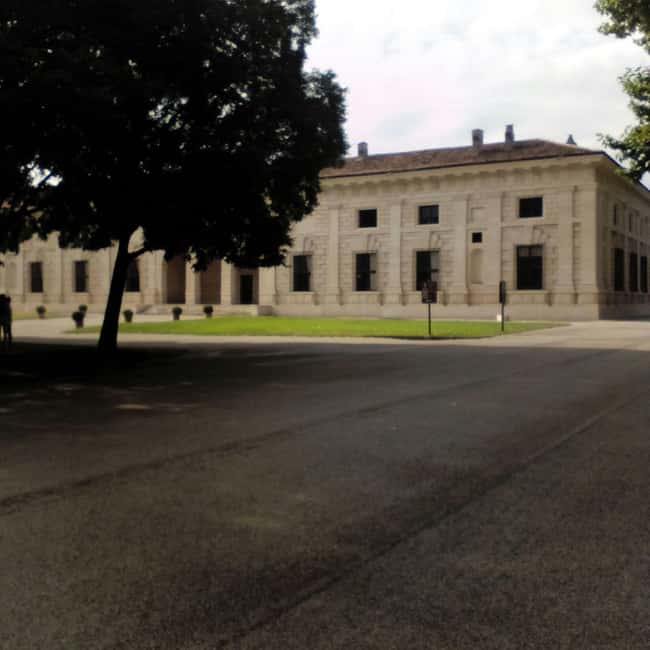
One of the rooms on the route is the Sala dei Cavalli, or Hall of the Horses. Its decoration reflects the Gonzaga court’s love of horses and ceremony, and the room gives you a useful introduction to the palace’s visual scale.
You will see how painted decoration turns a room into a statement about status. The horses are not simple background ornaments. They belong to a world of courtly display, where animals, architecture, myth, and the duke’s identity all work together.
This is where an Italian-language guide can add real value if you understand Italian. The room offers plenty to look at, but the meaning is not always obvious from the images alone. A guide can point out details and explain why the decoration suits a villa designed for a duke’s private use.
The activity is conducted in Italian, and some content is shown in its original language. If you do not understand Italian, you should consider that before booking. The supplied information does not promise an English-language option or translation.
The Camera di Amore e Psiche
The Camera di Amore e Psiche is one of Palazzo Te’s most sumptuous rooms. Its theme comes from the ancient myth of Cupid and Psyche, a story of love, desire, trials, and reunion that suited a palace built around pleasure and romance.
The room helps explain the building’s private character. Federico II did not commission decoration that was merely respectable. He chose scenes with emotional charge and mythological richness, then placed them in rooms intended for entertainment and intimate court life.
Look beyond the famous figures. The effect comes from the combination of painted architecture, bodies, gestures, movement, and color. Giulio Romano and his workshop make the walls feel active, as if the stories are spilling across the room rather than sitting inside neat frames.
I would pay attention to how the palace moves between public display and private amusement. The grand scale can make the building seem official, but the subjects and playful treatment remind you that this was also a retreat for the duke’s own enjoyment.
More guided palace visits in Italy:
- Venice: Doge’s Palace, Bridge of Sighs & Prisons Guided Tour
★ 4.3 · 2,549 reviews - Skip-the-Line: Doge’s Palace & St. Mark’s Basilica Fully Guided Tour
★ 4.5 · 1,892 reviews - Florence: Palazzo Vecchio Guided Tour
★ 4.8 · 1,260 reviews - Venice: Doge’s Palace, Bridge of Sighs, Prisons, Correr & Audio Guide
★ 4.1 · 980 reviews
The Camera dei Giganti’s Great Painted Shock
The Camera dei Giganti is the main reason to choose this visit over a quick self-guided look. It is the palace’s most dramatic room, and its design is meant to overwhelm your sense of space.
The fresco shows the giants’ defeat by Jupiter. Instead of presenting the story in separate panels, the painting spreads around the walls and ceiling. Painted architecture does not give you a calm boundary. Figures appear to press into the room, while the scene seems to move around you.
This is Giulio Romano at his most theatrical. The room is not simply decorated with a myth. It turns you into an audience member inside the myth. The result can feel funny, frightening, and disorienting at the same time.
The duke used this room for private audiences, which adds another layer to the experience. Imagine receiving visitors in a setting where the walls appear to collapse under divine power. The room sends a clear message about authority, but it does so through spectacle rather than a formal portrait or a line of military trophies.
Give yourself time to look upward and around, not only straight ahead. The illusion depends on the whole room working together. A guide can help you understand how the painted space was planned and why the effect is so unusual.
Flash photography is not allowed, and audio recording is also prohibited. You will need to experience the room with your eyes and memory rather than relying on a recording. That is no great hardship here. The Camera dei Giganti is the sort of place that works best when you stop trying to document every inch of it.
Understanding Giulio Romano’s Visual Tricks
Giulio Romano was a student of Raphael, but Palazzo Te does not feel like a polite copy of Raphael’s style. The decoration is more playful, more physical, and often more unsettling.
The tour’s focus on lucid deceptions gives you a useful way to read the palace. Watch for painted columns, imagined openings, unusual proportions, and scenes that challenge your sense of where the room ends. These tricks are not decoration for decoration’s sake. They shape how you move and how you feel.
The artists in Giulio Romano’s workshop contributed to the palace as well. That means the experience is not limited to one artist’s hand, but the overall vision remains clear. Federico II wanted a complete environment, not a gallery of unrelated pictures.
I like this approach because it makes the palace easier to remember. You are not just collecting names and dates. You are learning to notice how an artwork controls your attention and turns architecture into performance.
What the One-Hour Visit Gives You
The advertised duration is one hour, with the visit also described as lasting about an hour and a half. In practical terms, this is a compact tour with enough time to cover the major rooms but not enough time for a slow, exhaustive study of every detail.
That length suits a busy Mantua itinerary. You can see the main highlights without giving up an entire morning or afternoon. If you are especially interested in Renaissance painting, however, you may want additional time after the guided portion to revisit the rooms at your own pace.
The itinerary begins and ends at Palazzo Te. There is no separate transfer between sights, no meal, and no transport included. This keeps the activity simple, but it also means you should organize the rest of your day around the palace rather than expecting the guide to connect it with other Mantua attractions.
Comfortable shoes and comfortable clothes are recommended. The advice is sensible for a visit that involves standing and walking through several rooms, even though the route is not described in detail.
The Guide and the Private Format
The provider is Eleonora Scacchetti of Guidamica Mantova Guida Turistica, and Eleonora is the guide named in the experience details. Feedback about her points to a professional, cordial, and helpful style, with particular praise for her explanations and willingness to answer questions.
That matters at Palazzo Te. The rooms are visually crowded, and it is easy to look without understanding. A guide who can pause for questions and explain the duke’s motives gives the visit a clearer thread.
The private-group format is also useful if your party has different levels of interest. You can ask for more attention in the Camera dei Giganti, request clarification about a myth, or move on once you have seen enough. The language is Italian, so this flexibility is most useful if Italian is comfortable for you.
The activity is wheelchair accessible. The supplied information does not describe specific facilities or route details, so you may want to confirm any particular access needs before booking.
Price, Timing, and the Important Extra Cost
At $17 per person, the guide fee is modest for a private visit, but the value depends on your interest in interpretation and your comfort with Italian. You are paying for a focused explanation of the palace, not a bundled admission package.
The separate entrance fee deserves emphasis. One booking resulted in disappointment because the participant expected admission to be included and found that the payment covered only the guide. The warning is simple: check the palace admission cost before you commit, then judge the total against your budget.
The booking terms are flexible. You can reserve now and pay later, and cancellation is free up to 24 hours before the activity for a full refund. Those terms help if your Mantua schedule is still changing, but they do not remove the need to budget for the palace ticket.
Who Will Get the Most From This Tour?
I would choose this tour if you want to understand why Palazzo Te looks the way it does, rather than simply walk through a beautiful building. It is especially well suited to you if you enjoy Renaissance art, mythology, painted illusions, court culture, or theatrical spaces.
It also suits a small private party that prefers a guide’s attention over a large group. The Camera dei Giganti alone can make the visit worthwhile, but the Sala dei Cavalli and Camera di Amore e Psiche give the experience a fuller arc.
I would hesitate if you need an English-language tour, want admission included, or prefer to explore completely on your own. The guide speaks Italian, the palace ticket costs extra, and the short format gives you a guided overview rather than unlimited time in every room.
Pets are not allowed, although assistance dogs are permitted. Flash photography and audio recording are also prohibited, so plan to enjoy the palace without those tools.
Should You Book the Palazzo Te Visit?
Book it if you want the palace’s ideas explained as well as its frescoes admired. The strongest part is the Camera dei Giganti, but the visit becomes more meaningful when you understand the link between Federico II’s private life, Giulio Romano’s visual games, and the building’s role as a place of leisure.
Before booking, confirm that an Italian-language guide works for you and add the separate admission ticket to the $17 price. If those conditions suit your plans, this is a focused and personal way to see one of Mantua’s most inventive Renaissance interiors.
FAQ
Where does the Palazzo Te tour meet?
The meeting point is at the entrance to Palazzo Te.
How long does the visit last?
The activity is listed as one hour, while the visit is also described as lasting about one hour and 30 minutes. Plan for approximately 90 minutes.
Is the Palazzo Te entrance ticket included?
No. The palace entrance ticket is excluded and must be purchased separately at your own expense.
What language is the tour conducted in?
The live tour guide speaks Italian. Some content is shown in its original language.
Is the tour private?
Yes. The group type is listed as a private group.
Is Palazzo Te wheelchair accessible for this activity?
Yes. The activity is listed as wheelchair accessible.
Are pets allowed?
Pets are not allowed. Assistance dogs are permitted.
Can I use flash photography or make an audio recording?
No. Flash photography and audio recording are not allowed.
Just added around Italy
- Pitti Palace and Palatina Gallery★ 4.0 · 41 reviews
- Pitti Palace Small Group Tour★ 5.0 · 6 reviews
- Private Guided Tour of Palazzo Vecchio in Florence★ 3.5 · 4 reviews
- Florence: Palazzo Vecchio Skip the line Entry ticket★ 4.0 · 49 reviews
- Pitti Palace: The Royal Palace of Florence★ 4.5 · 12 reviews
- PALAZZO VECCHIO Private tour in Florence★ 5.0 · 35 reviews
- Private Tour of Pitti Palace with Boboli Garden★ 5.0 · 28 reviews
- Palazzo Vecchio, Palazzo Pitti and Boboli gardens private tour★ 5.0 · 18 reviews
Italian Palazzo Tours, compared.
Uffizi, Pitti Palace & Boboli Combined 5-Day Pass
Read our review →
Palazzo Vecchio: Skip-the-Line Entry and Secret Passage Tour
Read our review →
Opera Concert at Palazzo Poli – Fontana di Trevi
Read our review →
Browse the lists this tour appears in