
REVIEW · KOREAN PALACE TOURS
Seoul: UNESCO Sites tour: Palace, Shrine & Bukchon Village
The most appealing part of this Seoul tour is the mix of royal buildings, sacred tradition, and ordinary neighborhood life. You move from the quiet ancestral halls of Jongmyo Shrine to the lanes of Bukchon Hanok Village, then into the graceful courtyards of Changdeokgung Palace. It gives you more cultural context than a palace visit on its own.
I like the small-group feel reported by several guests, including one outing that was private, and I like that guides such as Stella, Leo, Chloe, Orota, and Ms. Park have been praised for clear history lessons and taking photos. The drawback is the fixed early meeting time, plus no hotel pickup and no included lunch. Tuesdays and Mondays also bring itinerary changes.
Key points to know before booking
- Three different sides of old Seoul: See traditional homes in Bukchon, royal architecture at Changdeokgung, and ancestral rites at Jongmyo Shrine.
- Strong guide service: Guides including Stella, Leo, Chloe, Orota, and Ms. Park are noted for history, photos, kindness, and practical help.
- Suwon may be part of the full-day version: The longer itinerary adds Suwon Hwaseong Fortress and Hwaseong Haenggung Palace.
- Good value at $36: Entrance fees, an English-speaking guide, van transport, and a driver are included.
- Calendar changes matter: Changdeokgung is replaced by Gyeongbokgung on Mondays, while Jongmyo is replaced by Insa-dong on Tuesdays.
- Plan for a morning start: Meet outside Exit 10 of Myeongdong Subway Station at 8:30 a.m.
Why this tour works for a first look at Seoul
Seoul can feel enormous at first. Its royal sites, old neighborhoods, shopping districts, and modern towers are spread across a wide area, so a guided outing can save you time and help the pieces fit together.
This tour focuses on the city’s older identity. Bukchon shows how traditional houses still sit within a living urban neighborhood. Jongmyo introduces the Confucian traditions that shaped royal Korea. Changdeokgung then gives you the most polished look at palace life, with buildings arranged around courtyards and gardens.
I especially like the balance between looking and learning. You are not simply walking past gates while trying to remember unfamiliar names. Your guide explains why the places matter and how royal customs worked. Several guides have also helped with photos, hanbok shop directions, and restaurant suggestions, which is useful on a first day in Seoul.
The tour costs $36 per person. That is a fair price if you want the entrance fees, transport between sites, driver, and guide bundled together. You will still pay for lunch, and you must make your own way to Myeongdong. If you are comfortable using Seoul’s subway and prefer to move slowly, independent visits may cost less. If you want several major sites explained in one outing, the price is easier to justify.
More Korean palace tours in Seoul:
- Seoul: Gyeongbok Palace, Bukchon Village, and Gwangjang Tour
★ 4.9 · 2,321 reviews - Best Seoul City Tour (Gyeongbokgung Palace,Insadong,Namsan Tower)
★ 5.0 · 1,647 reviews - Seoul City Sightseeing Tour Including Gyeongbokgung Palace, N Seoul Tower, and Namsangol Hanok Village
★ 5.0 · 1,423 reviews
Meeting at Myeongdong Exit 10
The day begins outside Exit 10 of Myeongdong Subway Station at 8:30 a.m. This is a practical meeting point in one of Seoul’s best-known shopping and food districts, but do not treat the start time casually. You need to arrive ready to go, and the exact meeting details are confirmed by the local operator by email. Check your spam folder if that message does not appear.
There is no hotel pickup. The tour also ends back in Myeongdong rather than at your hotel. That arrangement keeps the price down, but you need to allow time to reach the station from your accommodation.
Transport is by van with a driver. That matters because the tour covers several stops and, in the full-day version, reaches Suwon outside central Seoul. You avoid arranging separate taxis or working out several transfers on your own.
Bukchon Hanok Village: traditional homes in a living neighborhood
Bukchon Hanok Village is a strong opening stop because it shows traditional Korean architecture in a real city setting. The narrow streets are lined with hanok, houses built in an older Korean style, and some now contain cafés, galleries, and cultural centers.
This is a place for looking closely. Notice the rooflines, wooden details, tiled walls, and the way old homes sit beside modern Seoul. Your guide introduces the day while you walk, so you get an early explanation of what you are seeing rather than a quick photo stop with no context.
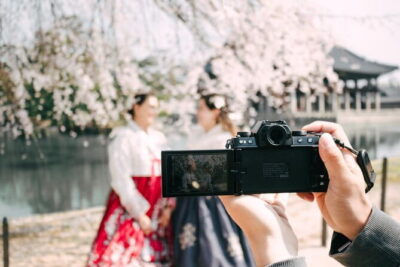
Bukchon is also one of the better places on this tour for photographs. The architecture has a clear visual character, and guides such as Chloe and Ms. Park have been especially helpful with taking pictures. If you are traveling as a couple or family, that small service can make a difference.
Keep in mind that Bukchon is a neighborhood, not an open-air museum created only for sightseeing. The tour information does not promise a private house visit or a craft demonstration. You should expect a walking visit through traditional streets, with respect for residents and local rules.
If Bukchon is closed, the itinerary changes to Namsangol Hanok Village. That alternative keeps the traditional-house theme, but it is not the same place. If Bukchon is a main reason for booking, check the operating conditions before you go.
Jongmyo Shrine: a quieter look at royal tradition
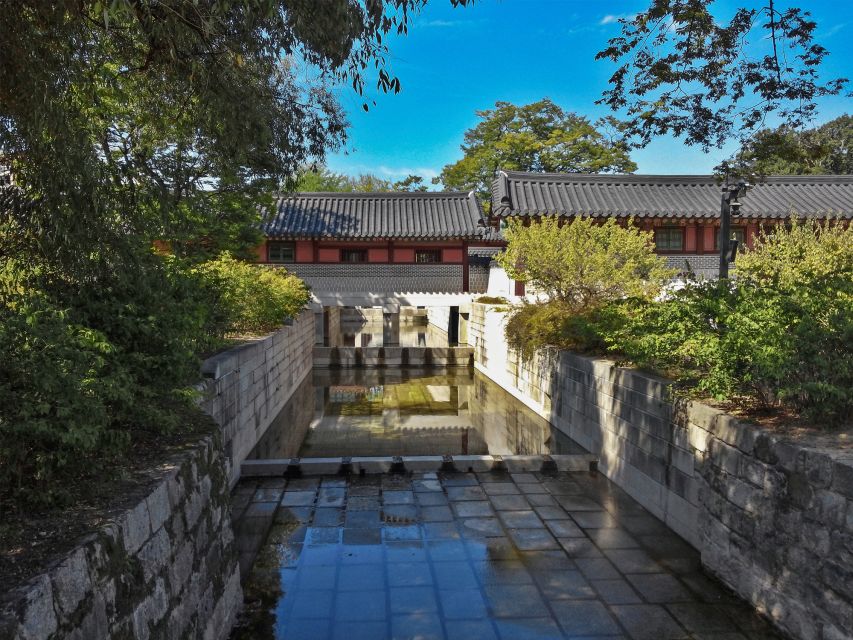
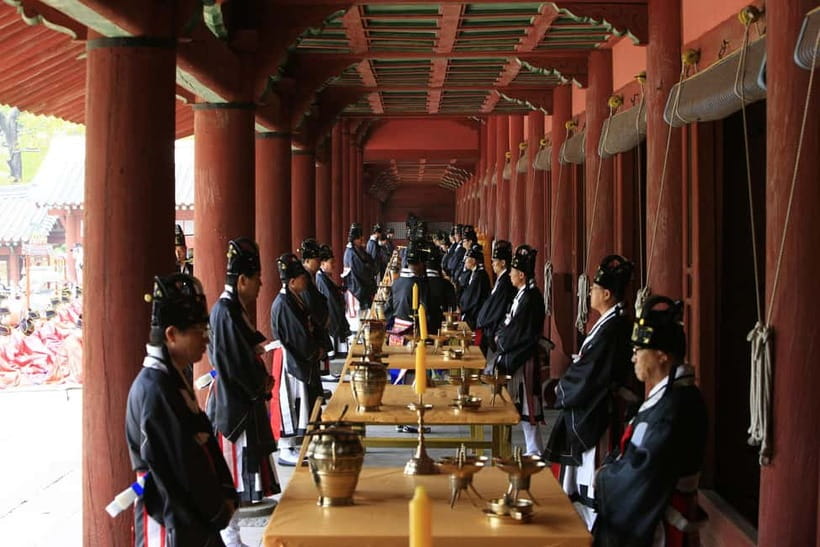
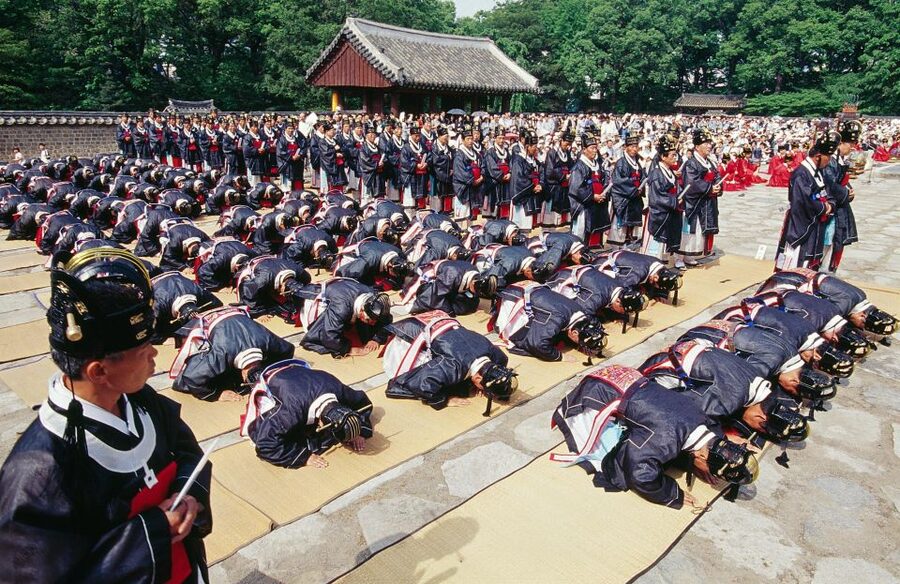
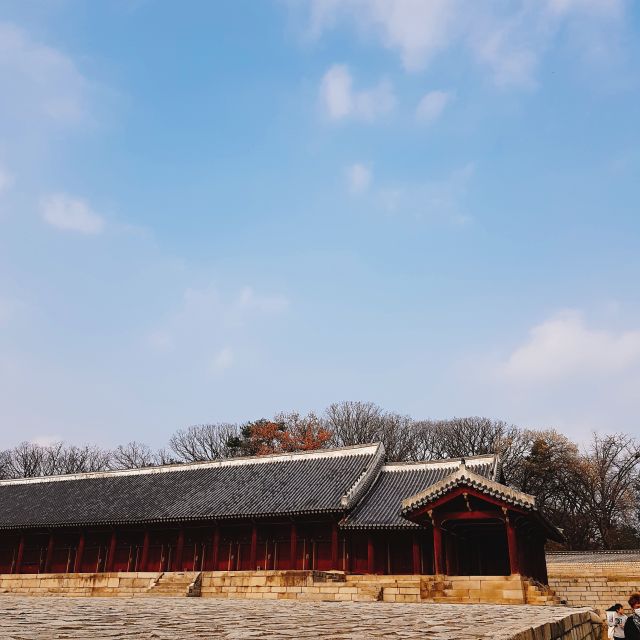
Jongmyo Royal Shrine brings a different mood from Bukchon. It was built nearly 600 years ago for royal ancestral rites, and Korean kings once came here to honor earlier monarchs. The site is connected with the idea that royal spirits continue to reside there, giving the visit a solemn quality.
The buildings are not presented as lavish residences. Their importance comes from ritual, order, and memory. A guide can help you understand why a long, restrained ceremonial space carries such weight in Korean culture.
Jongmyo is also recognized as a UNESCO World Heritage Site. Traditional memorial ceremonies and court music performances are held there at times, although the tour information does not guarantee that one will take place during your visit.
This stop will appeal most to you if you enjoy history that is tied to belief and custom, not only impressive architecture. The shrine may feel less immediately colorful than a palace, but it adds depth to the day. It explains the ceremonies behind the royal family rather than showing only where kings lived.
Jongmyo is closed on Tuesdays. On that day, the tour substitutes Insa-dong Culture Street, an older Seoul neighborhood with antique shops, galleries, traditional tea houses, and a traditional atmosphere. Insa-dong offers more browsing and street life, but it does not replace the shrine’s ritual setting.
A few more palace visits around Seoul worth a look
- Small-Group Royal Palace and Seoul City Tour (hotel pick-up)
★ 5.0 · 1,474 reviews - Seoul: Gyeongbok Palace, Bukchon Village, and Gwangjang Tour
★ 5.0 · 1,044 reviews - Seoul Half-Day City Highlight, Palace Tour with Hanbok
★ 4.9 · 764 reviews - Seoul: Palace, Temple and Market Guided Foodie Tour at Night
★ 4.9 · 750 reviews
Changdeokgung Palace and its carefully planned beauty
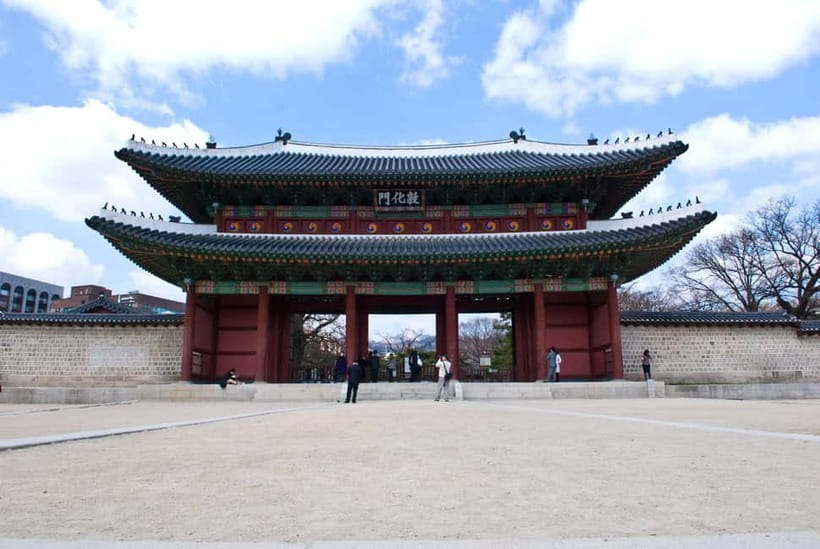
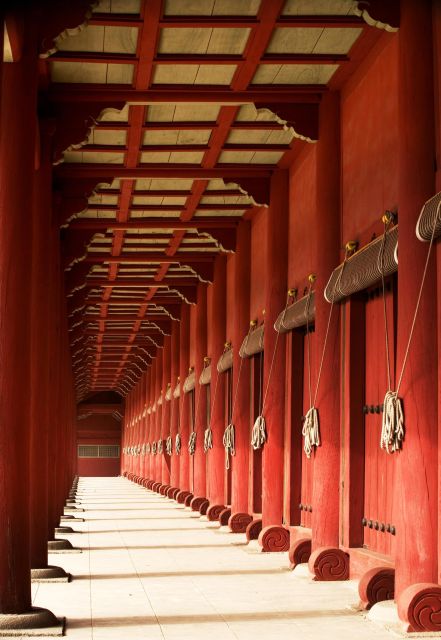
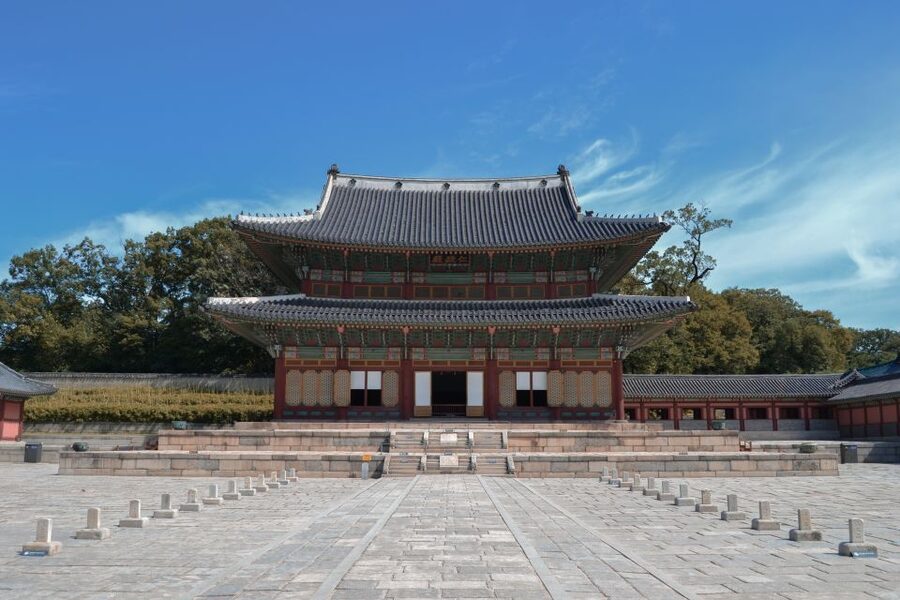
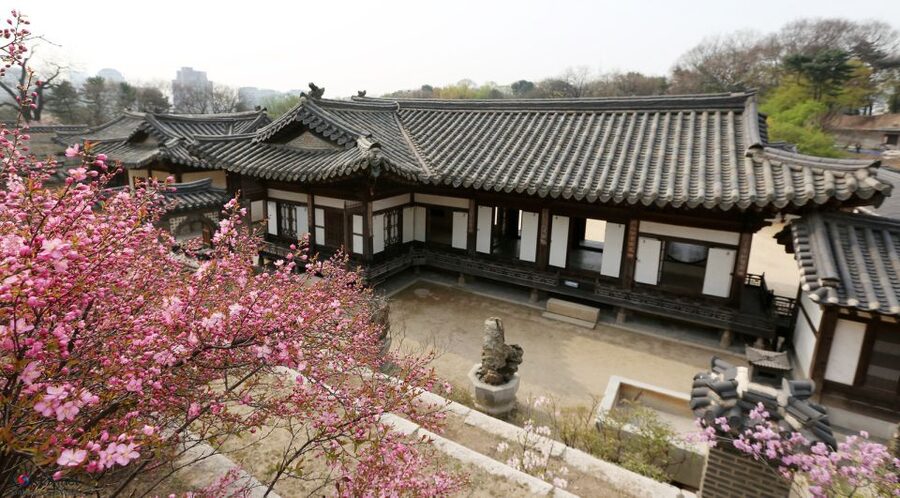
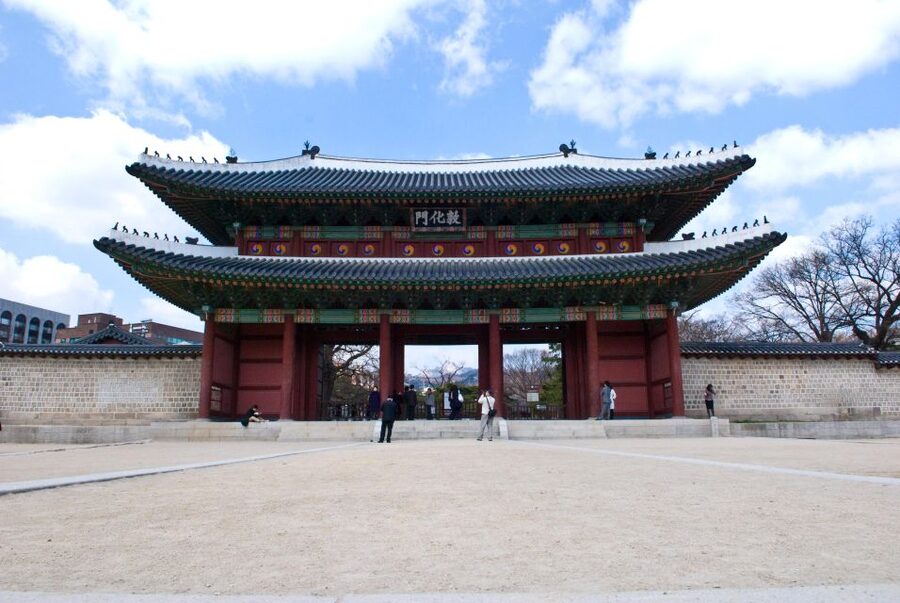
Changdeokgung Palace is the main architectural stop and one of the tour’s strongest points. It served as a royal residence and is valued for buildings and gardens arranged in a way that works with traditional Korean design.
The palace is not just a collection of grand gates. The courtyards, halls, and garden areas show how royal spaces were organized for formal business, family life, and ceremony. A guide’s explanation helps you notice the difference between public areas and more private parts of the complex.
The palace has roughly 600 years of history and UNESCO World Heritage status. That combination gives the visit both visual appeal and wider importance. You are seeing a royal compound that survived changes in the capital and still helps explain Korea’s court culture.
The garden areas are a major reason to allow time here. Their beauty comes from the relationship between buildings and nature rather than from decoration alone. The supplied information does not guarantee a separate garden tour or special access, so you should regard the visit as a guided palace experience rather than a specialist garden program.
Changdeokgung is closed on Mondays. The tour then visits Gyeongbokgung Palace instead. Gyeongbokgung is another major royal site, but the change means you will not see Changdeokgung on that date. If one particular palace matters most to you, choose your day carefully.
Lunch, ginseng, and the practical middle of the day
A lunch break is provided, but the meal is not included in the $36 price. Bring enough Korean won or another accepted payment method for food, and expect the length and location of the break to fit the day’s schedule.
The tour also stops at Cheongha Korea Ginseng. Here you learn about Korean ginseng and its long place in East Asian medicine. Ginseng was documented in the classic Ji Jiu Zhang during China’s Han Dynasty, and Korean ginseng is widely valued for its adaptogenic qualities, meaning it is associated with helping the body handle stress and support general health.
This stop will suit you if you are interested in Korean products, traditional medicine, or gifts to take home. It is also the part of the day most likely to feel commercial compared with the palaces and shrine. You can listen, ask questions, and decide for yourself if any product interests you. Do not assume you need to buy something.
The full-day extension to Suwon
The full-day version continues to Suwon in Gyeonggi-do Province. This adds a substantial second chapter to the outing and makes the tour more than a central Seoul heritage walk.
Suwon Hwaseong Fortress is a UNESCO World Heritage Site known for its well-preserved walls and advanced military engineering from the late 18th century. The fortress gives you a different view of Korean history. Instead of royal ritual and palace ceremony, the focus shifts to defense, city planning, and practical engineering.
You also visit Hwaseong Haenggung Palace, a temporary royal residence used when kings traveled outside the capital. Its purpose helps explain why the Suwon visit belongs in a royal-heritage tour. It shows how the court operated beyond Seoul and how royal travel required a separate residence.
The benefit of choosing the full-day option is clear: you see more UNESCO-listed sites in one organized outing. The tradeoff is pace. Several central Seoul stops already require walking and attention, and Suwon adds more road time and another major site. If you prefer a slow morning with long pauses for photographs, a shorter option may suit you better. If you want a broad introduction to Korean royal and military history, the full-day version gives you more for the money.
Check the exact product option before paying, since the information describes both the central Seoul route and a full-day route that continues to Suwon. The full-day itinerary is stated to include all listed sites, but the booking choice should make clear which version you are selecting.
What the guide adds to the day
The guide is the part of this experience that can turn a sequence of historic sites into a connected story. The tour is in English, and the strongest feedback centers on guides who explain history clearly, keep the mood friendly, and adjust to the group.
Stella has been praised for clear English, Korean history, architecture, and useful suggestions about culture and restaurants. Leo is described as passionate about history and attentive to group needs. Chloe, also identified as KyungAh Park, has helped with photographs and finding a hanbok shop.
Orota is noted for interesting explanations at the palace and shrine, a friendly manner, and taking photos for the group. Ms. Park has also been praised for history, personal attention, and taking photographs at each stop. Heidi is described as warm and pleasant.
You cannot choose one of these named guides in advance based on the information provided. Guide assignment varies, but the pattern is useful: expect a guide-led day rather than a silent transfer between attractions. If photographs matter to you, ask politely. Several guides have made that part of the outing especially helpful.
Who should book this Seoul heritage tour?
I would recommend it to first-time visitors who want an organized introduction to Seoul’s royal past. It is also a good fit for history enthusiasts, people who prefer guided context, and anyone who wants to combine central Seoul with Suwon without arranging separate transport.
Families and couples may appreciate the van and the guide’s help with photographs. The Myeongdong start and finish also make it easy to continue with dinner or shopping after the tour.
This is less suitable if you want to spend an entire day in one palace, avoid group timing, or dislike scheduled stops. It is not suitable for wheelchair users, and the tour runs in rain or shine, so wear sensible shoes and bring weather protection.
At $36, the central route is good value because entrance fees, guiding, a driver, and van transport are included. The value improves if you take the full-day version and want to reach Suwon. Remember to add the cost of lunch and your transport to Myeongdong.
Should you book it?
Book this tour if you want Seoul’s old palaces and sacred sites explained by a friendly English-speaking guide, with transport handled for you. The strongest reasons are the well-balanced route, the useful guide support, and the chance to add Suwon Hwaseong Fortress and Hwaseong Haenggung Palace in the full-day version.
Choose another plan if Changdeokgung is essential and you can only visit on Monday, if Jongmyo is essential and Tuesday is your only available day, or if you need wheelchair access. For most visitors with one open day in Seoul, though, this is a sensible way to connect architecture, royal ritual, neighborhood life, and military history without paying a high tour price.
FAQ
Where does the tour start?
Meet outside Exit 10 of Myeongdong Subway Station at 8:30 a.m. The exact meeting point and time are confirmed by email from the local operator.
Where does the tour end?
The tour ends back at the meeting point in Myeongdong, near the subway station. Hotel drop-off is not included.
Is lunch included?
No. A lunch break is provided, but you pay for your own meal.
What is included in the $36 price?
The price includes entrance fees, a professional English-speaking guide, van transport, and a driver.
What happens on Mondays?
Changdeokgung Palace is replaced by Gyeongbokgung Palace on Mondays.
What happens on Tuesdays?
Jongmyo Royal Shrine is closed on Tuesdays, so the tour visits Insa-dong Culture Street instead.
Is the tour suitable for wheelchair users?
No. The activity is not suitable for wheelchair users.
Just added around Seoul
- Time Travel in Seoul: Gyeongbokgung, Folk Museum & Bukchon★ 5.0 · 10 reviews
- Seoul: Royal Palace Morning Tour including Cheongwadae★ 4.5 · 12 reviews
- Seoul: Vegan Temple Food Class, Jogyesa & Changdeokgung Tour★ 4.6 · 34 reviews
- Seoul: UNESCO Palace and Street Foods Guided Tour★ 5.0 · 6 reviews
- Seoul: Gyeongbokgung, Lotte Tower & Gangnam Trendy Day Tour★ 4.4 · 3 reviews
- Seoul: Hanbok Photo Tour at Gyeongbokgung Palace★ 5.0 · 9 reviews
- Seoul: Gyeongbokgung Palace Tour & Lunch at Authentic Market★ 4.5 · 2 reviews
- Seoul: Deoksugung Palace Night Tour★ 4.9 · 22 reviews
Korean Palace Tours, compared.
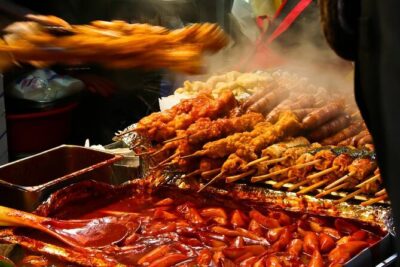
Gyeongbok Palace, Bukchon Village, and Gwangjang Tour
Read our review →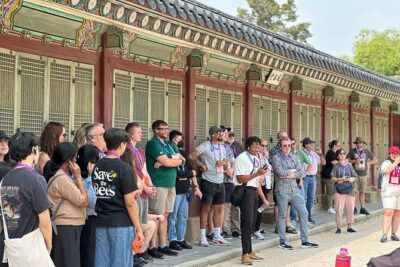
Best Seoul City Tour (Gyeongbokgung Palace,Insadong,Namsan Tower)
Read our review →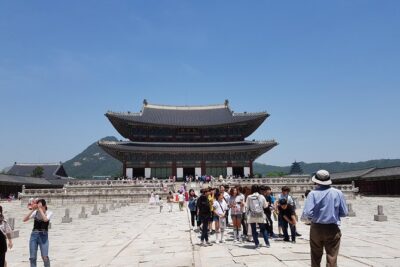
Seoul City Sightseeing Tour Including Gyeongbokgung Palace, N Seoul Tower, and Namsangol Hanok Village
Read our review →Gyeongbok Palace, Bukchon Village, and Gwangjang Tour
Read our review →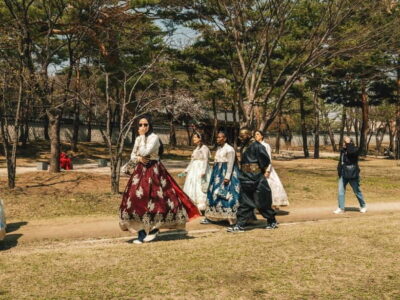
Seoul Half-Day City Highlight, Palace Tour with Hanbok
Read our review →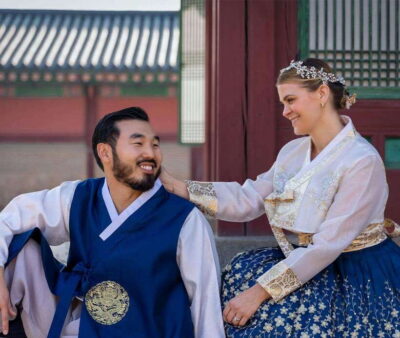
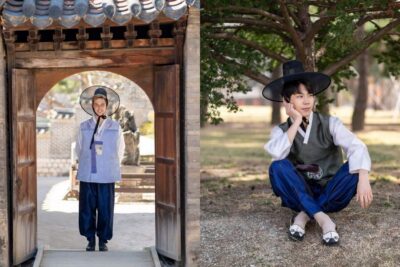
Hanbok Photoshoot and History Tour at Gyeongbokgung Palace
Read our review →Browse the lists this tour appears in