
REVIEW · MUSEUMS
Taipei: National Palace & Shung Ye Aborigines Museums Ticket
The National Palace Museum holds one of the world’s greatest collections of Chinese art, including the famous Jadeite Cabbage and Meat-Shaped Stone. Pairing it with the much smaller Shung Ye Museum gives you two very different views of Taiwan: imperial China on one side, and the island’s 14 recognized Indigenous tribes on the other.
I like the excellent $12 price and the freedom to spend a full day at your own pace. I also like the QR-code entry, which keeps arrival simple. The main drawback is scale: the National Palace Museum can feel overwhelming, while Shung Ye is small enough to see in about 30 minutes.
Key points to know before you go
- Two museums, two sides of Taiwan: See Chinese imperial art at the National Palace Museum, then learn about Indigenous life and traditions at Shung Ye.
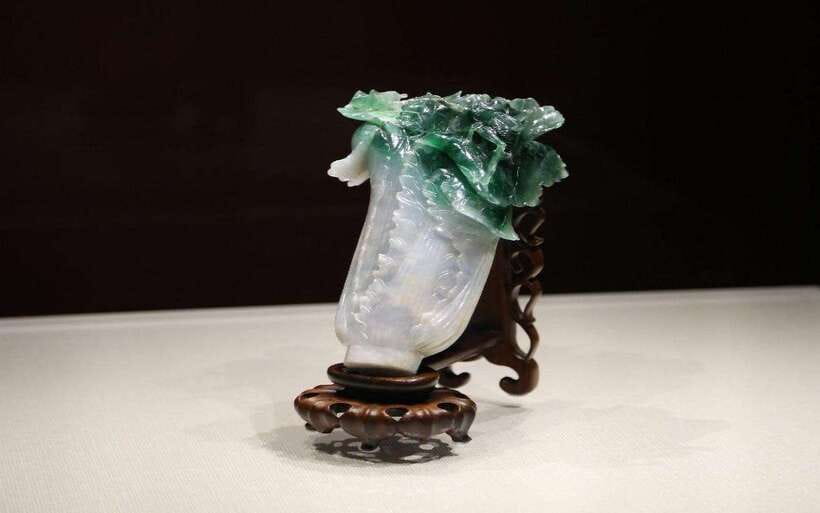
- The Jadeite Cabbage is the headline object: The tiny details carved into this famous jade piece make it one of the museum’s must-see displays.
- The National Palace Museum needs time: Its collection covers more than 5,000 years, so plan your visit instead of trying to see everything.
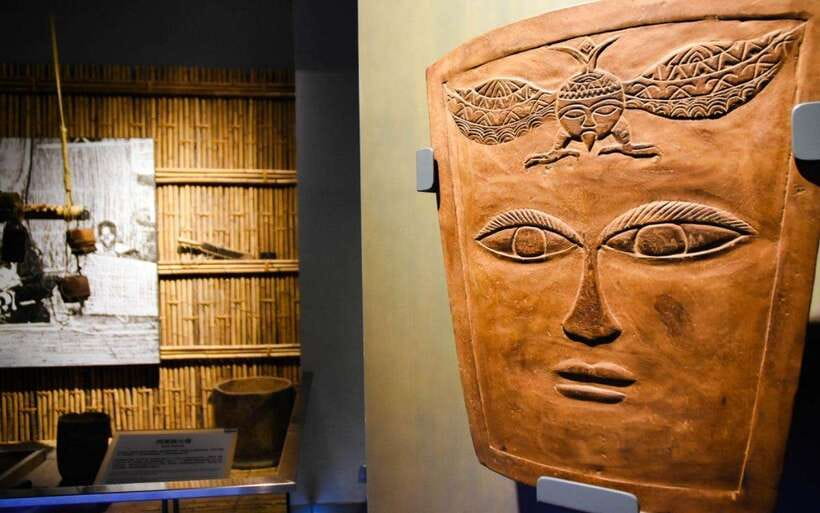
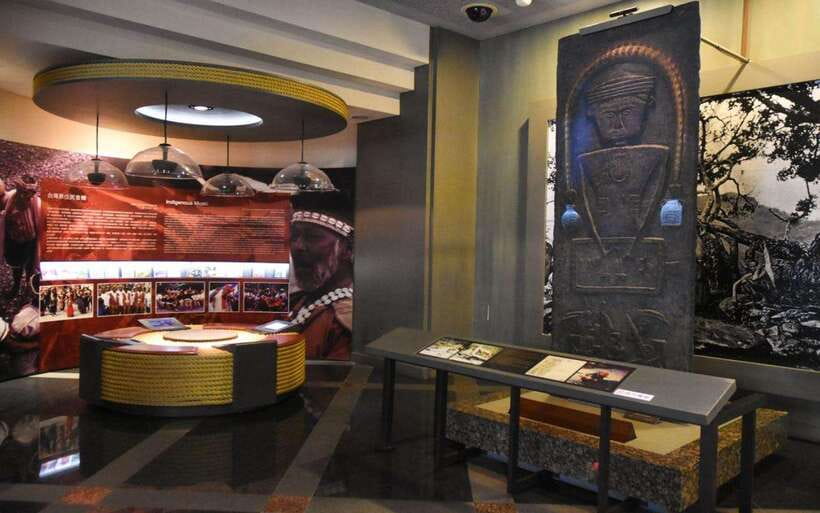
- Shung Ye is brief but meaningful: Traditional clothes, hunting tools, ceremonial objects, and multimedia displays introduce Taiwan’s 14 recognized tribes.
- Entry is easy: Scan the QR code at the entrance, and the ticket is valid for one day.
- Know the limits: There is no guide or transport, food and drinks are barred from exhibit areas, and wheelchair access is limited.
Why these two museums work well together
Taipei’s National Palace Museum and Shung Ye Museum of Formosan Aborigines tell different stories, but that contrast is exactly what makes the pairing worthwhile. The National Palace Museum focuses on centuries of Chinese art, court life, writing, ritual, and craftsmanship. Shung Ye shifts attention to the Indigenous peoples who have lived in Taiwan and maintained distinct cultures, languages, and traditions.
I like this combination because it prevents a narrow view of Taiwan. You are not only looking at objects from imperial collections. You are also learning about the people and communities whose cultures developed on the island.
The ticket costs $12 per person, which is strong value if you visit both museums. You get admission to permanent and special exhibits at each site, and the ticket remains valid for one day. That gives you room to take the National Palace Museum seriously instead of treating it as a quick stop.
This is an independent museum visit, not a guided tour. You arrange your own transport, decide how long to stay, and make your own route through the galleries. For many people, that is a benefit. If you prefer a clear narrative from a guide, you will need to supply that structure yourself with exhibit labels or an audio guide.
More palace museums and galleries in the world:
- Vienna: Skip-the-Line Sisi Museum, Hofburg and Gardens Tour
★ 4.8 · 5,918 reviews - Venice’s Best: Basilica, Doge’s Palace, Gondola & History Gallery
★ 4.5 · 2,478 reviews - Vienna: Hofburg and Empress Sisi Museum Guided Tour
★ 4.7 · 1,460 reviews
Starting with the National Palace Museum
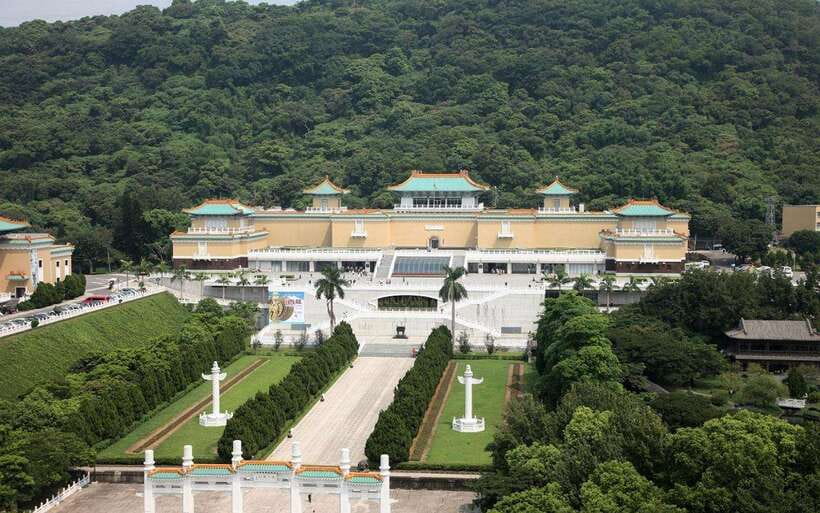
The National Palace Museum is the main event. Its collection spans more than 5,000 years of Chinese history and includes paintings, calligraphy, bronzes, ceramics, jade, and other works of art. The museum is known for holding one of the largest collections of ancient Chinese artifacts in the world.
That size is both its great strength and its main challenge. You can see work from several periods and artistic traditions in one visit, but the number of objects may feel like too much if you walk into every gallery without a plan.
I suggest choosing a few priorities before you arrive. The Jadeite Cabbage is an obvious first choice. This small jade carving is famous for its careful detail and for the way the stone’s natural color variations were used in the design. It is easy to underestimate the object because of its size, so take a moment to look closely rather than simply passing by with the crowd.
The Meat-Shaped Stone is another well-known highlight. Its appearance is remarkably close to a piece of cooked meat, showing how finely an artist could work with stone. These two objects are popular for good reason, but they are only a small part of the collection.
You should also make time for the ancient Bronze Ritual Vessels. These objects connect art with ceremony and early Chinese social life. The Calligraphy Scrolls offer a different experience, where brush movement, spacing, and written form matter as much as the words themselves.
The museum is described by visitors as manageable in layout despite the huge collection. That matters. You can see major pieces without feeling that you must cross an enormous complex just to reach the next gallery. Still, the museum rewards an unhurried pace, especially if Chinese art is new to you.
How to handle the famous objects
The National Palace Museum’s best-known objects can draw attention away from everything else. You may arrive wanting only the Jadeite Cabbage and Meat-Shaped Stone, then find yourself spending time with ceramics, ritual vessels, paintings, or calligraphy.
I recommend treating the famous pieces as anchors rather than the entire visit. See them early, then use the surrounding galleries to understand the wider collection. The bronzes show the importance of ritual, while calligraphy reveals how writing became an art form. Other displays help connect individual objects to the dynasties and periods that produced them.
An audio guide can help you focus. One visitor specifically recommended it as a way to identify key exhibits and understand why they matter. The audio guide is not included in this ticket, so consider it an optional extra rather than part of the booking.
Labels and displays may require concentration, particularly if you are unfamiliar with Chinese history. You do not need to understand every dynasty or artistic term to enjoy the museum. Pick a few objects, read carefully, and allow yourself to skip sections that do not hold your interest.
The Shung Ye Museum and Taiwan’s Indigenous cultures
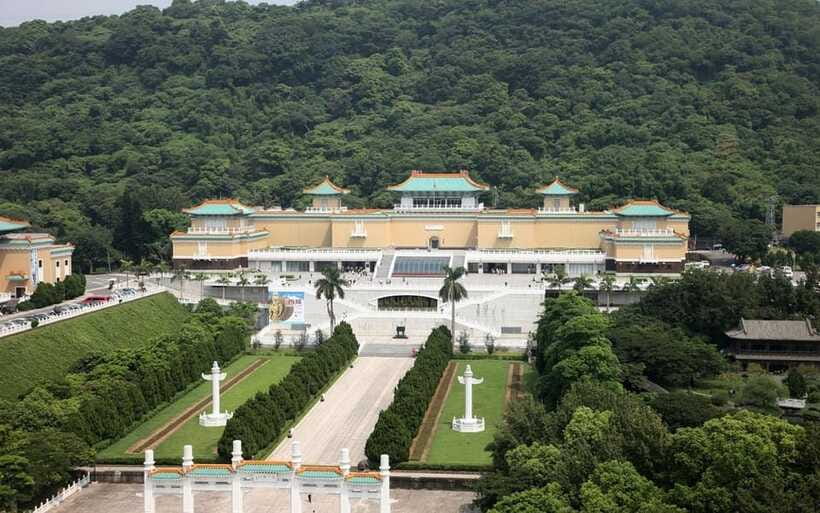
The Shung Ye Museum of Formosan Aborigines is much smaller than the National Palace Museum. That difference can feel almost comic if you visit both on the same day. After the enormous Chinese collection, Shung Ye offers a shorter, more focused visit.
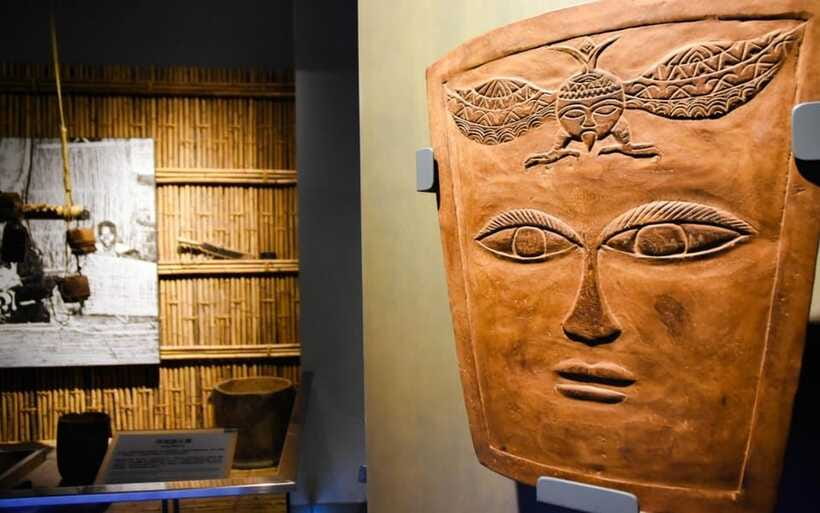
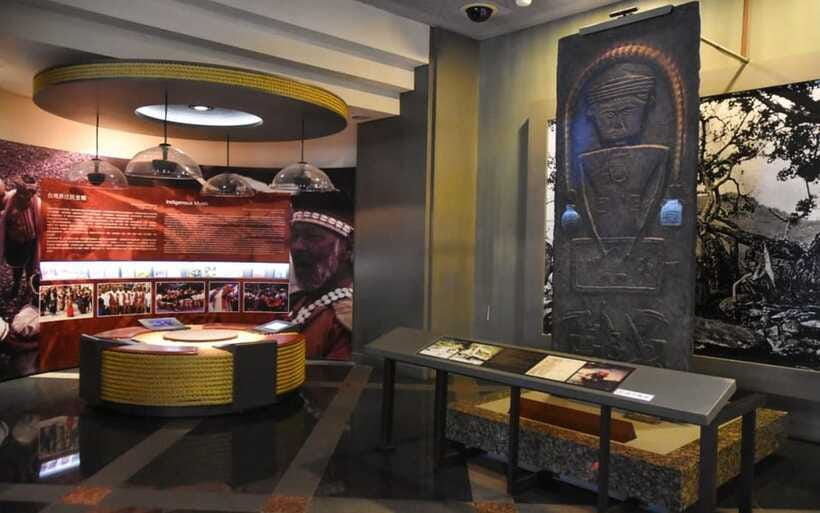
Do not dismiss it because it is small. The museum introduces the history and culture of Taiwan’s 14 recognized Indigenous tribes through objects such as traditional clothing, hunting tools, and ceremonial artifacts. These displays help explain daily life, social customs, and belief systems through things people made and used.
The museum also includes multimedia displays that present Indigenous traditions and lifestyles in a more active format. That can be helpful if you find rows of objects difficult to interpret. Instead of seeing clothing or tools as isolated pieces, you get more context about their place in community life.
You can see the museum in around 30 minutes if you move quickly. I would allow longer if you want to read the displays and think about the contrast with the National Palace Museum. The visit is modest in length, but it adds an important part of Taiwan’s story that is easy to miss in a sightseeing schedule focused on imperial and Chinese art.
The museum also addresses the damage caused by colonialism and occupation. That historical context gives the displays greater weight. You are not simply looking at attractive handicrafts. You are seeing objects linked to communities whose cultures and ways of life have faced serious pressure.
More palace entry tickets in the world:
- Venice: Doge’s Palace Reserved Entry Ticket
★ 4.6 · 42,716 reviews - Paris: Versailles Palace and Gardens Full Access Ticket
★ 4.6 · 41,579 reviews - Seville: Royal Alcázar Entry Ticket
★ 4.6 · 28,378 reviews - Granada: Alhambra & Nasrid Palaces Tour with Tickets
★ 4.7 · 19,801 reviews
Planning a one-day museum visit
The ticket is valid for one day, and you can check availability for the starting time when booking. Since there is no hotel pickup or drop-off, you need to plan your route to northern Taipei yourself.
The two museums are designed as a same-day cultural pairing, but the exact order depends on your schedule and transport plans. Starting at the National Palace Museum makes sense if you want your freshest attention for the larger collection. Ending at Shung Ye gives the day a shorter, more focused finish.
You should allow substantially more time for the National Palace Museum than for Shung Ye. The smaller museum can fit into a compact itinerary, while the National Palace Museum deserves an unhurried visit if you want to understand more than its headline objects.
There is no guided tour included. That keeps the ticket price down, but it also means you will need to manage your own timing and interpretation. If you like wandering independently, this is simple. If you want someone to explain every gallery, plan for an audio guide or another source of information.
The QR-code entry is a practical advantage. You scan it at the entrance, which avoids the fuss of exchanging a voucher or waiting for a paper ticket. The ticket also includes access to permanent and special exhibits, so you can take advantage of what is on display during your visit.
What the $12 price really gives you
At $12, this is one of the easier cultural purchases to justify in Taipei. Admission to two museums is included, and the National Palace Museum alone can occupy much of a day for anyone interested in art, history, or craftsmanship.
The value is strongest when you visit both places. If you only have time for the National Palace Museum, the ticket still gives you access to an important collection, but you would miss the contrast that makes this experience distinctive.
The ticket does not include food, drinks, guided tours, transport, or hotel transfers. Those exclusions are normal for a museum admission ticket, but they affect your budget and schedule. Bring your own plan for getting there and allow time for a meal outside the exhibit areas, since food and drinks are not allowed inside the galleries.
Free cancellation is available up to 24 hours before the visit, and you can reserve now and pay later. Those terms are useful if your Taipei schedule is still shifting. Check the available starting times before booking, especially if you are fitting both museums around other plans.
Practical limits you should know
Photography with flash is not allowed inside either museum. Keep your camera or phone ready for ordinary photography only where permitted, and follow the signs in each gallery.
Food and drinks are not allowed in the exhibit areas. That means you should finish snacks and drinks before entering the galleries or use an appropriate area outside the exhibits.
Wheelchair access is limited, and the experience is not suitable for wheelchair users according to the stated conditions. If accessibility is important for your visit, contact the provider or museums before booking rather than assuming every gallery will be easy to reach.
This is also not a guided experience. The provider is Fontrip, but no guide is included and no guide names are provided. The language information is not clearly specified, so do not book this expecting a particular spoken tour language.
Who will enjoy this museum combination?
I would recommend this experience to you if you enjoy museums, material culture, and seeing how different parts of a country’s past fit together. It suits independent visitors who like choosing their own pace and deciding which displays deserve the most attention.
It is especially good for:
- First-time visitors who want a major cultural stop in Taipei
- Anyone interested in ancient Chinese art and craftsmanship
- People who want to learn about Taiwan’s Indigenous communities
- Museum lovers who can spend several hours with one collection
- Visitors who value flexibility over a fixed guided schedule
It may be less suitable if you want entertainment, a short sightseeing stop, or a guide who explains every room. The National Palace Museum can feel overwhelming if you try to see everything, while Shung Ye may feel too brief if you expect two equally large attractions.
Families and casual sightseers can still enjoy the famous jade and stone objects, but the experience is built around looking, reading, and thinking. It is not an activity with performances or hands-on workshops.
My suggested way to visit
Start by identifying the National Palace Museum objects you most want to see. Put the Jadeite Cabbage, Meat-Shaped Stone, Bronze Ritual Vessels, and Calligraphy Scrolls near the top of your list, then give yourself permission to explore beyond them.
Use the museum layout to avoid backtracking. If an audio guide is available and fits your budget, it can make the enormous collection easier to approach. You do not need to listen to everything. Select the sections that match your interests.
At Shung Ye, slow down for the clothing, hunting tools, and ceremonial objects. Look for the connections between practical items and cultural customs. The museum is small, so reading the explanations should not require a major time commitment.
Think of the day as a comparison. The National Palace Museum shows the power, refinement, and long artistic record of Chinese imperial culture. Shung Ye shows the distinct Indigenous cultures of Taiwan and the pressures they have faced. Neither museum tells the whole story by itself.
Should you book this ticket?
Book it if you want a low-cost, self-guided day built around Taiwan’s art and cultural history. The National Palace Museum provides the scale and famous treasures, while Shung Ye adds a necessary Indigenous perspective. The two museums feel very different, and that is the point.
I would not book it if you need wheelchair-friendly access, hotel transportation, or a guided explanation in a specific language. I would also avoid cramming it into a rushed schedule. Give the National Palace Museum time, then treat Shung Ye as a shorter but worthwhile second chapter.
For $12, the combination offers strong value, easy QR entry, and enough material for a full day. Plan your priorities, consider an audio guide, and you will get far more from the ticket than a quick photograph of the Jadeite Cabbage.
FAQ
What does the ticket include?
The ticket includes admission to the National Palace Museum and the Shung Ye Museum of Formosan Aborigines. It also includes access to permanent and special exhibits.
How long is the ticket valid?
The ticket is valid for one day.
How much does the experience cost?
The listed price is $12 per person.
Is a guided tour included?
No. Guided tours are not included, so you visit the museums independently.
Is transportation included?
No. Hotel pickup, hotel drop-off, and transportation are not included.
Can I cancel for a refund?
Yes. You can cancel up to 24 hours in advance for a full refund.
Can I reserve now and pay later?
Yes. The booking terms allow you to reserve your spot and pay later.
Can I take photographs inside the museums?
Flash photography is not allowed inside the museums.
Is the experience suitable for wheelchair users?
No. Accessibility is limited, and the experience is listed as not suitable for wheelchair users.
Just added around the world
- Pitti Palace and Palatina Gallery★ 4.0 · 41 reviews
- Pitti Palace Small Group Tour★ 5.0 · 6 reviews
- Private Guided Tour of Palazzo Vecchio in Florence★ 3.5 · 4 reviews
- Florence: Palazzo Vecchio Skip the line Entry ticket★ 4.0 · 49 reviews
- Pitti Palace: The Royal Palace of Florence★ 4.5 · 12 reviews
- PALAZZO VECCHIO Private tour in Florence★ 5.0 · 35 reviews
- Private Tour of Pitti Palace with Boboli Garden★ 5.0 · 28 reviews
- Pitti Palace and Palatine Gallery: A Royal Art and History Tour★ 4.5 · 42 reviews
Museums, compared.

Skip-the-Line Sisi Museum, Hofburg and Gardens Tour
Read our review →
Venice’s Best: Basilica, Doge’s Palace, Gondola & History Gallery
Read our review →
Royal Palace & Prado Museum Skip the Line Guided Tour
Read our review →
Tianmen Square, Forbidden City & Royal Museum Tours
Read our review →
City Pass with Museums including Doge’s Palace
Read our review →
Crete: Knossos Palace and Museum E-Tickets with Audio Guides
Read our review →Browse the lists this tour appears in