
REVIEW · AUSTRIA PALACE TOURS
Eisenstadt: Esterhazy Palace Admission Ticket
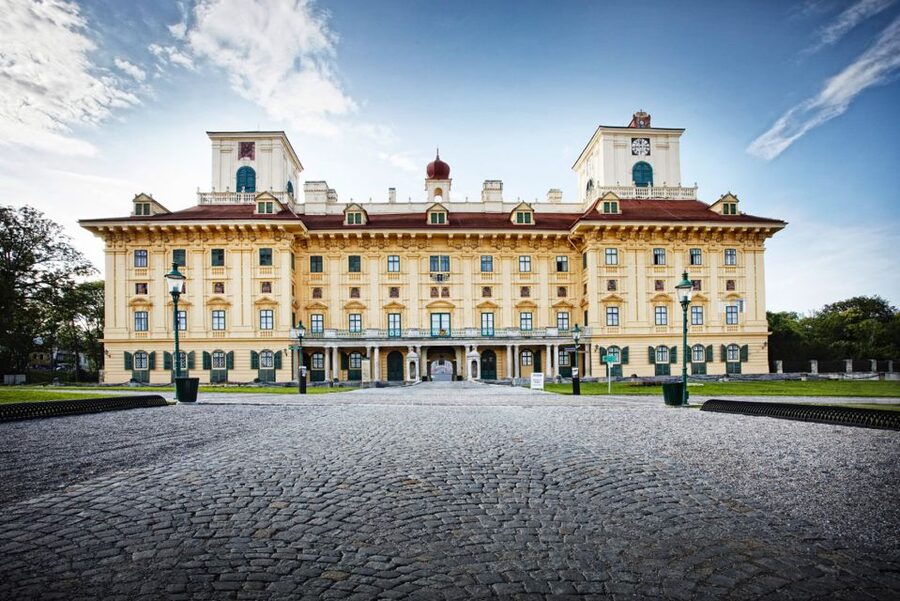
Esterházy Palace gives you several different reasons to visit one elegant address. You move from Baroque state rooms and an extraordinary family silver collection to Joseph Haydn’s musical career, then down into old cellars filled with wine-making tools. It is not just a palace tour, but a compact look at power, art, music, and daily life in Burgenland.
I especially like the Neoclassical silverware, preserved as the world’s largest surviving set of its kind, and the wine museum with more than 700 objects. The main thing to consider is that the €22 ticket covers admission only. If you want recorded explanations, the audio guide costs another €2, and the exact meeting point can vary by booking option.
Key points to know before you go
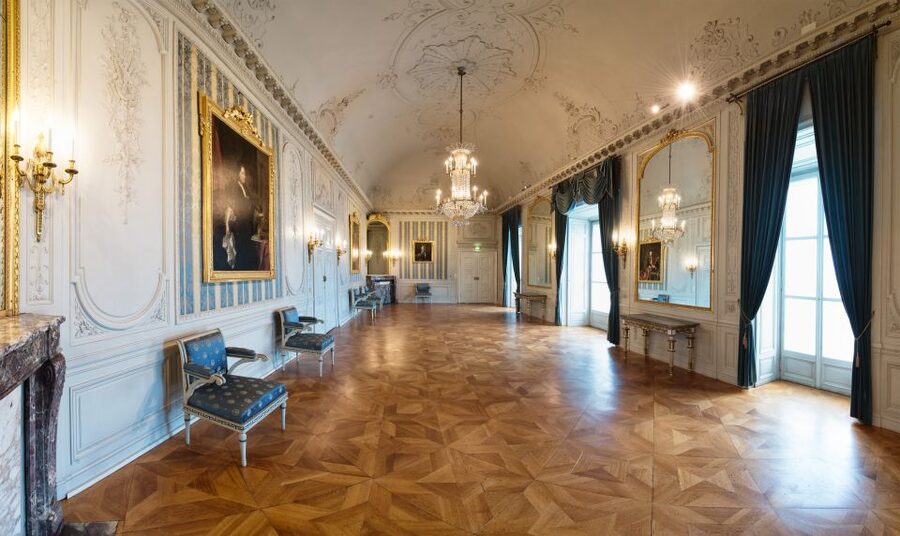
- The bel étage holds the palace’s grandest rooms, including art-historical treasures and the Esterházy family silver.
- Joseph Haydn’s connection is unusually personal: he served the Esterházy princes as music director and composer.
- Melinda Esterházy’s exhibit looks beyond royal glamour, following her career as a ballerina and the difficult turns in her personal life.
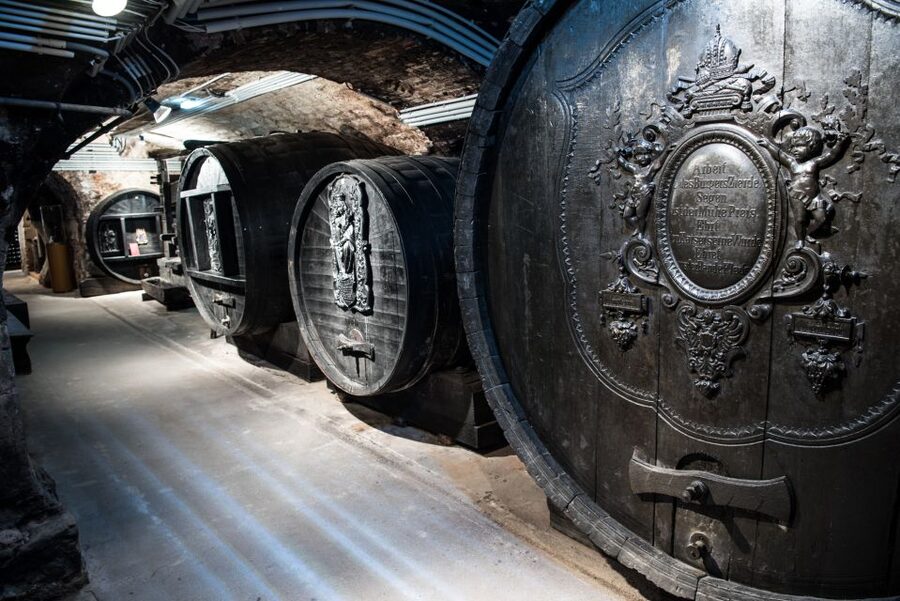
- The wine museum occupies the old palace cellars, where more than 700 objects explain wine-making under the Esterházy princes.
- An audio guide costs €2 extra and is available in English, German, and Hungarian.
- A full day of ticket validity gives you flexibility, useful if you want to see the palace without rushing through every section.
Why Esterházy Palace is worth your time in Eisenstadt
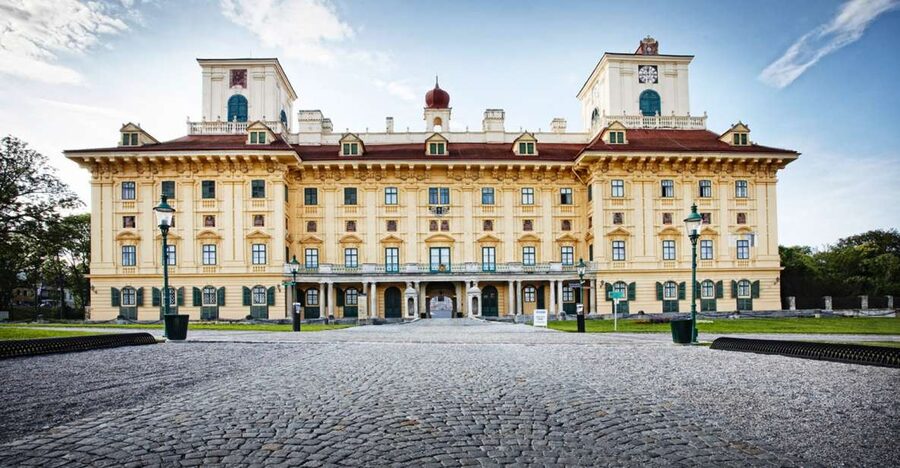
Eisenstadt is the capital of Burgenland, and Esterházy Palace sits at the heart of the city. The palace makes a strong first impression, but its appeal grows as you see how many different stories are held inside its walls.
The Esterházy family shaped local political and cultural life for centuries. Their wealth paid for fine interiors, large musical forces, silver services, and the wine production that supported their estates. You can read that power in the rooms, but you can also see the people behind it through Haydn’s work, Melinda Esterházy’s life, and the practical objects in the cellars.
I would allow more than a quick hour if you want to take in the palace properly. The ticket is valid for one day, so you have room to set your own pace. That matters here because the displays do not all offer the same kind of experience. The state rooms reward attention to decoration, while the Haydn section asks you to listen and follow a career. The wine museum is more object-based and historical.
The €22 admission price is fair if you care about several subjects rather than only palace interiors. You are paying for access to the rooms, the family collection, the Melinda Esterházy exhibition, the Haydn displays, and the wine museum. If you only want a quick look at a grand building, the value is less convincing. If you enjoy music, decorative arts, local history, or wine culture, the ticket offers much more.
More palace entry tickets in Austria:
- Vienna: Panorama Train Tickets to explore Schönbrunn Palace
★ 4.3 · 1,164 reviews - Entry Ticket Upper Belvedere, Klimt’s Kiss & Permanent Collection
★ 4.5 · 831 reviews - Vienna: Imperial Treasury & New Hofburg Palace Combo Ticket
★ 4.3 · 614 reviews
The bel étage and Esterházy family silver
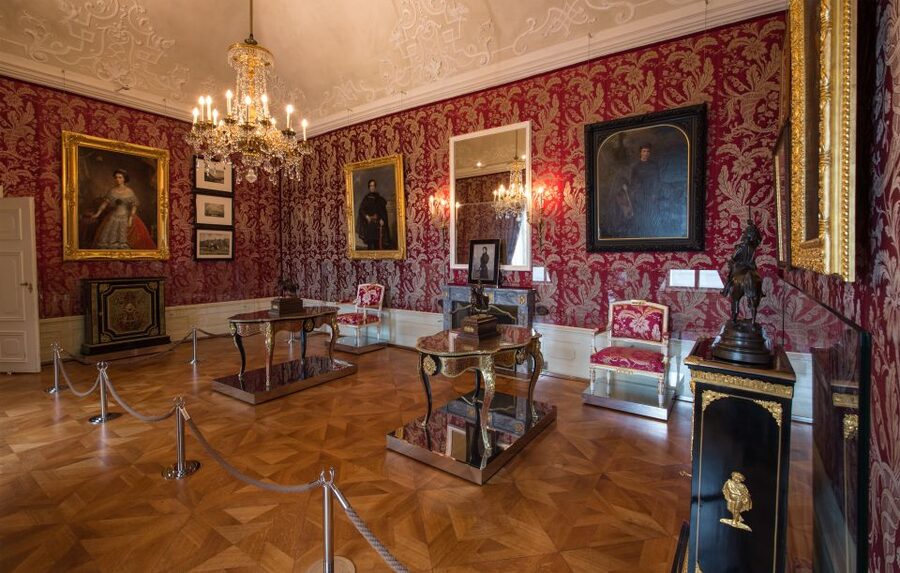
Begin with the palace’s bel étage, the formal first level designed for display and ceremony. This is where you get the clearest sense of how the Esterházy princes wanted their home to be seen by important visitors.
The rooms contain art-historical treasures from the family collection. You can expect polished interiors and objects made to signal rank, taste, and wealth. Look closely at the details rather than simply moving from room to room. The palace is not only a pretty Baroque backdrop. It also tells you how an aristocratic household used rooms to separate public ceremony from private life.
The family silver is one of the strongest reasons to pay attention here. The collection includes the world’s largest surviving ensemble of Neoclassical silverware preserved as a set. That detail changes how you view the display. A single silver plate can seem decorative, but a complete service shows the scale of formal dining and the amount of work required to maintain an elite household.
This section is best for visitors who enjoy objects and design. You do not need a specialist background in art history to appreciate it. Instead, notice the repeated forms, the craftsmanship, and the way the collection presents silver as both useful tableware and a public sign of status.
The possible drawback is that palace rooms can blur together if you rush. Take time to connect the objects with the building itself. The rooms are part of the story, not just containers for exhibits.
Melinda Esterházy, ballerina and princess
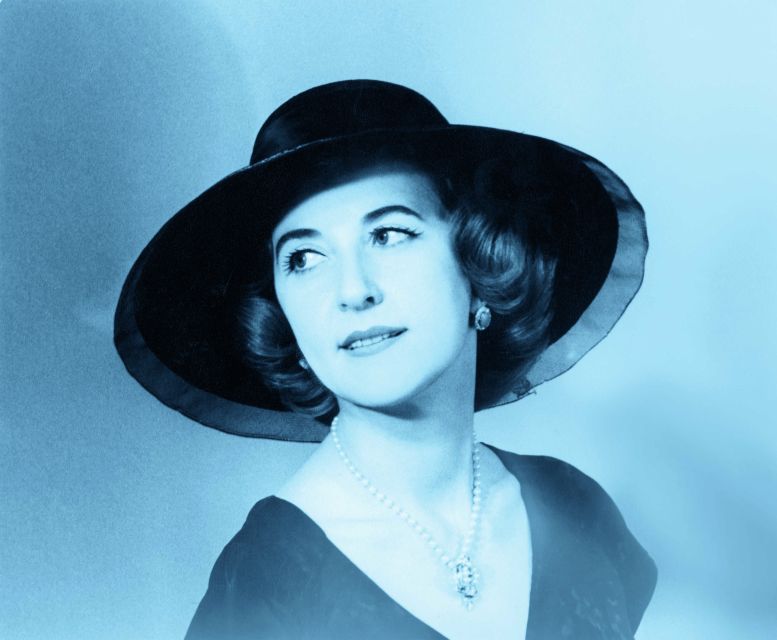
The first-floor exhibition focuses on Melinda Esterházy, a figure whose life adds a more personal and modern thread to the palace. The display presents her as both a ballerina and a princess, with attention to her ambitions and the highs and lows of her private life.
That combination makes the exhibition different from the formal palace rooms. Instead of looking mainly at dynastic power, you follow one woman’s career and identity. Her life was not simply a royal success story. The exhibition also addresses turbulent personal experiences, giving you a fuller picture of the person behind the title.
I like this part because it helps prevent the palace from becoming only a parade of aristocratic names and expensive objects. Melinda’s professional work gives the building a link to performance, discipline, and public life beyond the old court. Her story also gives you a more human way to think about the Esterházy family.
Allow enough time to read the material. The exhibit is about a life, not just a costume display. If you prefer short, highly visual museum stops, this may feel more text-heavy than the state rooms. If you like biography, it should be one of the more engaging parts of the visit.
Joseph Haydn’s years with the Esterházy princes
On the ground floor, the exhibits follow Joseph Haydn’s work as music director and composer in Esterházy service. His connection to the family is one of the palace’s biggest cultural draws, and the displays explain more than the simple fact that he worked here.
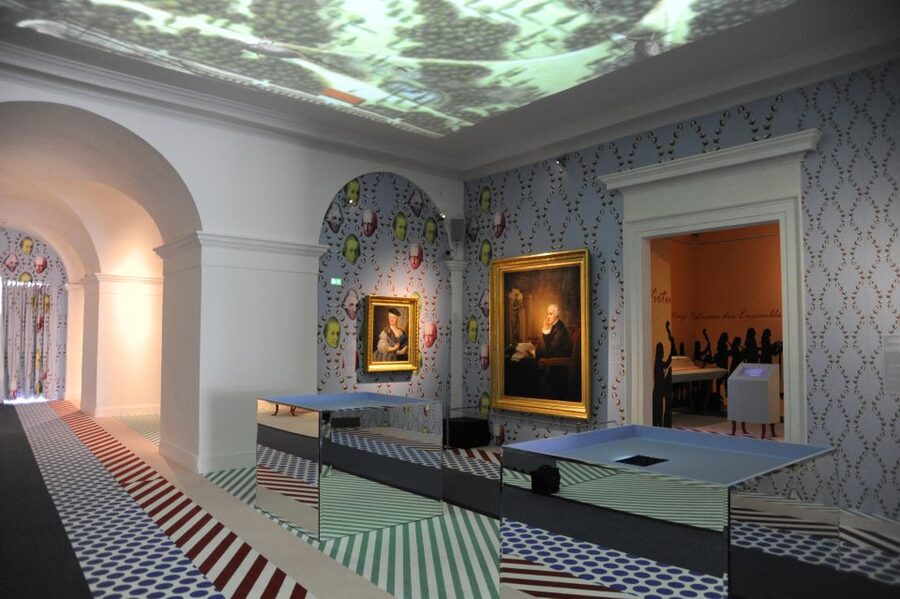
You trace Haydn’s progress from his beginnings in Eisenstadt and Eszterház through his later music. Multimedia stations, project installations, and other exhibits help show how his career developed within the Esterházy world.
This is valuable context. Haydn was not merely a famous composer who happened to pass through the palace. He worked under the Esterházy princes, writing and directing music as part of the household’s cultural life. That arrangement shaped his daily work and tied his career to the family’s resources and ambitions.
The display is likely to suit you best if you enjoy music history but do not want a highly technical lecture. The multimedia approach gives the story several entry points. You can focus on the composer’s work, his career path, or the setting in which he served.
The one caution is that multimedia displays can take more time than a traditional collection of objects. If you are visiting with children or a companion who is not interested in classical music, agree on a pace before you begin. You can still appreciate the palace without studying every Haydn station in detail.
A guided option may add useful context. Rebeca is specifically associated with clear explanations, strong background knowledge, and evident affection for the palace. Since the basic ticket is an admission ticket, check your selected option carefully to see if a guide is included. Do not assume that the standard entry comes with a live tour.
A few more palace visits around Austria worth a look
- Vienna: Schönbrunn Palace & Gardens Skip-the-Line Tour
★ 4.7 · 7,739 reviews - Vienna: Skip-the-Line Sisi Museum, Hofburg and Gardens Tour
★ 4.8 · 5,918 reviews - Vienna: Skip-the-Line Schönbrunn Palace & Gardens Tour
★ 4.8 · 5,411 reviews - Salzburg: Mozart Concert at Mirabell Palace
★ 4.8 · 3,498 reviews
Down into the 300-year-old wine cellars
The Wine Museum takes you below the formal palace rooms and into the Esterházy family’s practical side. The cellars are more than 300 years old, and the exhibition follows wine-making under the Esterházy princes.
This change in setting is part of the fun. Upstairs, you see objects made for ceremony and display. Down here, the focus turns to barrels, presses, tools, and the work behind Burgenland’s wine culture. The palace’s so-called bacchanalian side has a long story, and the museum gives it a physical setting.
More than 700 objects relate to wine and viticulture. You might see historic barrels and Burgenland’s oldest Baumpresse, a type of basket press. These are not the sort of objects you usually notice in a grand palace, and they make the visit feel more connected to regional life.
I find this section particularly useful for understanding how a powerful family’s estate functioned. Fine rooms and musical performances required money, and wine production was part of the wider economic world behind the palace. The cellar helps connect aristocratic display with agriculture, labor, and local products.
The Wine Museum may be less polished than the formal rooms, but that is also its strength. It feels more practical and grounded. If you have a strong interest in wine-making, allow extra time here. If you are visiting only for architecture, it may be the section you skim.
Using the audio guide and choosing your pace
The optional audio guide costs €2 and is available in English, German, and Hungarian. That is a modest extra charge, and I would consider it worthwhile if you want more explanation than the displays provide.
The guide is especially useful for visitors who want help connecting the rooms, the Esterházy family, Haydn, and the wine collection. You can also move independently rather than waiting for a scheduled group. Since the ticket remains valid for one day, you have flexibility in how you divide your time.
A live guide may offer a more personal visit. Rebeca’s explanations are noted for their background detail and clear enthusiasm for the palace. Still, the included product is the admission ticket, so confirm what your booking option contains before counting on a guided visit.
The meeting point can vary depending on the option you choose. Check the details attached to your selected ticket rather than relying on a general palace entrance assumption. This is a small point, but it prevents a needless scramble in Eisenstadt.
Who will get the most from the €22 ticket
I would recommend this experience to you if you enjoy at least two of the following:
- Baroque architecture and formal palace rooms
- European aristocratic history
- Decorative arts and silver
- Classical music and Joseph Haydn
- Biography and performance history
- Wine-making and historic tools
The ticket is also a good fit if you prefer to explore without a fixed tour schedule. One-day validity gives you breathing room, and the different sections let you spend more time on your own interests.
Families can choose the most visual parts, such as the rooms, silver, and large wine-making objects. The Haydn and Melinda Esterházy sections may require more reading and concentration. The experience is not described as a child-specific program, so families should set expectations accordingly.
Music lovers should give the Haydn exhibition priority. Wine enthusiasts should not skip the cellar, even if they came mainly for the palace. Art-minded visitors will likely get the most from the bel étage and the silver service.
What may not suit every visitor
The palace covers several themes, which is a strength, but it can also make the visit feel uneven. The state rooms, biography exhibition, composer displays, and wine museum each use a different approach. If you want one tightly focused tour, this may feel more like a group of connected museum sections.
The admission fee does not include the audio guide. At only €2, it is not a major expense, but it is still worth adding to your calculation if you want English-language interpretation.
Also, do not confuse a one-day ticket with a one-day guided tour. The supplied details confirm one-day validity, but they do not promise a live guide or a set touring duration. Your chosen option matters.
Finally, the palace is best appreciated at a measured pace. A rushed visit can reduce the experience to pretty rooms and famous names. Give the silver, Haydn’s career, Melinda’s story, and the cellar enough attention to see how they fit together.
Practical booking advice
The ticket costs $22 per person, with free cancellation up to 24 hours in advance and a reserve-now, pay-later option. Those terms are useful if your Eisenstadt plans may change, though you should still check the exact conditions shown for your selected date and option.
The experience is provided by Esterhazy Betriebe AG. Languages connected with the visit are German, Hungarian, and English, including the optional audio guide.
Before booking, decide whether you want simple entry or added interpretation. If you are comfortable reading displays at your own pace, admission may be enough. If this is your main cultural stop in Eisenstadt, the €2 audio guide is a sensible addition.
Should you book Esterházy Palace?
Book it if you want more than a quick palace photo. The strongest case is the combination of formal rooms, a rare complete silver service, Haydn’s working life, Melinda Esterházy’s complicated biography, and an old wine cellar filled with local objects.
Skip it only if you have little interest in museums, music, decorative arts, biography, or wine culture. For most visitors spending time in Eisenstadt, the variety makes the $22 price reasonable. Go slowly, add the audio guide if you want context, and make sure your booking option has the meeting point and guide arrangement you expect.
FAQ
Where is Esterházy Palace?
Esterházy Palace is in Eisenstadt, the capital of Burgenland, Austria.
How much does admission cost?
The admission ticket costs $22 per person.
How long is the ticket valid?
The ticket is valid for one day. Check availability for the starting times connected with your selected option.
Is an audio guide included?
No. The audio guide costs an additional €2.
Which languages are available for the audio guide?
The optional audio guide is available in German, Hungarian, and English.
What does the palace admission include?
Admission includes access to Esterházy Palace and its exhibitions, including the palace rooms, Esterházy collection, Melinda Esterházy exhibit, Joseph Haydn displays, and Wine Museum.
What can I see in the Wine Museum?
The Wine Museum is in the old palace cellars and contains more than 700 objects connected with wine and viticulture. Displays include historic barrels and Burgenland’s oldest Baumpresse, a type of basket press.
Can I cancel the booking?
You can cancel up to 24 hours in advance for a full refund. The reserve-now, pay-later option lets you book without paying immediately.
Just added around Austria
- Sound of Music: Salzburg, Mirabell, Hallstatt & Alpine Views★ 4.2 · 9 reviews
- Belvedere Palace: Tour with Skip-the-Line/Transfer Options★ 4.7 · 27 reviews
- Vienna: Schönbrunn Palace Gardens Private Guided Tour★ 4.9 · 28 reviews
- Schönbrunn Palace Private Photoshooting tour★ 5.0 · 4 reviews
- Schönbrunn Grand Tour : Private Skip-the-Line Walking Tour★ 5.0 · 11 reviews
- Vienna: Schönbrunn Palace & Christmas Market Walking Tour★ 3.9 · 6 reviews
- Salzburg Tour: Mirabell Gardens, Sound of Music, Mozart★ 4.8 · 24 reviews
- Vienna: Schönbrunn Palace and City Center Guided Tour★ 5.0 · 3 reviews
Austria Palace Tours, compared.
Schönbrunn Palace & Gardens Skip-the-Line Tour
Read our review →
Skip-the-Line Sisi Museum, Hofburg and Gardens Tour
Read our review →
Skip-the-Line Schönbrunn Palace & Gardens Tour
Read our review →
Bus & Schönbrunn Palace Skip-the-Line Guided Tour
Read our review →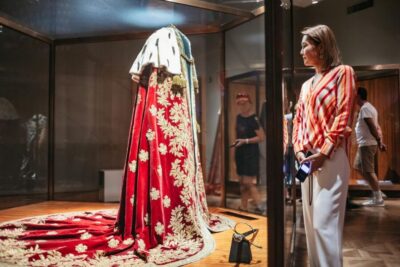
Skip the Line Schönbrunn Palace and Gardens Guided Tour
Read our review →Browse the lists this tour appears in