
REVIEW · SALZBURG PALACE TOURS
Salzburg: Mozart Concert at Mirabell Palace
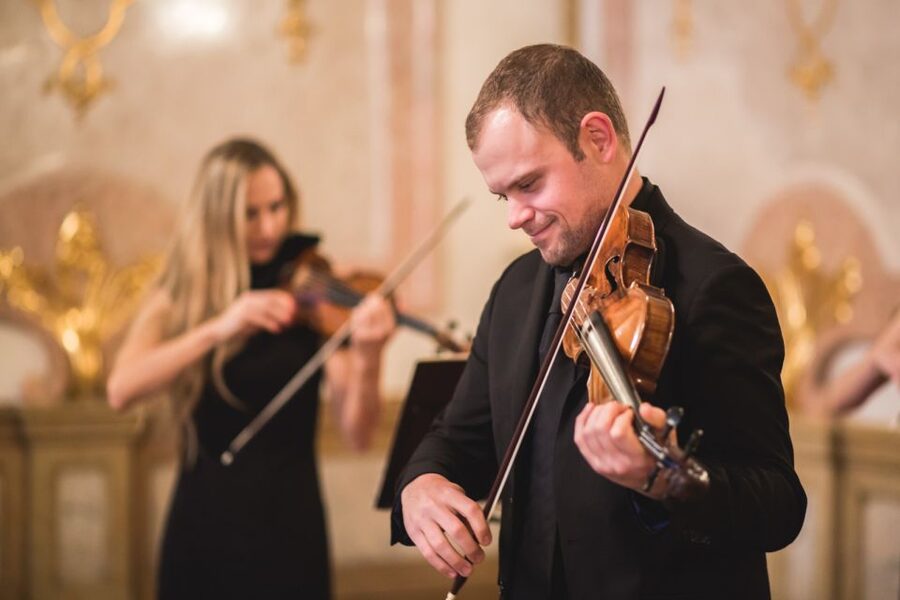
Mozart once performed in Mirabell Palace’s Marble Hall with his father Leopold and sister Nannerl. That fact gives this 90-minute concert more weight than a standard evening recital, but the real pleasure is hearing live, unplugged music in a room built for it. The hall’s marble surfaces and intimate scale let you see the musicians clearly and hear each instrument without amplification.
I especially like the historic setting and the changing mix of soloists and ensembles. One evening may bring a string quartet, another a clarinet, oboe, flute, guitar, harpsichord, or cello into the program. The main consideration is seating: reserved categories offer a better chance of a close view, while open seating requires more care with arrival time.
Quick points to know
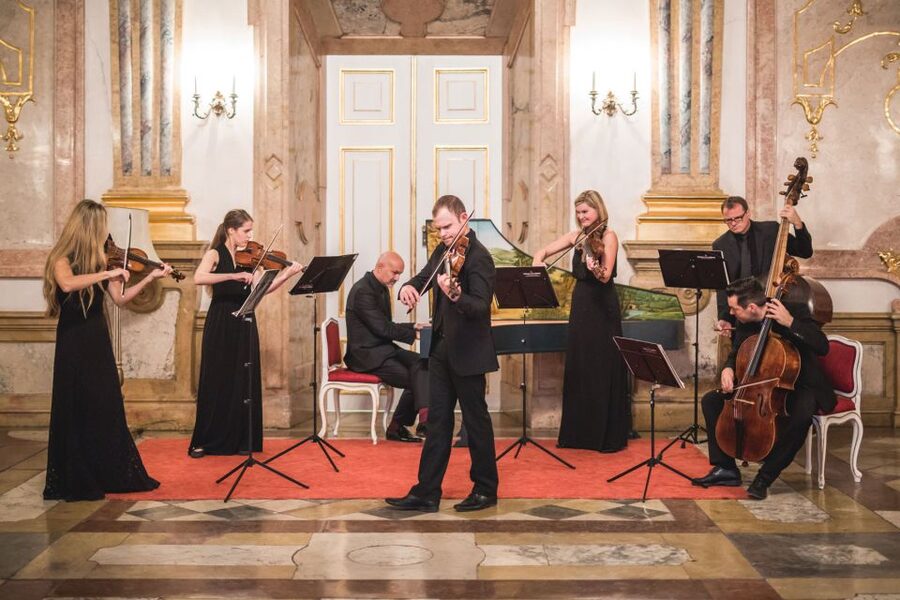
- Mozart’s former performance room: Leopold Mozart, Wolfgang Mozart, and Nannerl played in the Marble Hall.
- Natural acoustics: The concert is live and unplugged, with no speakers shaping the sound.
- Changing programs: Expect chamber music by Mozart and other major composers, performed by different soloists and ensembles.
- Compact evening plan: The concert lasts about 90 minutes and includes one 15-minute interval.
- Voucher exchange required: Pick up the original ticket at the box office on the first floor before entering the hall.
- Best for music lovers aged six and up: Children under six are not admitted.
Why the Marble Hall matters
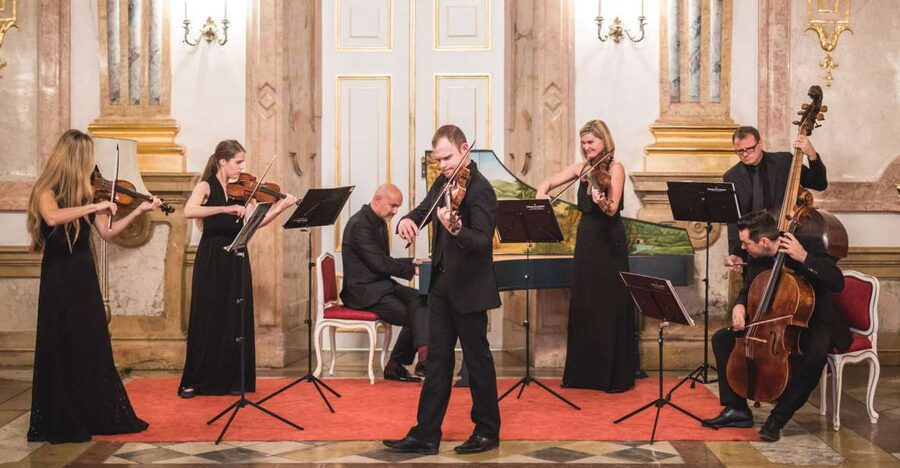
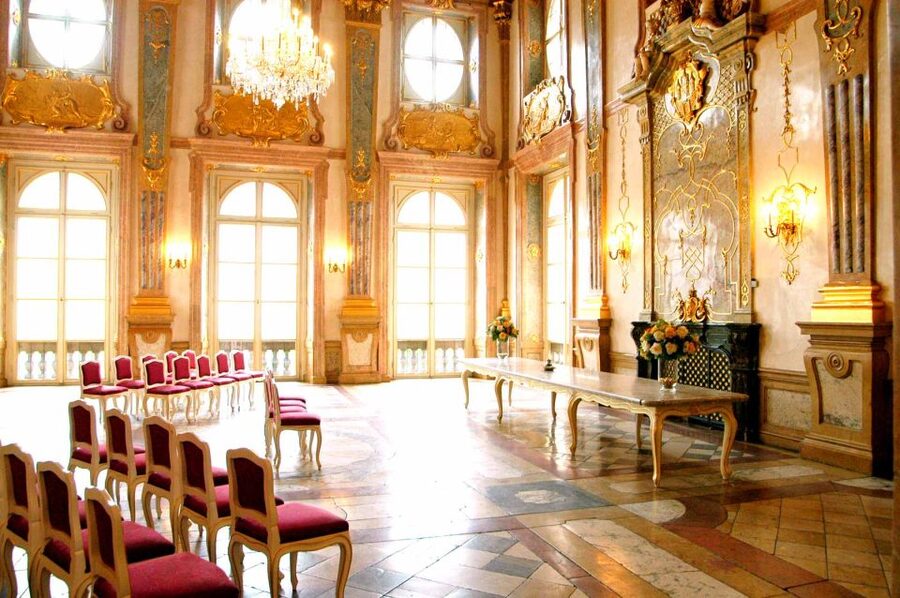
Mirabell Palace is not just a convenient concert address. The Marble Hall was once the banquet hall of Salzburg’s prince archbishops, and its polished marble, grand staircase, and high ceiling give the evening a sense of ceremony before the first note is played.
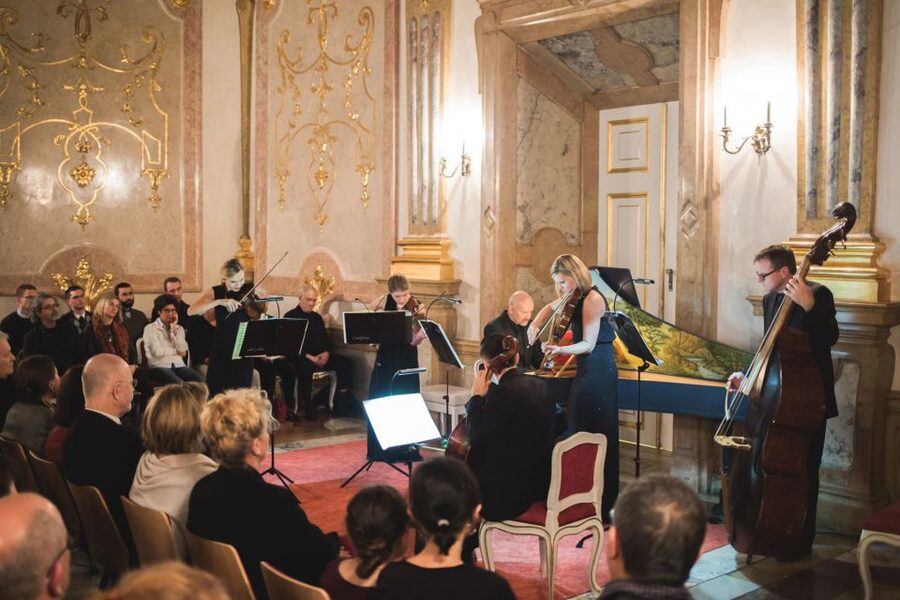
You reach the hall on the first floor of the palace at Mirabellplatz 4. The room is relatively small, so even seats toward the back can provide a decent view. That intimacy is important. You are not watching a distant orchestra in a vast auditorium. You can watch a bow move across a string, follow a flautist’s breath, or see the quick work of a harpsichord player’s hands.
The room’s natural acoustics are one of the main reasons to book this experience. The musicians perform without speakers, so the sound arrives directly from the instruments. That makes quieter passages feel delicate and lively, while a full ensemble can fill the room without needing theatrical effects.
The setting does bring one practical tradeoff. Marble and hard surfaces can make a room feel warm, especially on a hot summer evening. One attendee found the hall uncomfortably hot without air conditioning. This may not be an issue on most nights, but it is worth keeping in mind when choosing light clothing in summer.
A few more palace visits around Austria worth a look
- Vienna: Mozart and Strauss Concert at Schönbrunn
★ 4.5 · 2,967 reviews - Exclusive Evening at Schönbrunn Palace: After-Hours Audiotour, Dinner, Concert
★ 4.0 · 930 reviews - Vienna: Schönbrunn Palace Evening Tour, Dinner and Concert
★ 4.4 · 889 reviews
Arriving at Mirabell Palace
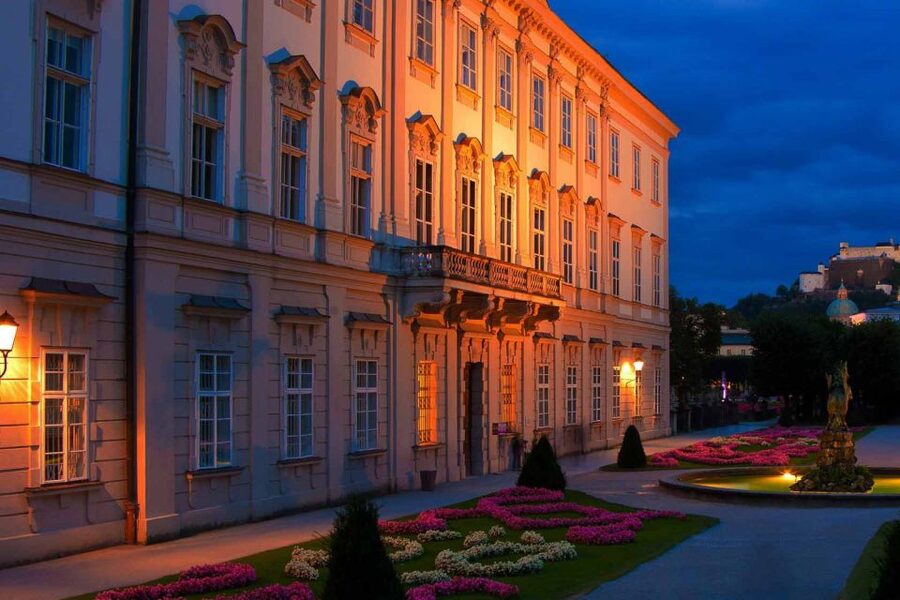
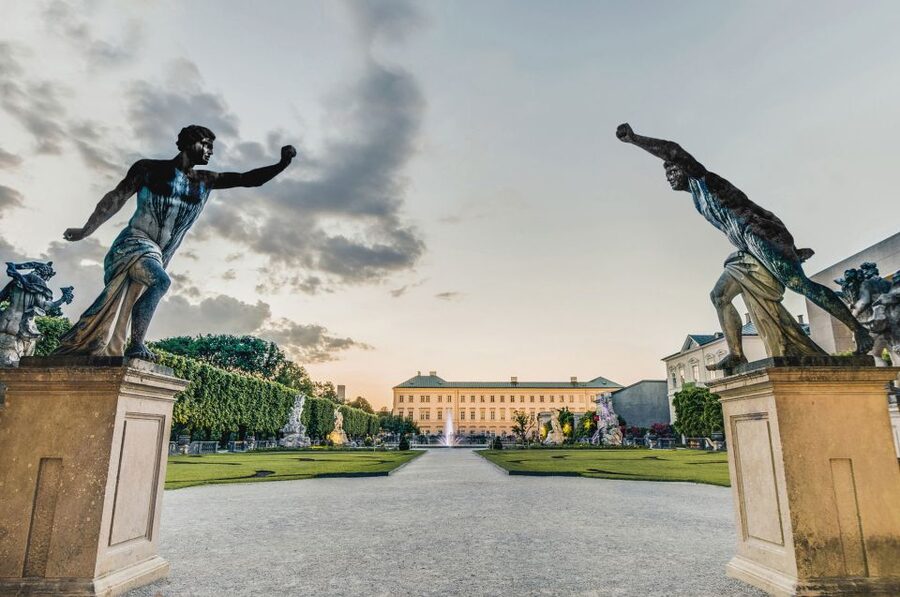
The meeting point is the Marble Hall on the first floor of Mirabell Palace, at Mirabellplatz 4 in Salzburg. The palace is easy to identify from the square, and the gardens give you a pleasant place to pause before the concert.
Do not head straight into the hall and assume your mobile voucher is your final ticket. The box office is in front of the Marble Hall, also on the first floor. You must exchange your voucher for the original concert ticket there.
Doors open 30 minutes before the performance. I recommend using that window rather than arriving at the last moment. It gives you time to find the correct entrance, collect your ticket, and look at the seating arrangement without rushing. A few people have found the ticket exchange and nearby events confusing, so allow extra time if several performances are taking place around the palace.
The palace’s marble staircase is part of the experience, but it also means you should plan for steps on the way up. The activity is wheelchair accessible, so anyone needing step-free access should confirm the exact route and arrangements when booking.
Large bags and luggage are not allowed inside. Cameras, video recording, and audio recording are also prohibited. That rule protects the concentration of the musicians and the quiet character of the performance, so leave your suitcase elsewhere and keep your phone put away.
The concert program and changing ensembles
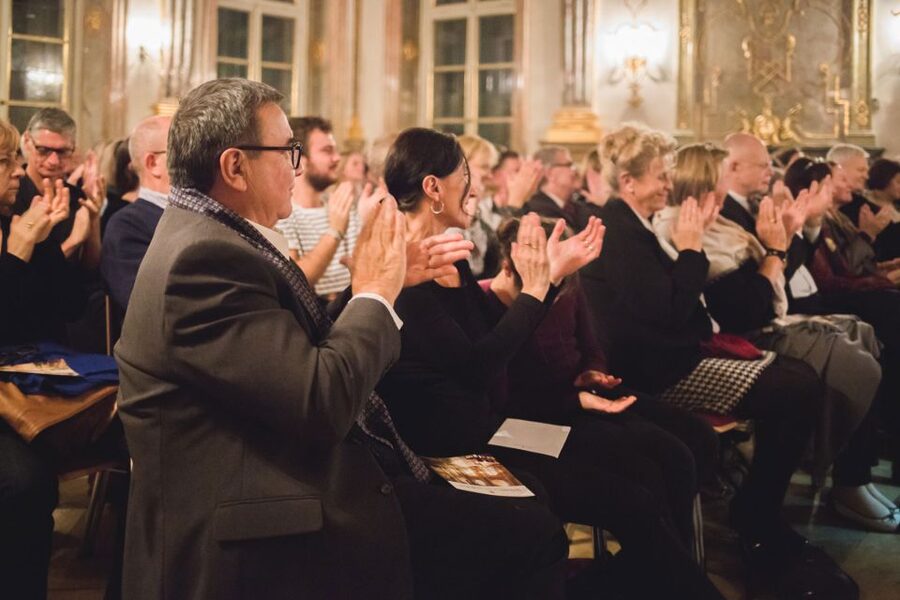
This is a chamber music concert rather than a full-scale opera or symphony performance. Chamber music means that the individual players matter. You can hear how a violin answers a clarinet, how a cello supports the melody, or how a harpsichord changes the color of a piece.
Mozart is central to the evening, but the program is not limited to him. Performances may also include music by composers such as Vivaldi. The exact combination changes, which gives the concert a fresh feel but also means you should not book expecting one fixed list of pieces.
The musicians may perform as a string quartet or quintet, with solo instruments added for a particular work. A clarinet solo with strings, an oboe feature, a flute, a guitar, or a cello concerto can shift the sound from one piece to the next. One especially well-received program included a guitar, while another drew attention to an exceptional oboe player.
That variety is useful if you are new to classical music. You are not asked to sit through one long work by a single composer. Instead, the program normally gives you contrasting textures and moods. You can appreciate the full ensemble, then focus on a single instrument in the next selection.
The musicians are presented as renowned soloists and ensembles, and the performance standard is a major part of the value. The best moments come when you watch the players interact, rather than simply hearing a polished sound from a distance. If you like seeing technique up close, front seats are worth considering.
Seating, views, and ticket categories
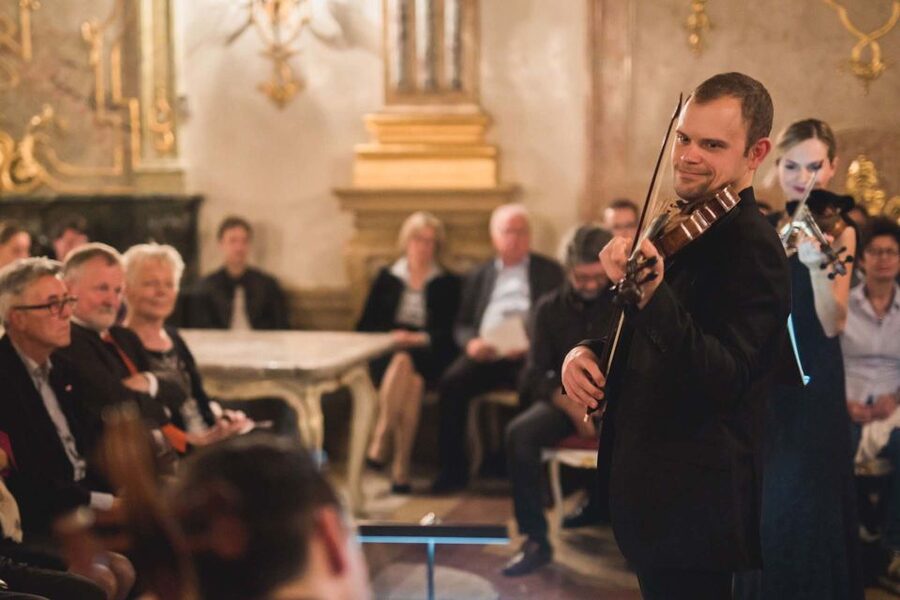
You may book either reserved seating or open seating, depending on the available category. Reserved seats make the choice easier and are the better option if you care about a particular view or want to sit together.
The ticket exchanged at the box office may not show a numbered seat, even when your booking includes reserved seating. That can be confusing, but the reserved section still provides good visibility. Ask the staff if you are unsure where to sit.
Category 2 seats can still offer excellent views because the hall is not especially large. Several people have found that even seats toward the rear allow a clear look at the musicians. Still, front seats give you more detail. You can see facial expressions, hand movements, and the way players communicate with one another.
I would choose a reserved front section for a serious classical music fan, a first-time concertgoer curious about instruments, or anyone celebrating a special evening. Category 2 or open seating should be fine if your priority is the room and the sound rather than a close view.
The seating arrangement can feel less formal than the palace suggests. One attendee felt that people were crowded behind tables, which reduced the sense of refinement. This is not likely to spoil the music, but it is a useful reminder that you are attending a popular tourist concert in a historic room, not a private salon recital.
Same city, a very different set of state rooms:
- Vienna: Schönbrunn Palace & Gardens Skip-the-Line Tour
★ 4.7 · 7,739 reviews - Vienna: Skip-the-Line Sisi Museum, Hofburg and Gardens Tour
★ 4.8 · 5,918 reviews - Vienna: Skip-the-Line Schönbrunn Palace & Gardens Tour
★ 4.8 · 5,411 reviews - Vienna: Bus & Schönbrunn Palace Skip-the-Line Guided Tour
★ 4.3 · 2,802 reviews
The 15-minute interval
The concert includes one 15-minute intermission. It breaks up the evening at a sensible point and gives you time to stretch, use facilities, or buy a drink.
Refreshments are available before the concert and during the interval. Austrian herb lemonade received a particular mention, and CDs are also sold if you want a musical souvenir. Food and drinks are not included in the ticket, so bring that expectation with you.
The interval also gives you another look at the Marble Hall. With the music paused, you can take in the ceiling, marble surfaces, and room proportions. Photography and recording are not allowed, so enjoy the details in person rather than trying to document them.
Is $49 a fair price?
At $49 per person, this is not the cheapest way to hear classical music in Salzburg. You are paying for more than a seat and a program, though. The ticket combines a historic palace room, live musicians, natural acoustics, and a manageable evening length.
The value is strongest if you already planned to visit Mirabell Palace or want one polished cultural event during your stay. The concert also works well after a day of sightseeing because it lasts about 90 minutes rather than taking up an entire night.
It is less compelling if you want a full orchestra, a long formal recital, or a guaranteed program by Mozart alone. This is chamber music, and the program changes. The room is the star as much as the music.
For me, the price makes sense when you choose a good seat and treat the evening as a complete Salzburg experience. Front seating can cost more depending on the category, but the extra view may matter. If you mainly want to hear the music and admire the hall, a lower category can still deliver.
Who will enjoy this evening most?
This concert suits adults, couples, solo visitors, and families with children aged six and older who can sit quietly through a performance. It is also a good choice for someone who wants an introduction to classical music without committing to a full opera.
You do not need advanced musical knowledge to enjoy the program. The short works, changing instruments, and close setting make the evening accessible. You can simply listen, or you can pay attention to how the players exchange melodies and build a piece together.
Classical music enthusiasts will appreciate the details that a large concert hall can hide. You can watch the musicians’ fingers, notice the expression in a solo passage, and hear the contrast between strings, winds, and keyboard instruments.
I would not choose this for a child under six because the age restriction is firm. I would also think twice if you dislike sitting still in a formal room, feel uncomfortable in warm spaces, or need to carry substantial luggage.
Practical tips for a smoother visit
Book reserved seating if seeing the musicians clearly matters to you. Front seats can bring you close enough to notice facial expressions and fingerwork, while the hall’s modest size keeps even rear seats reasonably useful.
Arrive 30 minutes early. Find the first-floor box office, exchange your voucher, and confirm the seating area before the doors become busy. This is especially helpful if you are unfamiliar with the palace or see signs for more than one concert.
Plan a little time around the event. Mirabell Gardens are beside the palace, so you can spend a quiet few minutes there before heading upstairs. The gardens are not included as part of the concert, but they make a natural addition to the evening.
Keep your bag small and leave luggage behind. Cameras, video equipment, and audio recording are not permitted. You can buy refreshments and CDs at the venue, but food and drinks are not part of the ticket.
If you need flexibility, cancellation is available up to 24 hours before the concert for a full refund, and you can reserve now and pay later. Check the current starting time when selecting your date, since performance times can vary.
Should you book the Mirabell Palace concert?
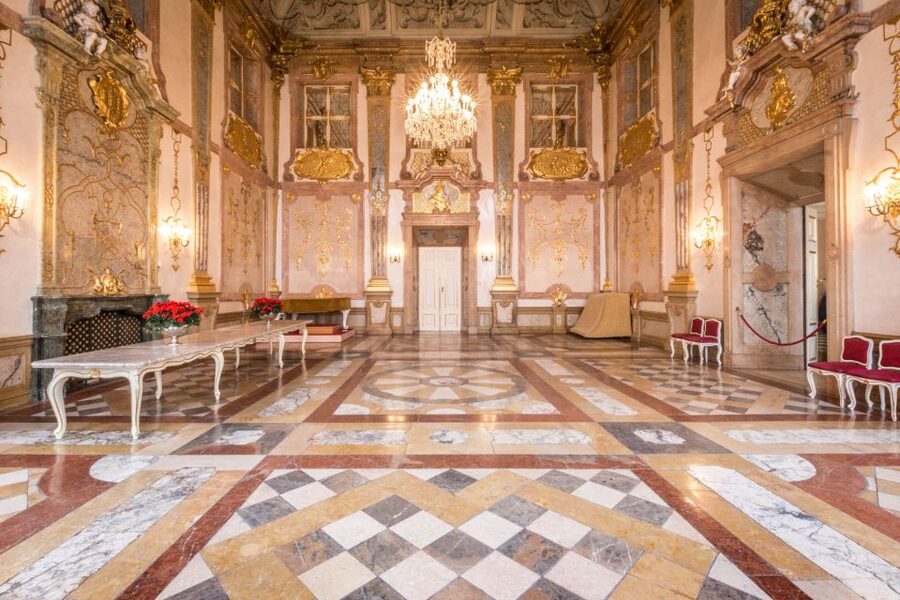
I would book it if you want a compact, atmospheric music evening in one of Salzburg’s most memorable rooms. The combination of Mozart’s connection to the palace, strong musicianship, and clear natural sound gives the concert real character.
Choose reserved seats, arrive early for the voucher exchange, and keep your expectations focused on chamber music rather than a grand orchestra. If you can accept those limits, $49 is a reasonable price for a cultural experience that fits neatly into a Salzburg itinerary.
FAQ
Where does the Mozart concert take place?
The concert takes place in the Marble Hall on the first floor of Mirabell Palace, Mirabellplatz 4, 5020 Salzburg.
How long does the concert last?
The stated duration is 90 minutes, including one 15-minute intermission. Some performances may run slightly longer overall.
Do I need to exchange my voucher for a ticket?
Yes. Exchange your voucher for the original ticket at the box office in front of the Marble Hall on the first floor.
How early should I arrive?
Doors open 30 minutes before the concert. Arriving during that window gives you time to find the box office, exchange your voucher, and settle into the correct seating area.
Are food and drinks included?
No. Refreshments are available for purchase before the concert and during the interval. CDs are also available to buy.
Can children attend the concert?
Children under six are not allowed to attend. The activity is wheelchair accessible.
Just added around Austria
- Sound of Music: Salzburg, Mirabell, Hallstatt & Alpine Views★ 4.2 · 9 reviews
- Belvedere Palace: Tour with Skip-the-Line/Transfer Options★ 4.7 · 27 reviews
- Vienna: Schönbrunn Palace Gardens Private Guided Tour★ 4.9 · 28 reviews
- Schönbrunn Palace Private Photoshooting tour★ 5.0 · 4 reviews
- Schönbrunn Grand Tour : Private Skip-the-Line Walking Tour★ 5.0 · 11 reviews
- Vienna: Schönbrunn Palace & Christmas Market Walking Tour★ 3.9 · 6 reviews
- Vienna: Schönbrunn Palace and City Center Guided Tour★ 5.0 · 3 reviews
- Salzburg Tour: Mirabell Gardens, Sound of Music, Mozart★ 4.8 · 24 reviews
Salzburg Palace Tours, compared.
Palace Concert at the Marble Hall of Mirabell Palace
Read our review →
Old Town, Mozart, & Mirabell Gardens Walking Tour
Read our review →
Dinner and Classical Concert at Mirabell Palace
Read our review →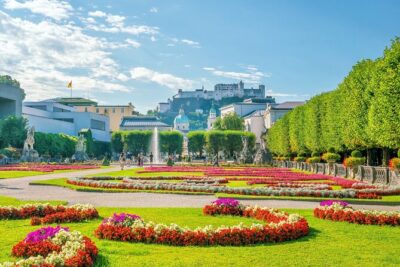
Salzburg Old Town Walking Tour, Mozart, Mirabell Gardens
Read our review →
DomQuartier Salzburg: Date with Mozart! Afternoon concerts at the Residenz
Read our review →
Salzburg Tour: Mirabell Gardens, Sound of Music, Mozart
Read our review →Browse the lists this tour appears in