
REVIEW · ITALIAN PALAZZO TOURS
Discover Uffizi and Palazzo Vecchio: Half Day Guided Tour
Florence’s great artistic drama unfolds in two grand buildings on this early-start tour. You’ll begin at the Uffizi, then cross to Palazzo Vecchio, where Michelangelo, Vasari, Medici politics, and Dan Brown’s Inferno all meet under one roof. The 8:40 AM start is the key move: the galleries are easier to handle before the day’s crowds arrive.
I like the skip-the-line admission and the single-language format. You spend less time waiting and do not hear every explanation repeated in several languages. I also like the small-group setup, with details listing groups of up to nine and a maximum of 15, plus radio headsets when more than seven people join.
The main consideration is pace. You are covering two major museums in about three and a half hours, so this is a guided introduction, not a slow, independent art study. Palazzo Vecchio’s secret passages are not included, and the price of $168.79 per person is a serious investment.
Key Points
- Early 8:40 AM departure: Start at the Uffizi before the busiest part of the day.
- Two landmark museums: Combine the Uffizi Gallery with Palazzo Vecchio in one morning.
- Major Renaissance works: Look for Botticelli, Giotto, Michelangelo, Donatello, Leonardo, and Vasari.
- English-speaking local guide: The tour uses a monolingual guide, with Elizabeth receiving especially warm praise for her attentive, clear approach.
- Small-group format: Group sizes are limited, and radio systems are supplied when more than seven people attend.
- General Palazzo Vecchio visit: You’ll see the Hall of the 500, map room, and public rooms, but not the secret passages.
Why the 8:40 AM start matters at the Uffizi
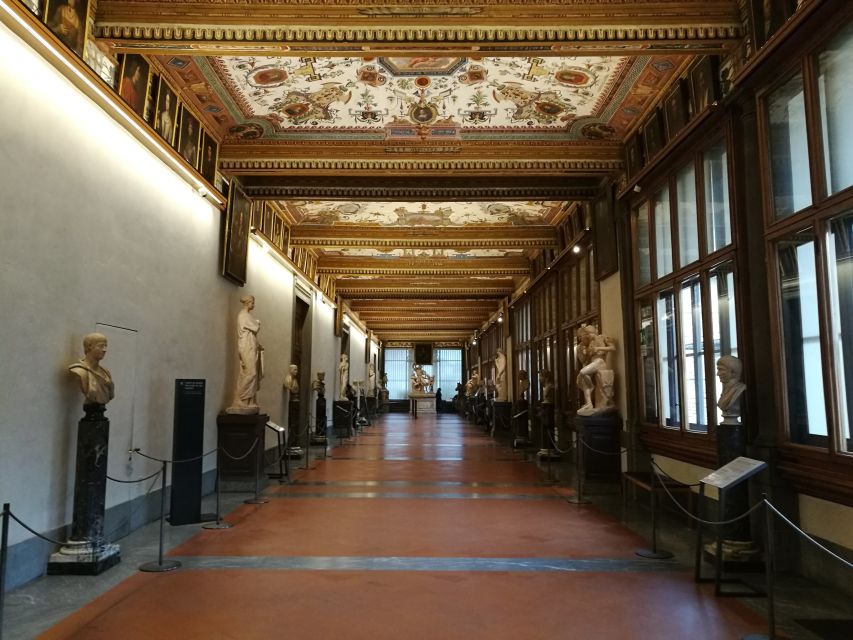
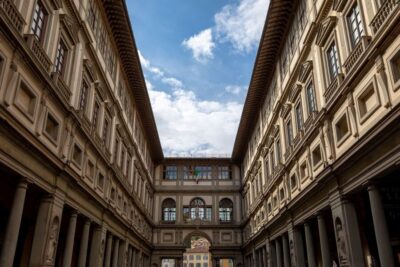
The Uffizi is not a museum you want to approach casually at midday. Its famous rooms can feel crowded, and the long corridors make it easy to lose time before reaching the works you came to see. This tour starts at 8:40 AM, giving you a better chance to enter before the heaviest flow of visitors.
Meet your guide in front of Door 1 at the Uffizi, by the Petrarca statue. Arrive with enough time to find this exact spot. The meeting point is outdoors and specific, so wandering around the building looking for the right entrance is a poor way to begin a timed tour.
The fast entrance ticket is included. That does not mean every minute of waiting disappears, since museum security and entrance procedures can still affect the schedule. It does mean you are not joining the ordinary ticket line, which is valuable in Florence, especially during the summer season.
The tour is conducted in English by a certified local guide. A monolingual format is a small but useful advantage. You hear one clear explanation instead of stopping for the same point in several languages.
More Palazzo Tours in Florence
- Florence: Palazzo Vecchio Entrance Ticket & Audioguide
★ 4.4 · 4,822 reviews - Florence: Uffizi, Pitti Palace & Boboli Combined 5-Day Pass
★ 4.5 · 1,726 reviews - Florence: Palazzo Vecchio Guided Tour
★ 4.8 · 1,260 reviews
Botticelli, Giotto, and Michelangelo inside the Uffizi
The Uffizi Gallery is one of the world’s major art museums, and its collection reaches well beyond a short list of famous names. Still, a half-day tour needs a route and a clear story. Your guide helps connect the paintings to Florence’s artistic and political development instead of leaving you to face room after room of unfamiliar works.
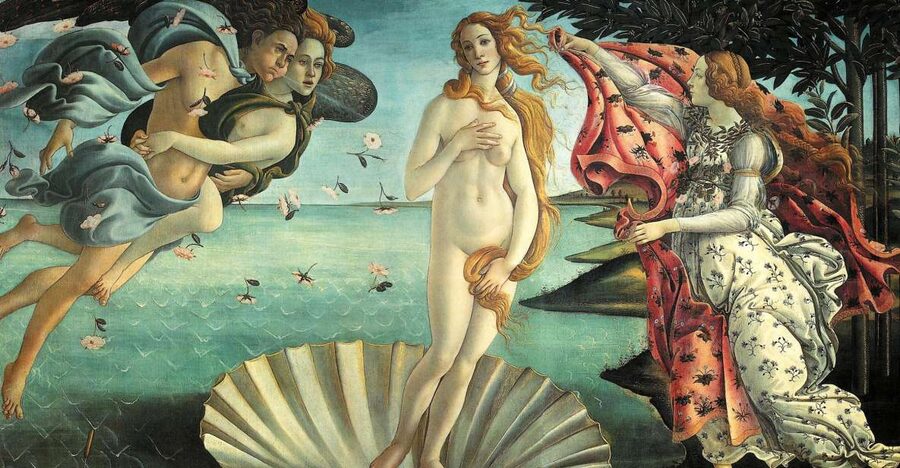
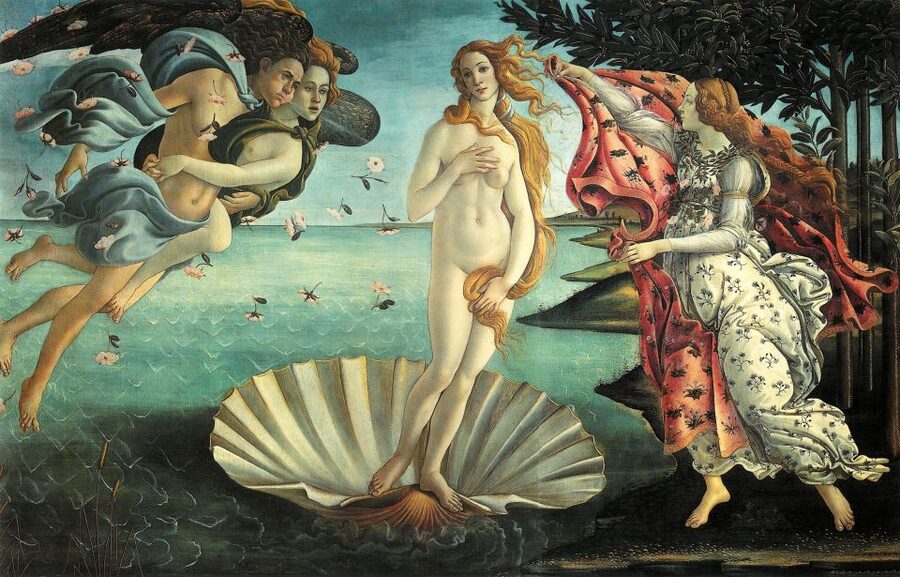
Botticelli is one of the major draws. His paintings are among the Uffizi’s best-known treasures, and a guide can help you look past the famous subject to the details of line, gesture, clothing, and expression. You are not simply checking off The Birth of Venus or another celebrated image. You are learning how to look at it.
Giotto offers a different experience. His work helps show the shift from earlier medieval traditions toward a more human and emotionally direct style. Michelangelo brings another kind of force, with sculptural figures and powerful bodies that seem to push beyond the painted surface.
The tour also highlights artists such as Leonardo and Vasari. That range matters. You get more than a parade of celebrity masterpieces. You see how different artists shaped Florence’s artistic identity, and how later generations built on what came before.
A guide-led visit is especially useful here because the Uffizi can overwhelm first-time visitors. You might find yourself spending too much time in the opening rooms, missing key works farther along, or tiring before the collection’s later highlights. A planned route gives the morning structure.
The tradeoff is limited freedom. If you already have a personal list of lesser-known paintings you want to study, you may need another Uffizi visit on your own. This tour is best for understanding the main story and seeing the essential works without spending hours trying to organize the museum yourself.
What a small group changes inside the museum
The group size is designed to stay fairly compact, with the activity details describing a limit of nine participants and also noting a maximum of 15. Because those figures differ, confirm the exact group limit when booking. Either way, the format is smaller than a large coach-style tour.
A small group makes it easier to stay near the guide and ask a question. It also helps the guide adjust explanations when the room is crowded. The Uffizi is full of details that can disappear if you are standing too far away or trying to follow a guide through a large cluster of people.
When the group exceeds seven, a radio system is provided. That is practical rather than glamorous, but it matters. You can hear the explanation without pressing close to the guide, and you have a better chance of looking at the art while listening.
The guide’s handling of crowds is important. Elizabeth has been singled out for moving the group efficiently through summer crowds while keeping her explanations professional and attentive. That kind of skill can shape the whole morning. A good route is useful, but a guide who knows how to position a group in a crowded gallery is even more useful.
The short break between Florence’s two great buildings
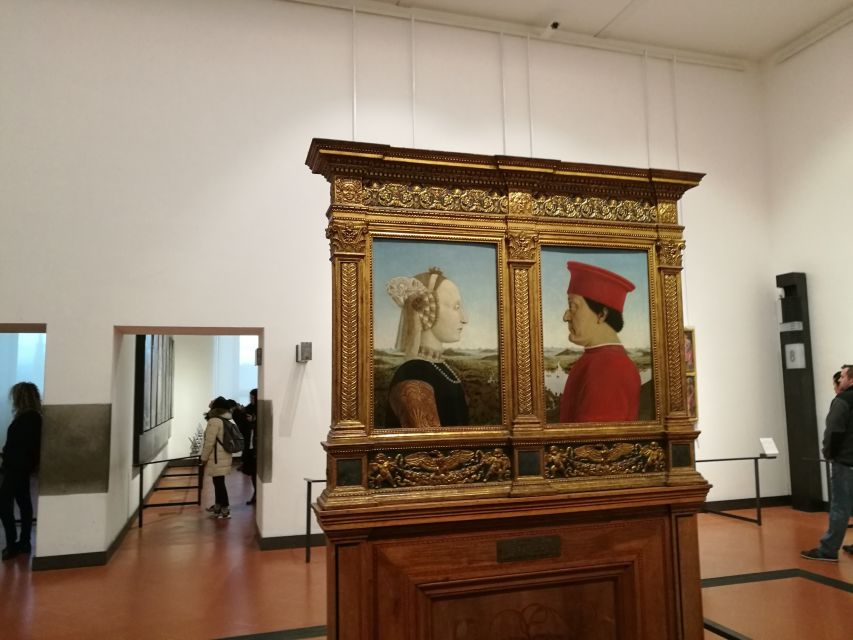
After the Uffizi, you get a brief break before continuing to Palazzo Vecchio. The supplied timing calls the activity three and a half hours, while the included information also describes it as a four-hour small-group tour. Plan for a substantial morning and avoid booking something too tightly after it.
The tour does not provide hotel pickup or drop-off. You make your own way to the Uffizi meeting point and finish back at that same general meeting point. Since both museums are in central Florence, the route is practical for anyone already exploring the historic center, but you should still allow time to reach Door 1.
This pause is useful because the Uffizi is mentally demanding. You have been looking closely at paintings and listening to a steady stream of context. A few minutes to reset can keep Palazzo Vecchio from becoming a blur of grand rooms.
Same city, a very different set of state rooms:
- Florence: Palazzo Vecchio Entry Ticket with Audio Guide
★ 4.4 · 837 reviews - Florence: Pitti Palace and Boboli Gardens Ticket & eBook
★ 4.5 · 835 reviews - Florence: Uffizi, Pitti, Boboli and 7 Attractions 5-Day Pass
★ 4.5 · 652 reviews - Florence: Palazzo Vecchio Skip-the-Line Entry Ticket
★ 4.2 · 349 reviews
Entering Palazzo Vecchio and the Hall of the 500
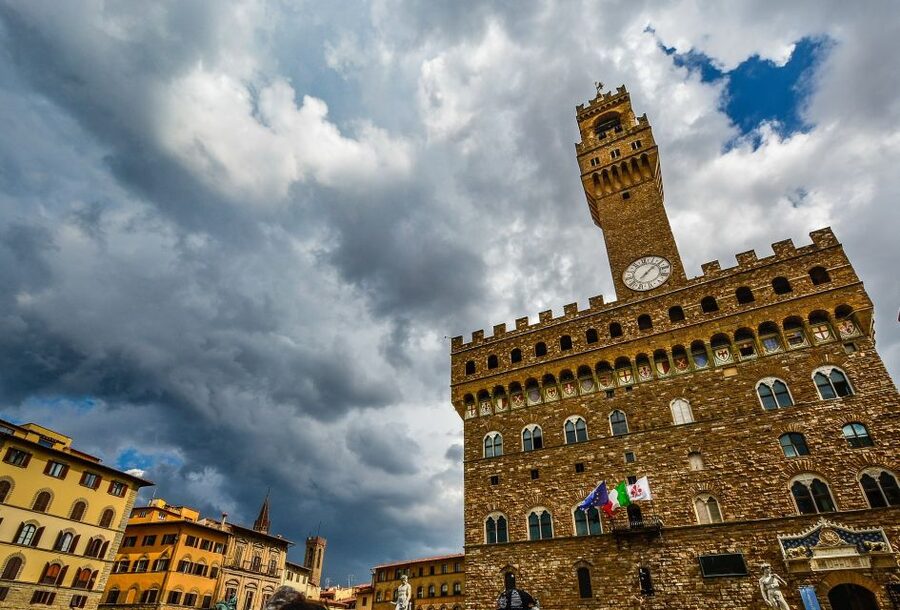
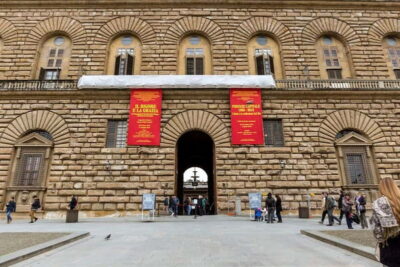
Palazzo Vecchio gives the tour a different mood. The Uffizi is primarily a gallery, while Palazzo Vecchio feels like a seat of government, a ceremonial palace, and a museum at once. Florence’s city hall still operates here today, adding a living civic role to the historic building.
Your guide explains how the palace got its name. It became the old palace after the Medici family moved across the Arno to Palazzo Pitti. That simple name change reflects a larger shift in Florence, from the city’s government center toward the Medici court.
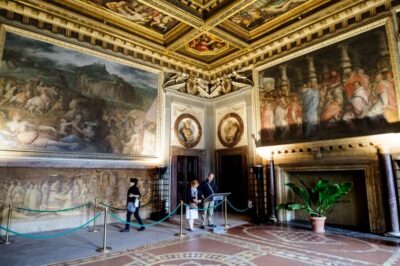
The most dramatic room is the Salone dei 500, also called the Hall of the 500. Its scale is impressive, but the room is not just a grand backdrop for photographs. It was designed for civic power, public ceremony, and political theater.
Look for the small inscription Cerca e Trova, meaning seek and you shall find. It appears high on a Vasari fresco and became an important clue in Dan Brown’s Inferno. The novel has made this detail famous, but the room is worth seeing even if you have never read the book.
Here, a guide helps separate the real building from the fictional suspense. You can hear about the inscription, the Vasari fresco, and the stories tied to the room without mistaking the novel’s plot for the palace’s full history.
Michelangelo, Donatello, and the map room
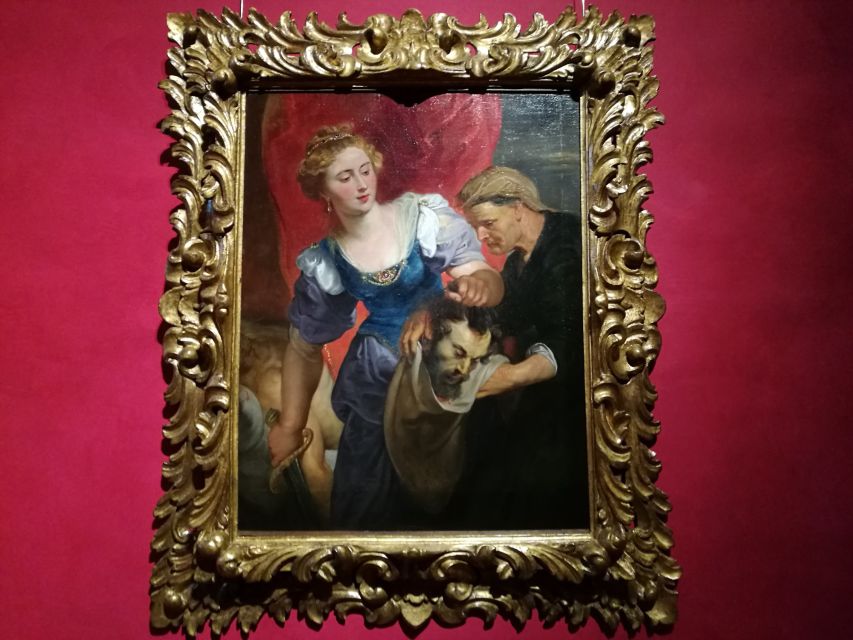
Palazzo Vecchio’s museum contains work by Michelangelo and Donatello, giving you another chance to see important sculpture and artistic detail after the Uffizi. The setting changes how you experience the pieces. Instead of viewing art in a dedicated gallery, you encounter it within rooms built for the ruling power of Florence.
The tour also includes general rooms and sections of the building, including the map room. That room adds a different kind of interest. It reflects how people in the palace pictured the wider world, and it gives the visit a break from the main parade of paintings and sculpture.
The itinerary is broad rather than specialized. You will see the principal public spaces and museum areas, but you should not expect access to every corner of the palace. In particular, secret passages are not included or available on this tour.
That limitation is worth taking seriously if you are booking because of Inferno. The Hall of the 500 and the Cerca e Trova clue are included, but a secret-passage experience is not. You are getting a standard guided visit to the palace’s public and museum areas.
The guide can make or break this morning
The strongest praise attached to this experience centers on the guide. Elizabeth is described as professional, attentive, efficient, and especially good at bringing both the Uffizi and Palazzo Vecchio to life. She is also credited with handling summer crowds well.
That combination matters more than a long list of famous names. Art museums can become tiring when an explanation turns into a lecture or when a guide rushes past questions. An attentive guide helps you keep your bearings and gives the art a human scale.
The tour is led in English, and the guide is certified and local. The language format is useful if you want a continuous explanation rather than a multilingual rotation. At the same time, the quality of any live tour depends on the individual guide assigned on your date. Elizabeth’s praise is encouraging, but you should not assume she will personally lead every departure.
You will need comfortable shoes. The tour lasts most of a morning, includes two large historic buildings, and requires standing and walking. Bring a passport or ID card, since identification is listed among the items to carry.
Large bags and luggage are not allowed, and pets and smoking are not permitted. Do not arrive with your main suitcase. A small day bag is the safer choice, subject to the museums’ entry rules.
Is $168.79 a fair price?
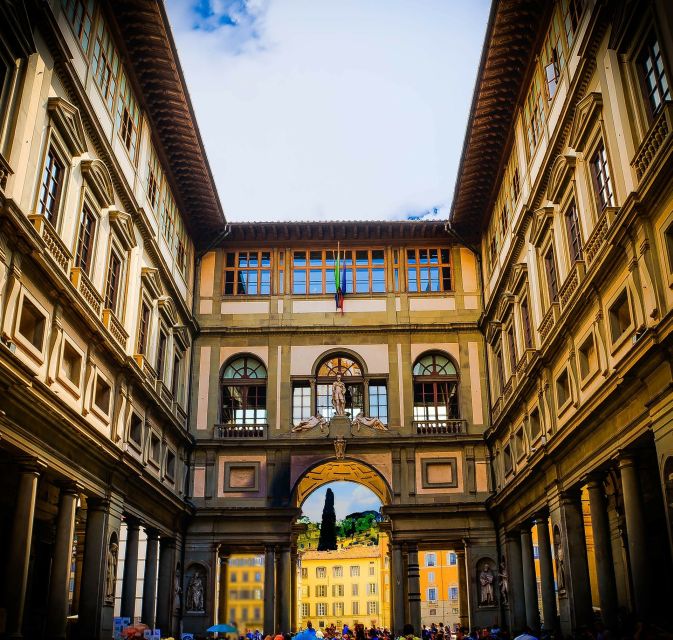
At $168.79 per person, this is not a budget museum visit. You are paying for two major admissions, skip-the-line access, a certified English-speaking guide, a small-group format, and a carefully timed morning.
The value is strongest if you want structure. You avoid planning two museum visits, working out the best order, and sorting through the Uffizi on your own. You also gain context in the Hall of the 500 and a direct explanation of the Cerca e Trova inscription.
The value is weaker if you already know Renaissance art well or prefer to move at your own pace. You may want more time with a single painting, or you may not need a guide to identify the Uffizi’s main works. In that case, the price pays for convenience and interpretation you might not use fully.
I would also compare the listed duration carefully. The activity is presented as three and a half hours, while the included details refer to a four-hour tour. That difference is not large, but it matters if you have a lunch booking, train departure, or another timed attraction afterward.
Free cancellation up to 24 hours before the tour and the option to reserve now and pay later reduce some booking risk. Those terms are useful in a Florence schedule, where museum plans often need to fit around weather, train times, and other timed entries.
Who should book this Florence tour?
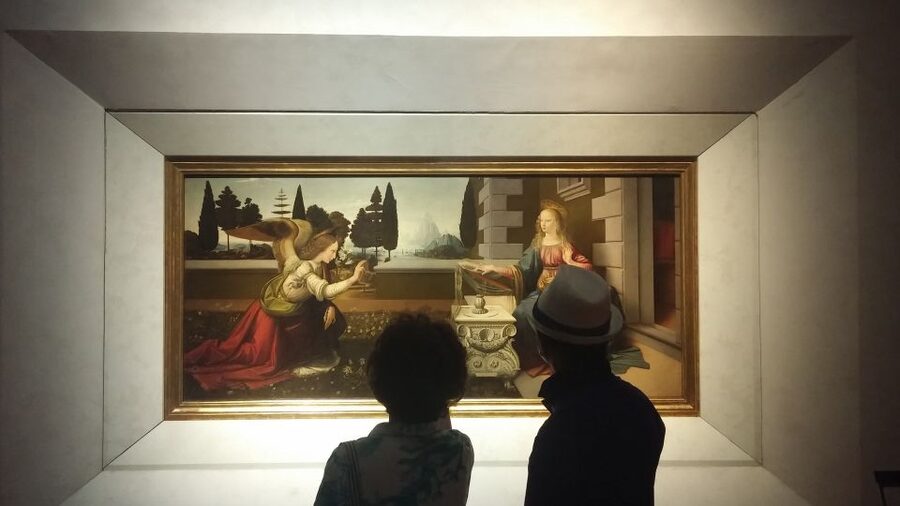
I would recommend it to a first-time Florence visitor who wants the city’s major art explained in one efficient morning. It also suits anyone who dislikes museum crowds, prefers a guide to set the route, or wants to connect the Uffizi’s art with the political rooms of Palazzo Vecchio.
It is a good match for fans of Botticelli, Michelangelo, Vasari, or Inferno. You get the famous works and the famous clue, but you also receive enough wider context to keep the visit from becoming a simple checklist.
Families and mixed-interest groups may find the combined plan useful, though the pace is fairly full. If one person wants to study every painting and another wants only the highlights, the guided route may require compromise.
I would skip it if secret passages are your main reason for visiting Palazzo Vecchio. They are specifically excluded. I would also skip it if you want a slow, highly specialized Uffizi study or a completely private experience.
Should you book it?
Book this tour if you want to see Florence’s two essential civic and artistic buildings with an early start, quick entry, and a guide who can connect the art to the city’s power struggles. The praise for Elizabeth suggests how much a strong guide can add, especially when summer crowds press in.
Think twice if $168.79 feels high for a morning or if you already have firm plans for both museums. For most first-time visitors, though, the combination of early access, a small group, and clear English commentary makes this a practical way to get oriented before exploring more of Florence on your own.
FAQ
Where does the tour begin?
Meet your guide in front of Door 1 at the Uffizi Gallery, beside the Petrarca statue.
What time does the tour start?
The tour starts at 8:40 AM.
How long does the tour last?
The listed duration is three and a half hours. The included information also refers to a four-hour small-group tour, so allow most of the morning.
Is skip-the-line admission included?
Yes. Entrance fees and fast, skip-the-line entry are included in the price.
What language is the tour conducted in?
The live tour guide speaks English. The tour uses a monolingual format rather than repeating the commentary in several languages.
Are the Palazzo Vecchio secret passages included?
No. This is a general Palazzo Vecchio tour, and the secret passages are not included or available.
What should I bring, and what is not allowed?
Bring a passport or ID card and wear comfortable shoes. Pets, smoking, luggage, and large bags are not allowed.
Just added around Florence
- Pitti Palace and Palatina Gallery★ 4.0 · 41 reviews
- Pitti Palace Small Group Tour★ 5.0 · 6 reviews
- Private Guided Tour of Palazzo Vecchio in Florence★ 3.5 · 4 reviews
- Florence: Palazzo Vecchio Skip the line Entry ticket★ 4.0 · 49 reviews
- Pitti Palace: The Royal Palace of Florence★ 4.5 · 12 reviews
- PALAZZO VECCHIO Private tour in Florence★ 5.0 · 35 reviews
- Private Tour of Pitti Palace with Boboli Garden★ 5.0 · 28 reviews
- Pitti Palace and Palatine Gallery: A Royal Art and History Tour★ 4.5 · 42 reviews
Italian Palazzo Tours, compared.
Uffizi, Pitti Palace & Boboli Combined 5-Day Pass
Read our review →
Palazzo Vecchio: Skip-the-Line Entry and Secret Passage Tour
Read our review →
Opera Concert at Palazzo Poli – Fontana di Trevi
Read our review →
Browse the lists this tour appears in