REVIEW · PALACE TOURS
Enjoy the Folkloric Ballet at the Palacio de Bellas Artes
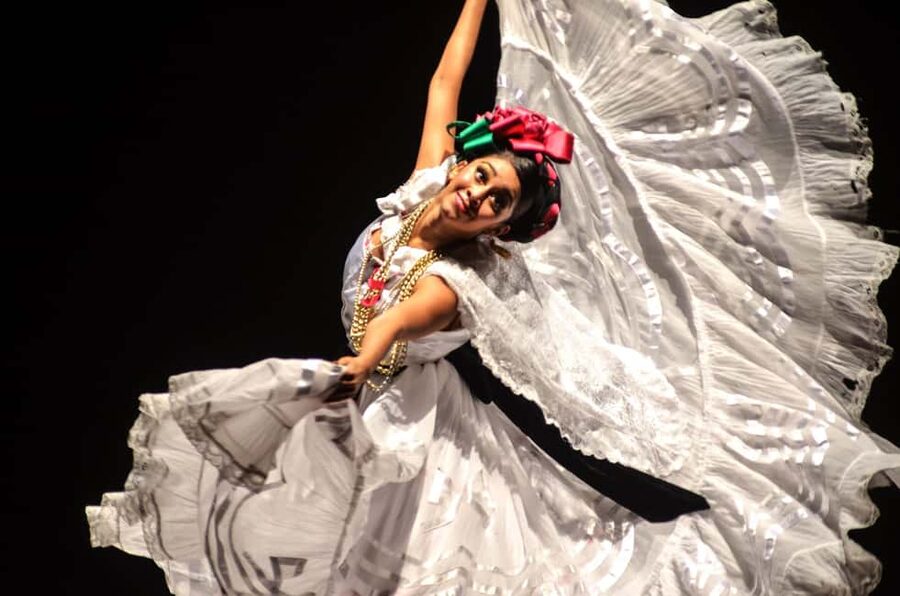
The best part of this one-hour performance is the meeting of Amalia Hernández’s famous choreography and the Palacio de Bellas Artes, Mexico City’s great marble theater. You see dances from across Mexico, hear live traditional music, and watch color sweep across a stage framed by Art Nouveau and Art Deco design. I like the wide regional range, from the Jarabe Tapatío of Jalisco to the Dance of the Feather from Oaxaca. I also like that you are seeing a cultural production with more than 70 years of history, not a short tourist skit. The main caution is value: at $227 per person, this is costly for a one-hour show, especially if your ticket does not place you in a good section.
I like the included hotel pickup from Polanco, the Historic Center, Reforma, and Condesa, since evening traffic and downtown navigation can be tiring. But communication matters here. A December 2025 booking had a last-minute venue change and seating that was first come, first seated rather than assigned, so confirm the location and seat arrangements before you leave your hotel.
Key points before you book
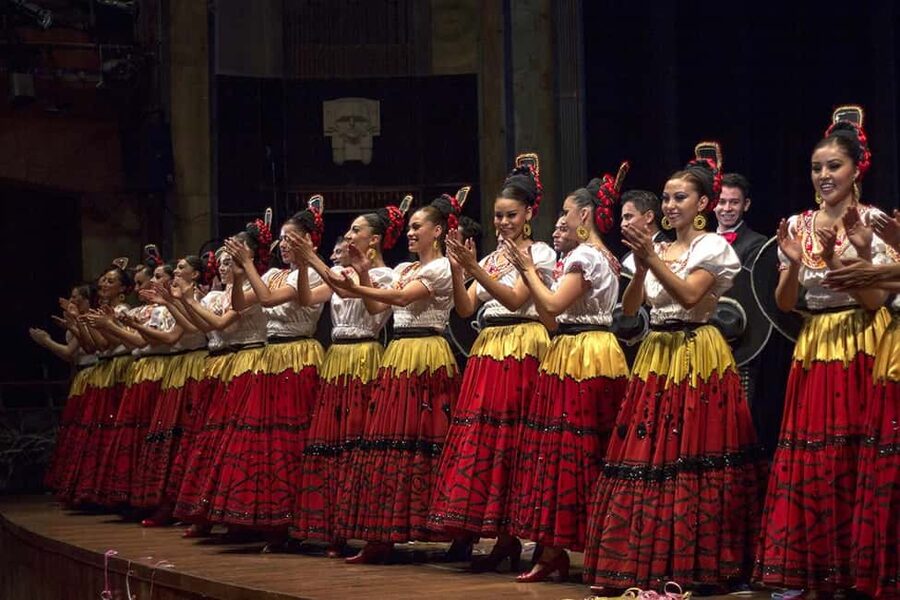
- More than 100 dancers: The production uses a large cast to show the scale and variety of Mexican folk traditions.
- Live traditional music: An orchestra accompanies the dances, adding force and local character that recorded music cannot match.
- A grand setting: Palacio de Bellas Artes brings a marble dome, Art Nouveau and Art Deco details, and murals by Diego Rivera and David Siqueiros into the evening.
- Regional Mexican dance: Expect the Flyers of Papantla, the Jarabe Tapatío, the Dance of the Feather, and other dances connected to different states.
- Hotel pickup in four areas: Transportation is offered from hotels or Airbnbs in Polanco, the Historic Center, Reforma, and Condesa.
- A pricey one-hour outing: The performance is culturally important, but the price makes seat quality and clear logistics especially important.
Why Amalia Hernández’s ballet matters
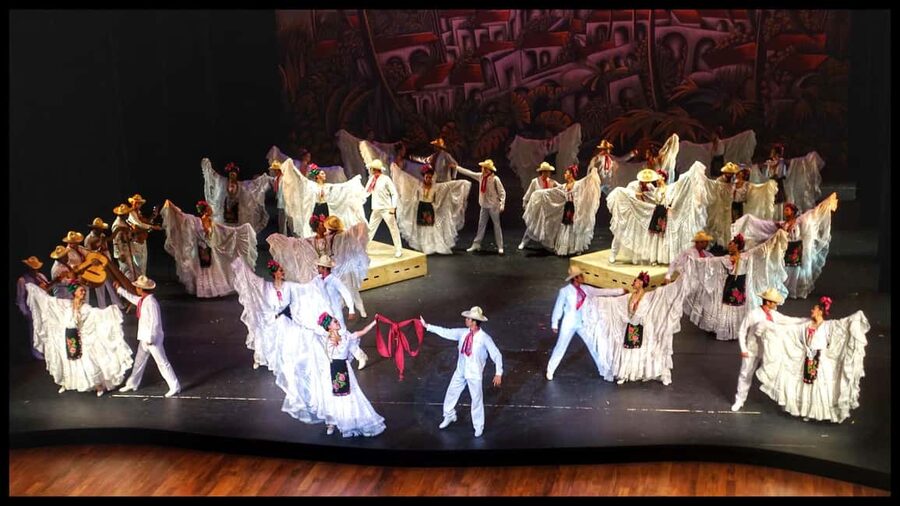
Ballet Folklórico de México was created by Amalia Hernández, who turned Mexican customs, legends, and regional dances into a large stage production. Her approach was not simply to place village dances one after another. She shaped them with formal choreography, costumes, lighting, live music, and theatrical movement.
That gives the show a particular character. You are not watching an unedited local festival. You are seeing an artistic version of Mexico designed for a major theater. It can feel grand and polished, with dancers moving as a large unit and costumes changing the mood from one section to the next.
The production has been presented for more than 70 consecutive years. That long run matters because the performance is part of Mexico City’s cultural life, not a new attraction built only for short-term visitors. If you want a first look at the country’s regional traditions, this gives you a broad introduction in a single sitting.
The ballet also offers a useful reminder that Mexico is not one culture with one style of music. The program moves between pre-Hispanic influences, indigenous traditions, public celebrations, and dances tied to specific states. You see different rhythms, formations, clothing, and stories rather than one repeated idea of Mexican folklore.
A few more palace visits around the world worth a look
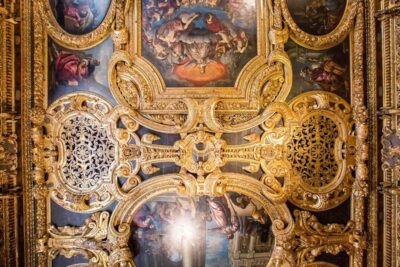
- Venice: Doge’s Palace Reserved Entry Ticket
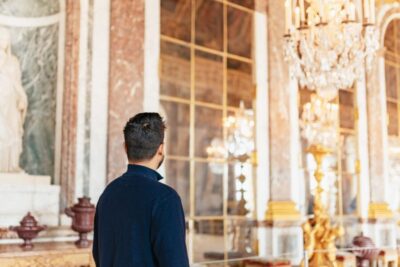
★ 4.6 · 42,716 reviews - Paris: Versailles Palace and Gardens Full Access Ticket
★ 4.6 · 41,579 reviews - Seville: Royal Alcázar Entry Ticket
★ 4.6 · 28,378 reviews
What the one-hour performance feels like
The published duration is one hour, so this is easy to fit into a busy Mexico City schedule. You will not be committing to an entire evening of theater. At the same time, the short running time means the show has to move quickly through many regions and traditions.
You can expect a concentrated sequence of dances rather than a slow, detailed explanation of each custom. The meaning comes through movement, music, dress, and familiar symbols. If you want full historical background for every dance, you may need to read about the regions before or after the performance.
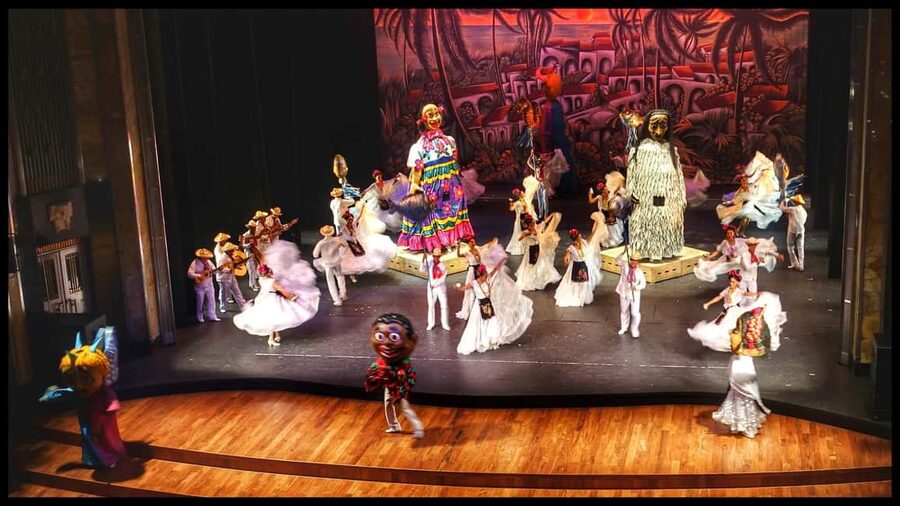
The large cast is one of the production’s main strengths. More than 100 dancers can make a stage feel full in an instant. Group formations create a sense of celebration, while smaller sections can focus your attention on a particular dance tradition or story.
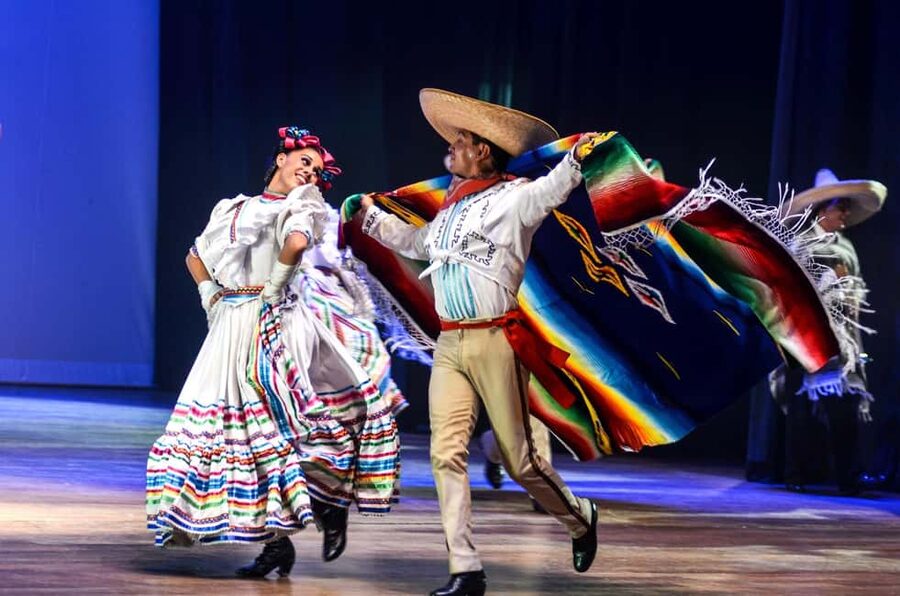
Costumes do much of the storytelling. They identify regions and occasions through color, shape, and movement. When a line of dancers turns or spins, the clothing becomes part of the choreography. This is why a seat with a clear view matters. You want to see the full formation, not only the dancers nearest your side of the stage.
The dances to watch for
The Dance of the Flyers of Papantla is one of the best-known traditions represented in the program. Its connection with Papantla gives the production a direct link to a specific place and ceremonial practice. On stage, it helps establish the show’s interest in ancient and indigenous traditions.
The Jarabe Tapatío comes from Jalisco and is widely recognized as one of Mexico’s signature dances. It brings a different mood, with a more familiar festive style and a strong sense of courtship and public celebration. It is the kind of number that helps explain why Mexican folk dance is so closely tied to national identity.
The Dance of the Feather, from Oaxaca, adds another regional color. Oaxaca has many indigenous communities and local traditions, and the dance gives the program a connection to that part of Mexico. You should not expect the one-hour show to explain every local distinction, but you will see how strongly state and community identity shape the performance.
Other dances represent different regions, festivals, myths, and stories. The program’s appeal is its range. Instead of spending the full hour on one style, it gives you a fast-moving picture of Mexico through music and dance.
Palacio de Bellas Artes adds half the drama
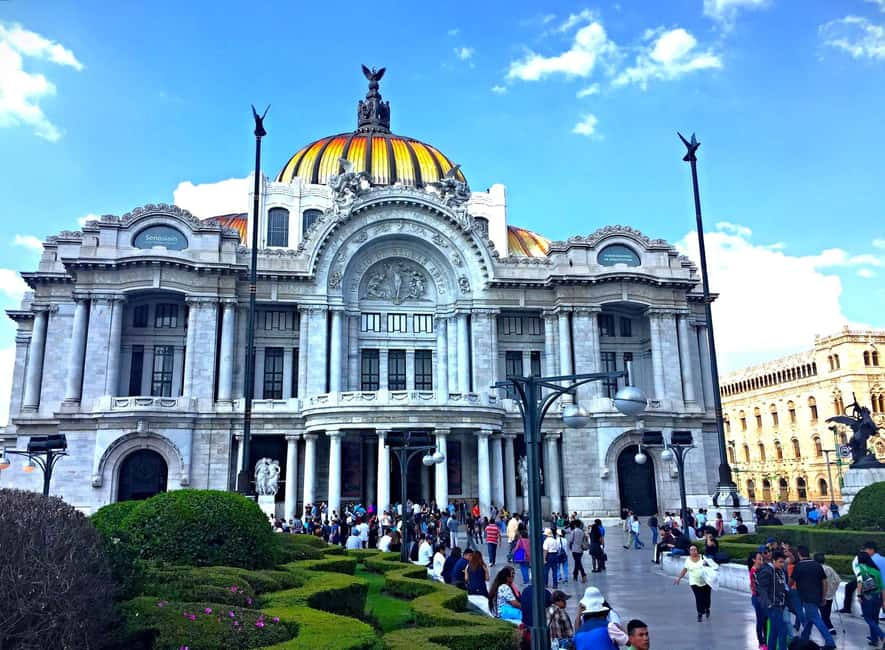
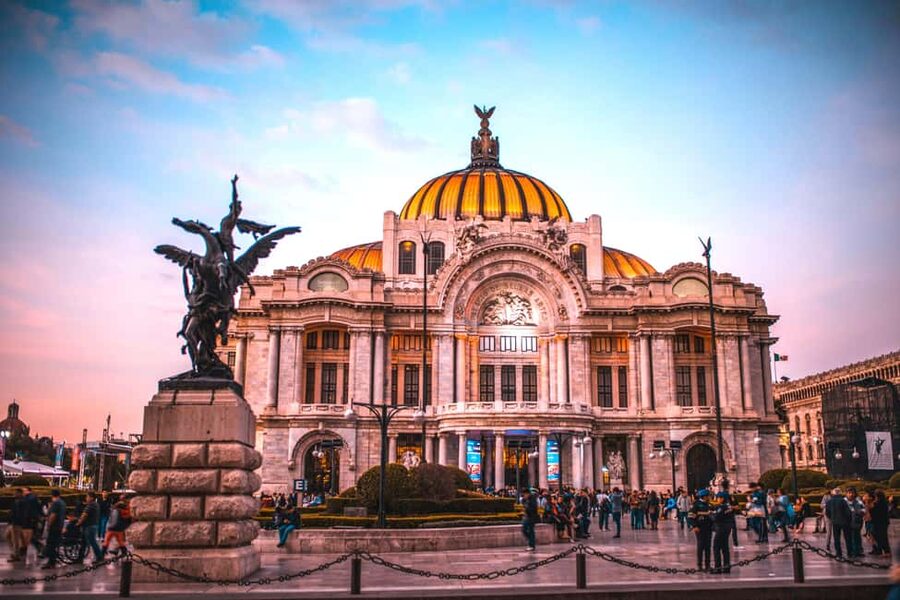
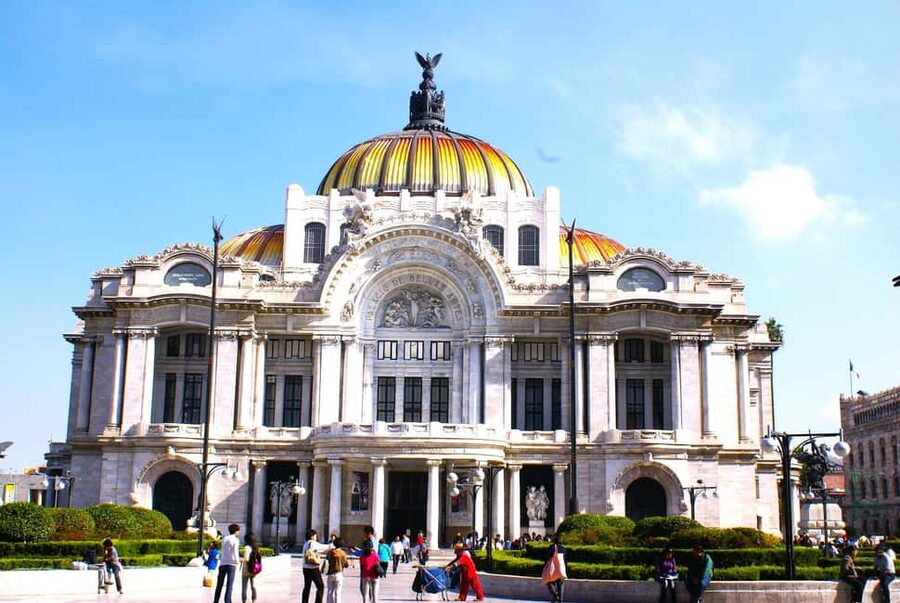
The building is not just a convenient theater. Palacio de Bellas Artes is one of Mexico City’s most important cultural buildings and a UNESCO World Heritage site. Its exterior and interior combine Art Nouveau and Art Deco design, giving the performance a setting that feels far more special than an ordinary auditorium.
Look for the imposing marble dome and the building’s formal decorative details. Inside, murals by Diego Rivera, David Siqueiros, and other internationally known artists add another layer of Mexican art to the visit. Even before the dancers appear, you are in a place made for grand cultural statements.
That setting changes how the ballet feels. The costumes and music are already theatrical, but the marble, dome, murals, and historic design give them a larger frame. You are seeing Mexican traditions presented in one of the country’s leading arts centers.
The location is in Mexico City’s Historic Center and is accessible by public transport. If you are staying outside the included pickup zones, you can make your own way there, but plan to arrive early. You are asked to be at the theater at least 30 minutes before the show begins.
Same city, a very different set of state rooms:
- Granada: Alhambra & Nasrid Palaces Tour with Tickets
★ 4.7 · 19,801 reviews - Sintra: Pena Palace and Park Entrance Ticket
★ 4.2 · 17,410 reviews - Granada: Alhambra and Nasrid Palaces Entry Ticket
★ 4.6 · 15,130 reviews - Madrid: Royal Palace Fast-Access Admission Ticket
★ 4.6 · 13,856 reviews
Hotel pickup and the practical timing
Pickup is included from hotel lobbies or Airbnbs in Polanco, the Historic Center, Reforma, and Condesa. The driver speaks Spanish and English. You should be ready 15 minutes before the stated pickup time, since city traffic can affect the route.
This service is useful if you are staying in one of those areas and want a simple trip to the theater. It also removes some uncertainty from reaching the Historic Center for a timed performance. If you are staying elsewhere, do not assume pickup is available. The stated pickup areas are limited.
The logistics deserve extra attention because one recent booking had a venue change communicated only a few hours before the event. Another issue was seating. The reservation was expected to provide assigned seats, but seating ended up being first come, first seated, with a less favorable position than expected.
For that reason, check your final confirmation carefully. Confirm the venue, pickup time, and how seating works. If the performance has moved from Bellas Artes to another location, the setting and value are different. One January booking specifically took place at Castillo de Chapultepec during the December to January period, so seasonal venue changes may occur.
Do not treat the one-hour duration as permission to arrive at the last minute. The instructions call for arrival at least 30 minutes before showtime. That gives you time to enter, find your place, and take in the building before the curtain.
What is included, and what is not
The ticket includes the live music performance, the traditional dance presentation, access to Palacio de Bellas Artes, and transportation from your hotel if you are in the covered zones.
No meal, drink, or souvenir is included. That is not a serious problem for a one-hour event, but it affects your budget. You are paying mainly for the performance, the venue, and the transportation service, not for a full evening package.
Bring water for the time before or after the show, comfortable shoes for the walk to and from the pickup point, and a camera for permitted moments. Flash photography is not allowed during the performance. Weapons, sharp objects, fireworks, and explosive substances are prohibited.
The camera rule is worth taking seriously. You may want a picture of the building or your surroundings, but do not use flash while the dancers are performing. A bright flash distracts both the cast and the people seated around you.
Is $227 a fair price?
The price is the biggest question. At $227 per person for one hour, this is not a budget cultural activity. You are paying a premium for a major production, a prestigious venue, live musicians, a large cast, and hotel transportation.
That can make sense if you value convenience and want one polished introduction to Mexican dance. It can also be a good choice for a special evening, especially if the Palacio de Bellas Artes setting is central to your plans.
The price feels harder to justify if you receive a poor seat or if the venue changes without clear notice. One October booking found the decorations and dances beautiful but considered the event overpriced, with seats that did not match the cost. A December booking had a similar concern: the show itself was outstanding, but communication was poor and the seating arrangement was less favorable than expected.
My advice is simple: treat seat location as part of the purchase, not a minor detail. If you are paying this much, ask how seats are assigned and whether the venue is definitely Bellas Artes on your date. A clear answer can make the difference between a memorable cultural evening and an expensive hour viewed from an awkward angle.
Who will enjoy this most?
I would recommend the ballet to you if you want a quick, polished introduction to Mexican culture rather than a long museum visit or a neighborhood food tour. It suits first-time visitors who want to see several regional traditions without traveling across the country.
Families and culture-focused couples may also appreciate the strong visual appeal. The dances are easy to follow even if you do not speak Spanish, since music, costumes, and movement carry much of the message.
It is especially useful for someone with only a few days in Mexico City. In one hour, you encounter references to indigenous traditions, regional festivities, myths, and national symbols. You will not learn every detail, but you will leave with a clearer sense of Mexico’s cultural variety.
I would be cautious if you are highly sensitive to price, need guaranteed seating details, or require wheelchair access. The activity is not suitable for wheelchair users according to the provided information. If your main goal is an intimate, informal local performance, this large theatrical production may feel too polished.
How to make the most of the evening
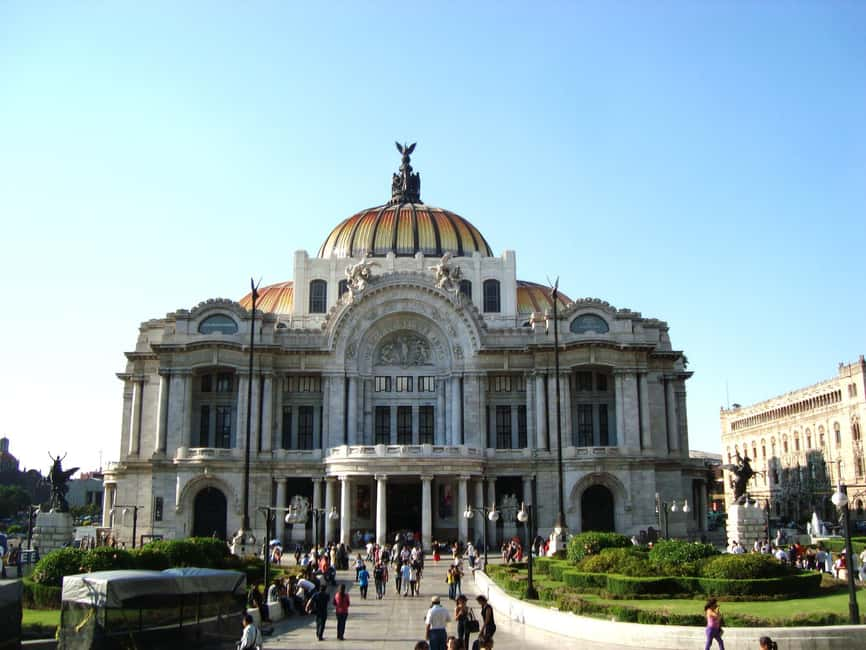
Arrive early enough to appreciate the building before the performance begins. The palace is part of the attraction, and rushing straight to your seat loses some of the value of the setting.
Read a little about the featured dances in advance, especially the Flyers of Papantla, the Jarabe Tapatío, and the Dance of the Feather. Even a small amount of context helps you notice the difference between regions and traditions.
Wear comfortable shoes, but remember that this is still a formal cultural venue. Bring water, and plan your meal separately since none is included. If you are using hotel pickup, wait in the lobby and be ready 15 minutes early.
Finally, check the latest venue and seating information shortly before the show. This is the most useful practical step I can offer. The production may be excellent, but the details of where you sit and where the performance takes place shape the value of the whole evening.
Should you book the Ballet Folklórico?
Book it if you want a compact, visually powerful introduction to Mexico’s regional dance traditions, and if seeing live music and a large cast in Palacio de Bellas Artes is worth a premium price to you.
I would not book without confirming the venue, pickup arrangements, and seat policy. The performance itself receives strong praise for its dances, decorations, and cultural scope. The weak points are cost, communication, and the possibility of less desirable seating.
For the right audience, this is a memorable one-hour cultural event. For a budget-conscious visitor, it may be better to compare the price with other Mexico City performances first. If you do book, protect the value of your ticket by arriving early and getting the final logistics in writing.
FAQ
How long does the Ballet Folklórico performance last?
The performance lasts one hour.
Where does the performance take place?
The standard venue is the Palacio de Bellas Artes in Mexico City’s Historic Center. Venue changes can occur, including a December to January presentation at Castillo de Chapultepec, so confirm the location for your date.
What dances are included?
The program includes the Dance of the Flyers of Papantla, the Jarabe Tapatío from Jalisco, the Dance of the Feather from Oaxaca, and other dances representing Mexican regions, traditions, and festivities.
Is live music included?
Yes. A traditional orchestra performs live music during the dance presentation.
Is hotel pickup available?
Yes, pickup is included from hotel lobbies or Airbnbs in Polanco, the Historic Center, Reforma, and Condesa. You should be ready 15 minutes before pickup.
What languages are available?
The driver speaks Spanish and English.
Is the activity suitable for wheelchair users?
No. The activity is listed as not suitable for wheelchair users.
Just added around the world
- Hiking in the natural park on the outskirts of the Alhambra★ 5.0 · 5 reviews
- Alhambra Tour with Nasrid Palaces : Join a Group. Skip the line.★ 5.0 · 84 reviews
- Alhambra: tour with Generalife and Alcazaba. Admission not included★ 4.5 · 15 reviews
- Scone Palace, Nature, Pitlochry, Whisky Experience from Glasgow★ 5.0 · 6 reviews
- Guided tour to Alhambra with Generalife, Alcazaba and Carlos V★ 5.0 · 45 reviews
- 2-Hour Guided Tour of Alhambra Gardens and Alcazaba in Granada★ 5.0 · 8 reviews
- Alhambra: tour with Nasrid Palaces. Admission not included★ 4.5 · 29 reviews
- 2 hours Craft workshop “The Alhambra with your hands”★ 5.0 · 11 reviews
Palace Tours, compared.
Versailles Palace and Gardens Full Access Ticket
Read our review →