
REVIEW · AUSTRIA PALACE TOURS
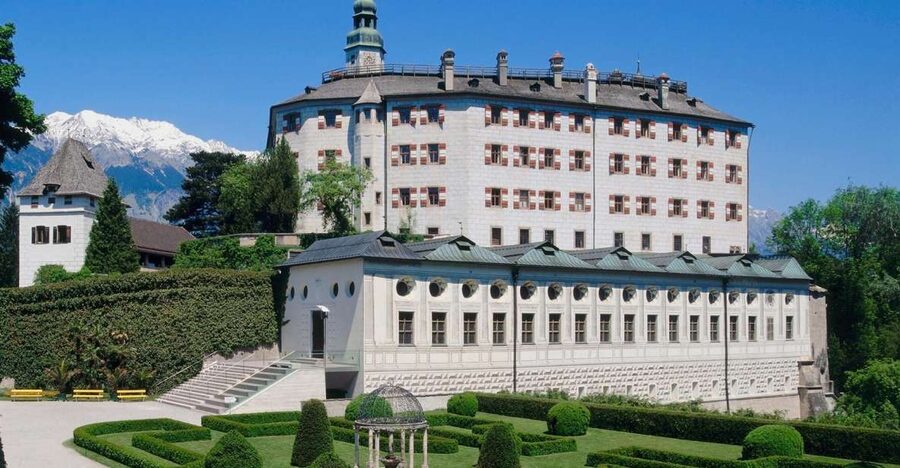
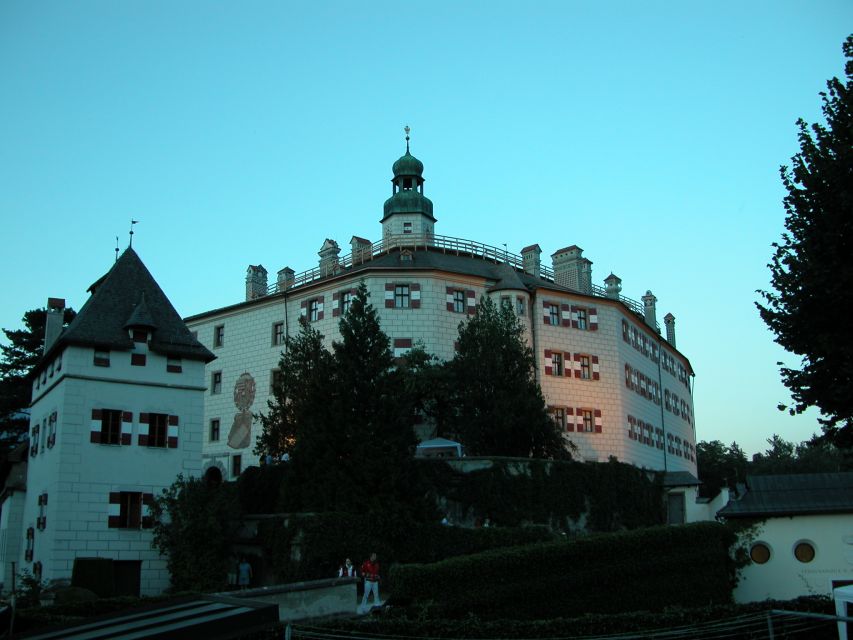
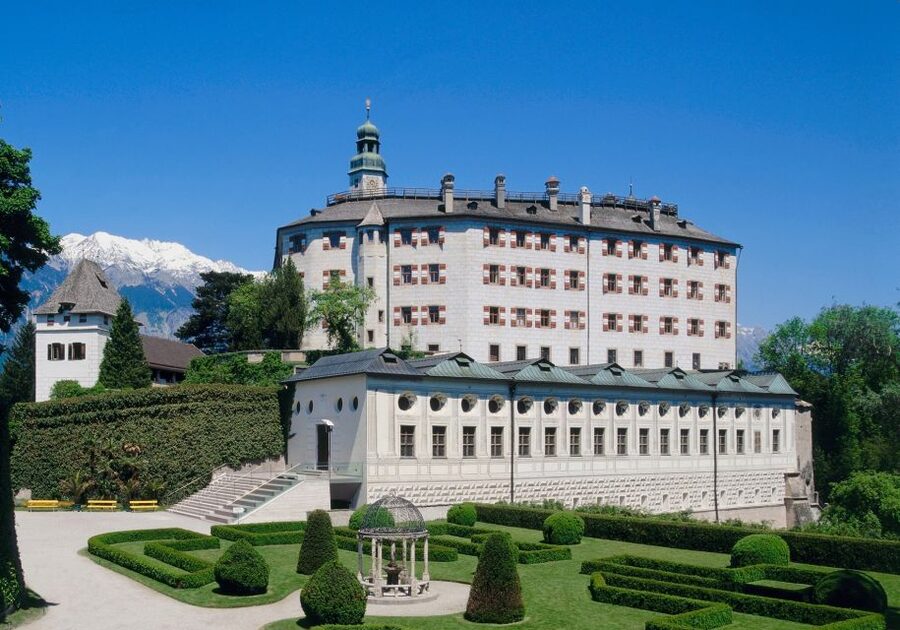
Innsbruck: Tickets for Schloss Ambras
Schloss Ambras is not just a grand old house. It is a window into the collecting habits of Ferdinand II, a Renaissance prince who filled his residence with strange, beautiful, costly, and sometimes downright odd objects. The Chamber of Art and Wonders is the star: coral, ivory, scientific instruments, unusual musical devices, objects from distant lands, and portraits of people once regarded as human marvels.
I especially like the contrast between the armories and the portrait gallery. One room explains power through armor and ceremony, while another follows the Habsburg family through more than 200 paintings. The admission is also easy to use: you get a full day, and the $16 price is fair if you take time with all three collections.
The main thing to consider is that this is admission only. An audio guide and guided tour cost extra, so visitors who want a story told from room to room will need to arrange that separately. Still, the museum works well for independent sightseeing, and its unusual displays make it a good choice for families as well as art and history fans.
Key points to know before visiting
- Ferdinand II’s collection is the main event: The Chamber of Art and Wonders mixes fine art, science, nature, distant cultures, games, and human curiosities.
- The armories show more than battlefield gear: You will see tournament armor, ceremonial suits, generals’ armor, and the Turkish Chamber.
- The portrait gallery covers centuries: More than 200 works follow Habsburg rulers from Albrecht III to Emperor Franz II.
- Major names appear in the collection: Look for works connected with Lukas Cranach, Giuseppe Arcimboldo, Peter Paul Rubens, Anton van Dyck, and Diego Velázquez.
- The ticket is valid for one day: You can set your own pace rather than rush through a timed guided visit.
- The $16 admission covers the museum only: Audio guides, guided tours, and private guiding are not included.
Why Schloss Ambras feels different from a standard palace visit
Many palace museums ask you to admire rooms, furniture, and royal portraits. Schloss Ambras gives you that, but it also shows how a sixteenth-century prince tried to organize the whole world inside his residence.
Ferdinand II lived from 1529 to 1595, and his collection reflects the Renaissance appetite for discovery. Art was important, but so were science, nature, foreign objects, unusual bodies, technical devices, and clever amusements. The result is less tidy than a conventional royal collection, which is exactly why it is fun.
You may move from a finely worked object to a piece of armor, then to a coral specimen or a portrait of a person once considered a miracle. These objects do not all fit modern museum categories. That is part of the point. The collection shows what counted as rare, strange, beautiful, or intellectually valuable in Ferdinand’s time.
I would allow enough time to look closely rather than simply walk through for the sake of checking off a palace. The ticket is valid for one day, so you are not tied to a short presentation or a fixed group schedule.
More palace entry tickets in Austria:
- Vienna: Panorama Train Tickets to explore Schönbrunn Palace
★ 4.3 · 1,164 reviews - Entry Ticket Upper Belvedere, Klimt’s Kiss & Permanent Collection
★ 4.5 · 831 reviews - Vienna: Imperial Treasury & New Hofburg Palace Combo Ticket
★ 4.3 · 614 reviews
The Chamber of Art and Wonders
Begin with the Chamber of Art and Wonders, called the Kunst- und Wunderkammer in German. This is the portion most likely to stay in your memory because it is so varied.
The collection was meant to represent the knowledge of the age. You will find works of art beside scientific objects, products of nature, items from distant places, games, and musical instruments. That mixture can feel surprising at first, but it gives you a direct sense of how Renaissance collectors viewed the world.
The Tödlein is among the notable art objects. The collection also includes objects made from ivory and coral, materials prized for their beauty and rarity. These are not simply decorative pieces. They show the level of craftsmanship and the value placed on unusual materials.
A scientific object called the attachment with compass offers a different kind of interest. It reminds you that Ferdinand’s collection was not limited to paintings or luxury goods. Devices that demonstrated measurement, direction, or technical skill belonged in this world of wonders too.
The Ryukyu bowl points to contact with distant cultures. The collection also includes unusual musical instruments and fascinating games. For children, these objects can make the visit easier to follow than a long sequence of formal portraits. The museum’s own mixture of curiosities gives younger visitors plenty of visual details to spot.
Some displays may feel strange by modern standards, particularly the portraits of people once labeled as miracles. The hairy man, known as the Haarmensch, is one example. These objects are best understood as evidence of old ideas about nature and human difference, not as simple entertainment.
That context matters. The collection reveals both curiosity and the limits of Renaissance thinking. You see a society eager to study the world, yet also quick to classify unusual people as wonders. A guide could add useful explanation here, but even without one, the objects invite questions.
The Armories and the Turkish Chamber
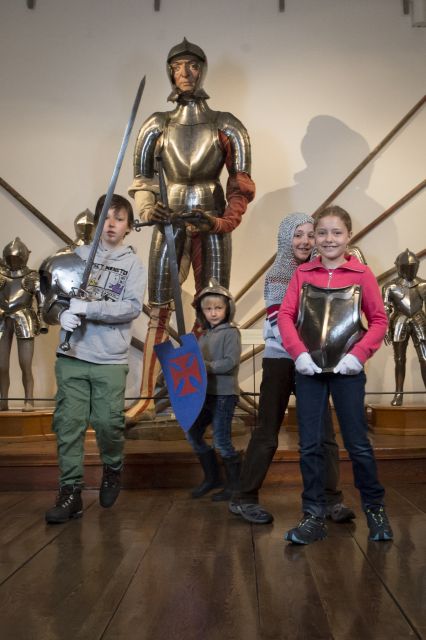
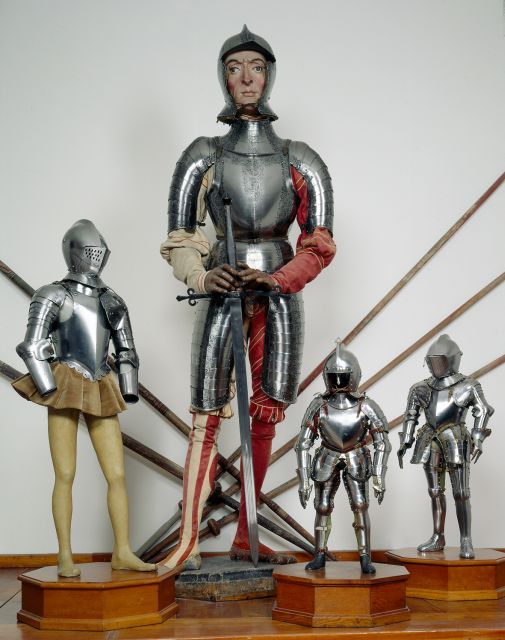
The Armories shift the mood from curiosity to ceremony and military power. Here you can see rare tournament armor, armor made for courtly festivals, and armor associated with famous generals.
Tournament armor was not simply protection for war. It could be designed for a formal contest, with elaborate construction and a powerful visual effect. Ceremonial armor served another purpose: it helped display rank, wealth, and authority during court events.
This section is a good reminder that a palace collection is also a collection about status. A heavily decorated suit of armor tells you something about the person who wore it, but also about the audience meant to admire it.
The armor of famous generals adds a more personal angle. Instead of seeing only anonymous military equipment, you can connect some objects with particular figures and careers. The collection gives you a sense of how warfare, public image, and noble identity overlapped.
The Turkish Chamber, or Türkenkammer, reflects two very different attitudes toward the Ottoman world. It documents fear of the Turks, a serious political and military concern in the sixteenth century, while also showing fascination with the Orient.
That tension is worth noticing. The room is not just a display of foreign objects. It shows how the court viewed a powerful outside culture through both anxiety and curiosity. The historical language of the period can be uncomfortable, so it helps to remember that this is a record of Habsburg attitudes, not a neutral account of Ottoman life.
I like this section because it gives the visit weight. The Chamber of Art and Wonders is full of surprise, but the armories explain the political world that surrounded Ferdinand. Together, the rooms show both the prince’s private interests and the public image he wanted to project.
The Habsburg portrait gallery
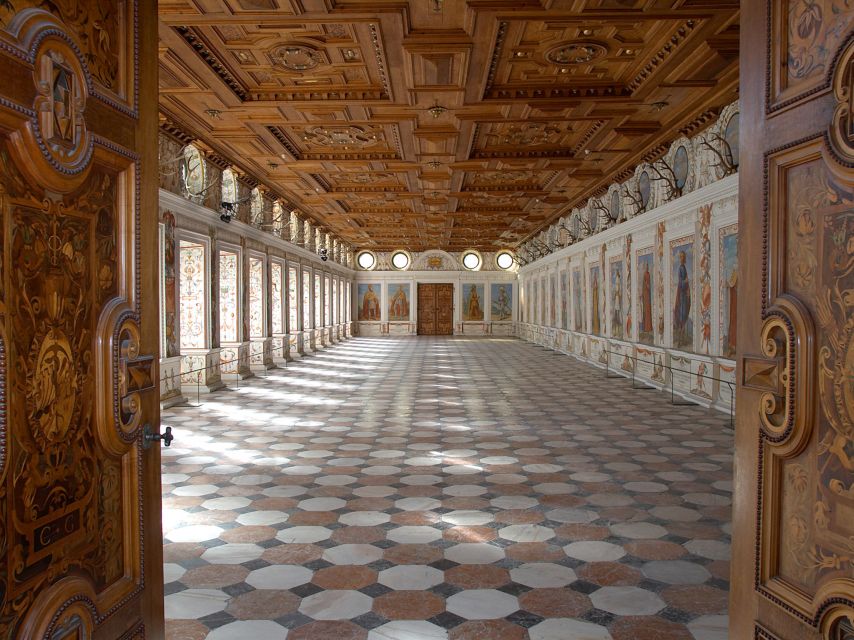
The Habsburg portrait gallery contains more than 200 paintings, covering a long stretch of dynastic history. The sequence runs from the time of Albrecht III, who lived from 1349 to 1395, to the reign of Emperor Franz II, also known as Franz I, who lived from 1768 to 1835.
That span makes this more than a room of royal faces. It is a visual record of changing clothing, hairstyles, poses, artistic tastes, and ideas about authority. You can watch the Habsburg family present itself across several centuries.
The collection includes important works associated with Lukas Cranach, Giuseppe Arcimboldo, Peter Paul Rubens, Anton van Dyck, and Diego Velázquez. You do not need to know every painter before you arrive. The names matter because they signal the quality and range of the collection, but the portraits are also rewarding as historical documents.
Look at how rulers and members of the court want to be seen. Formal clothing, symbols of rank, posture, and facial expression all carry meaning. A portrait gallery can become tiring when every face begins to blur into the next, so I recommend taking a selective approach. Choose a few paintings from different periods and compare them.
Arcimboldo’s work is likely to catch your eye because of its unusual character. Rubens and van Dyck offer a different kind of court portraiture, while Velázquez brings another major European name into the collection. The variety gives art-minded visitors a strong reason to spend time here, even if the armory and curiosities are the main draw for you.
Families may find the gallery slower than the other sections. You can keep younger children interested by asking them to notice changes in clothing, crowns, armor, and facial expressions. The visit does not have to become a formal art lesson.
A few more palace visits around Austria worth a look
- Vienna: Schönbrunn Palace & Gardens Skip-the-Line Tour
★ 4.7 · 7,739 reviews - Vienna: Skip-the-Line Sisi Museum, Hofburg and Gardens Tour
★ 4.8 · 5,918 reviews - Vienna: Skip-the-Line Schönbrunn Palace & Gardens Tour
★ 4.8 · 5,411 reviews - Salzburg: Mozart Concert at Mirabell Palace
★ 4.8 · 3,498 reviews
How to use a one-day ticket well
The admission is valid for one day, giving you room to set your own pace. That flexibility matters because the collections appeal to different interests and do not all require the same amount of attention.
If you mainly want the unusual objects, go first to the Chamber of Art and Wonders. If armor and military history are your priority, make the Armories your anchor. Art lovers may want to reserve the most time for the Habsburg portrait gallery.
I would avoid treating the ticket as a quick photo stop. The museum’s strength lies in the connections between the collections. Ferdinand’s curiosities show what he found fascinating, the armor shows how power was displayed, and the portraits show how the dynasty represented itself.
You do not need to see every object equally. Pick several pieces in each section and read the information available. The $16 admission becomes better value when you give the collections time to make sense rather than rushing through all three.
There is no included audio guide or guided tour. You can come with a private tour guide, but that needs to be arranged separately. An independent visit suits you if you like moving at your own speed and forming your own impressions. A guide will be more useful if you want political context, explanations of individual objects, or help connecting the rooms.
For groups, the admission rules are specific. A group must have at least 10 people for one guide accompanying the group to receive free admission. Only one guide per group booking receives that benefit. State-certified tourist guides receive free admission. An extra guide or accompanying person is charged as a regular visitor.
Is $16 good value?
At $16 per person, the ticket is reasonably priced for a major museum with several distinct collections. You are not paying for a short single-room display. The admission covers the Chamber of Art and Wonders, the Armories, and the Habsburg portrait gallery for one full day.
The value depends on your interest. If you enjoy art, court history, armor, or unusual objects, you can easily find enough material to justify the cost. If you only want to see a grand exterior or take a quick look around, the ticket may feel less worthwhile.
The strongest value comes from the variety. A person who tires of paintings can turn to armor. Someone less interested in military displays can spend time with ivory, coral, instruments, games, and scientific objects. That range also helps families, since different ages can respond to different parts of the collection.
Remember that the price does not include a guide or audio guide. Add those costs if you want formal interpretation. If you are happy to read and explore independently, the basic ticket keeps the visit simple.
Who will enjoy Schloss Ambras most?
I would recommend Schloss Ambras to anyone who prefers a museum with surprises. The Chamber of Art and Wonders is especially good for people who like the less predictable side of history, where science, art, nature, travel, and superstition meet.
It also suits visitors who are tired of standard palace rooms. The Armories offer a strong reason to come if you are interested in tournament culture, generals, ceremonial display, or the relationship between military power and court life.
Art lovers have plenty to see in the portrait gallery, particularly if the names Cranach, Arcimboldo, Rubens, van Dyck, and Velázquez catch your attention. You do not need specialist training to enjoy it, but some background would make the long dynastic sequence easier to follow.
Families can make good use of the variety. The unusual objects, armor, games, and scientific devices provide more visual hooks than a museum made up only of portraits. One visitor’s practical assessment described the experience as interesting for children too, which fits the collection’s broad appeal.
This may not be the best choice if you want a guided narrative included in the ticket. Since the admission is self-guided, you need to be comfortable setting your own route and deciding what deserves your attention.
Practical details before you go
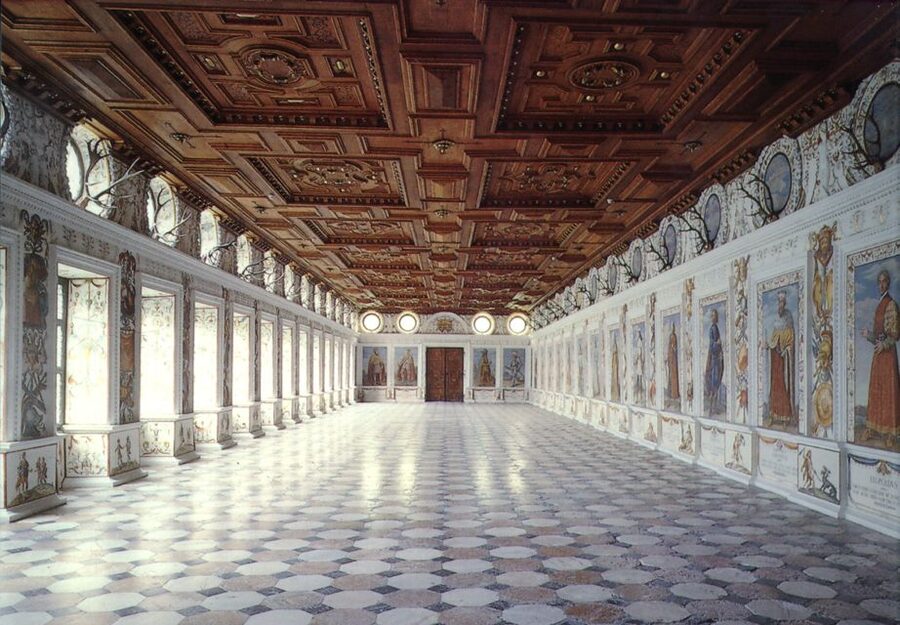
The meeting point is Schloss Ambras, Schlossstrasse 20, 6020 Innsbruck. The ticket provides admission to the castle and museum collections for one day.
You can cancel up to 24 hours in advance for a full refund, and the reserve now, pay later option allows you to keep your plans flexible. Availability must be checked for the starting time shown when booking.
The experience is provided by the Kunsthistorisches Museum. The ticket itself does not include transportation, a guided tour, or an audio guide, so plan those separately if you need them.
Should you book Schloss Ambras?
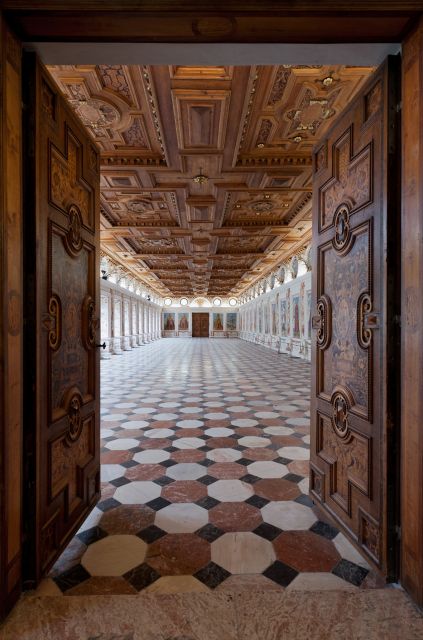
Book it if you want more than polished palace rooms. The combination of Renaissance curiosities, armor, political symbolism, and Habsburg portraits gives you a varied visit with plenty to discuss afterward.
I would especially choose it if you have children, enjoy unusual museum displays, or want to see how a sixteenth-century prince built a collection around his idea of the world. The $16 price is fair when you use the full day and visit all three main areas.
Skip it only if your schedule is so tight that you can spare little time, or if you require a guided experience included in the admission. For an independent visit with art, armor, and wonderfully strange objects, Schloss Ambras is a strong Innsbruck choice.
FAQ
Where is Schloss Ambras?
Schloss Ambras is at Schlossstrasse 20, 6020 Innsbruck, in Tyrol, Austria.
How much does admission cost?
The listed price is $16 per person.
How long is the ticket valid?
Admission is valid for one day. Check availability for the starting times offered when booking.
What does the ticket include?
It includes admission to Schloss Ambras in Innsbruck.
Is an audio guide included?
No. The audio guide is not included.
Is a guided tour included?
No. A guided tour is not included, though you can visit with a private tour guide.
What is shown in the Chamber of Art and Wonders?
The collection includes ivory and coral objects, scientific items, objects from distant countries, unusual musical instruments, games, rare natural materials, and portraits of people once considered miracles.
What can you see in the Armories?
The Armories contain rare tournament armor, ceremonial armor for courtly festivals, armor linked to famous generals, and Ferdinand II’s Turkish Chamber.
How many paintings are in the Habsburg portrait gallery?
The portrait gallery contains more than 200 paintings, ranging from the time of Albrecht III to the reign of Emperor Franz II, also known as Franz I.
Can a tour guide enter for free?
For a group of at least 10 people, one tour guide per group booking receives free admission when accompanying the group. State-certified tourist guides always receive free admission. Groups with fewer than 10 people do not receive free guide admission.
Just added around Austria
- Sound of Music: Salzburg, Mirabell, Hallstatt & Alpine Views★ 4.2 · 9 reviews
- Belvedere Palace: Tour with Skip-the-Line/Transfer Options★ 4.7 · 27 reviews
- Vienna: Schönbrunn Palace Gardens Private Guided Tour★ 4.9 · 28 reviews
- Schönbrunn Palace Private Photoshooting tour★ 5.0 · 4 reviews
- Schönbrunn Grand Tour : Private Skip-the-Line Walking Tour★ 5.0 · 11 reviews
- Vienna: Schönbrunn Palace & Christmas Market Walking Tour★ 3.9 · 6 reviews
- Salzburg Tour: Mirabell Gardens, Sound of Music, Mozart★ 4.8 · 24 reviews
- Vienna: Schönbrunn Palace and City Center Guided Tour★ 5.0 · 3 reviews
Austria Palace Tours, compared.

Schönbrunn Palace & Gardens Skip-the-Line Tour
Read our review →
Skip-the-Line Sisi Museum, Hofburg and Gardens Tour
Read our review →
Skip-the-Line Schönbrunn Palace & Gardens Tour
Read our review →

Bus & Schönbrunn Palace Skip-the-Line Guided Tour
Read our review →
Skip the Line Schönbrunn Palace and Gardens Guided Tour
Read our review →Browse the lists this tour appears in