
REVIEW · KOREAN PALACE TOURS
Seoul: 4-Hour Guided Tour to Palace, Bukchon, Jogyesa Temple
Gyeongbokgung is the heart of this private Seoul tour, but the real strength is the explanation behind the buildings. Guide Paul Koo presents the palace through Confucian ideas, then connects that world to everyday life at the Folk Museum, old homes in Bukchon, and Buddhist culture near Insadong. I like that you are not simply rushed from one photo stop to the next. I also like the private format, which lets you choose the meeting place and ask questions as you go.
The main consideration is cost. At $152 per group of up to two, this is much more expensive than a large walking tour, and you still pay entrance fees and local transportation. The listed stops also need a little clarification: Jogyesa Temple is part of the stated focus, while the timed itinerary names Insadong rather than a separate Jogyesa visit. Confirm the final route with Paul before you set out.
Key points to know before booking
- Confucian ideas shape the tour: Paul explains how Joseon values influenced palace planning and traditional homes.
- Gyeongbokgung gets most of your time: The palace visit is scheduled for about 2 hours and 20 minutes.
- You see daily life, not just royal buildings: The National Folk Museum covers family ceremonies, seasonal customs, work, illness, and death.
- Bukchon offers old Seoul beside modern Seoul: Traditional hanoks share views with city towers and N Seoul Tower.
- The experience is private and flexible: You can arrange the meeting place and time after booking, including a hotel meeting.
- Budget for extras: Admission, transportation, food, drinks, and insurance are not included.
Why the Confucian angle makes this Seoul tour different
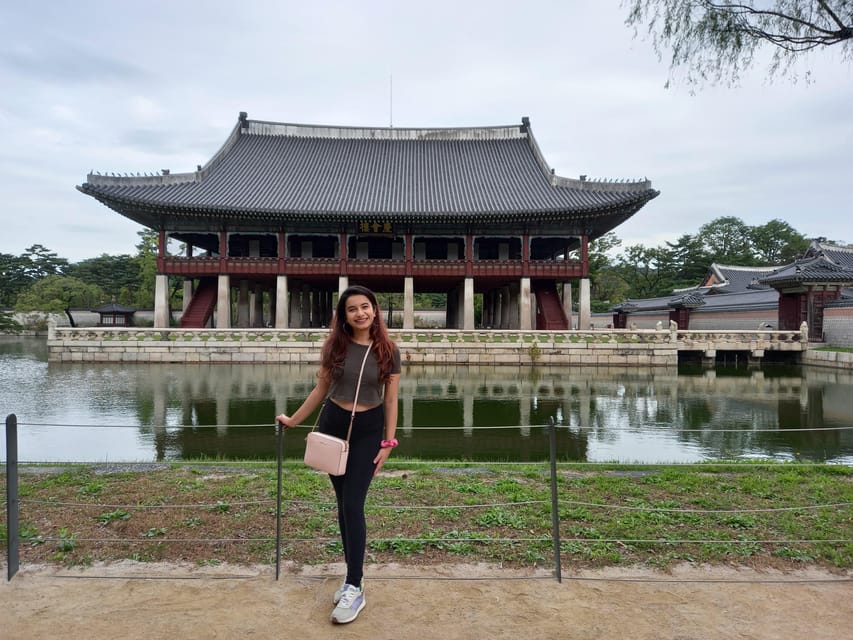
Many palace visits give you dates, names, and a few royal anecdotes. This one uses Confucianism as the organizing idea. That matters because the Joseon Dynasty did not treat architecture as decoration alone. Palace gates, courtyards, halls, and overall layout reflected ideas about order, duty, rank, family, and government.
I find this approach useful if you want more than attractive rooflines. You begin to look at why a building was placed where it was and what its design said about society. Paul’s aim is to explain Korean traditional culture through this lens, rather than presenting a general sightseeing talk.
That focus also gives the four hours a clear shape. Gyeongbokgung represents the state and royal court. The Folk Museum shifts attention to ordinary families and their customs. Bukchon shows traditional housing within present-day Seoul. Insadong brings you toward art, shops, and religious landmarks, including the stated focus on Jogyesa Buddhist Temple.
This is best for you if you enjoy context and conversation. If you want only quick photographs, you may find the explanations more detailed than necessary. The tour is built around understanding places, not just checking them off.
More Korean palace tours in Seoul:
- Seoul: Gyeongbok Palace, Bukchon Village, and Gwangjang Tour
★ 4.9 · 2,321 reviews - Best Seoul City Tour (Gyeongbokgung Palace,Insadong,Namsan Tower)
★ 5.0 · 1,647 reviews - Seoul City Sightseeing Tour Including Gyeongbokgung Palace, N Seoul Tower, and Namsangol Hanok Village
★ 5.0 · 1,423 reviews
Gyeongbokgung: Seoul’s grand Joseon starting point
You meet at Gwanghwamun Square unless you arrange another location. A hotel pickup can be arranged after booking, which is handy if you are still finding your way around Seoul or prefer not to navigate to the square first.
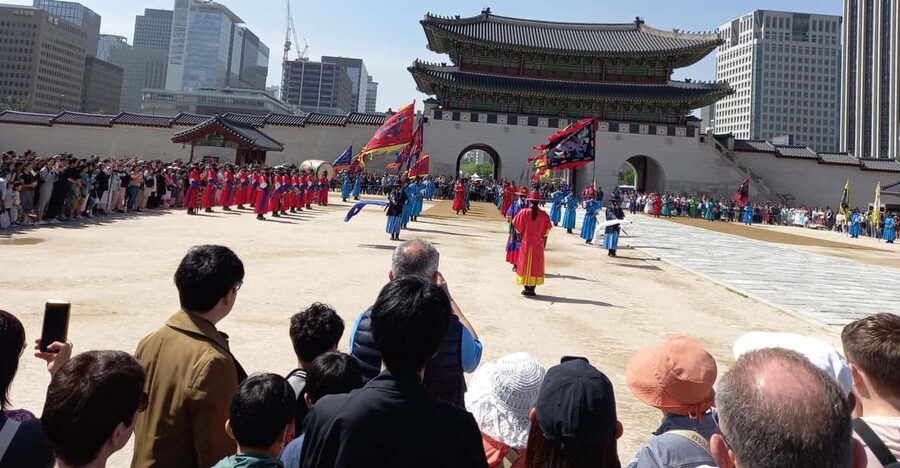
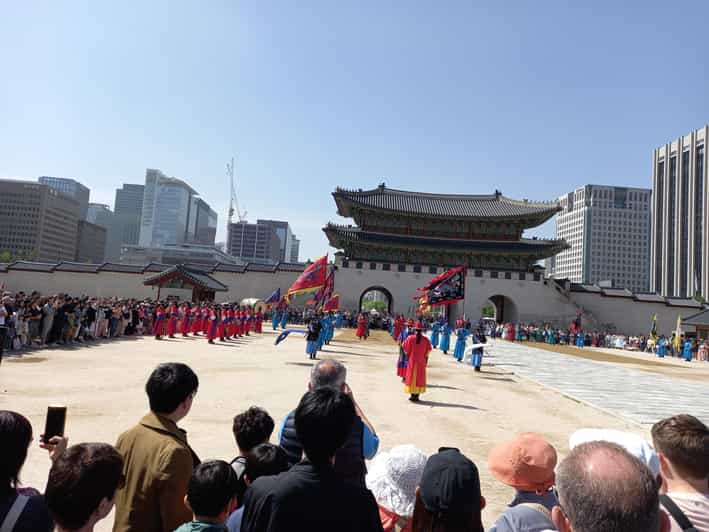
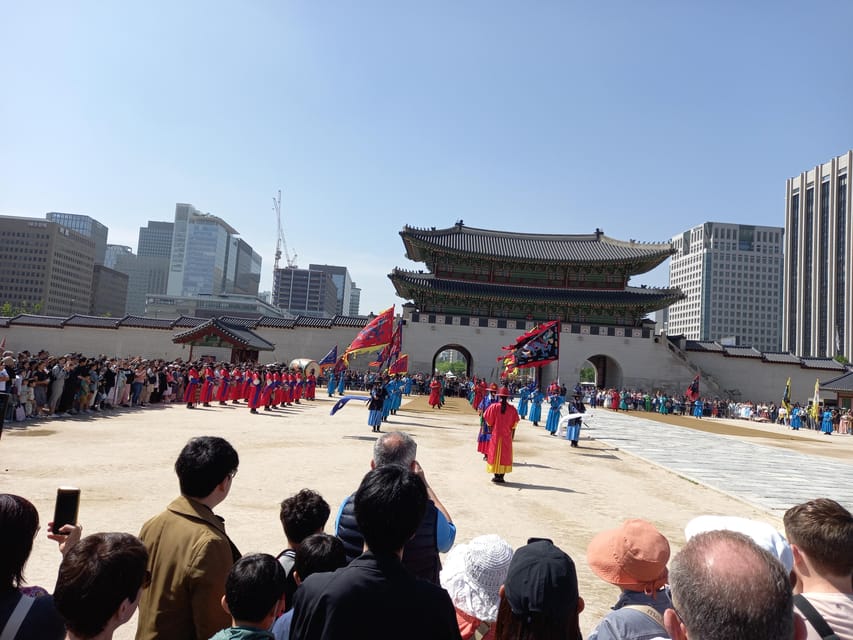
Gyeongbokgung was built in 1395 as the main palace of the Joseon Dynasty. It is described as the largest and most magnificent of Seoul’s palaces, and it is the main architectural focus of the tour. Its importance is not simply size. The palace represents Joseon’s national ideology, with a layout tied to Confucian concepts of government and social order.
You have about 2 hours and 20 minutes scheduled here, far more than at any other stop. That is a good sign for anyone who wants the palace explained properly. You should have time to look closely at the arrangement of the grounds, listen to the historical background, and ask Paul how the architecture reflects Joseon values.
The tour description calls Gyeongbokgung the only palace in Seoul built on flat land and according to an authentic Confucian palace structure. That makes it especially important for this particular lesson in architecture. The palace is not being treated as an isolated monument. It is the clearest place to see how a political and moral system shaped physical space.
Admission is not included, so add the palace entrance fee to the tour price. The supplied information also lists N Seoul Tower admission as excluded, although the timed route does not include a stop there. Ask about that item when confirming your booking so you know exactly what is planned.
The Folk Museum and the life of ordinary Joseon families
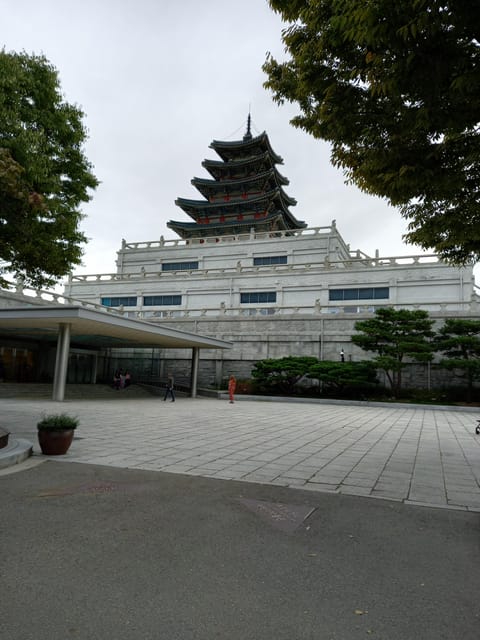
The National Folk Museum of Korea receives about 30 minutes of guided attention. That is a shorter visit than Gyeongbokgung, but it adds something the palace cannot: a picture of life beyond the royal court.
The museum presents common people’s lives and seasonal activities. Its exhibitions cover the stages of life from birth and childhood through marriage, aging, illness, treatment, and death. Ceremonies and commemorative events help show how family and community shaped daily life.
I like this stop because it keeps the palace from becoming a story about kings alone. After seeing the official world of Joseon, you get a sense of the customs that affected ordinary households. You can use Paul’s explanations to connect public architecture with private life.
Thirty minutes is enough for a guided introduction, but not enough for every display. If you are passionate about museums, you may want to return on your own. On the tour, treat it as a focused companion to Gyeongbokgung rather than a full museum visit.
The museum also helps make the Confucian theme practical. Instead of hearing only about a philosophy in the abstract, you see how ceremony, family roles, and seasonal habits shaped the way people lived. That is a useful reason to keep this stop in the plan.
Bukchon Hanok Village: traditional homes with Seoul behind them
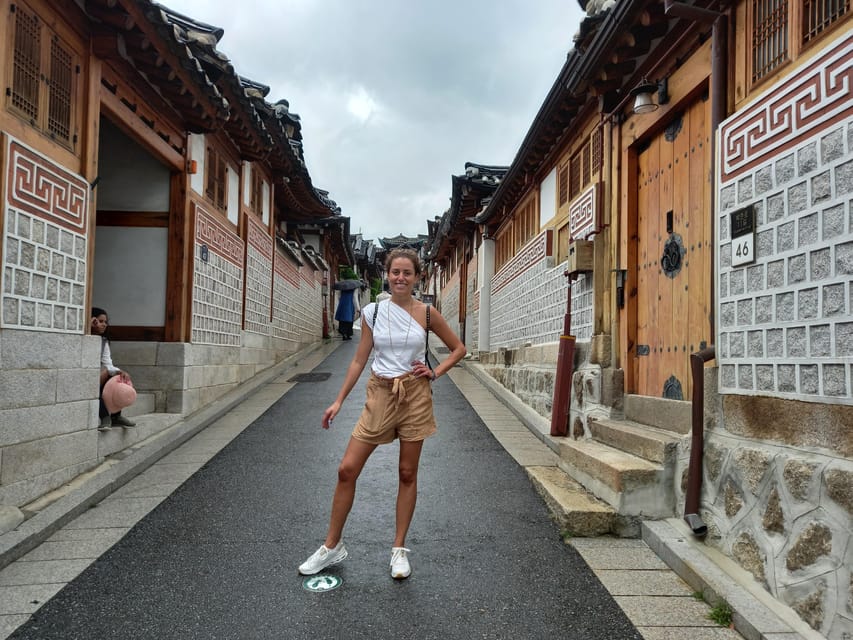
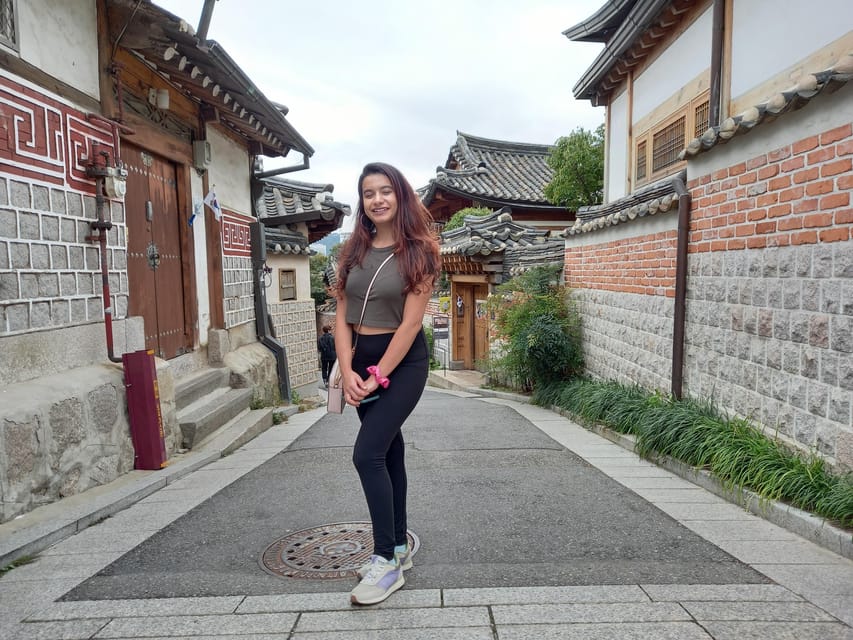
Bukchon Hanok Village is scheduled for about 40 minutes. A hanok is a traditional Korean house, and Bukchon contains the largest cluster of them, with about 1,000 hanoks. The area gives you a very different view of Seoul from the formal spaces of the palace.
The most appealing feature is the contrast. Traditional roofs and narrow residential streets are set against a modern city, with skyscrapers and N Seoul Tower visible in the background from some viewpoints. You get the old and new together rather than in separate museum zones.
Paul’s role is especially useful here because Bukchon can otherwise become a short photo walk. The tour information emphasizes that he can explain the cultural meaning behind the traditional architecture and help with good picture angles. One previous participant specifically praised his ability to take photos at useful spots, so you can ask for help if you want a few well-framed images.
There is a practical limit: 40 minutes passes quickly. Bukchon is a residential area, so this is not a place to treat every lane as a stage set. Keep your voice down, respect homes, and follow Paul’s lead on where to stop. The tour gives you an introduction and views, not an exhaustive walk through every corner.
I would especially choose this stop if you want photographs that show Seoul’s character in one frame. You may see traditional houses in the foreground and the modern city rising behind them. That visual contrast explains the city more quickly than a long list of dates.
More guided palace visits in Seoul:
- Seoul: Palace, Temple and Market Guided Foodie Tour at Night
★ 4.9 · 750 reviews - Seoul: UNESCO Palace and Street Foods Guided Tour
★ 5.0 · 6 reviews - Seoul: Full-Day Guided Tour to Gyeongbokgung, Bukchon & More
★ 5.0 · 2 reviews - Seoul: 6-Hour Guided Tour to City Highlights, Palace & More
★ 5.0 · 2 reviews
Insadong and the stated Jogyesa Temple focus
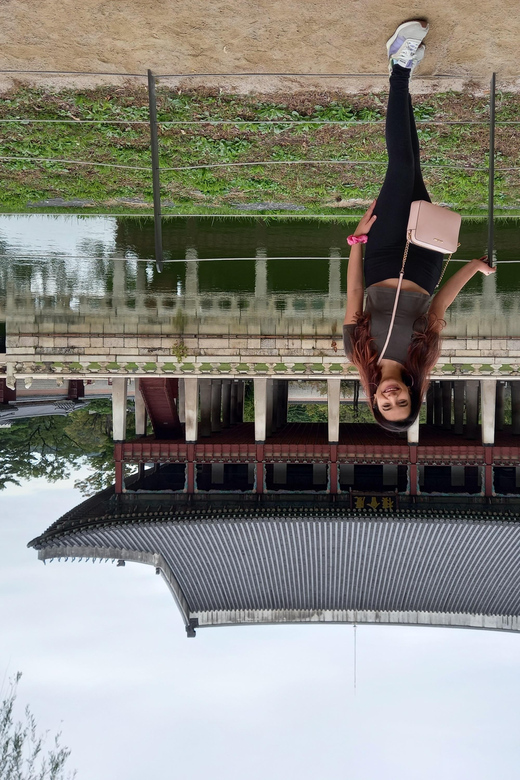
The final listed stop is Insadong, with about 30 minutes of guided time. The supplied highlights also identify Jogyesa Buddhist Temple as an important part of the experience. Jogyesa is described as the headquarters of a Korean Buddhist organization and was built in 1926 in Insadong, close to Gyeongbokgung.
That gives the tour a useful change of tone. Gyeongbokgung represents Joseon’s Confucian state. Jogyesa brings Korean Buddhist practice into the picture. The two traditions are not presented as interchangeable, and that contrast can help you understand that Korea’s cultural identity has more than one layer.
Jogyesa is described as a small temple, but its institutional role makes it important. I would not judge this stop by size. The value is in hearing why the temple matters and how it fits into the cultural setting around Insadong.
There is a route detail to settle before booking. The itinerary lists Insadong for 30 minutes, but does not give Jogyesa its own separate timed entry. Since the experience highlights Jogyesa, ask Paul whether the temple is included within the Insadong visit and how much time you will spend there.
Do not expect a long Buddhist temple program based on the information provided. Expect a short, guided look at an important religious site and its place in central Seoul. That is enough to broaden the tour, especially after the palace and Folk Museum.
What $152 means for two people
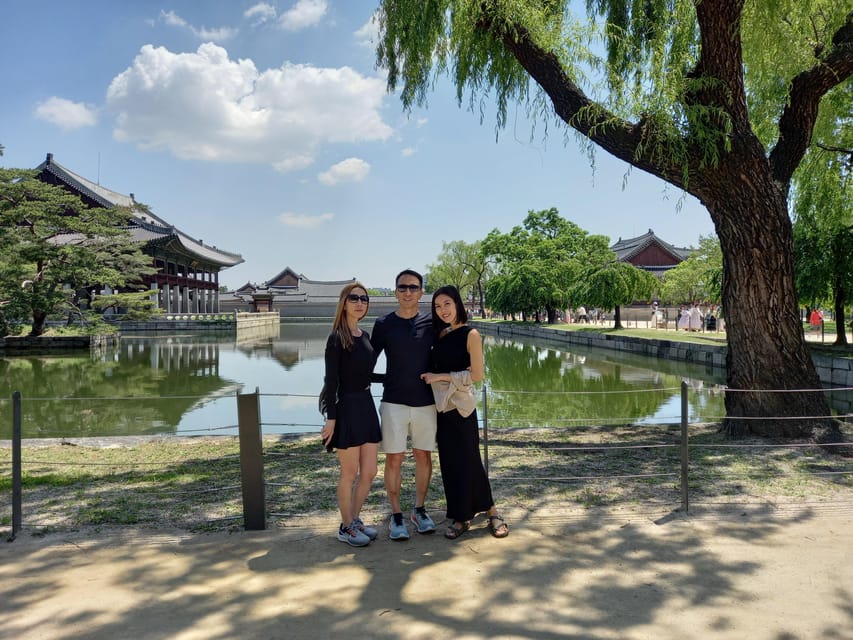
The price is $152 per private group of up to two, not $152 per person. For a couple, that works out to $76 each before entrance fees and transportation. For one person, it is still the full group price, so the value is strongest when two people share it.
The fee covers Paul’s guide service and information for four hours. It does not cover palace admission, N Seoul Tower admission if that site is used, transportation between stops, food, drinks, or insurance. Those exclusions make the final cost higher than the headline figure.
I see the value in the private format and the specialist subject. You are paying for a guide who can shape the discussion around your interests, explain the Confucian framework, and help connect several sites that might otherwise feel unrelated. The arrangement is also more personal than a large group tour.
Still, this is not the right pick if you are trying to keep Seoul sightseeing cheap. You could spend less on a self-guided palace visit or a shared walking tour. Choose this experience when the interpretation matters to you, especially if you want to understand why traditional buildings look and function as they do.
Transportation is another cost to watch. The information does not specify how you move between the palace, museum, Bukchon, and Insadong. Ask about the route and transport plan before the day begins, particularly if you need to keep tightly to a schedule.
Timing, meeting arrangements, and who will enjoy it
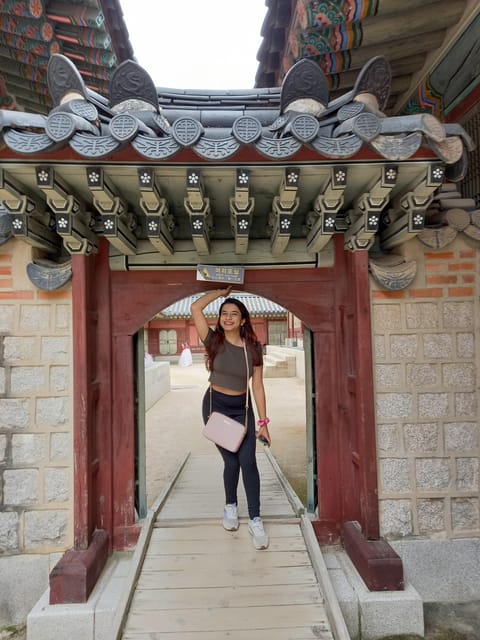
The advertised duration is four hours, with starting times available by date. The listed segments total about four hours and 10 minutes when added together: 2 hours and 20 minutes at Gyeongbokgung, 30 minutes at the Folk Museum, 40 minutes in Bukchon, and 30 minutes in Insadong. That may simply reflect rounded timing, but I would confirm the exact schedule.
The meeting point and time can be chosen after booking, and you can meet at your hotel. Gwanghwamun Square is the stated starting location if you do not arrange another place. You need to request the reservation in advance and receive confirmation from the guide.
The tour is in English and uses a private group format. I would recommend it for:
- Couples who want a focused introduction to Seoul’s traditional core
- First-time visitors who want historical context before exploring alone
- People interested in architecture, Confucian culture, and religion
- Anyone who prefers to ask questions instead of following a fixed large group
- Photographers who want help understanding viewpoints and taking pictures
You may want a different plan if you dislike extended explanations, need a very low-cost outing, or want a broad tour of modern Seoul. This experience stays firmly around traditional culture and central historic sites.
Cancellation is free up to 24 hours before the tour for a full refund. You can also reserve now and pay later, which gives you some flexibility while your Seoul plans are still changing.
What the five-star feedback tells you about Paul’s guiding
The strongest praise centers on Paul’s ability to explain Korean history clearly and in detail. That matches the structure of the tour, which depends on more than pointing out buildings. You should expect a guide-led experience built around stories, context, and the connection between architecture and culture.
One especially useful strength is his Confucian approach. The tour is not simply a list of royal names or construction dates. Paul explains how Confucian thinking shaped Joseon society and the design of Gyeongbokgung, then uses that idea to make the other stops easier to understand.
His photo help is another practical benefit. If you want pictures of the palace, Bukchon, or the city beyond the hanok roofs, ask him about good angles. The feedback also suggests he covers the planned places carefully rather than cutting stops short.
The best way to get value from him is to arrive with questions. Ask how palace design reflects rank, how the Folk Museum’s ceremonies fit family life, or why Jogyesa matters within Korean Buddhism. A guide with a clear theme becomes more useful when you take part in the conversation.
Should you book this four-hour Seoul experience?
Book it if you want meaning behind the monuments, not just a procession of scenic stops. Paul Koo’s Confucian focus gives Gyeongbokgung a clear purpose, while the Folk Museum, Bukchon, and Jogyesa or Insadong add everyday, residential, and religious perspectives.
I would choose it for two people who value a private guide and can accept extra costs for admission and transport. I would skip it if you mainly want a cheap walk, a fast photo session, or a tour centered on modern attractions.
Before paying, confirm three points: the exact Jogyesa and Insadong route, how transportation between stops will work, and which entrance fees apply. If those details fit your plans, this is a thoughtful way to spend four hours in Seoul’s traditional heart.
FAQ
How long is the tour?
The advertised duration is four hours.
What language is the tour conducted in?
The live tour guide speaks English.
Is this a private tour?
Yes. It is offered as a private group experience for up to two people.
Who is the guide?
The guide is Paul Koo.
Where does the tour start?
The stated starting location is Gwanghwamun Square. You can choose the meeting place and time after booking, and a hotel meeting can be arranged.
What places are included in the timed itinerary?
The timed itinerary includes Gyeongbokgung, the National Folk Museum of Korea, Bukchon Hanok Village, and Insadong.
Is Jogyesa Buddhist Temple included?
Jogyesa is highlighted as part of the cultural focus and is located in Insadong, but the timed itinerary lists Insadong rather than giving Jogyesa a separate stop. Confirm the exact route with the guide.
Are entrance fees included?
No. Admission fees for the palace and N Seoul Tower are listed as not included.
Is transportation included?
No. Transportation for moving between places is not included.
Can I cancel for a full refund?
Yes. You can cancel up to 24 hours in advance for a full refund.
Can I reserve now and pay later?
Yes. The activity allows you to reserve now and pay later.
Just added around Seoul
- Time Travel in Seoul: Gyeongbokgung, Folk Museum & Bukchon★ 5.0 · 10 reviews
- Seoul: Royal Palace Morning Tour including Cheongwadae★ 4.5 · 12 reviews
- Seoul: Vegan Temple Food Class, Jogyesa & Changdeokgung Tour★ 4.6 · 34 reviews
- Seoul: UNESCO Sites tour: Palace, Shrine & Bukchon Village★ 4.8 · 26 reviews
- Seoul: UNESCO Palace and Street Foods Guided Tour★ 5.0 · 6 reviews
- Seoul: Gyeongbokgung, Lotte Tower & Gangnam Trendy Day Tour★ 4.4 · 3 reviews
- Seoul: Hanbok Photo Tour at Gyeongbokgung Palace★ 5.0 · 9 reviews
- Seoul: Gyeongbokgung Palace Tour & Lunch at Authentic Market★ 4.5 · 2 reviews
Korean Palace Tours, compared.
Gyeongbok Palace, Bukchon Village, and Gwangjang Tour
Read our review →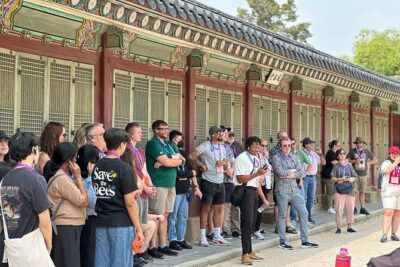
Best Seoul City Tour (Gyeongbokgung Palace,Insadong,Namsan Tower)
Read our review →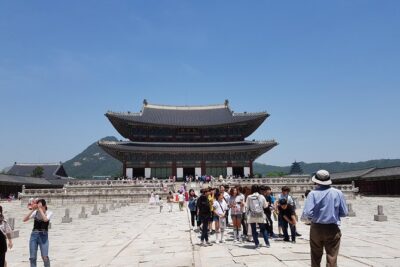
Seoul City Sightseeing Tour Including Gyeongbokgung Palace, N Seoul Tower, and Namsangol Hanok Village
Read our review →Gyeongbok Palace, Bukchon Village, and Gwangjang Tour
Read our review →
Seoul Half-Day City Highlight, Palace Tour with Hanbok
Read our review →
Hanbok Photoshoot and History Tour at Gyeongbokgung Palace
Read our review →Browse the lists this tour appears in