
REVIEW · KOREAN PALACE TOURS
Seoul: DMZ, Gyeongbokgung Palace & City Tour
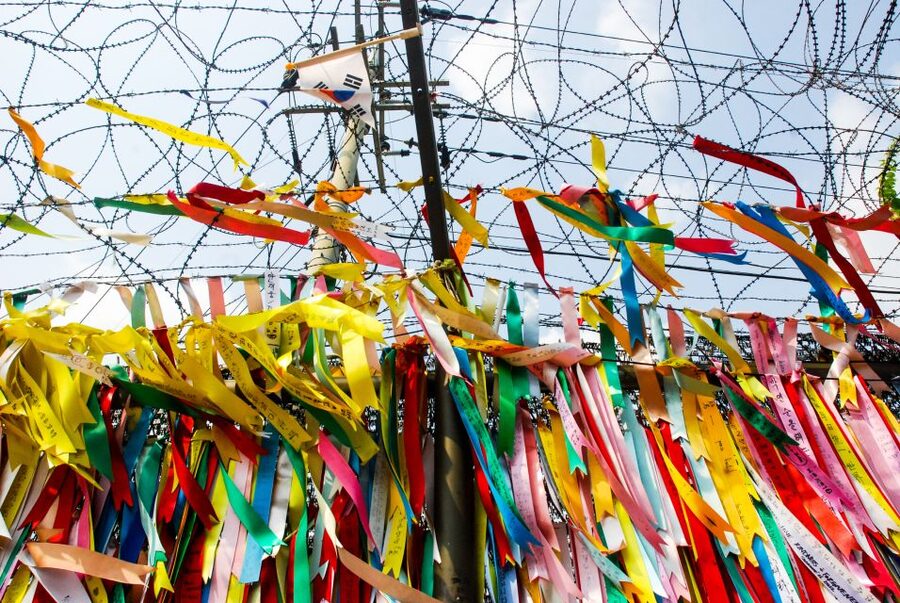
The DMZ gives this day its weight. You are not simply looking at old buildings or museum displays. You are visiting the guarded border of a country still divided between North and South, then pairing that experience with Gyeongbokgung Palace, where a royal household once ran a large working government. I like that the tour links Korea’s painful recent past with its much older royal past.
I also like the practical setup. A coach carries you between the main DMZ sights, and a professional guide handles the military rules, timing, and history. Guides including Molly, Ron Han, and SP have been praised for clear explanations, warm manners, answers to questions, and taking good photos. The main drawback is the long day, with walking, strict schedules, and no lunch included in the standard price.
Key points to know before booking
- The Third Tunnel is a real underground military site: Wear sneakers, not sandals or slippers, and expect a physically active stop.
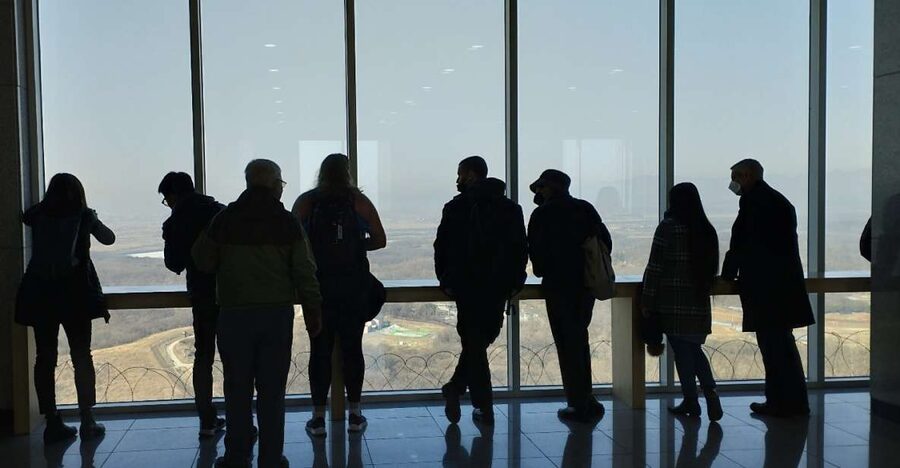
- The observatory looks toward North Korea: The tour gives you a rare chance to view the country and its residents from the South Korean side.
- Gyeongbokgung adds royal history: You learn how the palace functioned with employees and advisers, not just kings and ceremonial rooms.
- The coach simplifies a complicated border visit: An authorized bus is required inside the DMZ, and you must follow the allotted photo times.
- The day costs $110 per person: That includes transport, an English or Korean guide, hotel services when selected, and DMZ entry, but not lunch or personal spending.
- Plans can change for security reasons: Military training or an official event may replace the DMZ portion with another set of history sites.
Why this Seoul day works so well
I would choose this tour for a first visit to Seoul if I wanted one serious history day without arranging several separate tickets and transfers. The schedule covers the DMZ and Gyeongbokgung Palace in about 10 hours, which is a lot to take on, but it also gives the day a clear shape: modern conflict in the morning and royal Korea later on.
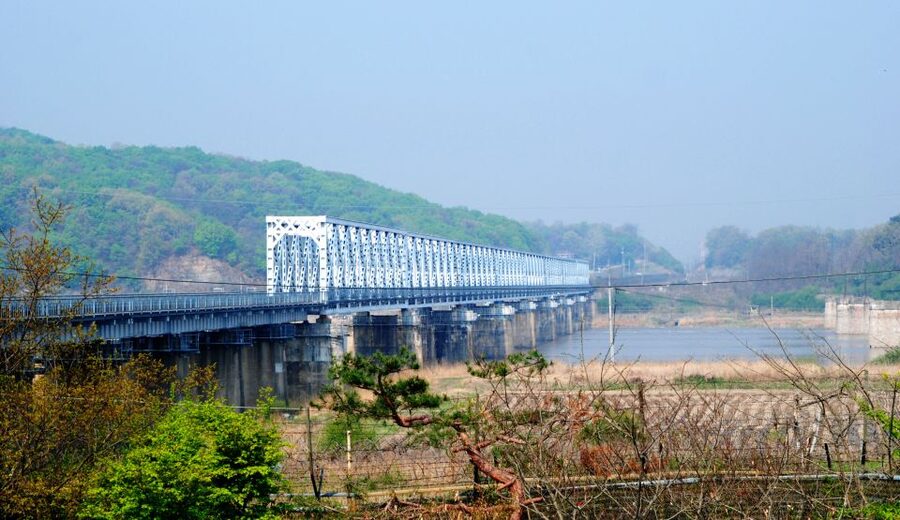
The DMZ is not a normal sightseeing district. Access depends on military approval, authorized vehicles, photo rules, and the day’s security situation. Having a guide and coach matters here. You are not left trying to work out which bus, checkpoint, or entrance applies to you.
The tour is also useful for connecting subjects that are often taught separately. The guide can explain the Korean War, relations between North and South, and the role of the DMZ, then shift to dynastic government at the palace. Guides such as Molly, Ron Han, and SP have been especially good at adding broader stories about Korea, from war and diplomacy to dynasties and everyday details.
At $110, I see the price as reasonable for a full day if you value convenience and guided context. It covers transportation, entry to the DMZ, and a professional English or Korean guide. Hotel pickup and drop-off are offered, though the booking details also list an optional pickup arrangement, so I would confirm your exact pickup choice before paying.
More Korean palace tours in Seoul:
- Seoul: Gyeongbok Palace, Bukchon Village, and Gwangjang Tour
★ 4.9 · 2,321 reviews - Best Seoul City Tour (Gyeongbokgung Palace,Insadong,Namsan Tower)
★ 5.0 · 1,647 reviews - Seoul City Sightseeing Tour Including Gyeongbokgung Palace, N Seoul Tower, and Namsangol Hanok Village
★ 5.0 · 1,423 reviews
Starting early at City Hall Station
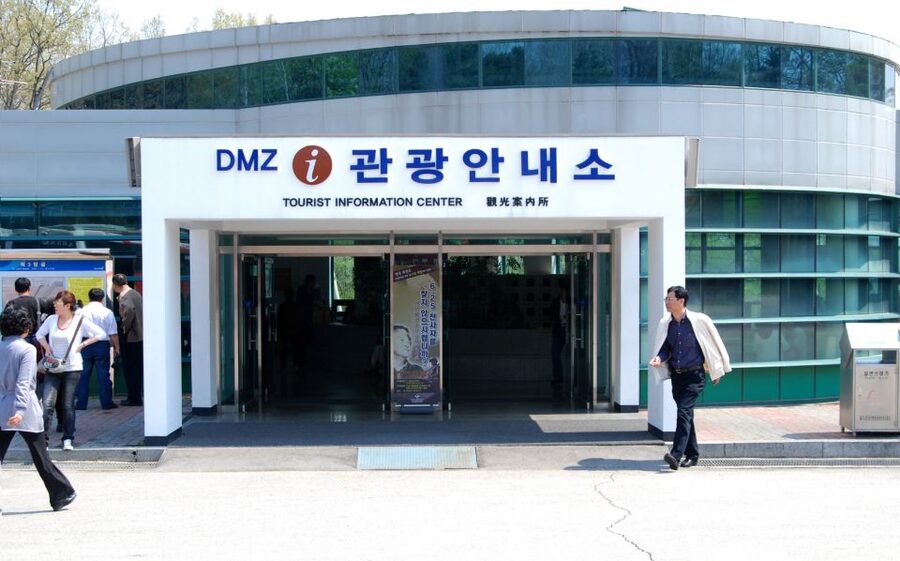
The standard meeting point is Exit 7 of City Hall Station at 7:30 AM. That early start is useful because the DMZ day has a fixed rhythm, and delays can affect every later stop.
If you select hotel pickup, you may be collected from your Seoul hotel instead. The exact pickup arrangement should be clear in your confirmation. If you are meeting at City Hall, allow time to reach the station and find Exit 7 without rushing.
Bring your current passport. It is required on the day of travel, and the DMZ is a controlled military area. You cannot treat this like an ordinary open-air attraction where you can wander off or change plans at will.
The coach is one of the tour’s quiet advantages. You can rest between stops instead of managing a separate route through Gyeonggi Province. The tradeoff is that the group follows the schedule closely. Every tourist must use the authorized bus and obey the assigned photo times.
Entering the DMZ and understanding the divide
The guide sets the political and historical frame before the sights begin. Since 1950, Korea has been divided between North and South. North Korea became increasingly closed off, while South Korea developed as a democracy and major economy with a global cultural reach.
The DMZ is valuable because it puts that division in a physical place. You are seeing the reality of a border that remains closely watched, not just reading about it in a history book. A professional security specialist or military tourist guide explains the relationship between the two countries and the rules that shape your visit.
I appreciate the serious tone here. The DMZ is often marketed as an unusual photo stop, but the central subject is war, separation, and the lives shaped by that separation. The guide helps turn the views and military sites into something understandable.
Do not expect unlimited time at every stop. The photo regulations are part of the experience, not a minor inconvenience. You may need to move when instructed, and you cannot assume that every part of the area is open for independent exploration.
Walking through the Third Tunnel
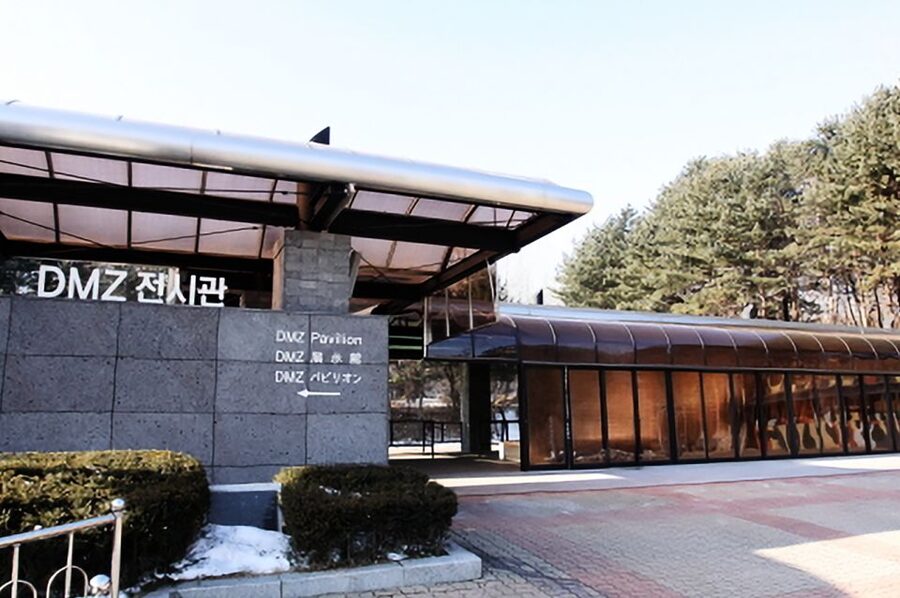
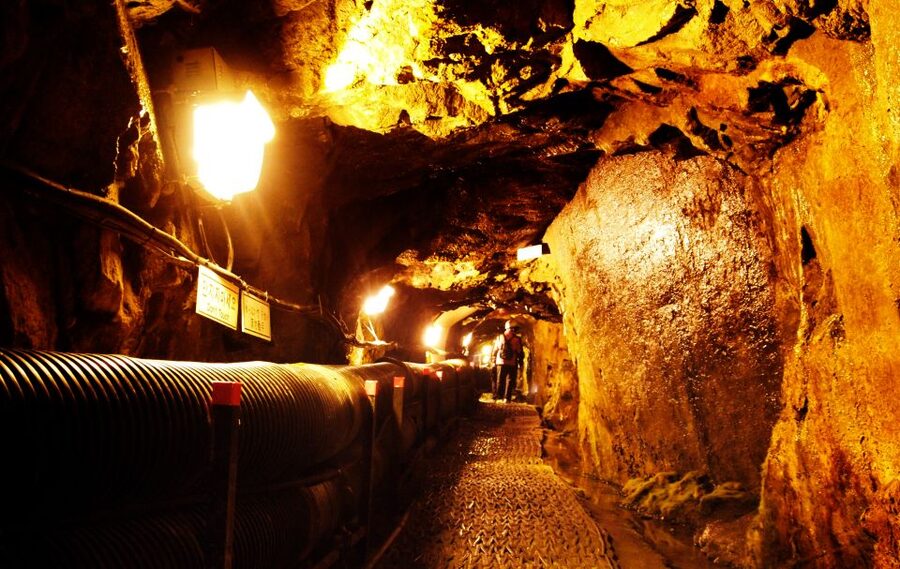
The Third Tunnel Experience is one of the day’s most memorable stops. It was built as a route for a possible invasion of South Korea by tanks, making its purpose more direct and unsettling than a standard museum display.
This is where good footwear matters most. Sandals and slippers are not allowed, and sneakers are required. One guide also advised allowing for plenty of walking, so I would not book this day if you want a gentle, low-effort outing.
The tunnel gives you a physical sense of military planning. Maps and explanations can tell you that the border was prepared for conflict, but entering a tunnel designed for an attack makes that idea much more concrete. The guide’s role is important because the site needs context: you want to understand what you are seeing, not just walk through an underground passage.
The tour does not promise an easy route or wheelchair access. It is specifically unsuitable for wheelchair users, and children must be accompanied by an adult. Unaccompanied minors are not allowed.
A few more palace visits around Seoul worth a look
- Small-Group Royal Palace and Seoul City Tour (hotel pick-up)
★ 5.0 · 1,474 reviews - Seoul: Gyeongbok Palace, Bukchon Village, and Gwangjang Tour
★ 5.0 · 1,044 reviews - Seoul Half-Day City Highlight, Palace Tour with Hanbok
★ 4.9 · 764 reviews - Seoul: Palace, Temple and Market Guided Foodie Tour at Night
★ 4.9 · 750 reviews
Looking north from the observatory
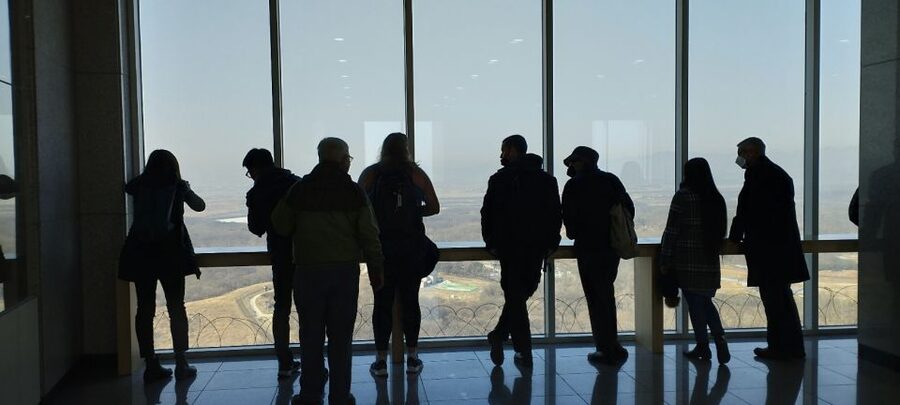
The observatory is the stop that most clearly turns the DMZ into a view across a living border. From the South Korean side, you can look toward North Korea and see North Korean residents.
That moment can feel quiet compared with the history lesson. You are not looking at a reconstructed scene or a preserved battlefield. You are looking across a divided country toward people living under a very different political system.
Visibility and the exact quality of the view can vary, so I would keep expectations sensible. The value lies in the chance to see across the border and understand the geography of the division. Your guide can explain what you are seeing and answer questions about North and South Korean relations.
Again, follow the photo rules. This is not the place for wandering around in search of a better angle. The tour’s timing keeps the group moving and helps the visit fit within the military access requirements.
Imjingak and the War History Pavilion
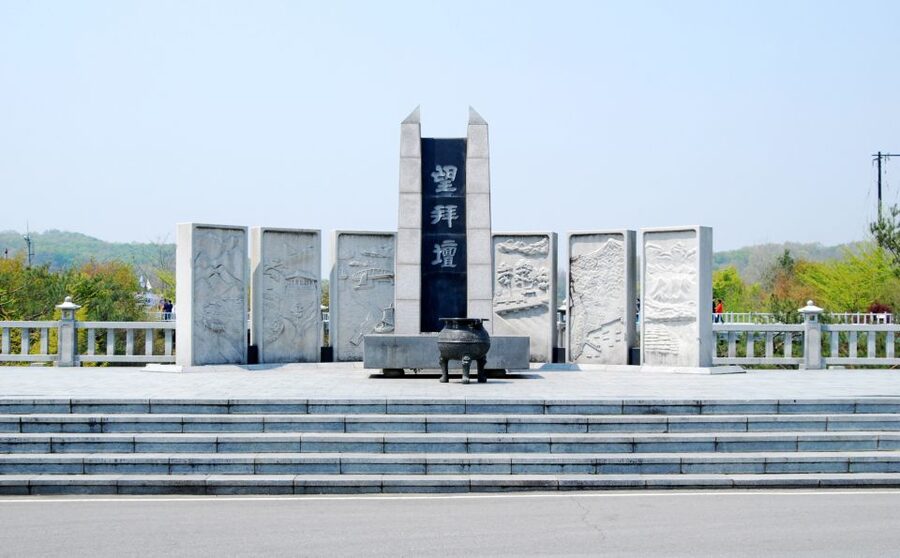
Imjingak adds another layer to the DMZ visit. It is part of the area’s public history experience, where the division of Korea is presented through memorials, displays, and reminders of families and communities affected by the war.
The War History Pavilion helps explain the conflict in a more structured way. I find this useful after the tunnel and observatory because it gives names, dates, and background to what you have just seen. The exhibition center also presents Korea’s past, present, and future, giving the day a wider frame than military history alone.
This part of the visit may appeal most to you if you like exhibits and explanation. If you prefer nonstop scenery or independent wandering, the pavilion can feel slower. The guide makes a real difference here. SP, Molly, and Ron Han have each been praised for answering questions and explaining history in an accessible way, which is exactly what this section needs.
Gyeongbokgung Palace and the business of royalty
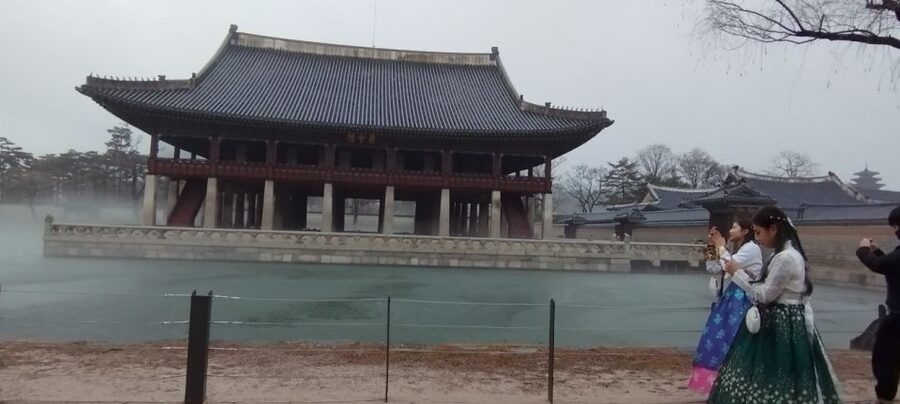
Gyeongbokgung Palace changes the mood of the day. The palace was home to the king, his family, and about 2,000 other people involved in running the royal complex.
The most interesting idea is that the palace worked more like a modern organization than a private royal residence. Employees and advisers helped manage the state, so the palace was a place of administration, decision-making, ceremony, and daily work.
I like this stop because it keeps Korean history from becoming a simple list of kings and dates. You begin to picture the machinery behind royal rule: officials, advisers, household workers, and systems that kept the court operating.
A palace guide can also make a major difference. When SP led a visit with only a small number of participants, the experience became close to a private tour, with time for questions and photographs. That kind of personal attention is not guaranteed, especially when group size changes, but the tour does offer private groups if you want more control over the pace.
Gyeongbokgung is scheduled as part of the day, so you should not expect unlimited time to explore every corner on your own. The benefit is that you get a focused introduction after the DMZ rather than spending a separate half-day arranging a palace visit.
On Tuesdays, Gyeongbokgung is replaced by Deoksu Palace because of the closure. Check the travel date carefully if seeing Gyeongbokgung is a priority.
Guides, group size, and the human side
The guide is the part of this experience that can make the difference between a useful history day and a tiring bus trip. You may be assigned an English or Korean-speaking guide, and private groups are available.
Several guides have received especially warm praise. Molly has been described as professional, friendly, clear on Korea’s wars and dynasties, and skilled at taking photographs. Ron Han, nicknamed Han Solo, has been praised for kindness and informative explanations. SP has been particularly good at answering broad questions about Korea and offering close attention when the group is small.
Those details matter because the itinerary covers sensitive and complicated subjects. You want someone who can explain without turning the DMZ into a cheap spectacle. You also want someone who can keep the day organized when military rules limit your time.
A private group may suit you if you want more room for questions or a more personal pace. A regular group should be more economical and still gives you the convenience of shared transport. The supplied information does not promise a fixed group size, so confirm that detail if it matters to you.
What to bring and what the $110 covers
Pack your passport, comfortable sneakers, and money or a card for lunch and personal expenses. The standard inclusions are hotel pickup and drop-off, transportation, a professional guide, and entry to the DMZ.
Lunch is not included. One participant received a traditional lunch during the day, but I would not rely on that. Budget for your own meal unless your confirmation specifically says otherwise.
The $110 price makes the most sense if you are comparing it with the work of arranging DMZ access, a coach, an authorized vehicle, entrance fees, and a palace visit yourself. You are paying for structure and access as much as for transportation.
The value is lower if you want a slow palace visit, lots of free time, or the freedom to change the day’s order. This is a controlled, full-day program, and the DMZ portion must follow official rules.
When the DMZ cannot operate as planned
Security conditions can change without much notice. If there is an unannounced military training exercise or official event in the DMZ, the tour will be replaced with a visit to Tomorrow’s Whistle, Bunker Beat 131, Odusan Unification Tower, and the War Memorial of Korea.
That substitute itinerary still focuses on Korea’s division and war history, but it is not the same as entering the DMZ or looking across the border. I would book this tour only if I could accept that possibility.
The same flexibility applies to the palace. Gyeongbokgung is replaced by Deoksu Palace on Tuesdays. These changes are practical realities of visiting places affected by military access and scheduled closures.
Who should book this day
I would recommend this tour to first-time Seoul visitors who want a guided introduction to Korea’s modern division and royal past in one outing. It also suits you if you prefer a coach, a fixed route, and a guide who can explain the politics and history as you go.
It is a good fit for families with accompanied children, provided everyone can manage the walking and long day. It also suits history-minded visitors who want more than a quick photograph at a border viewpoint.
I would hesitate if you use a wheelchair, dislike early starts, or need a flexible schedule. The tour is not wheelchair accessible, unaccompanied minors cannot join, and the required sneakers and walking make comfort an important concern.
My booking advice
Book this Seoul day if seeing the DMZ is high on your list and you want Gyeongbokgung Palace included without planning two separate excursions. The strongest parts are the Third Tunnel, the observatory, and the guide’s ability to connect modern Korea with the royal court.
Before booking, check three things: your pickup location, the palace schedule for your day, and the possibility of a military-related itinerary change. Bring your passport, wear sturdy sneakers, and set aside money for lunch.
At $110, I think the tour offers solid value for a tightly managed 10-hour day. I would choose it for the access, transport, and history instruction, not for free time. If that balance suits you, this is a practical way to see two very different sides of Korea.
FAQ
How long does the tour last?
The tour lasts 10 hours.
Where is the standard meeting point?
The standard meeting point is Exit 7 of City Hall Station at 7:30 AM.
Is hotel pickup available?
Yes. Hotel pickup and drop-off are included in the stated services, and pickup is also listed as an optional arrangement. Confirm the exact pickup details when booking.
What languages are available?
The tour offers live guides in English and Korean.
What must I bring?
You must bring a current valid passport on the day of travel.
Can I wear sandals or slippers?
No. Sandals and slippers are not allowed. You should wear sneakers.
Is lunch included?
No. Lunch and personal expenses are not included in the standard tour price.
Is the tour wheelchair accessible?
No. The tour is not wheelchair accessible and is not suitable for wheelchair users.
Can children join the tour?
Children must be accompanied by an adult. Unaccompanied minors are not allowed.
What happens if the DMZ closes for military training?
The DMZ portion will be replaced by a visit to Tomorrow’s Whistle, Bunker Beat 131, Odusan Unification Tower, and the War Memorial of Korea.
What happens to the palace visit on Tuesday?
Gyeongbokgung Palace is replaced by Deoksu Palace when Gyeongbokgung is closed on Tuesdays.
Can I cancel the booking?
You can cancel up to 24 hours in advance for a full refund. You can also reserve now and pay later, subject to the booking terms.
Just added around Seoul
- Time Travel in Seoul: Gyeongbokgung, Folk Museum & Bukchon★ 5.0 · 10 reviews
- Seoul: Royal Palace Morning Tour including Cheongwadae★ 4.5 · 12 reviews
- Seoul: Vegan Temple Food Class, Jogyesa & Changdeokgung Tour★ 4.6 · 34 reviews
- Seoul: UNESCO Palace and Street Foods Guided Tour★ 5.0 · 6 reviews
- Seoul: UNESCO Sites tour: Palace, Shrine & Bukchon Village★ 4.8 · 26 reviews
- Seoul: Gyeongbokgung Palace Tour & Lunch at Authentic Market★ 4.5 · 2 reviews
- Seoul: Gyeongbokgung, Lotte Tower & Gangnam Trendy Day Tour★ 4.4 · 3 reviews
- Seoul: Hanbok Photo Tour at Gyeongbokgung Palace★ 5.0 · 9 reviews
Korean Palace Tours, compared.

Gyeongbok Palace, Bukchon Village, and Gwangjang Tour
Read our review →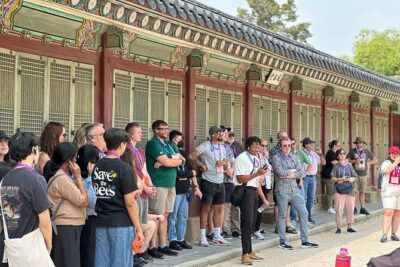
Best Seoul City Tour (Gyeongbokgung Palace,Insadong,Namsan Tower)
Read our review →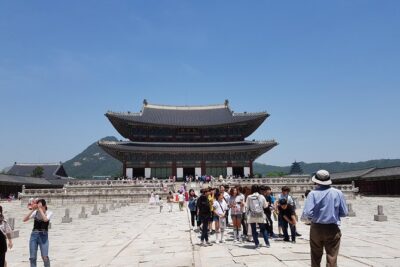
Seoul City Sightseeing Tour Including Gyeongbokgung Palace, N Seoul Tower, and Namsangol Hanok Village
Read our review →Gyeongbok Palace, Bukchon Village, and Gwangjang Tour
Read our review →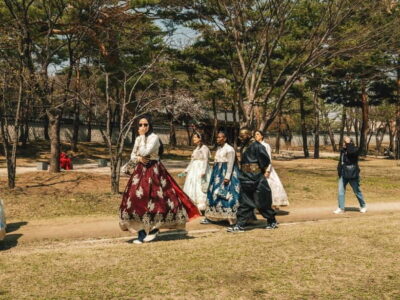
Seoul Half-Day City Highlight, Palace Tour with Hanbok
Read our review →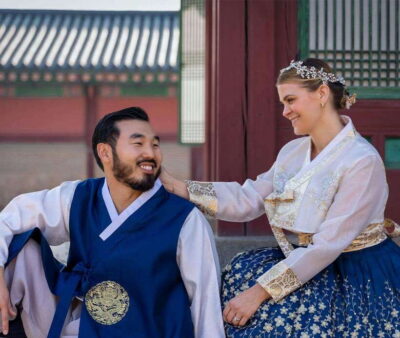
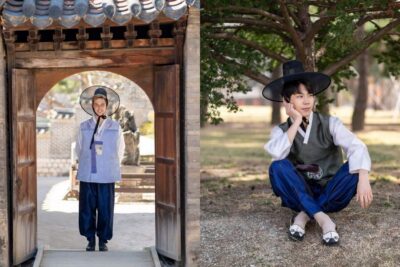
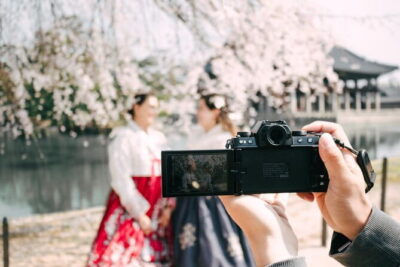
Hanbok Photoshoot and History Tour at Gyeongbokgung Palace
Read our review →Browse the lists this tour appears in