
REVIEW · MUSEUMS
Taipei: National Palace Museum and Taiwan Aborigines Museum
Taipei gives you two very different museums within a short walk: one explains Taiwan’s Indigenous peoples, and the other holds one of the world’s finest collections of Chinese art. The pairing makes sense, especially if you want more than a quick look at the famous jadeite cabbage.
I like the low price, about $15 per person, and the freedom to spend several hours at the National Palace Museum. I also like that the smaller Shung Ye Museum puts Taiwan’s local cultures into the day instead of treating the island only as a home for imported Chinese treasures.
The main drawback is simple: you must redeem both tickets at Shung Ye first, even though the National Palace Museum is the larger attraction. The Indigenous museum is also much smaller, so visitors mainly interested in major art collections may spend less time there.
Key points to know before you go
- Collect both tickets at Shung Ye first: You cannot begin at the National Palace Museum and sort out the ticket later.
- See two very different sides of Taiwan: Shung Ye focuses on Indigenous cultures, while the National Palace Museum covers Chinese art and history.
- Allow three to four hours for the National Palace Museum: Its collection is huge, so a quick visit only scratches the surface.
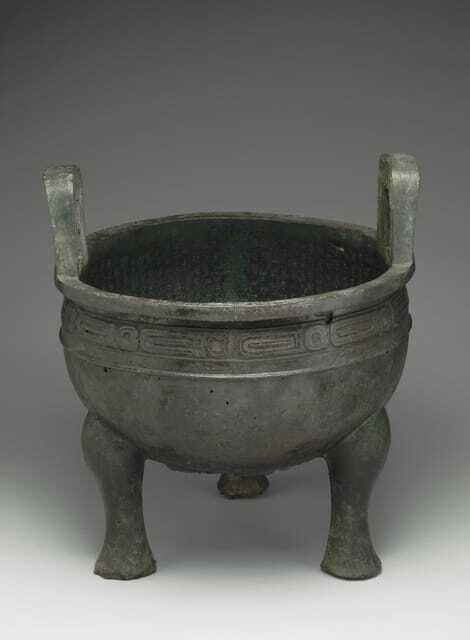
- The jadeite cabbage is a highlight: This small jade carving is one of the museum’s best-known objects.
- Use the Shung Ye audio guide if you want more context: It adds lively commentary, but the National Palace Museum audio guide is not included.
- Plan around Tuesday through Sunday opening hours: Both museums close on Monday according to the listed schedules.
Starting at Shung Ye Museum of Formosan Aborigines
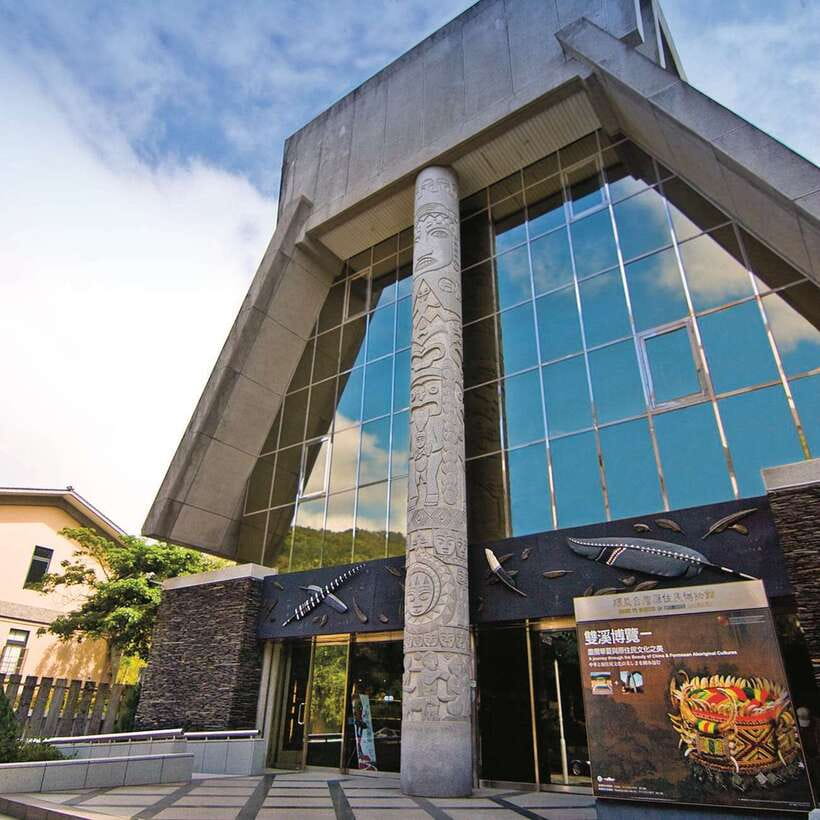
Your day begins at the Shung Ye Museum of Formosan Aborigines, at No. 282, Section 2, Zhi Shan Road, in Taipei’s Shilin District. This first stop is not just a ticket counter. It gives you a useful introduction to Taiwan before you enter the much larger National Palace Museum.
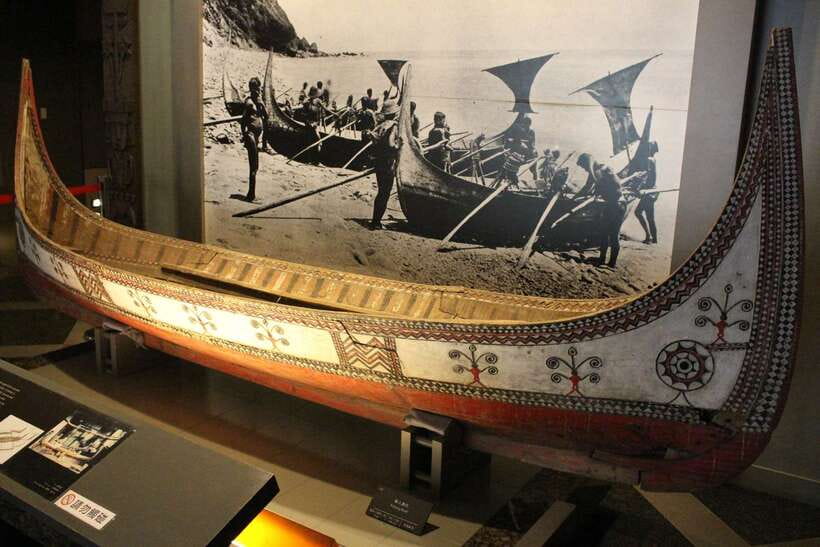
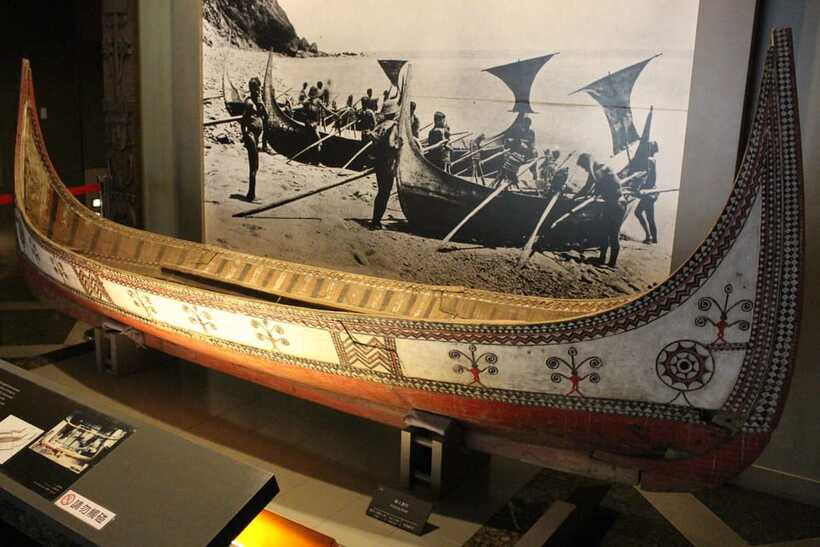
At Shung Ye, you can learn about the island’s Indigenous tribes, including their clothing, festivals, religious practices, daily routines, and social traditions. Displays focus on the people who lived in Taiwan before later waves of settlement and political change. That context matters because the National Palace Museum presents a largely Chinese cultural story, while Shung Ye helps you see Taiwan on its own terms.
The museum is relatively small. That is both its strength and its limit. You can cover it without feeling worn out, but you should not expect the scale of the National Palace Museum. If you enjoy ethnographic displays and cultural interpretation, you may want to read carefully and use the audio guide. If you prefer large collections of paintings, ceramics, and sculpture, you may be ready to move on fairly quickly.
The optional audio guide is available for Shung Ye, not for the National Palace Museum. I would consider adding it if you want explanations beyond labels. It can help connect objects to customs and beliefs, and it gives the smaller museum more weight within the day.
More palace museums and galleries in the world:
- Vienna: Skip-the-Line Sisi Museum, Hofburg and Gardens Tour
★ 4.8 · 5,918 reviews - Venice’s Best: Basilica, Doge’s Palace, Gondola & History Gallery
★ 4.5 · 2,478 reviews - Vienna: Hofburg and Empress Sisi Museum Guided Tour
★ 4.7 · 1,460 reviews
Indigenous Taiwan beyond costumes and artifacts
The most useful part of Shung Ye is the reminder that Taiwan’s story includes many Indigenous communities with distinct traditions. Displays cover colorful clothing, ceremonies, beliefs, and ways of life rather than presenting Indigenous culture as a single category.
You can also watch films in the auditorium. These films address the present conditions of Indigenous people in Taiwan, which adds a modern voice to the historical displays. I like this feature because it keeps the museum from feeling like a collection of old objects detached from living communities.
A museum visitor once wished for an Indigenous food cafe as another way to support the community and share its traditions. That idea points to a real limit here: the experience is mainly visual and educational. You will learn about foodways and customs, but the provided information does not indicate that meals, demonstrations, or hands-on activities are part of the visit.
Give Shung Ye enough time to understand its purpose, but do not force it into a full morning if the exhibits are not your main interest. About an hour can provide a useful foundation before you walk to the next museum, though your pace will depend on how much you watch and read.
The short walk to the National Palace Museum
Once you have redeemed the tickets at Shung Ye, the National Palace Museum is adjacent and reachable by a short walk. This arrangement is convenient, but it creates an important planning rule: start at Shung Ye even if your main goal is the National Palace Museum.
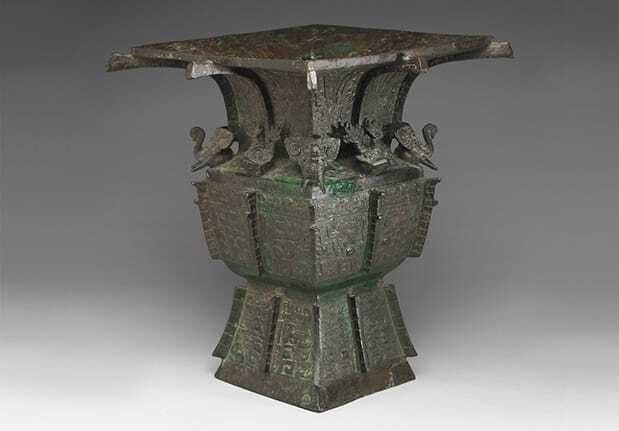
The two museums make a natural pair because they answer different questions. Shung Ye asks how Taiwan’s Indigenous peoples lived and maintained their traditions. The National Palace Museum asks how Chinese art, scholarship, religion, and court culture developed over roughly 5,000 years.
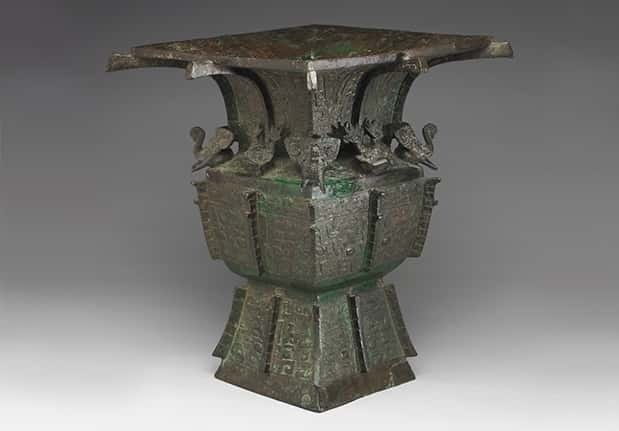
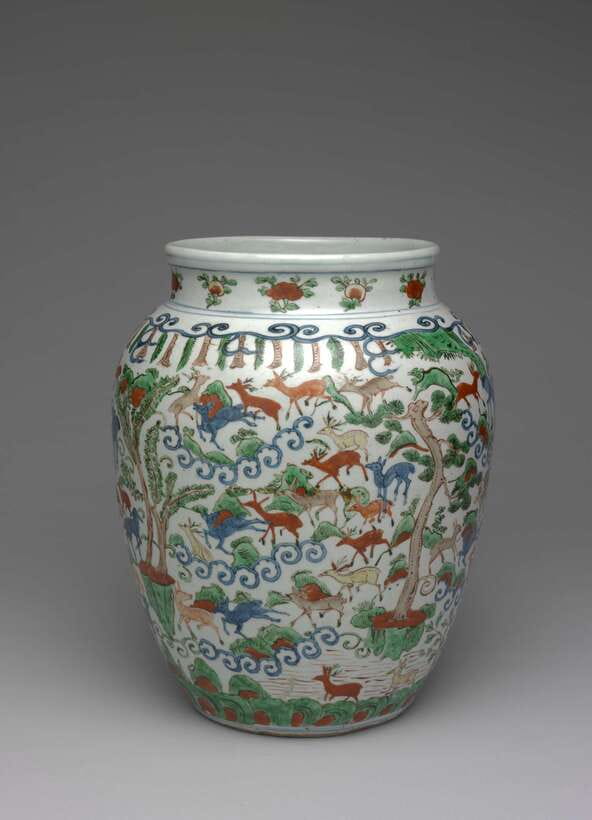
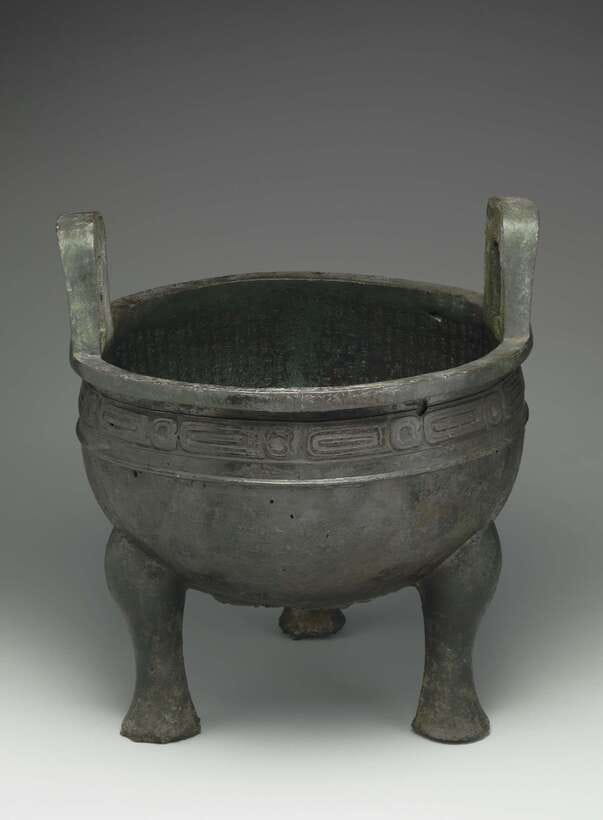
The change in scale is immediate. After the intimate Indigenous museum, you enter an institution with more than 700,000 pieces of Chinese art. The collection includes calligraphy, ceramics, paintings, and other works. Not everything is displayed at once, so the exact experience can vary, but you will have plenty to see across the galleries.
I recommend treating the National Palace Museum as the main course. Plan on three to four hours if you want more than a quick circuit. Even then, you will need to make choices. Trying to inspect every gallery closely can turn a rewarding visit into a very long day.
Finding the jadeite cabbage and other famous works
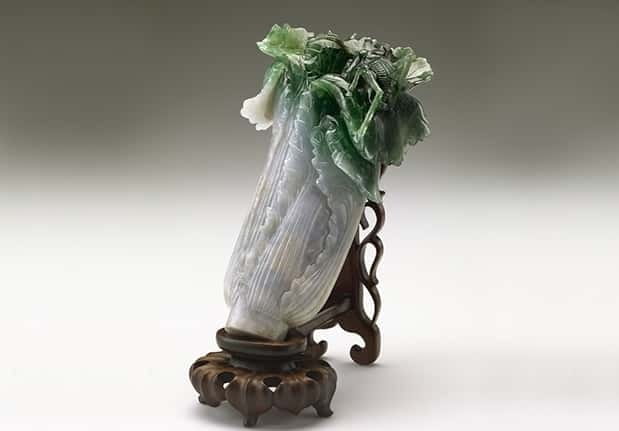
The jadeite cabbage carving is one of the museum’s best-known objects and a natural first target for many people. Its appeal comes from the way a hard piece of jade was shaped into a cabbage, complete with delicate details. It is a small object, so do not expect a monumental sculpture. The interest lies in the craftsmanship and the playful transformation of a familiar vegetable into precious art.
The cabbage is only one stop in a collection that spans calligraphy, ceramics, paintings, and objects tied to Chinese court life and scholarship. I suggest moving beyond the single famous piece. The wider collection shows how styles, materials, and artistic priorities changed over many centuries.
The museum also offers a chance to compare objects rather than simply admire isolated treasures. Ceramics can be considered alongside paintings. Calligraphy can be viewed not just as writing, but as a respected art form. This is where the five-thousand-year scope becomes useful: you begin to see patterns across periods instead of looking at disconnected displays.
Still, the museum can feel historical and formal. If you prefer contemporary art or interactive exhibits, some galleries may not hold your attention. The experience rewards patience, reading, and a willingness to let the collection set the pace.
A few more palace visits around the world worth a look
- Venice: Doge’s Palace Reserved Entry Ticket
★ 4.6 · 42,716 reviews - Paris: Versailles Palace and Gardens Full Access Ticket
★ 4.6 · 41,579 reviews - Seville: Royal Alcázar Entry Ticket
★ 4.6 · 28,378 reviews - Granada: Alhambra & Nasrid Palaces Tour with Tickets
★ 4.7 · 19,801 reviews
How to plan your one-day museum route
The best order is fixed by the ticket arrangement:
- Arrive at Shung Ye Museum of Formosan Aborigines.
- Redeem both admission tickets there.
- Explore Shung Ye and watch an auditorium film if the schedule suits you.
- Walk to the adjacent National Palace Museum.
- Spend the larger part of the day in the National Palace Museum.
- Return to any galleries you skipped before closing time.
Shung Ye is open from 9:00 a.m. to 5:00 p.m., Tuesday through Sunday. The National Palace Museum opens earlier, from 8:30 a.m. to 6:30 p.m. Tuesday through Sunday, with Friday and Saturday hours extended until 9:00 p.m.
Those later hours can help if you want a slower visit or need to arrive later in the day. You should still begin at Shung Ye during its opening hours, since that is where both tickets must be collected.
The museums are wheelchair accessible. Children under seven enter free. Bring your passport or another form of identification, since it is listed as a requirement for the activity.
Getting there from Shilin MRT Station
The simplest stated route is to take bus 255, S18, or S19 from Exit 1 of Shilin MRT Station on Taipei’s red line. Get off at Wesley Girls High School, written in Chinese as 衛理女中.
This bus connection is worth planning before you leave your hotel. The activity does not include transportation, so you will need to handle the MRT and bus fares separately. Keep the museum address saved in your phone, and check the stop name carefully so you do not miss it.
Because the experience is self-guided, arrival time matters more than meeting a tour leader. You are not joining a fixed group or following a guide through timed stops. Once you have the tickets, you control the length and order of your museum visits.
What the $15 price really gives you
At about $15 per person, the admission value is strong. You receive entry to two museums and can spend a full day moving between Indigenous culture and major Chinese art collections. The National Palace Museum alone can occupy several hours, so the combined ticket makes sense for anyone who already plans to visit it.
The price is less attractive if you only want a quick look at the famous jadeite cabbage. In that case, you may not use enough of the National Palace Museum to justify a full museum day. The package works best when you enjoy taking your time and want cultural context, not when you are racing through a checklist.
The optional Shung Ye audio guide may improve the smaller museum experience, but the National Palace Museum audio guide is not included. You should budget for that separately only if you specifically want guided commentary there. No guide names are provided, and the activity is designed for independent exploration.
There is also a locker fee. Cameras and flash photography are not allowed, and filming equipment must be stored in onsite lockers, which cost about TWD20 each. Check the rules before you arrive, especially if you are carrying a camera bag or recording equipment.
Who will enjoy this museum pairing most
I would recommend this day to you if you like history, art, cultural traditions, and self-guided visits. It is also a good choice if you want to place Taiwan’s Indigenous cultures beside the broader Chinese story rather than seeing only one side.
Families can benefit from the contrast between the museums, though younger children may not have the patience for several hours of galleries. The jadeite cabbage provides a memorable object to look for, while the films and colorful clothing at Shung Ye may help break up the more formal displays.
Art lovers should allow the National Palace Museum most of their time. The collection is large enough to reward repeat visits, and one day will not cover everything in detail. If ancient ceramics, calligraphy, and paintings are not your interests, the museum may feel slow.
This is not the best choice if you want a guided walking tour, a food experience, or a tightly scheduled group activity. It is also not ideal if you need to use photography as your main way of remembering what you see, since cameras and flash photography are prohibited.
Final decision: book it for the contrast
I would book this experience if you want strong value and a full cultural day in Taipei. The biggest strength is the contrast: Shung Ye gives Taiwan’s Indigenous peoples a place in your understanding of the island, then the National Palace Museum opens a vast collection of Chinese art and history.
Start early enough to enjoy both without rushing, and treat the National Palace Museum as the longer visit. Add the Shung Ye audio guide if you want more explanation, bring identification, and leave cameras or filming equipment ready for the lockers.
Skip it if you only want a fast look at one famous object or prefer modern, hands-on attractions. For anyone interested in art, history, and Taiwan’s many cultural strands, the $15 admission is an efficient and worthwhile use of a day.
FAQ
Where do I redeem the tickets?
You must redeem both the National Palace Museum and Shung Ye Museum tickets at the Shung Ye Museum of Formosan Aborigines first.
Where is the meeting point?
The meeting point is Shung Ye Museum of Formosan Aborigines, No. 282, Section 2, Zhi Shan Road, Shilin District, Taipei City, Taiwan 111.
How do I reach Shung Ye Museum from the MRT?
Take bus 255, S18, or S19 from Exit 1 of Shilin MRT Station on the red line. Get off at Wesley Girls High School, or 衛理女中.
How long is the experience valid?
The admission is valid for one day. You should check availability for the available starting times.
What are the opening hours?
Shung Ye is open from 9:00 a.m. to 5:00 p.m., Tuesday through Sunday. The National Palace Museum is open from 8:30 a.m. to 6:30 p.m. Tuesday through Sunday, with Friday and Saturday hours extending to 9:00 p.m.
Is an audio guide included?
An audio guide for Shung Ye is included only if you select that option. An audio guide for the National Palace Museum is not included.
Is the experience wheelchair accessible?
Yes, the activity is wheelchair accessible.
Are children admitted free?
Children under seven enter free.
Can I bring a camera or filming equipment?
Cameras and flash photography are not allowed. Filming equipment must be left in onsite lockers, which cost around TWD20 each.
Just added around the world
- Pitti Palace and Palatina Gallery★ 4.0 · 41 reviews
- Pitti Palace Small Group Tour★ 5.0 · 6 reviews
- Private Guided Tour of Palazzo Vecchio in Florence★ 3.5 · 4 reviews
- Florence: Palazzo Vecchio Skip the line Entry ticket★ 4.0 · 49 reviews
- Pitti Palace: The Royal Palace of Florence★ 4.5 · 12 reviews
- PALAZZO VECCHIO Private tour in Florence★ 5.0 · 35 reviews
- Private Tour of Pitti Palace with Boboli Garden★ 5.0 · 28 reviews
- Pitti Palace and Palatine Gallery: A Royal Art and History Tour★ 4.5 · 42 reviews
Museums, compared.

Skip-the-Line Sisi Museum, Hofburg and Gardens Tour
Read our review →
Venice’s Best: Basilica, Doge’s Palace, Gondola & History Gallery
Read our review →
Royal Palace & Prado Museum Skip the Line Guided Tour
Read our review →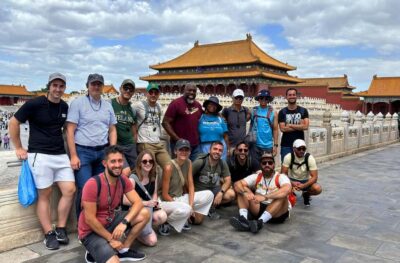
Tianmen Square, Forbidden City & Royal Museum Tours
Read our review →
City Pass with Museums including Doge’s Palace
Read our review →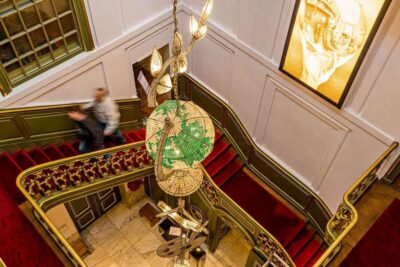
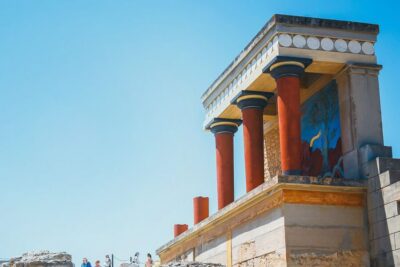
Crete: Knossos Palace and Museum E-Tickets with Audio Guides
Read our review →Browse the lists this tour appears in