
REVIEW · ITALIAN PALAZZO TOURS
Turin: Entrance ticket for Palazzo Reale & audioguide
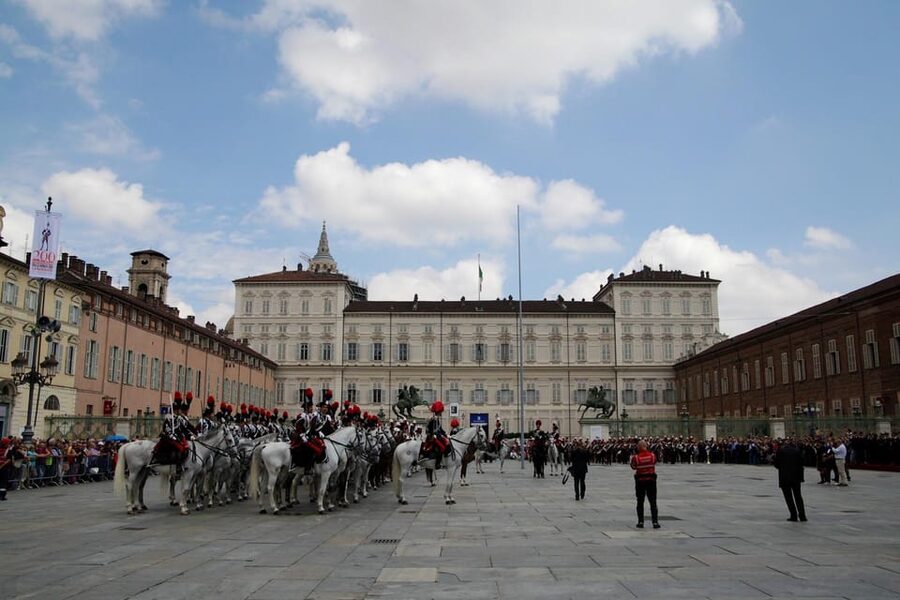
The most striking part of this experience is the chance to walk through Turin’s Royal Palace, the former seat of the Savoy dynasty and a UNESCO World Heritage Site. Your ticket takes you from formal state rooms to private apartments, then to an armoury filled with centuries of weapons and armour.
I like the seven-language audio content, which lets you visit at your own pace, and I like the palace’s clear sequence of rooms, from the Piano Nobile to the throne room and ballroom. The main concern is the audio guide itself. The ticket information promises palace content, but the supplied audio may be brief or poorly matched to the rooms, so the $46 price can be hard to justify.
Key points to know
- Juvarra’s Scissors Staircase: Look for Filippo Juvarra’s elegant marble staircase, one of the palace’s finest architectural features.
- Savoy royal apartments: The route includes King Charles Albert’s 19th-century rooms, the Queen’s apartments, dining room, and alcove room.
- Seven audio languages: Choose Italian, English, French, German, Spanish, Russian, or Traditional Chinese on your smartphone.
- Royal Armoury finale: The visit ends among armour from several centuries, including a sword connected with Napoleon.
- Bring your own headphones: Headphones are not included, and food, drinks, and pets are not allowed.
- Check your email carefully: The booking confirmation alone does not grant entry. The actual palace ticket and audio codes arrive by email within the day before your visit.
A first look at Turin’s royal address
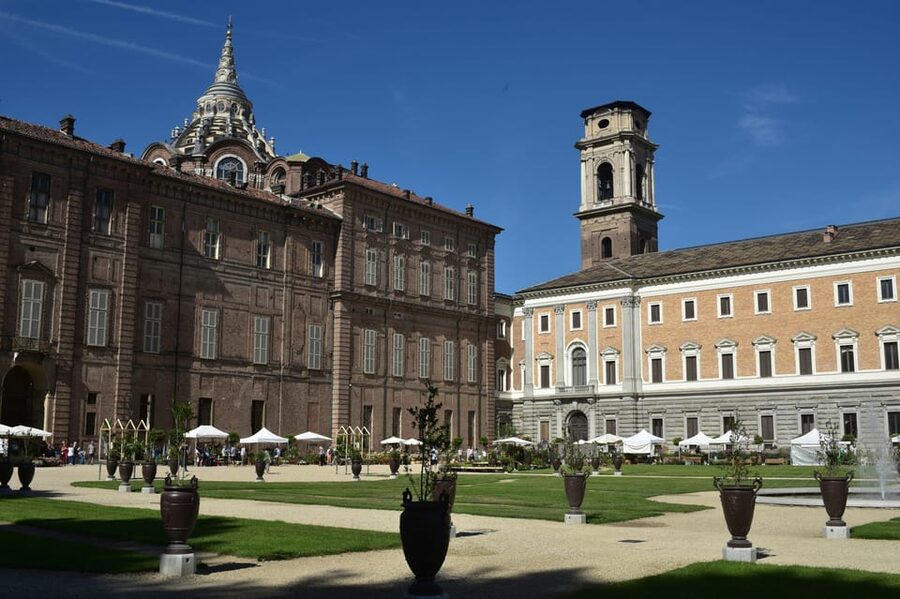
Turin’s Royal Palace is not a small museum tucked into a side street. It is a grand ceremonial residence in the center of the city, built for the Savoy rulers who helped shape Piedmont and later unified Italy.
This experience combines two separate ideas: a self-guided audio tour of Turin’s monuments and admission to the palace. That sounds useful if you want a broad introduction to the city along with one major indoor sight. In practice, the palace ticket is the part with the clearest value. The city audio guide is an added benefit, but you should confirm how much palace material you actually receive before paying a premium.
The planned duration is three hours. That gives you enough time to tour the palace without rushing and to listen to some city material before or after your visit. Since no transportation is included, you make your own way to the palace and manage the timing yourself.
More palazzo tours in Italy:
- Florence: Palazzo Vecchio Entrance Ticket & Audioguide
★ 4.4 · 4,822 reviews - Florence: Entrance Ticket to Pitti Palace
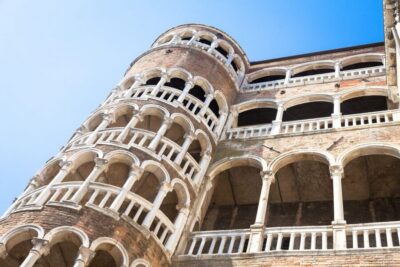
★ 4.5 · 4,528 reviews - Venice: Palazzo Contarini del Bovolo Entrance Ticket
★ 4.3 · 1,991 reviews
How the smartphone audio guide works
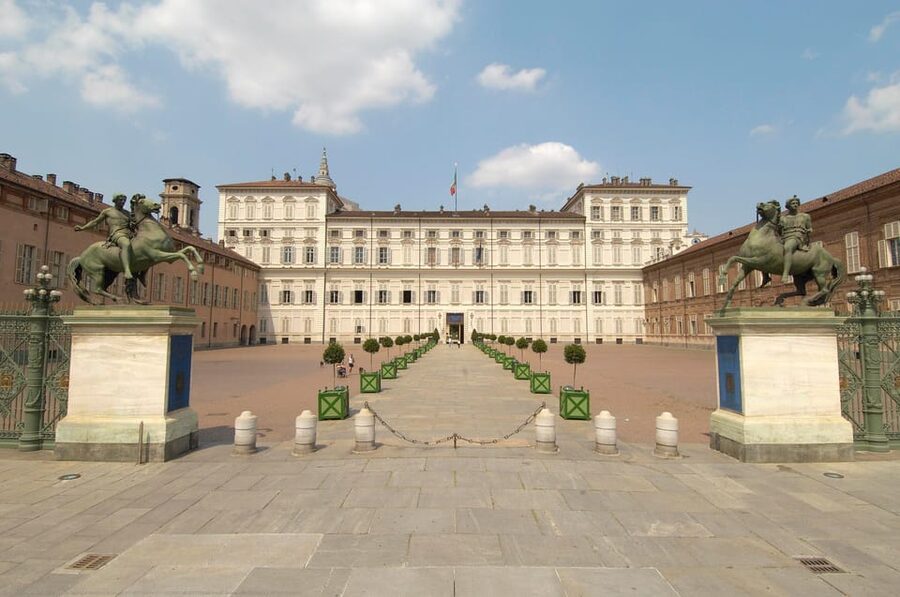
The audio guide is digital, not a live tour. You receive codes and ticket information by email, then download or access the material on your smartphone. The available languages are English, French, German, Russian, Spanish, Italian, and Traditional Chinese.
That language range is useful, especially if you are visiting with family or friends who do not all speak the same language. You can also pause the content, move at your own speed, and spend extra time in rooms that catch your eye.
Bring charged phones and your own headphones. Headphones are not included, and listening without them can be awkward in quiet museum rooms. You also need mobile access or a way to open the downloaded content, so it is wise to check the instructions before leaving your hotel.
Here is the key caution: the audio material may not provide a full, room-by-room explanation of the palace. The experience description suggests detailed cultural content for the city and the Royal Palace, but a reported use of the service found only about ten minutes of general Turin introduction rather than a proper palace tour. Another complaint described audio that did not match the rooms being visited.
I would treat the audio guide as a possible supplement, not the sole reason to book. Read the palace panels as you go. They may give you more reliable room-specific information if the digital commentary is short or out of sequence.
The Piano Nobile and the palace’s public face
Your palace visit begins on the Piano Nobile, the main ceremonial floor. This is where the Savoy family received visitors and displayed its power through architecture, decoration, furniture, and strict court etiquette.
The rooms are designed to be experienced as a procession. You move from one formal space to another, with grand interiors setting the tone before the route turns toward more private royal quarters.
One especially interesting stop is the Chinese Cabinet. Its inclusion shows how royal interiors were shaped by European fascination with Asian art and design. It is not simply another decorated room. It offers a change of mood within the palace, with a more intimate decorative style than the biggest ceremonial halls.
The palace works best when you look beyond individual objects and notice how the rooms fit together. A throne room, dining room, private apartment, and ballroom each had a different purpose. The audio guide should help explain those roles, but if its sequence is unclear, take your time with the signs and room labels.
Juvarra’s Scissors Staircase
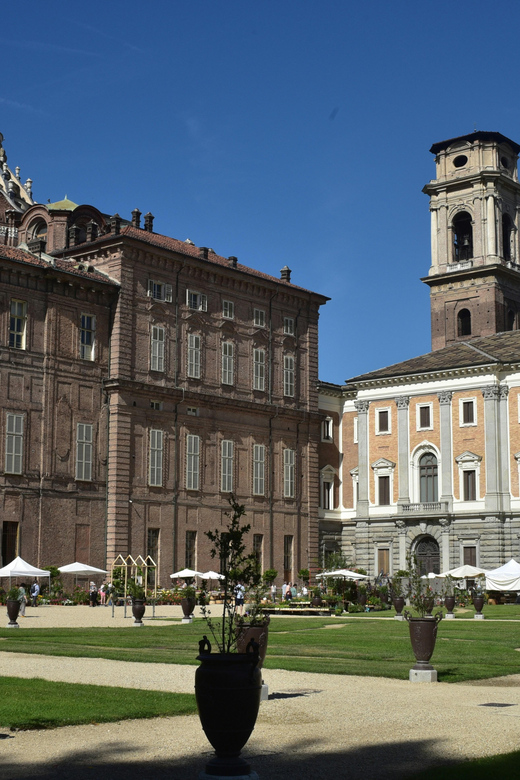
To reach the second floor, you use the Scala delle Forbici, or Scissors Staircase. It was designed by Filippo Juvarra and is described as one of the palace’s great architectural works.
The staircase is made of marble, yet it is intended to look light and graceful rather than heavy. That contrast is the point. A monumental royal building could easily feel dark and overpowering, but Juvarra’s design gives the ascent a more flowing quality.
I would pause here rather than treating the stairs as a simple connection between floors. Look at the curves, the proportions, and the way the staircase frames the movement upward. This is one of the places where the building itself becomes the main exhibit.
If you have limited mobility, the activity is listed as wheelchair accessible. The available information does not explain the exact accessible route or which lift arrangements are used, so you should confirm details before arrival if you need specific assistance.
More palace entry tickets in Italy:
- Venice: Doge’s Palace Reserved Entry Ticket
★ 4.6 · 42,716 reviews - Venice: St. Mark’s Basilica & Doge’s Palace Tour with Ticket
★ 4.7 · 3,375 reviews - Doge’s Palace & St. Mark’s Basilica Tickets + Tour Options
★ 4.5 · 1,841 reviews - Venice: Doge’s Palace Skip-the-Line Ticket with Guidebook
★ 4.0 · 1,196 reviews
King Charles Albert’s private apartments
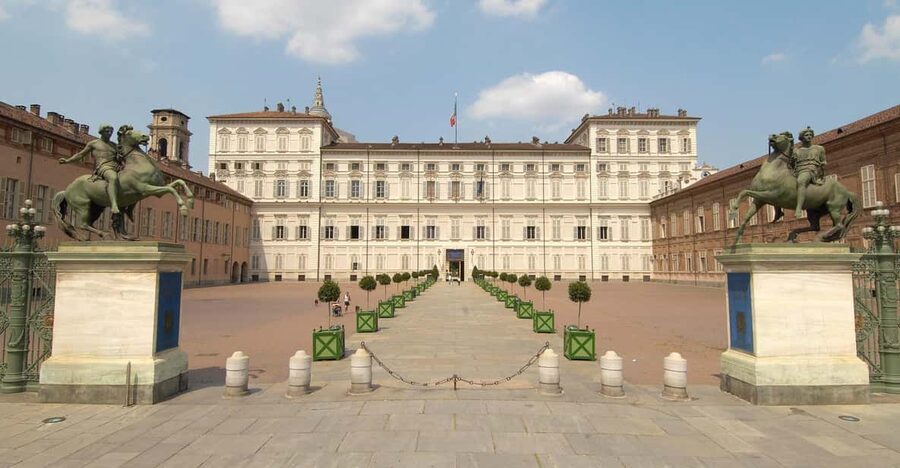
The visit then moves into the King’s private apartments. These rooms were renovated in the 19th century at the direction of King Charles Albert, while earlier furniture and furnishings were retained.
That mixture gives the apartments a different character from the public rooms. You are seeing spaces adapted for modern royal life in the 1800s, but not completely stripped of their earlier identity.
Private rooms can tell you more about royal routines than grand halls do. A throne room explains ceremony. An apartment suggests how a monarch lived, rested, received close advisers, and separated public duties from personal life.
The experience information does not provide a full room-by-room list, so you should expect the audio and palace signage to fill in the details. If the audio is limited, focus on the surviving furniture, the arrangement of rooms, and the contrast between public display and private use.
Daniel’s Gallery and the Queen’s apartments
The sequence of rooms is interrupted by the Gallery of Daniel, described as one of the best-preserved Baroque rooms in the palace. Its placement gives you a change of scale and style after the apartments.
Baroque interiors often use theatrical decoration to guide the eye and create a sense of ceremony. Here, the gallery also acts as a bridge between different parts of the royal residence. It is worth slowing down, even if you are more interested in the royal family than in decorative design.
From there, you reach the Queen’s apartments, followed by the dining room and the Alcove Room. The alcove once held the royal wedding bed, making it one of the more personal and suggestive rooms on the route.
The alcove is a reminder that court life mixed public ceremony with carefully managed private events. A wedding bed in a royal residence was not merely household furniture. It could carry political and dynastic meaning, even though the available tour information does not spell out a particular marriage or date.
The throne room and ballroom
The final palace rooms have a more solemn feel: the Queen’s Throne Room and the Ballroom. These spaces bring the visit back to public ritual, after the more domestic atmosphere of the private apartments.
A throne room is built around hierarchy. The placement of the throne, the approach to it, and the room’s decoration all shape how visitors were expected to behave. The ballroom, by contrast, was designed for movement, ceremony, and social display.
You may find these rooms more immediately impressive than the private apartments because their purpose is easier to read at a glance. Still, I think the visit is stronger when you compare them with the quieter rooms earlier in the route. The palace is telling you two stories at once: how the Savoy rulers wanted to be seen and how they arranged their daily surroundings.
The Royal Armoury and the Napoleon connection
The tour ends in the Royal Armoury, one of the world’s richest collections of armour. It covers several centuries and gives the visit a change of subject after so many rooms devoted to interiors and court life.
You can expect armour from different periods, along with weapons and historic objects. One highlighted item is a sword belonging to Napoleon, described as a relic of the Napoleonic age.
This final stop is a strong reason to allow the full three hours. If you rush through the palace, the armoury may feel like an afterthought. Give yourself time to look at how armour changed across the centuries and how weapons could serve both practical and symbolic purposes.
The collection also helps connect Turin to the wider political history of Europe. The palace tells you about dynastic power from inside the royal home. The armoury shows that power in military form.
Is $46 a fair price?
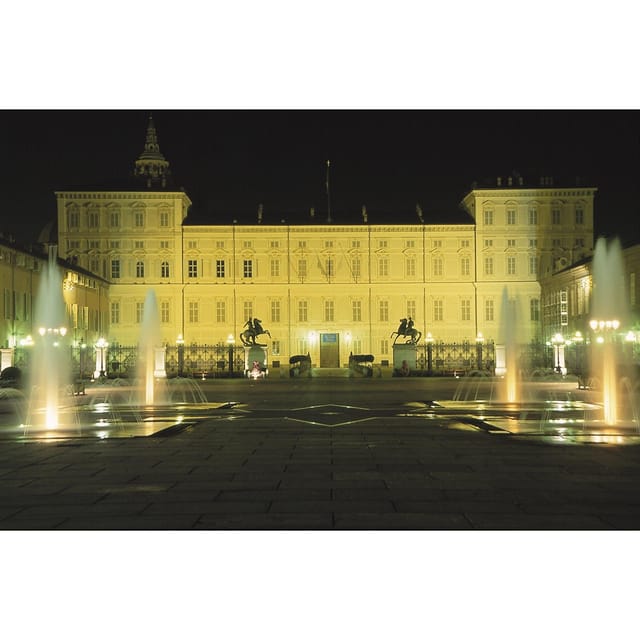
At $46 per person, the value depends heavily on the audio guide. If you want Royal Palace entry plus useful commentary about Turin and the palace in your preferred language, the package may save you the trouble of arranging separate services.
If the audio content is short, difficult to access, or not synchronized with the rooms, the calculation changes. One price comparison in the available feedback put the palace’s direct admission at about €15, making the combined cost feel high when the digital guide adds little more than a short city introduction.
I would not book this at $46 solely for admission. The palace is the main product, and you should compare the package price with the current direct ticket price before buying. The added cost makes sense only if the audio guide is important to you and the promised palace content is confirmed.
The seven languages are a real advantage for some visitors. If you need Traditional Chinese, Russian, or another language listed here, a digital guide may be worth more to you than a cheaper ticket with only printed information. If you are comfortable reading English or Italian signs, buying admission directly may offer better value.
Practical details that affect your visit
The actual palace tickets and audio codes are sent by email within the day before the visit. The GetYourGuide booking confirmation is not enough for entry, so check your inbox and spam folder before heading to the palace.
If the tickets do not arrive, the instructions tell you to call the provider. Do not wait until you are standing at the entrance. Save the email, keep your phone charged, and have the ticket available before you leave.
The activity has no included transportation. You are responsible for reaching the palace and choosing when to begin within the available time slots. Availability varies, so check the starting times when booking.
Food and drinks are not allowed inside. Pets are also not allowed, except for assistance dogs. The experience is listed as wheelchair accessible, but anyone needing a specific route should request practical details in advance.
Free cancellation is available up to two days before the visit for a full refund. That gives you some room to change plans, especially if your Turin schedule is still taking shape.
Who should book this experience?
I see this working best for an independent visitor who wants a self-guided palace visit, prefers listening in a chosen language, and does not need a live guide. It also suits anyone who wants to combine a major Turin monument with general audio material about the city.
Families may appreciate the flexible timing, though the child ticket rule needs close attention. For the ticket type marked Child, ages 10 to 17, no palace ticket is provided, but the audio guide is supplied. Confirm how that arrangement works before booking for a child, since the wording is unusual.
I would be more cautious if you are booking mainly for a detailed palace narration. The audio may be too brief, difficult to access, or poorly matched to the rooms. In that case, the palace remains worth visiting, but this particular package may not be the best way to buy admission.
Should you book it?
Book this experience if you value a self-guided Royal Palace visit and the seven-language audio option matters to you. The route covers the palace’s most important spaces, from the Chinese Cabinet and Juvarra’s staircase to the royal apartments, throne room, ballroom, and Royal Armoury.
Skip it, or compare it carefully with direct admission, if you expect a polished, detailed audio tour. At $46, the package needs more than a short introduction to Turin to earn its price. Check the ticket email instructions, bring headphones, and plan to use the palace signs as a backup. That way, you can still enjoy one of Turin’s grandest interiors even if the digital commentary falls short.
FAQ
What does the Turin Royal Palace experience include?
It includes entry to Turin’s Royal Palace and a multilingual audio guide covering Turin, its monuments, and selected Royal Palace content.
Which languages are available for the audio guide?
The audio guide is available in English, French, German, Russian, Spanish, Italian, and Traditional Chinese.
How long does the experience last?
The planned duration is three hours. You should check the available starting times when booking.
Do I need to bring headphones?
Yes. Headphones are not included, so bring your own if you want to listen privately and comfortably.
Does the booking confirmation provide palace entry?
No. The GetYourGuide booking confirmation does not allow entry by itself. The actual palace tickets and audio guide codes are sent to your email within the day before the visit.
Is the experience wheelchair accessible?
Yes, the activity is listed as wheelchair accessible. If you need specific information about the accessible route, confirm it before visiting.
Just added around Italy
- Pitti Palace and Palatina Gallery★ 4.0 · 41 reviews
- Pitti Palace Small Group Tour★ 5.0 · 6 reviews
- Private Guided Tour of Palazzo Vecchio in Florence★ 3.5 · 4 reviews
- Florence: Palazzo Vecchio Skip the line Entry ticket★ 4.0 · 49 reviews
- Pitti Palace: The Royal Palace of Florence★ 4.5 · 12 reviews
- PALAZZO VECCHIO Private tour in Florence★ 5.0 · 35 reviews
- Private Tour of Pitti Palace with Boboli Garden★ 5.0 · 28 reviews
- Palazzo Vecchio, Palazzo Pitti and Boboli gardens private tour★ 5.0 · 18 reviews
Italian Palazzo Tours, compared.
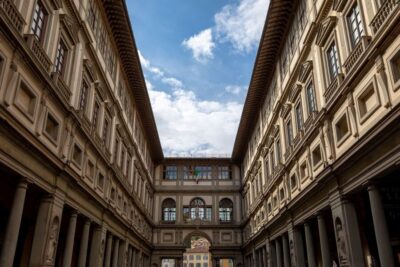
Uffizi, Pitti Palace & Boboli Combined 5-Day Pass
Read our review →
Palazzo Vecchio: Skip-the-Line Entry and Secret Passage Tour
Read our review →
Opera Concert at Palazzo Poli – Fontana di Trevi
Read our review →
Browse the lists this tour appears in