
REVIEW · MUSEUMS
Rimini: Fellini Museum and Fulgor Palace Entry Ticket
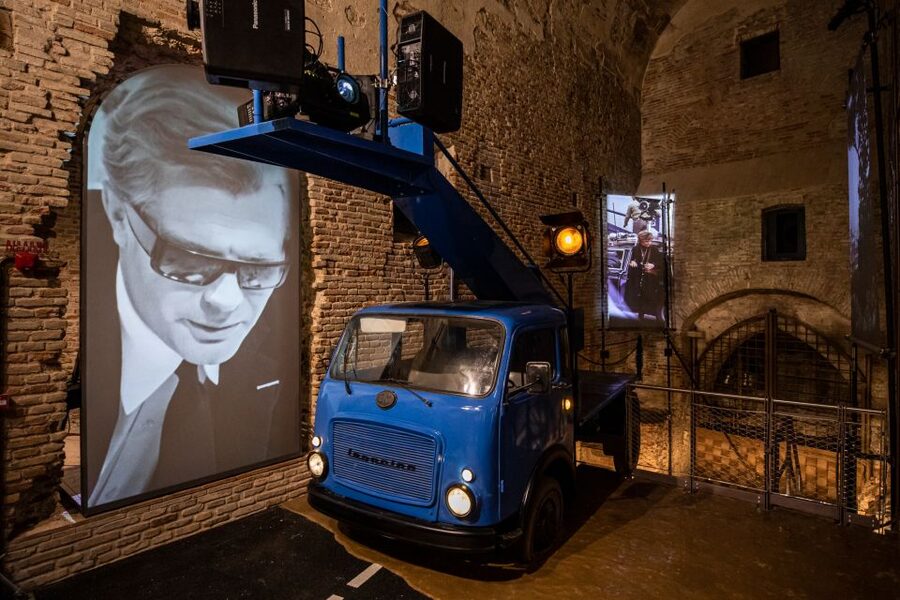
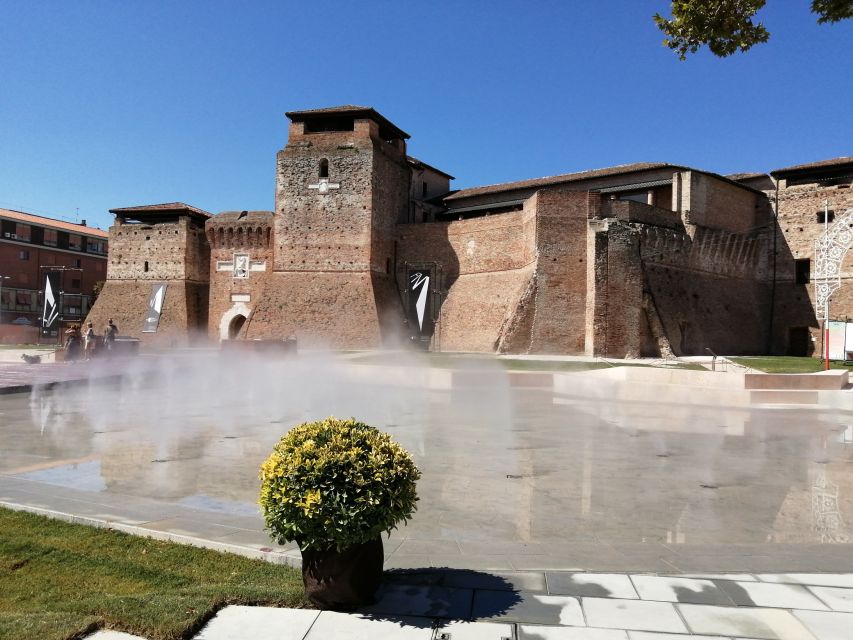
Federico Fellini’s museum is not confined to one quiet gallery. It spreads across Sismondo Castle, Piazza Malatesta, and Fulgor Palace, turning Rimini’s old town into part of the exhibition. You move from castle rooms to an open square, then finish inside a historic cinema connected with the director’s early love of film.
I like the way the museum lets you step into scenes from La Dolce Vita and I Vitelloni instead of simply reading about them. I also like the mix of drawings, film clips, technology, and interactive displays, which gives you a better sense of Fellini’s imagination.
The main caution is size and ticket handling. Some people may find the museum small for the price, and the GetYourGuide voucher itself is not the entrance ticket. You need the original museum ticket by email or from the VisitRimini office.
Key points before you book
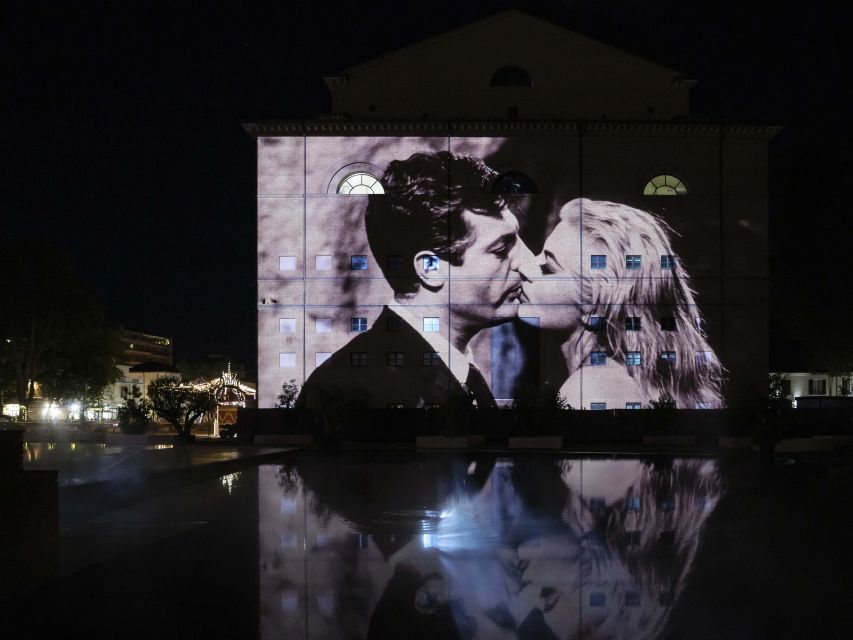
- Three locations make up one museum: Visit Sismondo Castle, Piazza Malatesta, and Fulgor Palace in Rimini’s old town.
- Film scenes become physical spaces: Look for the Trevi Fountain setting from La Dolce Vita and the pier scene from I Vitelloni.
- Fulgor Palace is the technical finale: Expect visual and interactive displays built around Fellini’s film world.
- The ticket costs $11 per person: That is fair if you enjoy cinema, though less appealing if you want a large traditional museum.
- Allow time for ticket collection: The original museum ticket is required, and the VisitRimini office has limited opening hours.
- The experience is available for one day: You choose a starting time after checking availability, then visit the included sites during that validity period.
Why Fellini belongs in Rimini
Fellini is one of Italy’s best-known film directors, but this museum is not only for serious cinema students. It presents his work through mood, images, sketches, sets, sound, and playful displays. You get a picture of a director who built films from memory, dreams, exaggeration, and ordinary Italian life.
That matters because Rimini is more than a beach resort in Fellini’s story. The city and its people helped shape the visual world behind films such as Amarcord. The museum uses local places and old-town settings to connect the director’s imagination with the city where he grew up.
I would not approach this as a standard chronological museum. You are not simply walking past objects with long labels. The experience is designed to make you feel as if you have entered Fellini’s cinema. That makes it appealing even if you know only the most famous titles.
If you have never watched a Fellini film, you can still enjoy the colors, drawings, strange details, and visual jokes. But a little preparation helps. Watching one film before your visit, especially Amarcord or La Dolce Vita, gives the displays more meaning.
More palace museums and galleries in Italy:
- Venice’s Best: Basilica, Doge’s Palace, Gondola & History Gallery
★ 4.5 · 2,478 reviews - Venice: City Pass with Museums including Doge’s Palace
★ 4.1 · 1,020 reviews - Venice Museum Pass & Doge’s Palace Entrance Ticket
★ 3.9 · 769 reviews
Starting at Sismondo Castle
Sismondo Castle is the most atmospheric part of the visit. Its rooms provide the setting for the central exhibition about Fellini’s life and work. The old stone surroundings contrast with the director’s often dreamlike style, and the result feels more like a stage set than a conventional gallery.
Inside, you can encounter visual references to several important films. One of the clearest moments recreates the famous Trevi Fountain scene from La Dolce Vita, associated with Anita Ekberg. You can also look toward the sea from a setting connected with I Vitelloni, a film about young men caught between routine and the desire to escape.
These displays work best when you take your time. Stop to study the drawings and ideas behind the films rather than rushing from room to room. One especially strong part of the experience is the attention given to Fellini’s sketches. His drawings help show how characters, costumes, faces, and settings developed before they reached the screen.
The castle section also gives you a sense of Fellini as a private and introspective man, not only as a famous director. Personal ideas and working methods appear alongside the film references. You begin to understand that his cinema was built from more than scripts and cameras. Memory, fantasy, and visual invention were central to his process.
One practical point: the museum is described as accessible for wheelchair users. Still, the full experience is spread across several sites, so anyone who needs specific information about paths between buildings should check directly with the museum before arriving.
Piazza Malatesta turns the city into an exhibit
The open-air portion of the museum occupies Piazza Malatesta. This section changes the pace. After the enclosed rooms of the castle, you step into a large public space where architectural elements and water features echo Fellini’s visual language.
Look for the circular bench, the water veil, and the Bosco dei nomi, or Forest of Names. Together, these features recall the rural scenes and memories associated with Amarcord. You are not simply looking at a monument to the director. You are standing in a setting designed to suggest how his imagination transformed familiar places.
This outdoor portion is also useful for understanding the museum as a city project. The experience does not keep Fellini behind glass. It places his ideas into the old town, where you can connect film, architecture, and public space.
Piazza Malatesta is likely to be the least formal part of the visit. There may not be as much to read or watch as inside the other locations. Its value comes from the atmosphere and from seeing how Rimini’s streets and squares fit into the wider story.
If you are planning your route, Sismondo Castle and Piazza Malatesta belong together geographically. Fulgor Palace is also a short walk away, so the three sites can be visited as part of a compact old-town outing. The ticket is valid for one day, giving you some flexibility rather than forcing the entire experience into a single quick pass.
Finishing at Fulgor Palace
Fulgor Palace provides the final indoor stop. This historic cinema is important to the museum because cinema itself was central to Fellini’s early imagination. Here, the exhibition uses visual, technological, and interactive tools to create a more theatrical ending.
The displays at Fulgor Palace are less about a single film and more about entering Fellini’s wider image-making world. You can expect moving pictures, visual effects, and interactive elements that bring his characters and ideas together. The result is more sensory than academic.
I like this arrangement because the three sections have different jobs. Sismondo Castle gives you the emotional and personal material. Piazza Malatesta connects the museum with the city. Fulgor Palace then returns you to the shared experience of watching cinema.
The final section may be the strongest choice for anyone who prefers modern museum displays. It is also where the museum’s dreamlike quality is most obvious. If you want a quiet exhibition filled with original documents and detailed historical explanations, you may find the presentation a little light. If you enjoy visual storytelling, it should be the most entertaining part.
The cinema setting also adds a useful reminder: Fellini’s films were meant to be experienced, not just studied. Fulgor Palace gives the museum a proper screen-and-stage finish.
More palace entry tickets in Italy:
- Venice: Doge’s Palace Reserved Entry Ticket
★ 4.6 · 42,716 reviews - Florence: Palazzo Vecchio Entrance Ticket & Audioguide
★ 4.4 · 4,822 reviews - Florence: Entrance Ticket to Pitti Palace
★ 4.5 · 4,528 reviews - Venice: St. Mark’s Basilica & Doge’s Palace Tour with Ticket
★ 4.7 · 3,375 reviews
How much time should you allow?
The ticket is valid for one day, but no fixed visit length is provided. The castle exhibition, outdoor square, and palace can be seen in one outing, especially since the locations are close to one another.
Your ideal pace depends on your interest. If you want photographs and a quick look at the main installations, you might move through efficiently. If you stop for the drawings, film references, interactive displays, and visual details, you can spend much longer.
One person could spend most of a day with the material, while another might feel finished sooner. That difference explains the mixed value question. At $11, the ticket is reasonably priced for a focused cultural stop, but it is not a bargain if you expect a huge museum with many galleries.
I would set aside at least part of an afternoon rather than treating it as a five-minute attraction between other sights. The museum works best when you let the locations build on one another.
What the $11 ticket includes
The entry price is $11 per person. It includes access to Sismondo Castle and Fulgor Palace, with Piazza Malatesta forming the outdoor section of the Fellini Museum.
The price makes the most sense for:
- Film fans who want a physical connection to Fellini’s work
- Visitors already exploring Rimini’s old town
- People who enjoy interactive and visual exhibitions
- Anyone curious about Italian cinema beyond the usual tourist sights
The value is less clear if you are only mildly interested in Fellini and want a large collection of objects. The museum’s appeal comes from presentation and atmosphere, not from sheer quantity.
I would also factor in your interest in the director’s films. If you know La Dolce Vita, I Vitelloni, or Amarcord, you will recognize more of what you see. If you do not, the visit still offers attractive displays, but the film references may feel less powerful.
The important ticket detail
This is the part you should not overlook. The GetYourGuide voucher is not a valid access ticket. You should receive the original museum ticket by email, so check your inbox and spam folder before heading to the museum.
If there is a problem, you can find the ticket at the VisitRimini tourist information office inside Rimini’s central train station at Piazzale Cesare Battisti. The museum sites are a short walk from the station.
The office has limited opening hours. Check the VisitRimini website before you go, especially if you are arriving late, visiting on a holiday, or planning an early start. A booking email arriving only minutes before the intended entrance time caused a serious problem for one visitor, who had to buy replacement tickets. That is an avoidable nuisance, so handle the ticket well before your museum time.
Bring a passport or identity card. A copy is accepted. The host language is Italian, and the activity is wheelchair accessible. Pets are not allowed, although assistance dogs are permitted.
The booking is non-refundable, so confirm your date and ticket arrangements before paying.
Who will enjoy this museum most?
This is a good choice for anyone who likes films, unusual exhibition design, or Italian culture presented through images rather than long explanations. It also suits visitors who want a cultural stop with a strong connection to Rimini itself.
You do not need to be a Fellini expert. The museum gives you enough visual material to make the experience approachable. Still, you will get more from it if you know a little about his films or watch one before arriving.
Families with older children may appreciate the interactive parts, although the information provided does not specify a recommended age. The displays are likely to appeal to people who enjoy visual surprises more than formal museum cases.
The visit may disappoint you if you expect a major film archive, a large number of original costumes, or a full-day institution with endless rooms. One section can feel small for the price, especially if you move quickly.
How this fits into a Rimini day
The museum is easy to combine with an old-town walk because its three parts are close together. Start at the train station if you need to collect your original ticket, then walk toward Sismondo Castle and Piazza Malatesta. Continue to Fulgor Palace for the final indoor section.
The route gives you a pleasant change of setting without requiring a separate excursion or complicated transport. You can treat it as a self-guided cultural walk through central Rimini.
I would avoid arriving without checking the ticket email. The only real logistical risk is not the walking route, but access to the correct ticket and the limited hours of the station office.
Should you book the Fellini Museum?
Book it if you want an entertaining, visually focused look at Fellini and enjoy seeing a museum spread through the city rather than locked inside one building. The three locations work well together, and the $11 price is fair for film fans who take time with the displays.
Think twice if you want a large traditional museum or have no interest in cinema. The experience is compact, and the value depends heavily on how much you respond to Fellini’s films, drawings, and dreamlike style.
My practical advice is simple: watch one Fellini film first, confirm the museum opening hours, and make sure you have the original ticket before leaving the station area. With those details sorted, this is an easy and distinctive addition to a day in Rimini.
FAQ
Where is the Fellini Museum located?
The museum spans Sismondo Castle, Piazza Malatesta, and Fulgor Palace in Rimini’s old town.
What does the Fellini Museum ticket include?
The ticket includes entry to Sismondo Castle and Fulgor Palace. Piazza Malatesta is the outdoor section of the museum.
How much does the entry ticket cost?
The ticket costs $11 per person.
How long is the ticket valid?
The ticket is valid for one day.
Is the GetYourGuide voucher the museum entrance ticket?
No. The GetYourGuide voucher is not a valid access ticket. You should receive the original museum ticket by email.
Where can I collect the ticket if there is a problem?
You can find the ticket at the VisitRimini tourist information office inside Rimini central train station at Piazzale Cesare Battisti.
Is the VisitRimini office open all day?
No opening schedule is provided here, and the office is open only during limited hours. Check the VisitRimini website before visiting.
What identification should I bring?
Bring a passport or identity card. A copy is accepted.
Is the museum wheelchair accessible?
Yes, the activity is listed as wheelchair accessible.
Are pets allowed?
Pets are not allowed. Assistance dogs are permitted.
Is the ticket refundable?
No. The activity is non-refundable.
Just added around Italy
- Pitti Palace and Palatina Gallery★ 4.0 · 41 reviews
- Pitti Palace Small Group Tour★ 5.0 · 6 reviews
- Private Guided Tour of Palazzo Vecchio in Florence★ 3.5 · 4 reviews
- Florence: Palazzo Vecchio Skip the line Entry ticket★ 4.0 · 49 reviews
- Pitti Palace: The Royal Palace of Florence★ 4.5 · 12 reviews
- PALAZZO VECCHIO Private tour in Florence★ 5.0 · 35 reviews
- Private Tour of Pitti Palace with Boboli Garden★ 5.0 · 28 reviews
- Palazzo Vecchio, Palazzo Pitti and Boboli gardens private tour★ 5.0 · 18 reviews
Museums, compared.

Skip-the-Line Sisi Museum, Hofburg and Gardens Tour
Read our review →
Venice’s Best: Basilica, Doge’s Palace, Gondola & History Gallery
Read our review →

Royal Palace & Prado Museum Skip the Line Guided Tour
Read our review →
Tianmen Square, Forbidden City & Royal Museum Tours
Read our review →
City Pass with Museums including Doge’s Palace
Read our review →
Crete: Knossos Palace and Museum E-Tickets with Audio Guides
Read our review →Browse the lists this tour appears in