
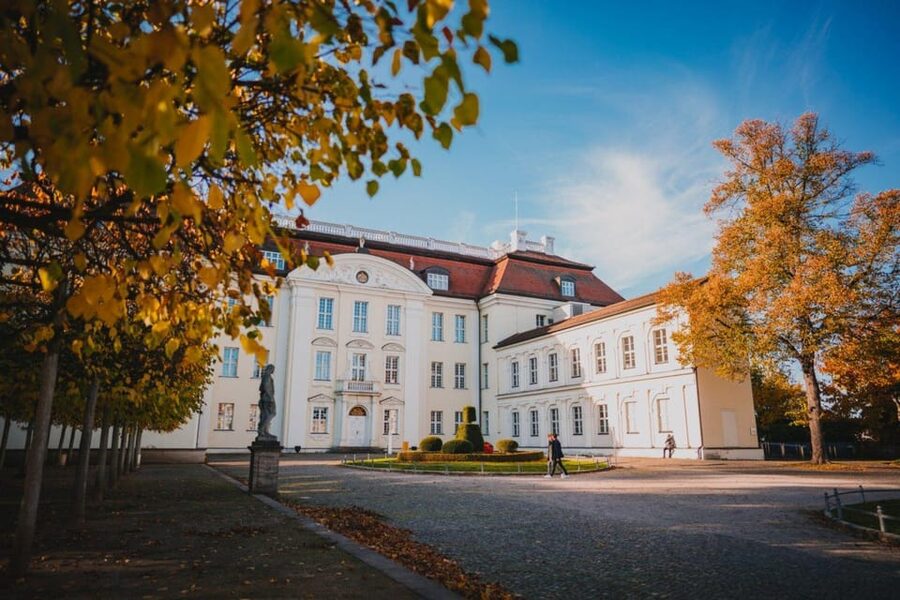
REVIEW · BERLIN PALACE TOURS
Berlin: Classical concerts in Köpenick Palace – Aurora Hall
Köpenick Palace gives classical music a handsome setting: a concert in the historic Aurora Hall, followed by free museum admission. The 90-minute program might bring Mozart piano works, Bach violin sonatas, opera duets, Schubert songs, or music linked to Frederick the Great.
I especially like the wide range of programs and the chance to hear named performers such as pianist Maria-Magdalena Pitu-Jokisch, soprano Inês Pinto, violinist Marianne Boettcher, and the Mozart Ensemble Berlin. I also like that your ticket includes the museum, turning a short concert into a fuller cultural outing.
The main caution is room comfort. One recorded visit in warm weather found the hall excessively hot because it lacked cooling, and a separate booking problem involved a paid event that did not take place. Check the date and current event details before setting your evening around it.
Key points to know before booking
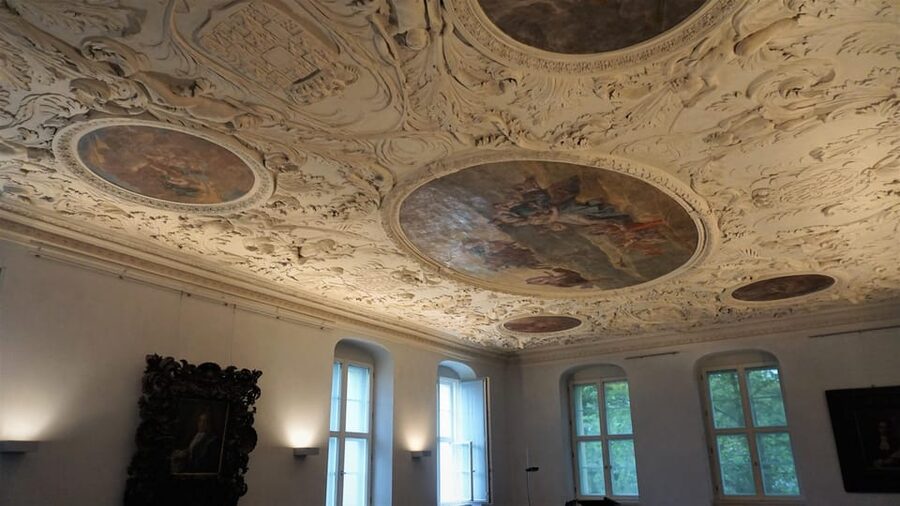
- Aurora Hall setting: The concert takes place inside Köpenick Palace, giving familiar classical works a historic backdrop.
- Several musical styles: Choose among piano, opera, chamber music, sacred works, songs, violin sonatas, harpsichord, recorder, and guitar.
- Strong named lineup: Performers include Inês Pinto, Kristina Naudé, Beatrice Wehner-Schaller, Marianne Boettcher, and the Mozart Ensemble Berlin.
- Museum admission included: Allow time around the 90-minute concert to visit the palace museum.
- Good price for a cultural evening: At $33 per person, the ticket covers the performance and museum entry.
- Practical limits: Audio recording is not allowed, some material may be presented in its original language, and warm-weather comfort may vary.
A palace concert rather than a standard city performance
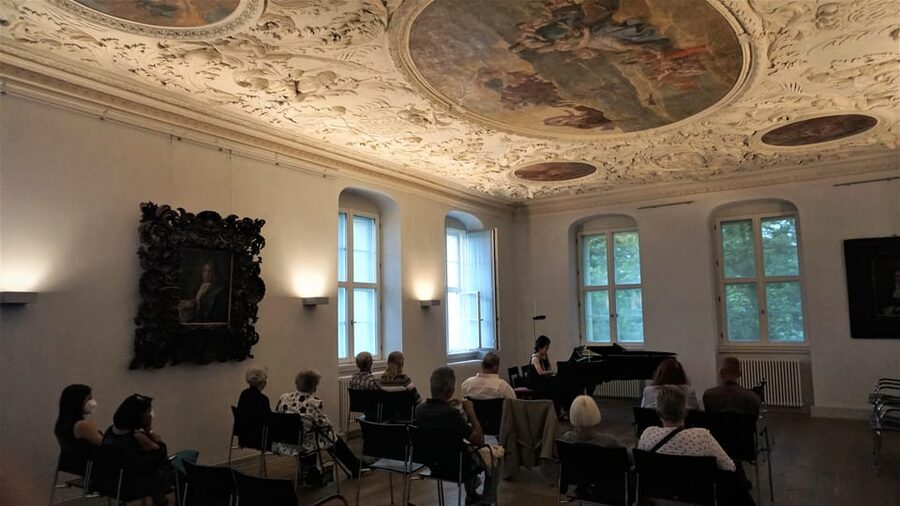
The appeal begins with the room. You are not simply attending a concert in a modern venue. You are hearing classical music in the Aurora Hall of Köpenick Palace, where the building itself becomes part of the occasion.
That setting matters most for intimate music. A piano work, a violin sonata, or a song recital can feel closely tied to the room around you. The program list is built around composers and forms that suit a historic hall: Mozart’s piano music, Bach’s violin sonatas, Schubert songs, Romantic duets, and chamber works.
I would think of this as a compact cultural evening rather than a full-scale opera production. The supplied information does not promise elaborate scenery or staging. Instead, the attraction is the combination of live classical performance, respected musicians, and a palace museum visit.
The concert lasts 90 minutes. That is long enough for a serious musical program but short enough to fit into a busy Berlin day. You can attend without giving up an entire evening, though the exact starting time depends on the date you select.
A few more palace visits around Berlin worth a look
- Salzburg: Mozart Concert at Mirabell Palace
★ 4.8 · 3,498 reviews - Vienna: Mozart and Strauss Concert at Schönbrunn
★ 4.5 · 2,967 reviews - Dresden: Gala Concert in the Dresden Zwinger
★ 4.7 · 1,510 reviews
The concert calendar, from Romantic duets to Iberian guitar
The dates are varied enough that your choice of program matters. Do not book only because the palace sounds appealing. Pick the music you are most likely to enjoy.
February 15: Pure Romance, Romantic Duets
Soprano Inês Pinto and alto Kristina Naudé perform with pianist Beatrice Wehner-Schaller. This is the clearest choice for listeners who enjoy vocal music and the emotional sweep of the Romantic period.
The two voices create a different experience from a solo recital. You can expect the interest to come from the contrast and blend between soprano and alto, supported by piano. If you prefer songs, lyrical expression, and vocal interplay to instrumental virtuosity, this is a sensible first pick.
March 8: Mozart Piano Works, Complete Performance 2
Maria-Magdalena Pitu-Jokisch presents the second program in a complete performance series devoted to Mozart’s piano works. The word complete signals a continuing project, so this date is best for listeners who want to follow a larger presentation rather than hear a mixed-composer program.
A single pianist also gives the music a clear focus. You will spend the evening with Mozart’s keyboard writing instead of moving between several musical styles. If you like hearing how a composer handles different moods and forms at the piano, this program may be more satisfying than a general concert.
Same city, a very different set of state rooms:
- Berlin: Charlottenburg Palace Entry Ticket
★ 4.4 · 2,076 reviews - From Berlin: Potsdam and Sanssouci Palace Tour with Entry
★ 4.7 · 1,219 reviews - Potsdam Tour from Berlin With Guided Sanssouci Palace Visit
★ 4.5 · 364 reviews - Small group Potsdam: A Journey Through History and Palaces
★ 4.7 · 317 reviews
March 22: Mozart Songs, Arias, and Duets
Mezzo-soprano Yuri Mizobuchi and baritone Stephen Barchi perform with pianist Graham Cox. This program offers more vocal variety than a solo song recital, moving among songs, arias, and duets.
It is a good fit if you want Mozart with a theatrical edge but do not need a fully staged opera. The voices and piano provide the musical drama. Since some content may be presented in its original language, you should be comfortable hearing vocal music without assuming that every word will be translated.
March 29: The Seven Last Words of the Savior on the Cross
The Mozart Ensemble Berlin performs this sacred work. The title points to a more serious and reflective program than the lighter piano or song dates.
This is the choice for listeners drawn to religious music and concentrated chamber performance. The listing does not give a running time for individual sections or describe the presentation, so you should select it for the work itself and the ensemble rather than expecting a staged explanation.
April 3: The Music Book of Frederick the Great
Recorder player Susanne Ehrhardt and harpsichordist Yuko Tomeda present a program connected with Frederick the Great. The pairing of recorder and harpsichord gives this evening a clear early-music character.
It also links the music to the palace setting in a direct way. You are hearing historical instruments and a program associated with a major royal figure in a royal residence. If modern piano concerts are not your first choice, this may offer a more distinctive sound.
April 4: Mozart Piano Works, Complete Performance 3
Naoko Fukumoto takes over for the third program in the Mozart piano series. As with the March 8 concert, this date is aimed at listeners who want a focused Mozart program rather than a broad selection of composers.
Because it is a separate program, do not assume it repeats the second event. The supplied details identify it as the third installment, so you can treat it as another part of the larger series.
April 5: Piano Magic for Four Hands
Naoko Fukumoto and Maria-Magdalena Pitu-Jokisch share the piano. Four-hand piano music changes the visual and musical rhythm of a recital, with two performers working at one instrument.
I like this option for people who want something less formal than a solo piano program while still hearing serious classical music. The title suggests a playful presentation, but no further description is provided, so the safe expectation is a two-pianist recital at one keyboard.
April 6: Classical Violin Sonatas
Violinist Annegret Pieske performs with pianist Victoria Litsoukova. This is a traditional duo format, with violin and piano sharing the musical conversation.
Choose this date if you prefer instrumental chamber music and want to hear the contrast between bowed strings and piano. The program title is broad, so the exact composers are not specified in the available details.
May 1: Schubert Potpourri
Baritone Stephen Barchi joins Maria-Magdalena Pitu-Jokisch at the piano for a Schubert program. The word potpourri suggests a selection of pieces rather than one continuous work.
This date should suit you if you like German art song and a varied program built around one composer. Barchi also appears in the Mozart songs, arias, and duets program, but here the focus shifts to Schubert and the baritone voice.
May 10: Bach Violin Sonatas 2
Marianne Boettcher plays violin with Yuko Tomeda on harpsichord. The second Bach violin sonata program offers a particularly clear early-music pairing.
The harpsichord changes the texture from a modern piano accompaniment. If you enjoy precise counterpoint, intimate chamber music, and period-colored keyboard sound, this is one of the more specialized choices on the calendar.
May 17: Piano Music to Dream To
Maria-Magdalena Pitu-Jokisch performs a solo piano program. The title points to a gentler, more atmospheric evening than the more formal Mozart series.
You should choose it for mood and relaxation rather than a particular composer, since the supplied information does not name the works. It may be a good fit after a busy day in Berlin, provided you want quiet piano music rather than vocal drama.
May 31: Iberian Sounds
Soprano Inês Pinto and guitarist Márcio Silva close the listed series with a program of Iberian music. The combination of soprano and guitar gives this concert a different color from the piano-led dates.
This is the most obvious pick if you enjoy Spanish or Portuguese musical traditions, song, and plucked-string accompaniment. The program is also a useful reminder that the series is not limited to German and Austrian composers.
What the $33 ticket really covers
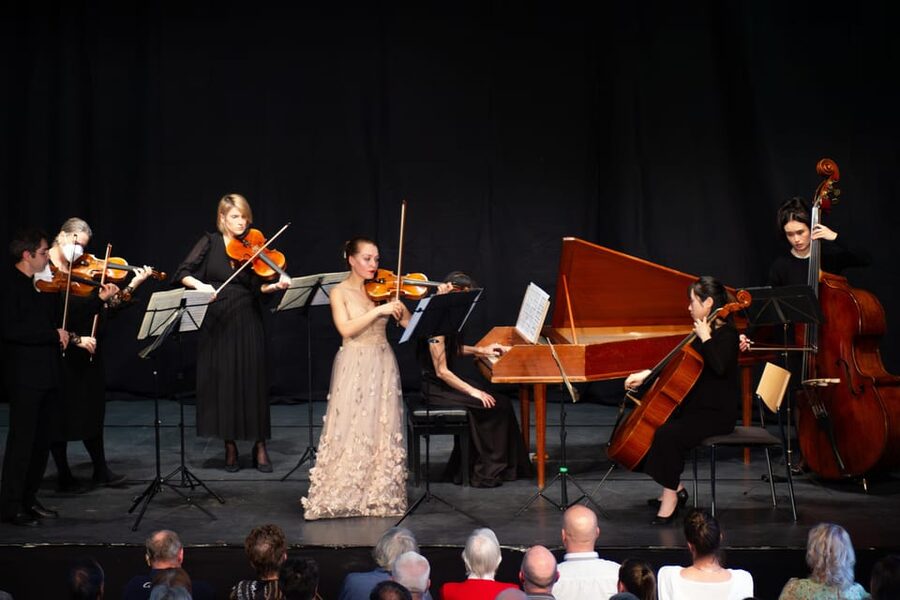
At $33 per person, the price is reasonable if you value both music and setting. You receive a 90-minute concert plus free museum admission. The value improves when you choose a program that matches your taste, since the calendar ranges from specialized Bach sonatas to accessible vocal selections.
I would not judge the price only by the length of the performance. A concert in a palace hall offers a different kind of evening from a casual bar or a large modern auditorium. The museum entry gives you something else to do before or after the music, though the available information does not specify how long you should plan for the museum.
The strongest value comes from pairing the ticket with a program you genuinely want to hear. If you are only mildly interested in classical music, the palace setting and museum may not be enough to justify $33. If you already enjoy Mozart, Bach, Schubert, opera, or chamber music, the cost is easier to defend.
Practical comfort and concert etiquette
The hall is wheelchair accessible, which is useful if step-free access matters to you. The meeting point is the Aurora Hall, so your ticket information should be kept handy for the exact venue details.
Audio recording is not allowed. Plan to listen without recording clips on your phone. Alcohol and drugs are also prohibited, a straightforward rule for a formal cultural venue.
Some content is shown in its original language. That matters most for the vocal programs: Romantic duets, Mozart songs and arias, Schubert, and Iberian sounds. You can still enjoy the voices and music without knowing every word, but you should not book these dates expecting a translated musical theater production.
Temperature deserves attention. A visit on September 2, 2025 received a positive response for the music but raised a specific comfort problem: the room had no refrigeration, and it became excessively hot. That does not tell you how every date will feel, but it is a useful warning for warm weather. Dress with comfort in mind rather than treating the evening as a strict formal occasion.
There was also a serious event reliability problem on May 27, 2025, when a paid booking was reported as not taking place and no follow-up had arrived at the time of the complaint. Because of that, I would confirm the selected date and event status close to the performance, especially if you are arranging other plans around it.
How to choose the right date
Start with the kind of concert you want, then consider the venue and museum as added value.
Choose Mozart piano works on March 8 or April 4 if you want a concentrated solo recital. Choose April 5 for four-hand piano and a more unusual format.
Choose vocal music on February 15, March 22, May 1, or May 31. The February program focuses on Romantic duets, March 22 combines Mozart songs, arias, and duets, May 1 centers on Schubert with baritone, and May 31 pairs soprano with guitar in Iberian music.
Choose early music on April 3 or May 10. Recorder and harpsichord on April 3 connect well with the Frederick the Great theme, while Bach violin sonatas on May 10 offer a focused violin and harpsichord pairing.
Choose a reflective concert on March 29 for The Seven Last Words of the Savior on the Cross. The subject is weightier, so it will suit you better than a light or purely entertaining program if you enjoy sacred repertoire.
The performers can also guide your choice. Maria-Magdalena Pitu-Jokisch appears in several programs, including Mozart piano, four-hand piano, Schubert, and dreamlike piano music. Inês Pinto appears in the Romantic duets and Iberian sounds. Yuko Tomeda appears on harpsichord in the Frederick the Great and Bach programs.
Who will get the most from this evening?
I would recommend the concert series to you if you want a manageable classical experience in Berlin rather than a large, formal night at the opera. The 90-minute length is approachable, and the many program choices make it easier to find a style that suits you.
It works especially well for a museum-and-music outing. You can hear a focused performance and also use the included museum admission, giving the visit more substance than a standalone recital.
It may be less suitable if you need guaranteed cool temperatures in warm weather, want every vocal text translated, or expect a staged opera with scenery and costumes. The event is centered on music in the Aurora Hall, not on a full theatrical production.
The cancellation policy gives you some flexibility: you can cancel up to 24 hours in advance for a full refund, and reserve now while paying later. Those terms are useful when your Berlin schedule is still moving, but they do not remove the need to confirm that your chosen event is proceeding.
Should you book Köpenick Palace’s Aurora Hall concert?
Book it if you like classical music and want the room, the palace museum, and a choice of focused programs for $33. I would choose a date by composer or format, not simply by availability. The May 10 Bach program, April 3 recorder and harpsichord program, and May 31 Iberian program offer particularly distinct musical identities.
Approach it with practical expectations. You are getting a 90-minute concert, not a full opera production, and warm-weather comfort may be uneven. Confirm the event close to the date, avoid bringing plans that depend on recording, and allow time to use the included museum admission.
FAQ
Where does the concert take place?
The concert takes place in the Aurora Hall at Köpenick Palace in Berlin.
How long is the concert?
The concert lasts 90 minutes.
How much does admission cost?
The listed price is $33 per person.
Is museum admission included?
Yes. Free museum admission is included with the concert ticket.
Is the venue wheelchair accessible?
Yes, the activity is described as wheelchair accessible.
Can I cancel my booking?
Yes. You can cancel up to 24 hours in advance for a full refund.
Can I pay later?
Yes. The reserve now and pay later option lets you book without paying immediately.
Are audio recordings allowed?
No. Audio recording is not allowed.
Just added around Berlin
- Skip-the-line Charlottenburg Palace Private Tour & Transfers★ 5.0 · 6 reviews
- From Berlin: Potsdam Highlights & Sanssouci half day Walking Tour★ 4.5 · 60 reviews
- Private taxi tour to Potsdam and Sanssouci 6-8h★ 5.0 · 30 reviews
- Potsdam Palaces Private Tour -Sanssouci Palace entrance included!★ 5.0 · 3 reviews
- Potsdam: Private Walking Tour – Time for Palace Entries Included!★ 5.0 · 2 reviews
- Sanssouci & Postdam Private Tour from Berlin – English or Español★ 5.0 · 3 reviews
- Berlin: Potsdam & Sanssouci Gardens Private Tour With Jacob★ 4.8 · 8 reviews
- From Berlin: Potsdam & Sanssouci half day Walking Tour★ 4.9 · 85 reviews
Berlin Palace Tours, compared.
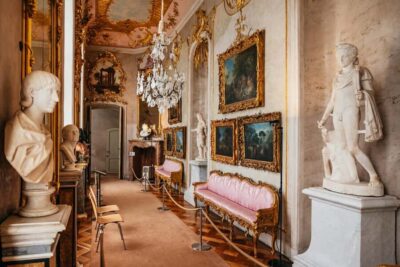

Potsdam Tour from Berlin With Guided Sanssouci Palace Visit
Read our review →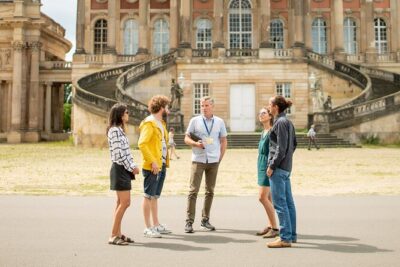
Small group Potsdam: A Journey Through History and Palaces
Read our review →Small group Potsdam: A Journey Through History and Palaces
Read our review →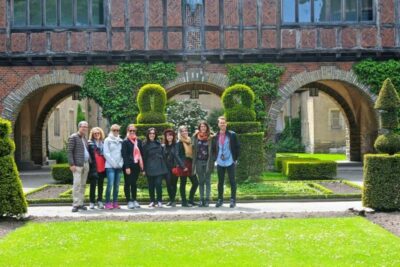
Potsdam Highlights & Sanssouci half day Walking Tour
Read our review →Browse the lists this tour appears in