
REVIEW · FORBIDDEN CITY TOURS
Hue Imperial City Walking Tour: Citadel & Forbidden City
Hue’s Imperial City is easy to admire and surprisingly easy to misunderstand. This two-and-a-half-hour walk puts the grand gates, royal halls, ancestral temples, and Forbidden Purple City into a clear story about Vietnam’s Nguyen dynasty.
I like the small group size, capped at eight, and the way the route covers both famous sights and quieter corners. I also like the range of guides, including Matthew, Ngoc, Linh, Hoa, Sue, Florence, and Xi, who bring different personal angles to the palace story. The main catch is simple: the 200,000 VND entrance fee is extra for the group tour.
Key points
- Small groups capped at eight: You should be able to hear the guide and ask questions without shouting across a crowd.
- A full route through the citadel: The walk includes Ngo Mon Gate, Thai Hoa Palace, the dynastic urns, The Mieu Temple, the Forbidden Purple City, Kien Trung Palace, and royal gardens.
- Strong focus on stories: The best guides explain court rituals, palace life, royal family roles, and the Nguyen emperors rather than naming buildings only.
- Kien Trung Palace is newly restored: This gives the route a useful link between Hue’s past and its ongoing repair work.
- Entry costs extra on group tours: The $9 tour price does not include the Imperial City ticket, which costs 200,000 VND per person.
- Several formats are available: You can choose a family-friendly, private, sunrise, sunset, or meal option, depending on the booking choice.
Why a guide helps inside Hue’s Imperial City
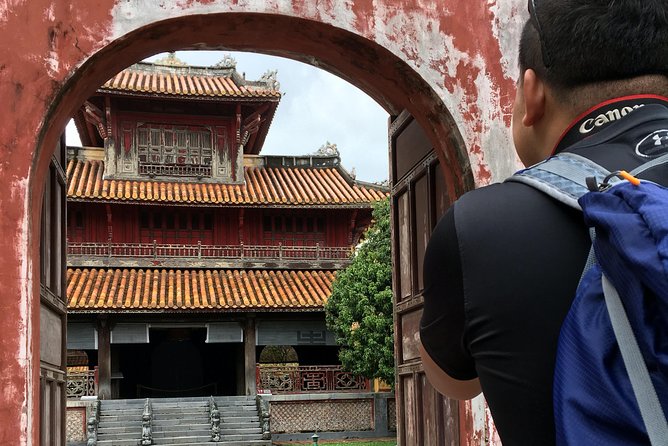
Hue’s Imperial City is not just one palace. It is a large walled compound with gates, ceremonial halls, temples, gardens, residences, and remnants of the Forbidden Purple City. Without context, you may see handsome timber buildings and bright roofs but miss who used them and why they mattered.
The Imperial City was the political heart of the Nguyen dynasty, Vietnam’s last royal dynasty. The route begins with public ceremony and gradually moves toward spaces reserved for the emperor and his family. That progression gives the walk a useful shape: power at the gate, ritual in the palace, ancestral memory in the temples, and private life deeper inside.
I find this especially useful at sites where restoration is uneven. Some parts feel grand and complete, while others show damage, rebuilding, or open grounds. A good guide explains what you are looking at instead of leaving you to guess which sections are original, repaired, or missing.
The most praised guides in this experience are often described as clear storytellers. Matthew is frequently singled out for his command of Nguyen dynasty history, calm manner, and willingness to answer questions. Ngoc is praised for combining enthusiasm with facts, while Linh is noted for helping the group navigate the large compound. Your guide is not guaranteed to be one of these people, but the repeated praise gives you a useful sense of the standard to hope for.
More Forbidden City tours in the world:
- Beijing: Forbidden City Tour(Group/Private)-Tickets Included
★ 4.8 · 7,974 reviews - Beijing: T-Square & Forbidden City Group or Private Tour
★ 4.8 · 4,446 reviews - All-Inclusive Tour: Tiananmen Square, Forbidden City, Great Wall
★ 5.0 · 2,873 reviews
Starting at Ngo Mon Gate, Hue’s ceremonial front door
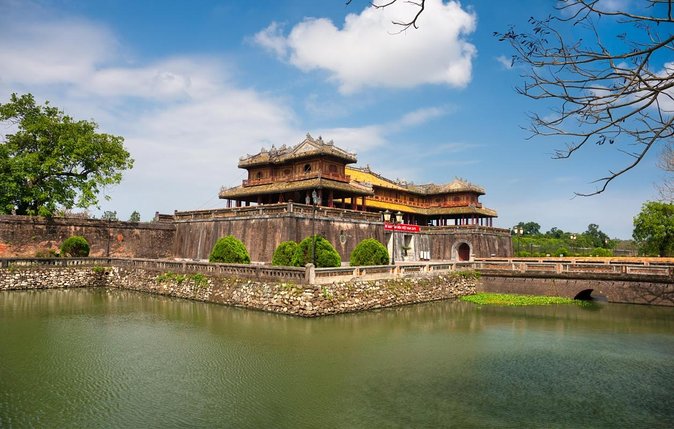
The meeting point is on Hai Mươi Ba Tháng Tám, near the Imperial City. From there, the walk begins at Ngo Mon Gate, also called the Noon Gate, the monumental entrance used for royal ceremonies and major events during the Nguyen period.
You get about 10 minutes here. That may sound brief, but it is enough to establish the basic idea of the citadel and explain why the gate mattered. This was not simply an entrance for anyone who happened to be passing by. Its position and design reflected the emperor’s authority.
Ngo Mon Gate is also a good place for photographs. Give yourself a moment to look up and study the layered roofline before the group moves on. The guide’s explanation should help you see the gate as part of the court system, not just as an attractive backdrop.
Thai Hoa Palace and the rules of royal ceremony
The next major stop is Thai Hoa Palace, the key ceremonial hall of the Imperial City. You spend about 25 minutes here, making it one of the longer stops on the route.
This is where the tour’s focus on ritual becomes clear. Emperors held court sessions and coronations here, and the building’s design supported a strict order of rank and behavior. Your guide can explain how royal ceremonies worked, where authority was displayed, and why the hall mattered even to people who never entered it.
I would pay close attention to the architecture here. The point is not only to admire carved wood, painted details, and the formal layout. The building was designed to make hierarchy visible. Once you understand that, the hall feels less like a museum room and more like a working stage for government.
The tour does not linger endlessly. That is helpful in Hue’s heat, though anyone with a strong interest in architecture may want extra time later to look more closely.
Hien Lam Pavilion and the Nine Dynastic Urns
The route then turns toward Hien Lam Pavilion, a structure more than 200 years old that honors the Nguyen emperors. You spend around 10 minutes here.
This stop works well because it shifts the mood from active court ceremony to memory and commemoration. Your guide explains the pavilion’s cultural role and points out surviving original elements. I like this kind of stop because it reminds you that royal architecture was built to preserve a dynasty’s reputation, not only to serve daily needs.
Nearby, the Nine Dynastic Urns represent the nine Nguyen emperors. These large bronze vessels are more than decorative objects. Their number and placement connect them to the dynasty’s line of rulers and its claim to continuity.
Expect another 10-minute explanation here. The urns are impressive in person, but their meaning can be easy to miss if you are only taking pictures. Ask about the symbols and the connection between the urns and the ancestral temple. That question should lead naturally into the next part of the walk.
More royal castle tours in the world:
- Prague: Prague Castle and Lobkowicz Palace Entry Tickets
★ 4.4 · 5,066 reviews - Koblenz: Rhine Valley Castles and Palaces Boat Tour
★ 4.4 · 1,824 reviews - Neuschwanstein Castle and Linderhof Palace Day Trip from Munich
★ 4.5 · 1,756 reviews - Prague Castle: Midday Classical Concert at Lobkowicz Palace
★ 4.6 · 1,106 reviews
The Mieu Temple and Nguyen royal ancestors
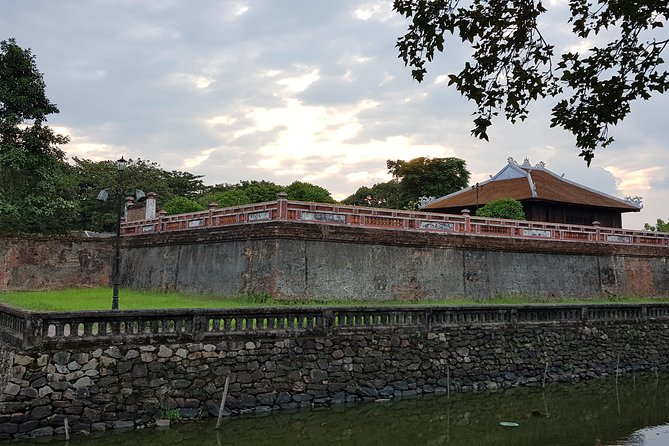
The Mieu Temple is dedicated to past Nguyen kings. The tour gives you about 10 minutes to see this sacred royal space and understand how the dynasty honored its own rulers.
This is one of the stops where a guide adds real value. A temple can look quiet and formal, but its purpose is tied to royal legitimacy, family duty, and state ceremony. The guide helps connect the building to the wider role of ancestor worship in the palace.
You may find the explanation especially useful if you want to understand the Nguyen court as a family system, not just a line of emperors. The tour’s wider discussion includes royal wives, children, officials, and the duties attached to each role. One guide, Hoa, is particularly praised for explaining palace life from a woman’s point of view, an angle that can add welcome balance to a story often centered on emperors.
Chuong Duc Gate and the women’s side of court life
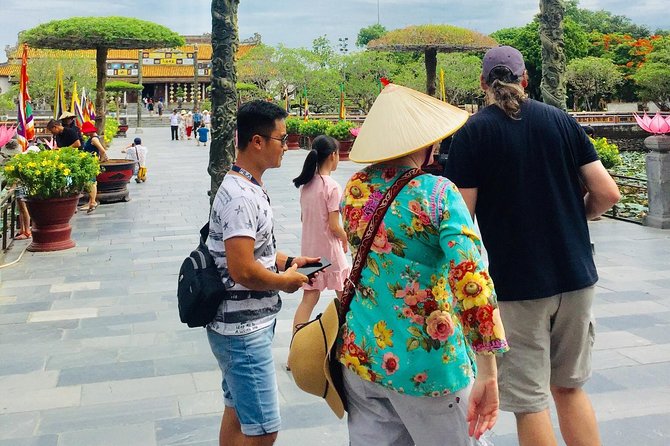
Chuong Duc Gate is one of the four gates of the Imperial City and was reserved for women. The stop lasts about 10 minutes.
This detail gives you a sharper sense of how carefully movement was controlled inside the palace grounds. Gates were not interchangeable holes in a wall. They helped separate functions, rank, and groups within the court.
I would not expect a long architectural lecture here. The value is in the social detail. The gate opens a discussion about how women, royal family members, servants, and officials moved through the palace system. It also breaks up the better-known sequence of emperors and ceremonies with a glimpse of daily rules.
Entering the Forbidden Purple City
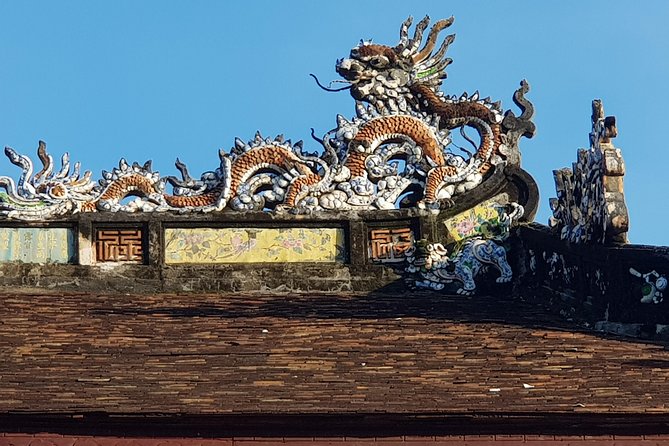
The tour next reaches what is described as the Hue Royal Palace, or the Forbidden Purple City. This was the third enclosure within the Imperial City and was reserved for the emperor’s family, including wives and children.
You spend around 20 minutes in this area. The name can create expectations of a single intact palace, but the Forbidden Purple City is better understood as a residential and administrative zone with many structures. Some areas have been lost or damaged, while other parts are being restored.
This is where the walking format helps. The guide can point out the relationship between the enclosures and explain who was allowed into each part. You begin to see the Imperial City as a controlled sequence of public, official, and private spaces.
Several guides are praised for bringing palace life to life through stories about emperors and their families. Matthew, in particular, is often noted for answering detailed questions and placing the Nguyen dynasty within the wider story of Vietnam. That broader context matters. You learn not only what each building was called, but why the court operated as it did.
Kien Trung Palace and the work of restoration
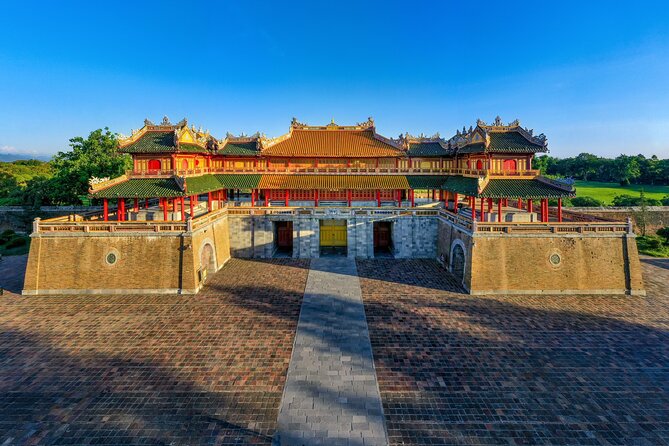
Kien Trung Palace receives about 20 minutes and is one of the most useful stops for understanding Hue today. The palace has recently reopened after years of careful reconstruction.
A restored building can never offer exactly the same experience as an untouched one, so I appreciate having a guide explain what you are seeing. Kien Trung Palace lets you compare the visual grandeur of imperial design with the long work required to repair and present it.
The palace represents the residential side of royal life, in contrast to the formal court setting of Thai Hoa Palace. Look for the shift in mood and function as you move through the route. Earlier, the focus was public authority. Here, the setting feels closer to the emperor’s private world.
The restoration also gives you a reason to visit even if you have seen photographs of the Imperial City before. Hue is not frozen in one historical moment. Important buildings are still being brought back into use as part of the visitor experience.
Thai Binh Pavilion and the royal garden
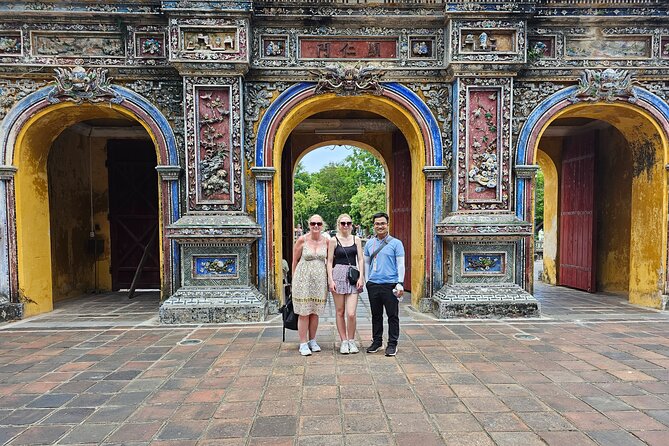
Thai Binh Pavilion, or Thai Binh Lau, was a place where the king read books and enjoyed the view. You spend about 10 minutes here.
This smaller stop provides a welcome change from the heavy ceremonial spaces. It suggests that palace life included study, quiet, and leisure, even within a system built around duty and protocol.
From there, the route continues to Thieu Phuong Garden, also called the Royal Garden. The grounds have been restored with carefully arranged scenery and were used by the king and his family for walks and recreation.
The garden stop lasts about 10 minutes. It is a good place to slow down and take photographs, but the real interest is the change in purpose. Royal gardens were not just pleasant outdoor spaces. They formed part of the court’s private world and helped separate family life from official ceremony.
If the day is hot, these stops may feel more comfortable than the broad ceremonial courtyards, though you should still expect a fair amount of walking outdoors.
Ending at Hien Nhon Gate
The tour ends at Hien Nhon Gate, which was used by mandarins. This final stop lasts about 10 minutes and offers one more view of how access to the Imperial City was organized.
Ending at a gate used by officials makes sense. You have moved from the emperor’s public entrance to the inner palace and then back toward the administrative world of mandarins. It gives the route a clear closing point rather than leaving you somewhere random inside the compound.
The listed end point is 46 Dinh Cong Trang in Hue. Check your onward plans before starting, since the tour is a walking route and does not include a ride back to your hotel.
What the $9 price really covers
The advertised price is $9 per person, which is a low starting cost for a guided visit lasting about two and a half hours. The group tour does not include the Imperial City entrance fee, however. You pay 200,000 VND per person at the site.
That means the real cost is the tour price plus admission. The operator leaves the entry ticket out because you may prefer a combo ticket covering the Citadel and royal tombs. If you plan to see several tombs, compare that combo option before buying a separate ticket.
Private tour options include the Imperial City entrance ticket, according to the booking information. That makes the private price harder to compare directly with the $9 group rate. For most people, the small group is the better value if you want guidance without paying for a fully private visit.
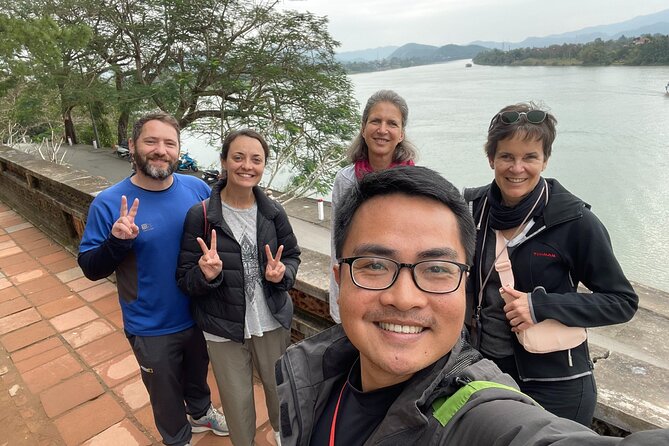
The group can have no more than eight people. That is small enough for personal questions and easier listening, while still keeping the cost down. Some departures may be even smaller. A few people have ended up with what felt like a private tour when sign-ups were limited, but you should treat that as a possible bonus, not a promise.
Heat, timing, and what to bring
The tour lasts about 2 hours and 30 minutes, with most of that time spent walking between buildings. Hue can be hot, and one of the most useful habits is to bring water, wear comfortable shoes, and use sun protection.
The route includes large open areas and outdoor courtyards. A good guide should monitor the group’s comfort, and Matthew is specifically praised for doing so on hot days, but you remain responsible for preparing for the weather.
The experience requires good weather. If poor weather causes cancellation, you can receive a different date or a full refund. You can cancel for a full refund up to 24 hours before the start time. Inside that window, refunds are not available and changes are not accepted.
Most people can take part, and the meeting point is near public transportation. The tour does not include meals, and tips for the guide are optional.
Who will get the most from this walk
I would choose this tour if you care about history, architecture, royal customs, or the human stories behind formal buildings. It is also a smart choice if you have only one morning or afternoon in Hue and want the main Imperial City sights arranged into a sensible route.
Families can consider the family-friendly option. The standard walk also suits a 12-year-old who can manage the distance and listen to explanations, especially since the route mixes stories, photographs, and open spaces.
You may prefer to explore alone if you want complete freedom to linger at every building or wander without a set pace. The two-and-a-half-hour route covers a lot, so some stops are necessarily brief. The quality of the day also depends on the guide assigned. Most feedback praises clear English, strong subject knowledge, and lively storytelling, but one account describes a guide who offered limited information and spent time on a phone. That appears to be an exception, but it is worth keeping in mind.
Should you book the Hue Imperial City walking tour?
I would book it if this is your first visit to Hue or if you want the Imperial City to make sense rather than simply look impressive. The combination of a small group, a broad route, and guides such as Matthew, Ngoc, Linh, Hoa, and others gives you a good chance of hearing useful stories without paying private-tour prices.
Budget for the separate 200,000 VND entry fee, and leave extra time afterward if you want to explore on your own. Book a private option if you want the ticket included and more control over the pace. For most visitors with a genuine interest in Hue’s royal past, the group walk offers strong value and turns a huge compound into a readable, memorable place.
FAQ
How long does the Hue Imperial City walking tour last?
The tour lasts approximately 2 hours and 30 minutes.
How many people can join the group?
The group tour has a maximum of eight people.
Is the Imperial City entrance fee included?
No. The group tour does not include admission. The Imperial City entrance fee is 200,000 VND per person. The entrance ticket is included with the private tour option.
What places are included on the route?
The route includes Ngo Mon Gate, Thai Hoa Palace, Hien Lam Pavilion, the Nine Dynastic Urns, The Mieu Temple, Chuong Duc Gate, the Forbidden Purple City, Kien Trung Palace, Thai Binh Pavilion, Thieu Phuong Garden, and Hien Nhon Gate.
Who might guide the tour?
The guide depends on the departure. Guides associated with this experience include Matthew, Ngoc, Linh, Hoa, Sue, Florence, and Xi.
Can I cancel for a full refund?
Yes. You can cancel at least 24 hours before the start time for a full refund. Cancellations within 24 hours are not refunded.
What happens if bad weather cancels the tour?
If poor weather causes cancellation, you are offered a different date or a full refund.
More Walking Tours Past the Palaces in the world
- Venice: Doge’s Palace and St Mark’s Basilica Walking Tour
★ 4.4 · 6,291 reviews - Split: Old Town and Diocletian Palace Walking Tour
★ 4.9 · 4,727 reviews - Walking Tour of Split and Diocletian’s Palace
★ 5.0 · 2,588 reviews - Bangkok: Grand Palace and Wat Phra Kaew Guided Walking Tour
★ 4.4 · 2,417 reviews
Just added around the world
- Pitti Palace and Palatina Gallery★ 4.0 · 41 reviews
- Pitti Palace Small Group Tour★ 5.0 · 6 reviews
- Private Guided Tour of Palazzo Vecchio in Florence★ 3.5 · 4 reviews
- Florence: Palazzo Vecchio Skip the line Entry ticket★ 4.0 · 49 reviews
- Pitti Palace: The Royal Palace of Florence★ 4.5 · 12 reviews
- PALAZZO VECCHIO Private tour in Florence★ 5.0 · 35 reviews
- Private Tour of Pitti Palace with Boboli Garden★ 5.0 · 28 reviews
- Pitti Palace and Palatine Gallery: A Royal Art and History Tour★ 4.5 · 42 reviews
Forbidden City Tours, compared.
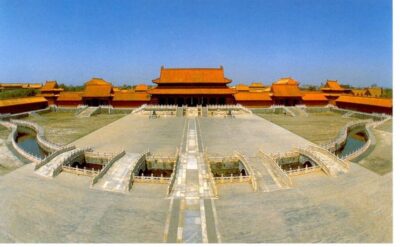
Forbidden City Tour(Group/Private)-Tickets Included
Read our review →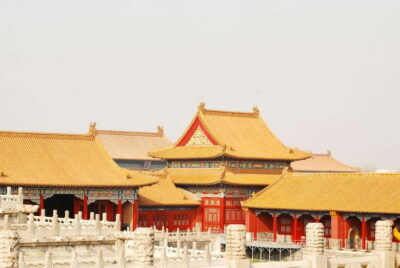
T-Square & Forbidden City Group or Private Tour
Read our review →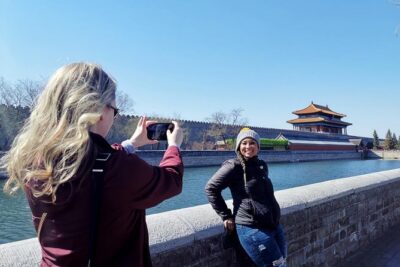
All-Inclusive Tour: Tiananmen Square, Forbidden City, Great Wall
Read our review →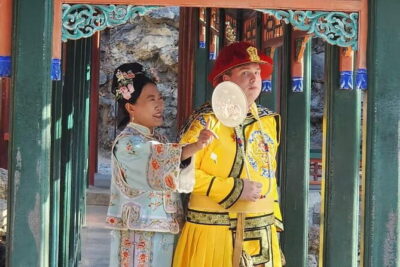
4-Hour Small Group Tour to Forbidden City with Entry Tickets
Read our review →
Beijing Full Day Tours: Tiananmen Sq, Forbidden City, Great Wall
Read our review →
Tianmen Square, Forbidden City & Royal Museum Tours
Read our review →
Beijing Forbidden City Ticket Booking (Optional: guide service)
Read our review →
Forbidden City and Tian’anmen Square Waking Tour
Read our review →Browse the lists this tour appears in