
REVIEW · ITALIAN PALAZZO TOURS
Rome: Palazzo Braschi Reserved Entrance Ticket
Palazzo Braschi gives you a polished look at Rome’s city museum, housed in an 18th-century palace beside Piazza Navona. The grand entrance staircase is a genuine highlight, and the collection of art, photographs, and statues helps you see Rome as a lived-in city, not just a collection of ancient ruins.
I like the reserved entrance, which saves you from dealing with a standard ticket line, and I like the setting. You are right in the middle of central Rome, close to the Pantheon, Trevi Fountain, and Piazza Navona. The main drawback is the short one-hour duration and some confusing wording about the audio-guided city walk and optional museums.
Key points to know
- Palazzo Braschi sits beside Piazza Navona, making it easy to pair with Rome’s best-known central sights.
- The monumental entrance staircase is one of the building’s most memorable features.
- The ticket lasts about one hour, so this is a focused museum visit rather than a long afternoon activity.
- The English city app audioguide may also refer you to Piazza Navona, the Pantheon, and Trevi Fountain.
- Temporary exhibitions cost extra, so do not assume every gallery is included.
- You must exchange your voucher for the official ticket at the Touristation office at Piazza Navona 25.
Palazzo Braschi, Rome’s museum in a former palace
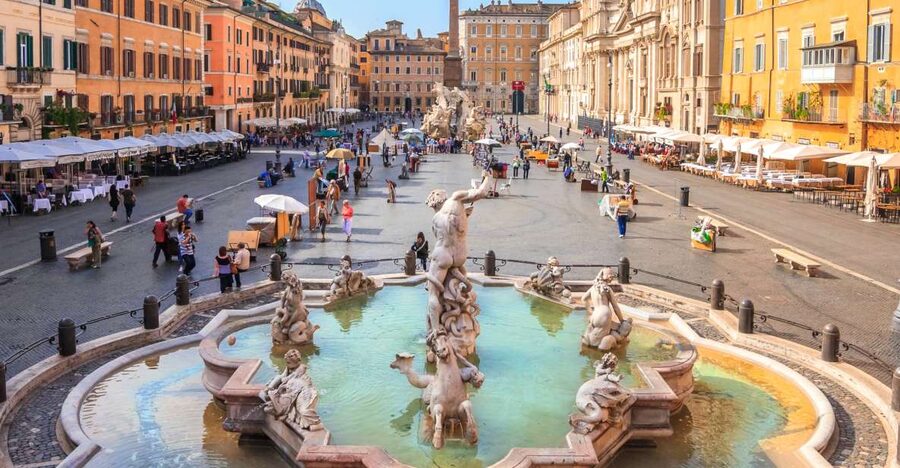
The Museum of Rome at Palazzo Braschi occupies an impressive palace designed by Cosimo Morelli in the 18th century. Its location is unusually convenient: the building rises on Piazza Navona, one of Rome’s most famous public spaces.
That setting matters. You can look at the city from inside a museum, then step outside and see the real square that gives the visit its sense of place. Palazzo Braschi is not an isolated art institution reached by a special trip across town. It is part of a walking day in central Rome.
The collection covers art, photographs, and statues connected with Rome. The exact displays can change, and temporary exhibitions are not included in the basic ticket. You should think of this as a museum about Rome’s visual and civic life, rather than a replacement for the Vatican Museums or the Borghese Gallery.
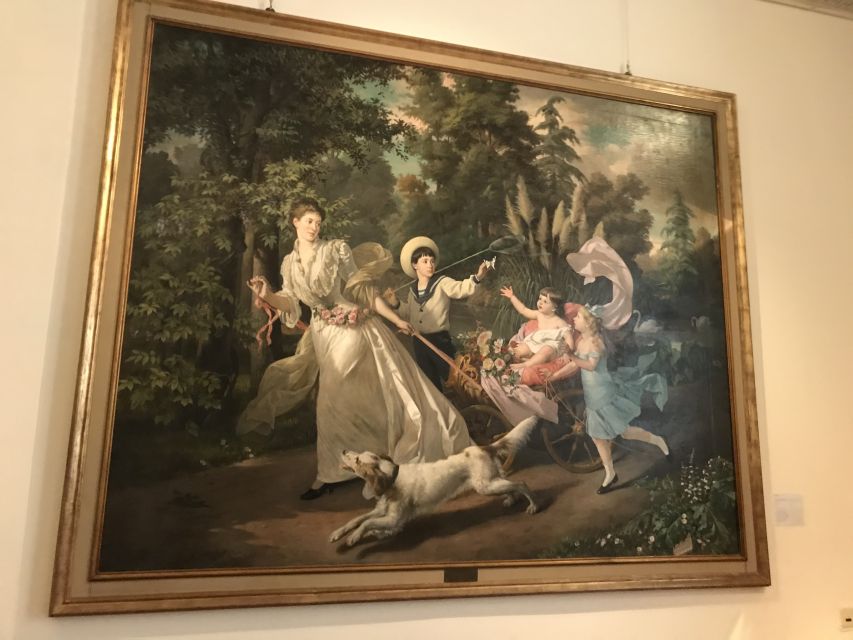
I especially like the way the building itself begins the visit. The monumental staircase at the entrance makes a strong first impression. One past visitor called it surprising, and that is a fair description: even if you are unsure how much time you want to spend with the collection, the palace interior gives you something worthwhile before you reach the galleries.
More Palazzo Tours in Rome
- Rome: Opera Concert at Palazzo Poli – Fontana di Trevi
★ 4.7 · 1,026 reviews - The Great Opera Arias Concert at Palazzo Poli – Trevi Fountain
★ 5.0 · 533 reviews - Rome: Palazzo Barberini Galleria Corsini Ticket & Audioguide
★ 3.9 · 322 reviews
The monumental staircase is part of the experience
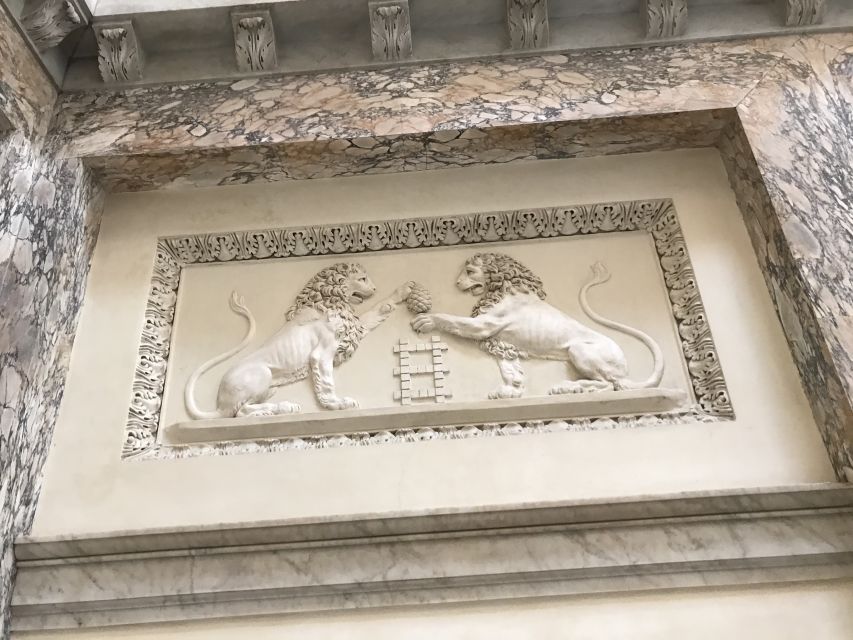
The entrance is more than a checkpoint. Palazzo Braschi’s grand staircase gives the visit a formal start, with the architecture setting the tone before you see the art.
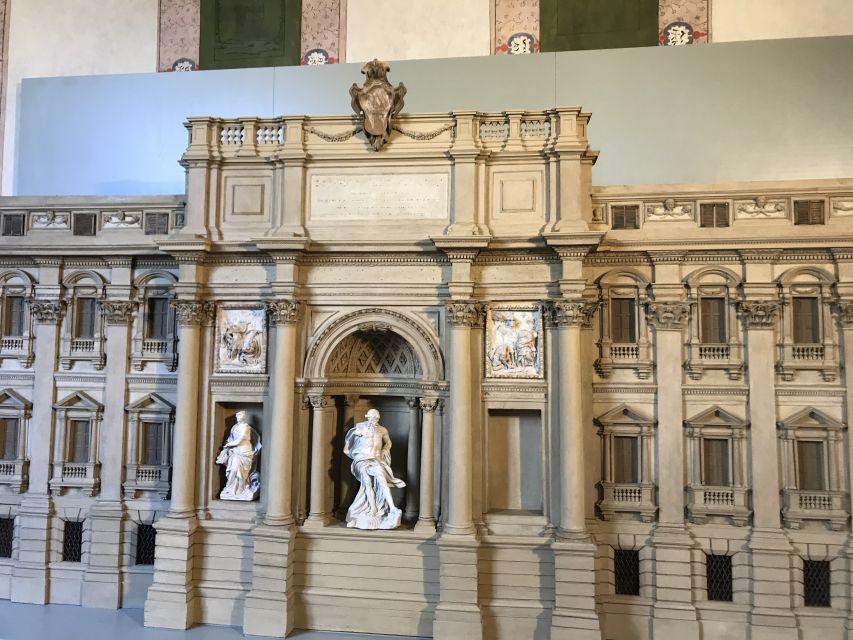
Cosimo Morelli’s 18th-century design reflects the kind of palace architecture that makes Rome feel layered. Ancient temples, Renaissance churches, Baroque fountains, and later civic buildings often sit within a few minutes of one another. Here, you get that contrast in a single stop.
You should allow a little time to look up and around as you enter. The supplied visit length is only one hour, but rushing through the staircase would miss one of the building’s clearest attractions.
This is also a useful stop if you like taking photographs. The experience specifically highlights photo opportunities, including views and images of Rome’s city center. Be sensible with photography rules inside the museum, since individual galleries may have their own restrictions.
What you can see inside the Museum of Rome
The museum presents a collection of art, photographs, and statues. These categories give you several ways into the city’s story.
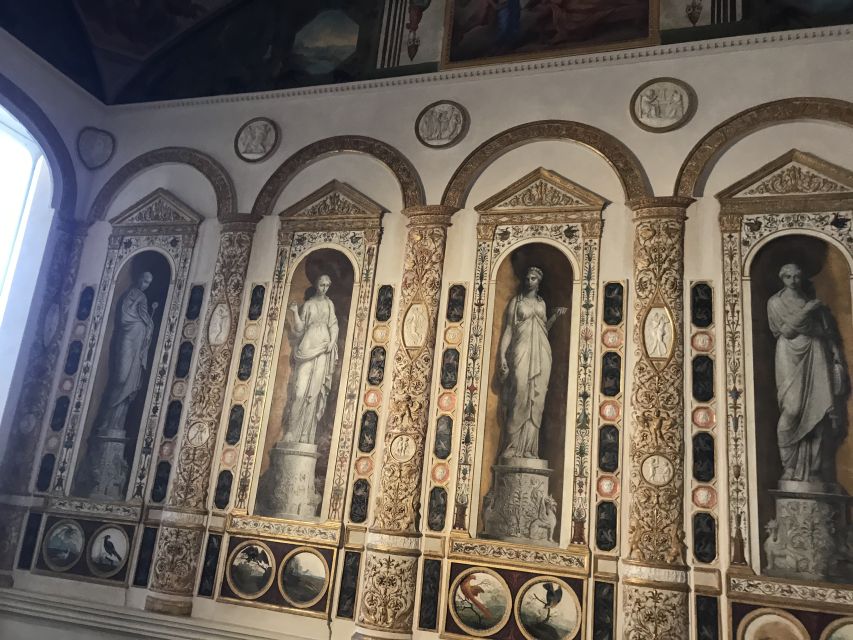
Paintings and other artworks can show how Rome has pictured itself across different periods. Photographs offer a more direct record of streets, buildings, public events, and changing daily life. Statues connect the museum to the city’s long artistic tradition.
The result may suit you if you want context between major sightseeing stops. Ancient Rome is often the focus of a first visit, but the city continued to change long after the Roman Empire. A museum devoted to Rome helps fill in some of those later chapters.
I would not book this ticket expecting a huge collection that requires half a day. The planned duration is one hour, which suggests a compact visit. That can be a plus when you have a crowded Rome schedule, but it may feel too brief if you prefer to read every label or study each gallery at length.
One very negative assessment described the museum as having nothing interesting. That reaction is possible if your main goal is famous masterpieces or ancient monuments. Palazzo Braschi is a more specialized stop, and its appeal depends on your interest in Rome’s urban art, photographs, and palace setting.
Piazza Navona gives the museum context
The museum’s location beside Piazza Navona is one of its strongest practical advantages. You can combine the ticket with an outdoor look at the square without adding transport time.
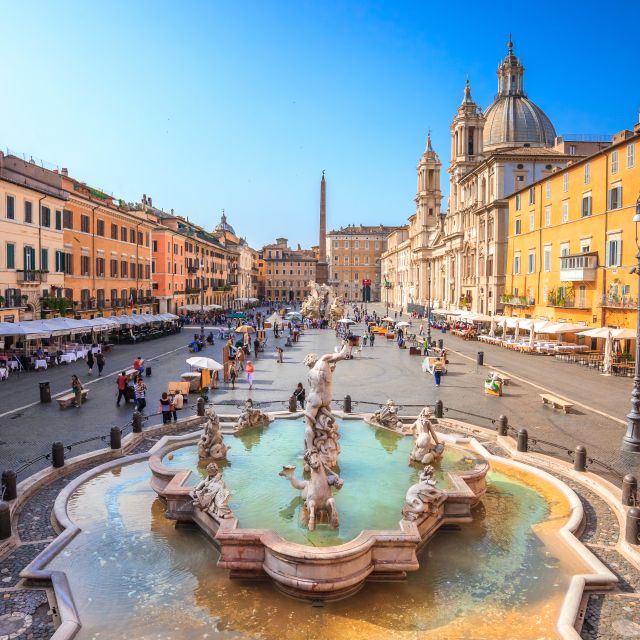
Piazza Navona occupies the shape of an ancient Roman stadium, although the experience details do not promise a formal archaeological explanation of that layout. What you will see today is a long public square framed by buildings, fountains, and cafes, with Bernini’s Fountain of the Four Rivers as its best-known centerpiece.
The city audio guide is designed to help you take in this area. It also points toward the Pantheon and Trevi Fountain, so you can use it as part of a self-guided central Rome route. The materials describe the guide as a professional English audio guide and identify a city app audioguide among the inclusions.
That wording is important. The core product is the reserved Palazzo Braschi ticket. The audio content adds city sightseeing, but you should not assume that a staff member will lead you on a full walking tour. A host or greeter is listed, while the included guide is an app. Confirm the exact format and language when selecting your option.
Same city, a very different set of state rooms:
- Tivoli Full Day Trip from Rome: Hadrian’s Villa and Villa D’Este
★ 4.5 · 1,730 reviews - Hadrian’s Villa and Villa d’Este Half-Day Trip from Rome
★ 3.5 · 808 reviews - Rome: Colonna Palace Entry Ticket
★ 4.8 · 609 reviews - Colosseum Underground, Roman Forum & Cesar Palace Special Access
★ 4.5 · 421 reviews
The Pantheon and Trevi Fountain audio route
The audio guide section refers to an outside visit to the Pantheon. This means you should expect to see the building from the square rather than enter it as part of this ticket.
The Pantheon is one of Rome’s most recognizable ancient buildings and is described in the activity material as one of the best-preserved ancient temples in the world. Michelangelo admired its design, calling it angelic rather than human in origin. The guide uses this kind of story to connect the monument’s structure with the people who studied and admired it later.
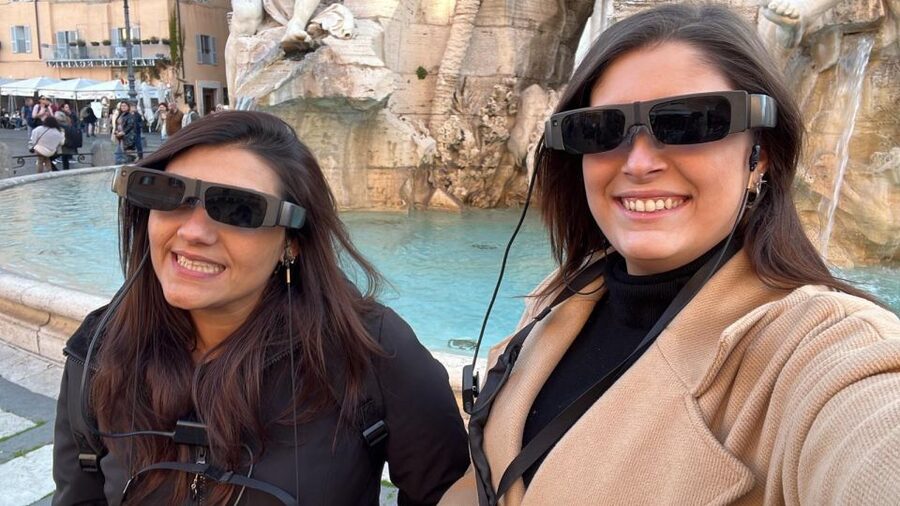
The route also includes the Trevi Fountain. It is Rome’s largest and most famous fountain, and the familiar coin tradition is part of the audio guide’s presentation. You can toss a coin to express the hope of returning to Rome, while the guide explains some of the fountain’s stories.
These sights are excellent additions if you want a quick orientation to central Rome. They are not, however, the same thing as museum admission. The included information combines Palazzo Braschi with city highlights, so read the option details carefully before booking if your main purpose is the Pantheon or Trevi Fountain.
Optional combinations with Palazzo Venezia or the Capitoline Museums
The experience information also refers to options involving the panoramic glass elevator, Palazzo Venezia and the Risorgimento Museum, or the Capitoline Museums.
These are not all necessarily part of the basic Palazzo Braschi ticket. The wording indicates that you should select the option that fits your plans. Check the exact package before payment, especially if you are choosing this experience because of one particular museum.
The Capitoline Museums deserve special attention. They are described as the world’s first museum opened to the public, in 1734. That makes the option appealing for anyone who wants to extend a museum-focused day beyond Palazzo Braschi.
The panoramic glass elevator and Palazzo Venezia combination offers a different kind of visit, focused more on city views and national history. Since the exact inclusions depend on the option, I would compare the choices by asking one simple question: do you want a short visit centered on Palazzo Braschi, or a longer sightseeing plan with extra institutions?
Is the $37 price good value?
At $37 per person, this is not a cheap museum ticket. The value depends on how much you want the reserved entry and the added audio material.
For a one-hour visit, the price is high if you are buying only admission and expect a large museum experience. The collection is specialized, the visit is short, and temporary exhibitions are excluded. Someone focused on Rome’s major masterpieces may find better value elsewhere.
The price makes more sense if you value convenience in the center of Rome. You get a reserved entrance, a city app audioguide, and a location beside Piazza Navona. If an option also includes another museum or attraction, the calculation changes, but you need to confirm exactly what is included.
I would also factor in your schedule. A ticket near Piazza Navona can fit neatly between the Pantheon and Trevi Fountain. You do not need to dedicate an entire morning, and the one-hour format may help you avoid overloading your day with long museum visits.
The strongest reason to pay is not quantity. It is the combination of palace architecture, a focused collection, and a central location. If those three things appeal to you, the ticket can be practical. If you simply want the biggest name in Roman art, it is less convincing.
Meeting point and the detail that can cause trouble
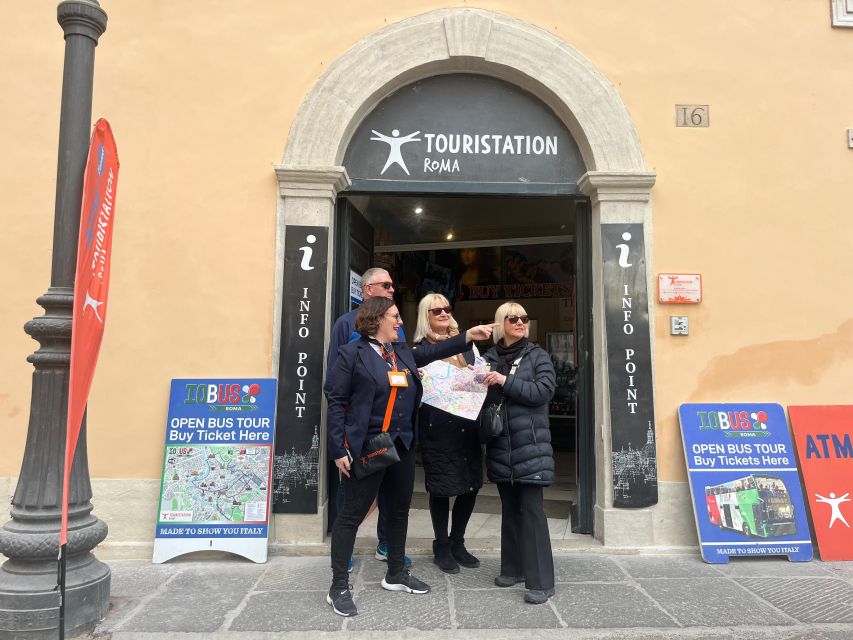
Your voucher is not the official museum ticket. You must collect the entrance ticket at the Touristation office at Piazza Navona 25.
This is the most important logistics detail. Do not walk straight to Palazzo Braschi expecting the voucher on your phone to work at the door. Build in time to reach the office, collect the official ticket, and then continue to the museum.
Bring your passport or ID card. Comfortable shoes are sensible because the experience includes city walking connected with the audio guide. Pets, weapons, sharp objects, luggage, and large bags are not allowed.
The activity is not suitable for wheelchair users or people with mobility impairments. If stairs or extended walking are a concern, this limitation deserves serious attention before you reserve.
Free cancellation is available up to 24 hours before the scheduled time, and you can reserve now and pay later. Those terms help if your Rome plans are still moving around, but they do not remove the need to check the selected option carefully.
Who will enjoy Palazzo Braschi most?
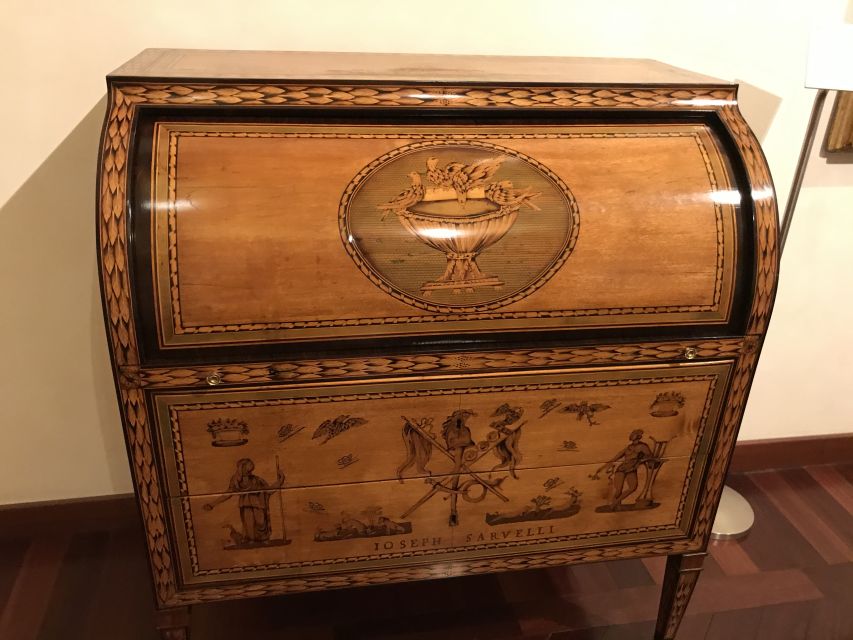
I would recommend this experience to you if you like architecture, city photographs, and the story of how Rome developed beyond its ancient ruins. It is also a good fit if you already plan to spend time around Piazza Navona and want a museum stop close to your walking route.
It suits independent sightseeing. The app audioguide lets you take in the city sights at your own pace, rather than following a large group on a fixed route. The host or greeter can help with the entry process, but the information provided does not promise a named historian or a private guided tour.
Families with older children might appreciate the short length, though the restrictions on large bags can make a full family day less convenient. Visitors who need step-free access should choose another attraction.
Art specialists may want to check the current displays before booking. The museum’s collection can be interesting, but the experience information does not identify specific masterpieces or a special exhibition included in the price.
Booking advice for a smoother visit
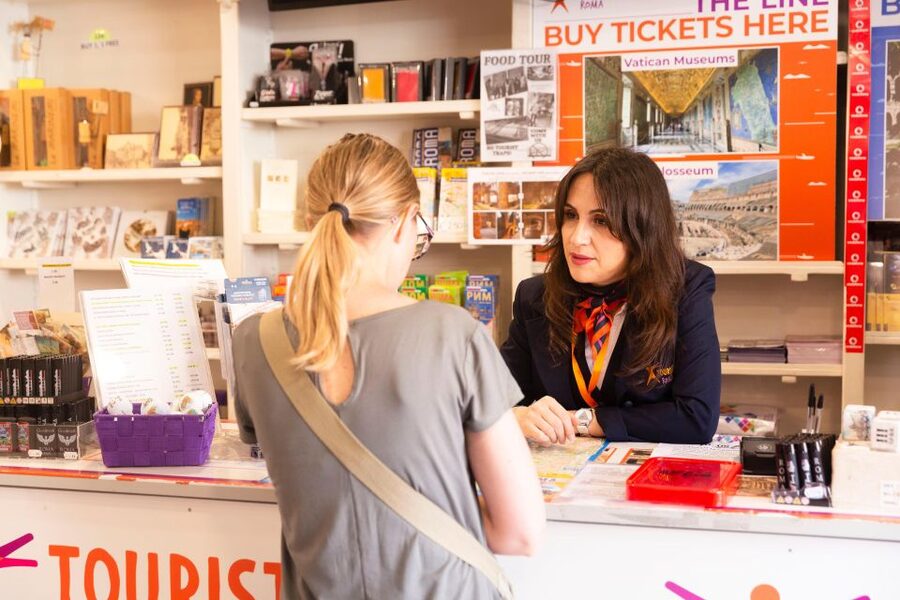
Choose a start time that leaves room for Piazza Navona, the Pantheon, and Trevi Fountain if you plan to use the audio guide. The museum visit itself is listed at one hour, but the surrounding city route will take additional time.
Go first to the Touristation office at Piazza Navona 25. Keep your passport or ID available, and avoid bringing large bags. Comfortable shoes will help once you continue through the central streets.
Before paying, inspect the option name. The choices may involve Palazzo Venezia, the panoramic glass elevator, the Risorgimento Museum, or the Capitoline Museums. Do not assume every attraction described in the general information comes with every ticket.
Also check whether a temporary exhibition is part of your plan. It is specifically excluded from the basic inclusion list, so you may need a separate ticket.
Should you book the Palazzo Braschi ticket?
Book it if you want a short, central museum visit with an impressive palace entrance and an audio guide that connects the stop with Piazza Navona, the Pantheon, and Trevi Fountain. The location is excellent, and the one-hour format fits neatly into a busy day.
Skip it if you want famous masterpieces, a long guided tour, or guaranteed access to temporary exhibitions. At $37, the ticket needs to match your interests rather than simply fill an empty hour.
For the best value, choose the option that clearly includes the extra museum or attraction you actually want, collect the official ticket before heading to the entrance, and treat Palazzo Braschi as a focused Rome stop rather than a full-day museum.
FAQ
Where is Palazzo Braschi?
Palazzo Braschi is in central Rome, beside Piazza Navona in the Lazio region of Italy.
How long does the experience last?
The listed duration is one hour.
What does the ticket include?
It includes reserved entrance to Palazzo Braschi and a city app audioguide.
Is an English guide included?
The experience information describes a professional English audio guide. It does not identify a named guide or promise a live guided tour.
Can I enter Palazzo Braschi with the voucher?
No. You must collect the official entrance ticket at the Touristation office at Piazza Navona 25.
Are temporary exhibitions included?
No. Temporary exhibitions are not included in the listed ticket.
Does the experience include the Pantheon and Trevi Fountain?
The audio guide refers to Piazza Navona, an outside view of the Pantheon, and the Trevi Fountain. Check the selected option for the exact inclusions, since the core ticket is for Palazzo Braschi.
What should I bring?
Bring your passport or ID card and wear comfortable shoes.
Is the experience accessible to wheelchair users?
No. The activity is not suitable for wheelchair users or people with mobility impairments.
Just added around Rome
- From Rome: Villa d’Este & Hadrian’s Villa Tickets & Transfer★ 4.5 · 32 reviews
- Tivoli: Hadrian’s Villa and Villa d’Este Guided Tour★ 4.5 · 73 reviews
- Day trip Rome by car : Tivoli Unesco Villa D’este & Hadrian★ 5.0 · 56 reviews
- Rome: Villa D’Este & Tivoli Tour with Skip-the-Line Entry★ 5.0 · 4 reviews
- Rome: Palazzo Altemps Reserved Entrance Ticket★ 4.5 · 49 reviews
- Rome: Palazzo Venezia Reserved Entrance with Museum★ 4.2 · 52 reviews
- Rome: Colonna Palace Guided Tour★ 4.9 · 70 reviews
- Rome: Monuments and Belvederes Guided E-Bike Tour★ 4.2 · 6 reviews
Italian Palazzo Tours, compared.
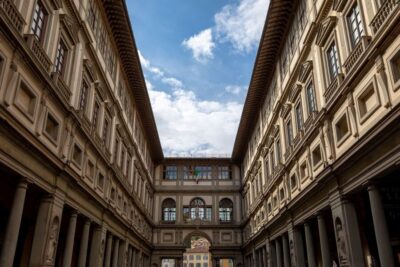
Uffizi, Pitti Palace & Boboli Combined 5-Day Pass
Read our review →
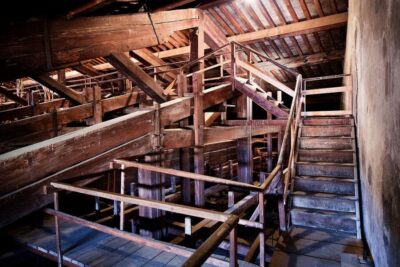
Palazzo Vecchio: Skip-the-Line Entry and Secret Passage Tour
Read our review →
Opera Concert at Palazzo Poli – Fontana di Trevi
Read our review →
Browse the lists this tour appears in