
REVIEW · ITALIAN PALAZZO TOURS
Palazzo Falson Historic House Museum entrance ticket
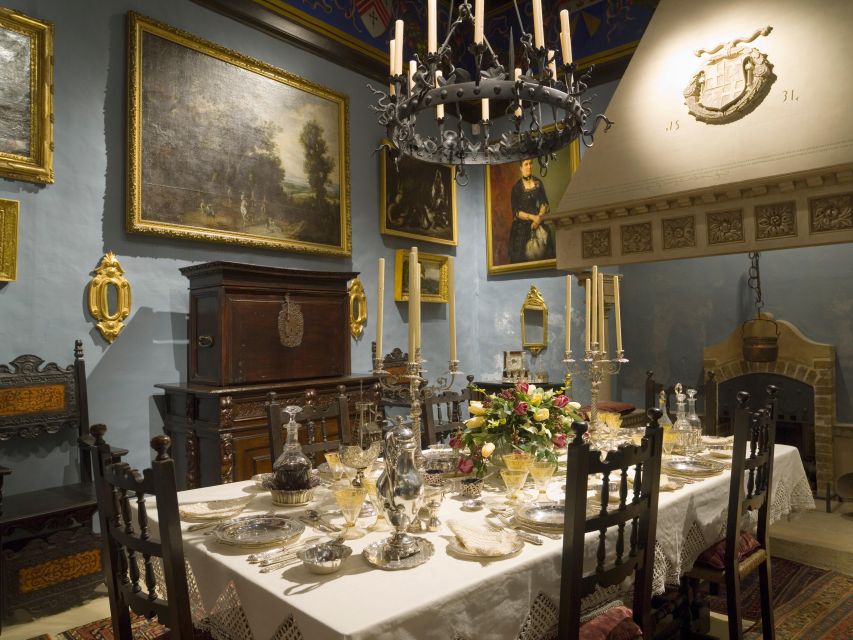
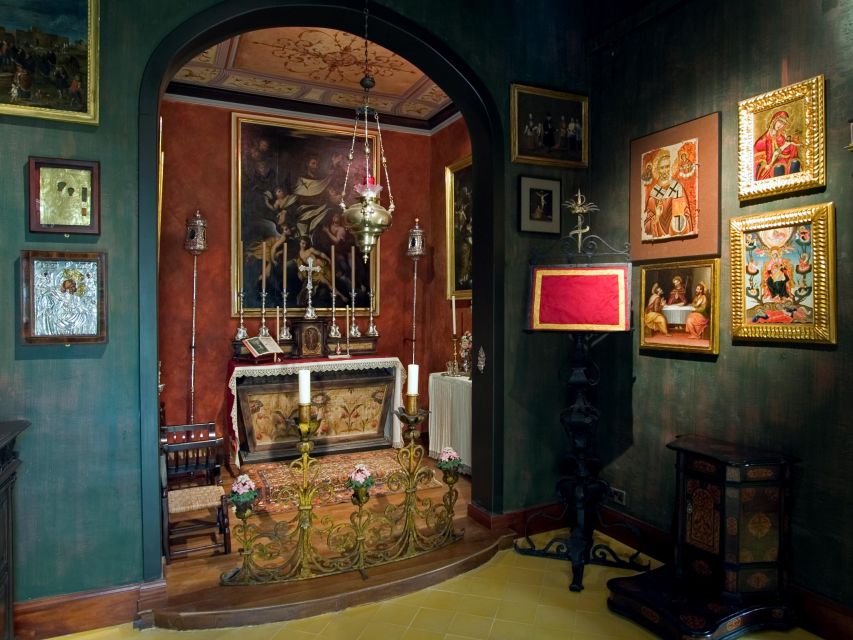
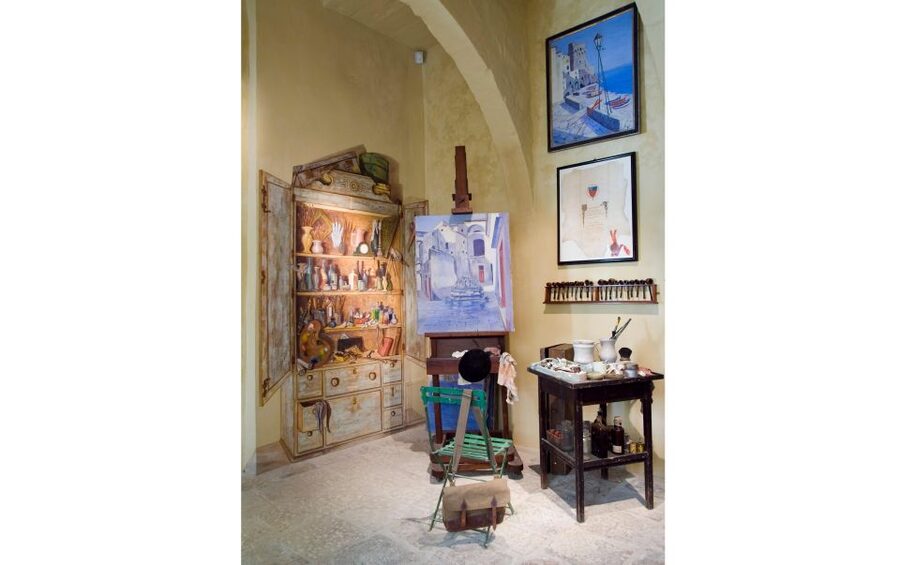
Palazzo Falson gives you something many Malta attractions cannot: a look inside an actual noble home, not just a grand church or fortress. This medieval palace in Mdina holds more than 3,500 objects, from 17th-century paintings to armour, jewellery, rugs, books, and household furniture.
I like the way the audio guide lets you set your own pace, and I like the rooftop cafeteria, where you can finish with coffee and broad views over Mdina and beyond. The main caution is simple: this is a collection-heavy museum, so visitors who prefer a short, highly visual attraction may find 17 rooms and 45 separate collections a lot to take in.
Key points to know before you go
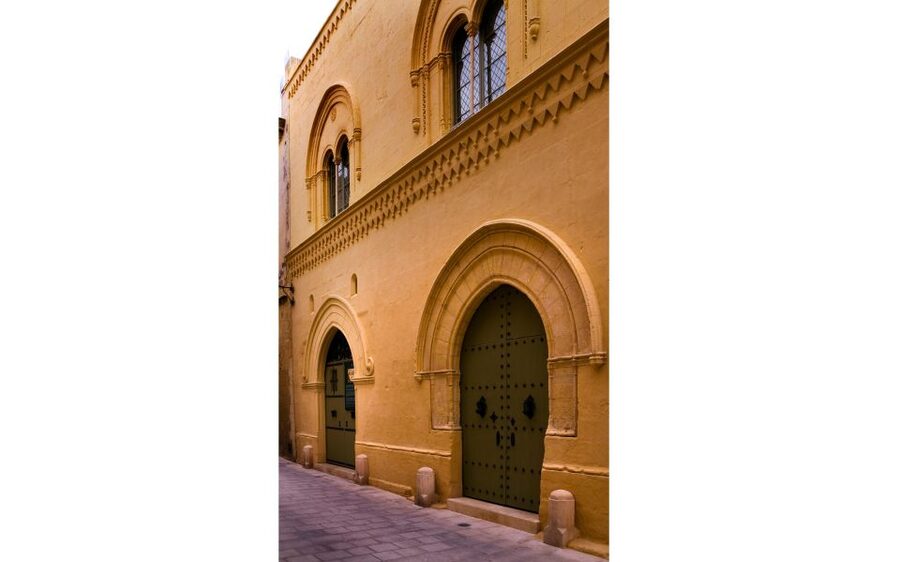
- A medieval Mdina residence: Palazzo Falson is the second-oldest building still standing inside the walled city.
- More than 3,500 objects: Forty-five collections fill 17 rooms, including silver, furniture, jewellery, rugs, armour, art, books, and manuscripts.
- Important old paintings: Works attributed to Mattia Preti, Jusepe de Ribera, Jakob-Ferdinand Voet, Charles Beale, and Juriaen van Streeck form a major part of the collection.
- A real home, not only a display hall: The rooms preserve the shape of a family residence built around an inner courtyard.
- Six audio-guide languages: Choose English, French, German, Italian, Maltese, or Spanish.
- A pleasant finish upstairs: The terrace cafeteria gives you a place to pause after the museum rooms and enjoy views across Malta.
Why Palazzo Falson feels different from Mdina’s larger monuments
Mdina is often presented through its walls, cathedral, narrow lanes, and grand palaces. Palazzo Falson adds a quieter, more personal layer. You enter a house arranged around an internal courtyard, with rooms that once served as living quarters rather than public ceremonial spaces.
That distinction matters. A cathedral tells you how a city worshipped. A fortification tells you how it defended itself. Palazzo Falson gives you clues about how an upper-class Maltese household lived, collected, read, furnished rooms, and displayed status.
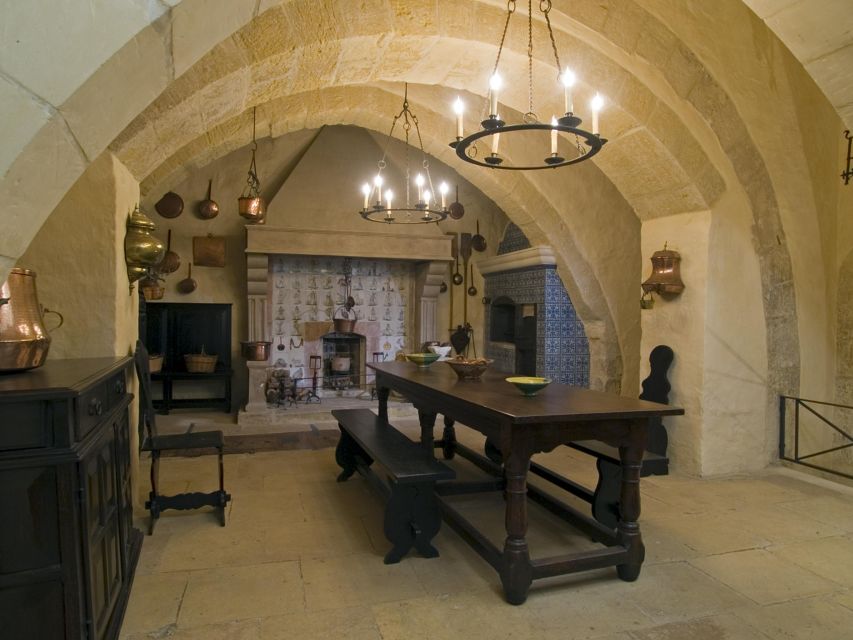
The building began in the early 13th century and was fashioned on Sicilian examples of the period. Its older rooms are at the back of the courtyard. The two-storey design reflects medieval domestic architecture, while the upper piano nobile, or noble floor, contains the original living quarters.
I find that layout more rewarding than a single grand hall. You move through connected spaces and gradually see how the building grew and changed. The architecture is important, but the house becomes more interesting when you notice how the collections fit into it.
More palazzo tours in the world:
- Florence: Palazzo Vecchio Entrance Ticket & Audioguide
★ 4.4 · 4,822 reviews - Florence: Entrance Ticket to Pitti Palace
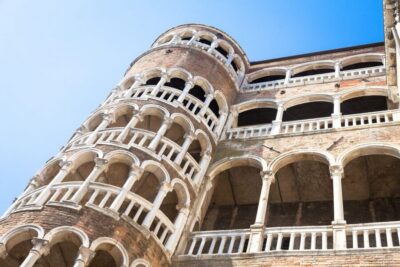
★ 4.5 · 4,528 reviews - Venice: Palazzo Contarini del Bovolo Entrance Ticket
★ 4.3 · 1,991 reviews
The courtyard and the oldest parts of the house
Start by paying attention to the structure before focusing on the objects. The internal courtyard helps explain how the palace works, with rooms wrapped around a central open space and older sections forming the rear of the building.
You may find the contrast between the plain medieval shell and the detailed objects especially useful. A silver piece, Oriental rug, or carved furnishing means more when you can picture it inside a house with centuries of use behind it.
The building’s story also reaches into Malta’s early modern period. In the 16th century, it passed to Michele Falson, a vice admiral and head of the town council. After Emperor Charles V gave Malta to the Knights of the Order of St. John, the first Grand Master in Malta, Philippe Villiers de L’Isle Adam, was hosted here after taking possession of Mdina on November 13, 1530.
That connection gives the palace a firm place in Mdina’s political story. Still, the museum does not depend only on famous names. Its strongest quality is the combination of historic rooms and personal collecting.
Seventeen rooms, forty-five collections, and a lot to see
The museum’s central challenge is also its main attraction: there is a great deal packed into the building. Forty-five specific collections are spread across 17 rooms, with more than 3,500 objects in total.
You can expect to encounter:
- Paintings, including important 17th-century works
- Silver and decorative objects
- Furniture and jewellery
- Oriental rugs
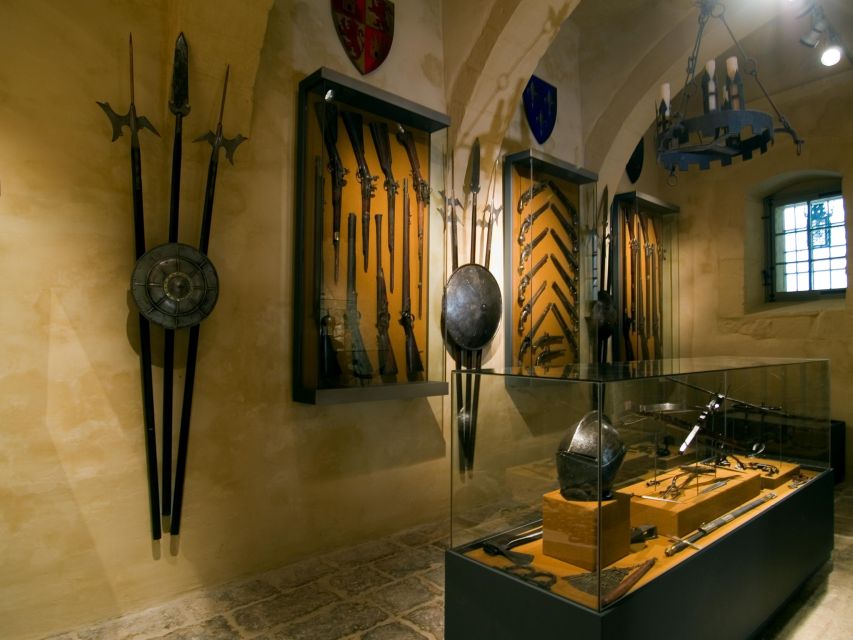
- Armoury
- Books and manuscripts
- Personal and historical items collected by Olof Frederick Gollcher
The number of rooms makes this more than a quick photo stop. At $15 per person, the ticket offers enough material for a careful visit, especially if you take time with the audio guide. The value is strongest for people who enjoy close-looking and historic interiors, rather than those who only want a fast overview of Mdina.
I would not try to memorize every object. Instead, notice the range. One room may draw your attention to paintings, another to furniture or silver, while the library shifts the mood again. The variety helps you understand Gollcher’s interests, but it can also make the visit feel dense.
Give yourself permission to slow down in the rooms that interest you most. You do not need to give every object equal attention.
Gollcher’s collection gives the museum its personality
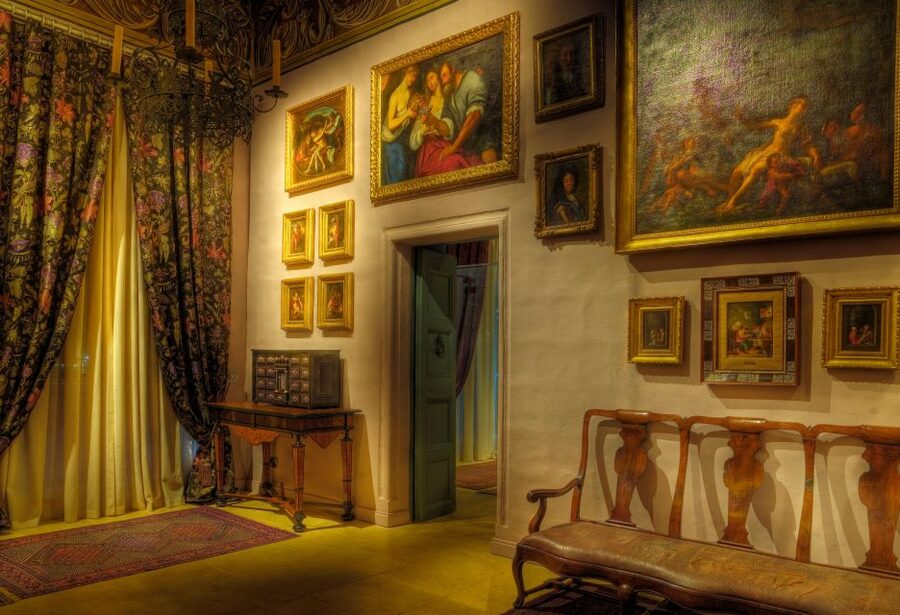
The palace’s latest owner and resident was Captain Olof Frederick Gollcher, who lived from 1889 to 1962. Of Swedish descent, he was an artist, researcher, philanthropist, and collector. He also received several honours, including the O.B.E.
Gollcher’s presence is felt through the breadth of the collection. This is not a house furnished with one narrow theme. It includes objects from different fields and periods, brought together by someone with a strong interest in art and historical items.
That personal quality is useful for you as a visitor. The museum does not feel like a catalogue of one subject. It feels like a record of one person’s curiosity. You get paintings beside furniture, books near decorative objects, and armour alongside items that reveal a more domestic side of the house.
The drawback is that a personal collection can lack the clean order of a specialist museum. If you want a tightly arranged story with a clear beginning, middle, and end, you may need to rely on the audio guide to connect the pieces.
More palace museums and galleries in the world:
- Vienna: Skip-the-Line Sisi Museum, Hofburg and Gardens Tour
★ 4.8 · 5,918 reviews - Venice’s Best: Basilica, Doge’s Palace, Gondola & History Gallery
★ 4.5 · 2,478 reviews - Vienna: Hofburg and Empress Sisi Museum Guided Tour
★ 4.7 · 1,460 reviews - Royal Palace & Prado Museum Skip the Line Guided Tour
★ 4.5 · 1,347 reviews
The paintings worth slowing down for
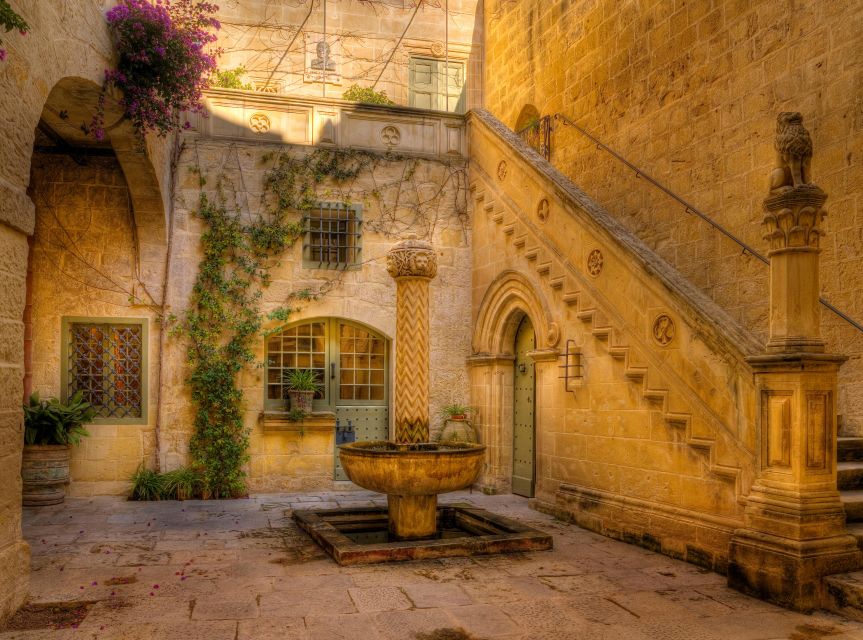
The painting collection includes works attributed to Mattia Preti, Jusepe de Ribera, Jakob-Ferdinand Voet, Charles Beale, and Juriaen van Streeck. Several are significant 17th-century works, which adds real weight to the museum’s art collection.
You do not need to be an art specialist to enjoy this section. The audio guide can help you understand why certain works matter, while the house setting makes the paintings feel less detached than they might in a large gallery.
Attributions are worth noting carefully. The collection identifies works as attributed to several artists, so you should treat the names as part of the museum’s art-historical information rather than assuming every painting is definitively by that artist.
I like this balance. You get important names and old works without needing to build your entire visit around art analysis. If paintings are your main reason for coming, allow extra time. If your interest is architecture or domestic history, use the paintings as one part of a broader visit.
The library, manuscripts, armour, and everyday objects
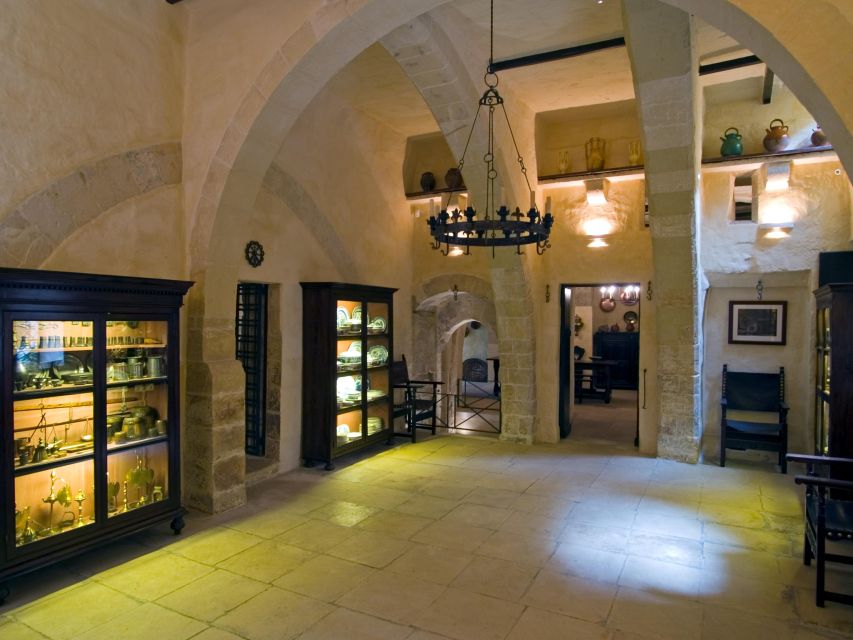
The library contains more than 4,500 books, along with valuable manuscripts. That is a striking number, especially in a house museum where the library forms part of a larger collection rather than the whole attraction.
Books and manuscripts offer a different kind of connection to the past. Furniture shows how a room looked. Written material shows what people read, recorded, valued, or preserved. You may find this section slower than the display of silver or jewellery, but it rewards patience.
The armoury adds another change of mood. Armour links the house to Malta’s military and noble past, while domestic objects bring you back to ordinary routines and status. Oriental rugs, silver, and jewellery are not simply decorative extras. Together, they show how wealth was displayed inside a historic home.
This is where I think the museum works best. It places grand objects beside clues about private life, so you can compare public prestige with domestic surroundings.
The audio guide and printed information
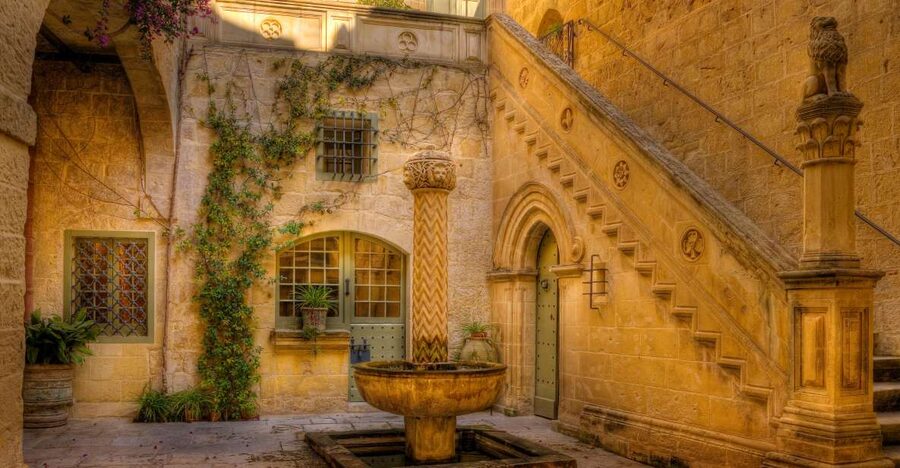
Your entrance includes an audio guide in English, French, German, Italian, Maltese, or Spanish. An English-speaking host or greeter is also part of the visit, while printed information is available in a much longer list of languages, including Arabic, Chinese, Czech, Dutch, Greek, Hungarian, Japanese, Polish, Portuguese, Russian, Slovak, Swedish, and others.
The audio guide matters here because the museum contains so many separate collections. Without context, you could admire the objects but miss the connections between the building, its owners, and the collection.
Use it selectively if you prefer freedom. Listen closely in the rooms that explain the palace’s construction, Gollcher’s life, or the major paintings. Then move on when you feel you have the main idea.
The printed material is useful if you prefer reading to listening, or if you are visiting with someone who wants to follow the museum at a different speed. You can also pause without feeling tied to a group schedule. This is a self-guided museum visit, not a set tour with a guide leading everyone from room to room.
The rooftop cafeteria is part of the experience
After the rooms, head to the upper-floor terrace cafeteria. It offers views of Mdina and the surrounding area, giving you a chance to shift from close details to a wide view.
I would treat this as a proper pause, not a quick add-on. The house asks you to concentrate on small objects, old paintings, books, and room details. Looking out over the city afterward helps you reconnect the museum with Mdina itself.
A recent visit included time for coffee on the rooftop, and that is a sensible way to plan the stop. The coffee is not presented as part of the $15 admission, so expect the cafeteria to be a separate refreshment option rather than an included benefit.
The terrace also helps the museum work as part of a wider Mdina day. You can visit the palace, rest with a view, and then continue exploring the walled city without rushing through every room.
How much time should you allow?
The ticket is valid for one day, but that does not mean you are joining a one-day guided itinerary. You are buying admission to the house museum and can plan the visit around your time in Mdina.
No fixed visit length is provided, so your timing depends on how closely you examine the collections. A quick look will not do justice to 17 rooms, the library, the paintings, and the historic structure. If you enjoy museums, plan enough time to use the audio guide and take a rooftop break.
The benefit of a one-day validity is flexibility. You can fit the museum around other Mdina plans instead of treating it as a rigid scheduled excursion. Check the available starting times before booking, since the activity information does not give one universal daily start time.
Children under six are not considered suitable for this experience. Older children may appreciate the armour and the palace setting, but the large number of objects and the quiet, collection-focused format will suit adults and older children best.
Is $15 a fair price?
At $15, the ticket is reasonably priced if you value historic interiors, art, books, and decorative objects. You are not paying only to walk through an old building. The admission includes access to 17 rooms and 45 collections, plus an audio guide in six languages.
The value is less obvious if you want a short attraction with one famous masterpiece or a dramatic viewpoint. Palazzo Falson is best understood as a full house museum, where the reward builds as you move through the rooms.
The rooftop view improves the overall value, though it should not be the sole reason you buy a ticket. Mdina offers other views and historic spaces. Come for the combination of architecture and collection, then use the terrace as a welcome finish.
The ticket also offers free cancellation up to 24 hours before the visit and a reserve-now, pay-later option. Those policies make it easier to fit the museum into a changing Malta schedule, but the core decision should still depend on your interest in collections and historic homes.
Who should book Palazzo Falson?
I recommend it to you if you enjoy:
- Historic houses with original room layouts
- Art collections that include 17th-century works
- Decorative objects such as silver, jewellery, rugs, and furniture
- Libraries, books, and manuscripts
- Self-guided visits with an audio guide
- A quiet rooftop stop after museum rooms
You may want to skip it if you are looking only for a fast landmark visit, a guided walk through Mdina, or an attraction focused on one single subject. The house rewards attention, and the number of collections can feel like a lot if you are already museum-tired.
Should you book this Mdina house museum?
Book Palazzo Falson if you want to see the private side of Mdina and enjoy the odd, wonderful mix that comes from one collector’s home. The medieval building, Gollcher’s 3,500-object collection, important paintings, 4,500-plus books, and rooftop cafeteria make $15 a fair buy for a thoughtful museum stop.
Skip it only if your time in Mdina is extremely short or you prefer outdoor sights. If you do go, do not rush from room to room. Use the audio guide, focus on the rooms that catch your eye, and save time for coffee and the view upstairs.
FAQ
Where is Palazzo Falson Historic House Museum?
Palazzo Falson is in Mdina, Malta, inside the island’s former capital city and its walled historic center.
How much does admission cost?
The entrance ticket costs $15 per person.
How long is the ticket valid?
The ticket is valid for one day. Available starting times should be checked when planning your visit.
Is an audio guide included?
Yes. An audio guide is included in English, French, German, Italian, Maltese, or Spanish.
Is printed information available in other languages?
Yes. Printed information is available in Arabic, Chinese, Czech, Dutch, English, French, German, Greek, Hungarian, Italian, Japanese, Maltese, Polish, Portuguese, Russian, Slovak, Spanish, and Swedish.
How many rooms are open to visitors?
The museum’s 45 collections are spread across 17 rooms.
What can I see inside Palazzo Falson?
The collection includes paintings, silver, furniture, jewellery, Oriental rugs, armoury, more than 4,500 books, and valuable manuscripts.
Are young children allowed?
Children under six are not considered suitable for this activity.
Can I cancel the booking?
Yes. You can cancel up to 24 hours in advance for a full refund. A reserve-now, pay-later option is also available.
More History Tours in the world
- Madrid Essential: Historic Center, Plaza Mayor & Royal Palace
★ 5.0 · 6,416 reviews - Tokyo: Imperial Palace and Shogun Historical Walking Tour
★ 5.0 · 2,251 reviews - Dubai: Abu Dhabi Grand Mosque, Palace, and Heritage Village
★ 4.8 · 1,265 reviews - Tokyo: Imperial Palace Japanese History Walking Tour
★ 4.9 · 987 reviews
Just added around the world
- Pitti Palace and Palatina Gallery★ 4.0 · 41 reviews
- Pitti Palace Small Group Tour★ 5.0 · 6 reviews
- Private Guided Tour of Palazzo Vecchio in Florence★ 3.5 · 4 reviews
- Florence: Palazzo Vecchio Skip the line Entry ticket★ 4.0 · 49 reviews
- Pitti Palace: The Royal Palace of Florence★ 4.5 · 12 reviews
- PALAZZO VECCHIO Private tour in Florence★ 5.0 · 35 reviews
- Private Tour of Pitti Palace with Boboli Garden★ 5.0 · 28 reviews
- Pitti Palace and Palatine Gallery: A Royal Art and History Tour★ 4.5 · 42 reviews
Italian Palazzo Tours, compared.
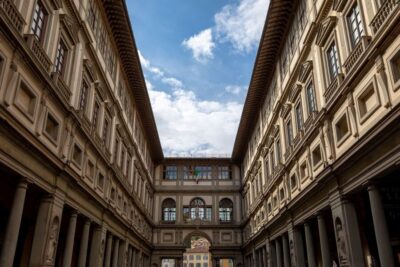
Uffizi, Pitti Palace & Boboli Combined 5-Day Pass
Read our review →
Palazzo Vecchio: Skip-the-Line Entry and Secret Passage Tour
Read our review →
Opera Concert at Palazzo Poli – Fontana di Trevi
Read our review →
Browse the lists this tour appears in