
REVIEW · TOKYO PALACE TOURS
Tokyo: Imperial Palace Japanese History Walking Tour
The most interesting part of this tour is the change in identity beneath your feet. The grounds once held Edo Castle, the seat of the shogun, and later became the emperor’s palace. Your guide connects those two eras while you walk past stone walls, gardens, old house remains, bamboo, and koi ponds.
I like the clear historical structure, from farmer and samurai to daimyo and shogun, and I like the friendly, interactive guiding style. Guides such as Mika, Natsumi, Laki, and Alexandre have been praised for explaining difficult history in plain English, answering questions, and sharing useful Tokyo tips. The main consideration is the walking: there is little shelter from Tokyo’s heat or rain, and the tour is not suited to people with mobility, heart, back, fitness, or recent surgery concerns.
Key points
- Edo Castle becomes the Imperial Palace: See how the shogun’s stronghold changed into the emperor’s home.
- A guide makes the ruins readable: Stone walls, garden spaces, and old foundations make far more sense with historical context.
- Small details add character: Look for royal koi, a bamboo forest, gifted trees from across Japan, and a model of the former castle.
- English and French are available: Guides including Mika, Natsumi, Laki, and Alexandre have led engaging tours.
- Two hours is a useful length: You get a solid introduction without giving up an entire day in Tokyo.
- The inner palace is off limits: This tour explores the public Eastern Gardens, not the private imperial residence.
Why the former Edo Castle matters
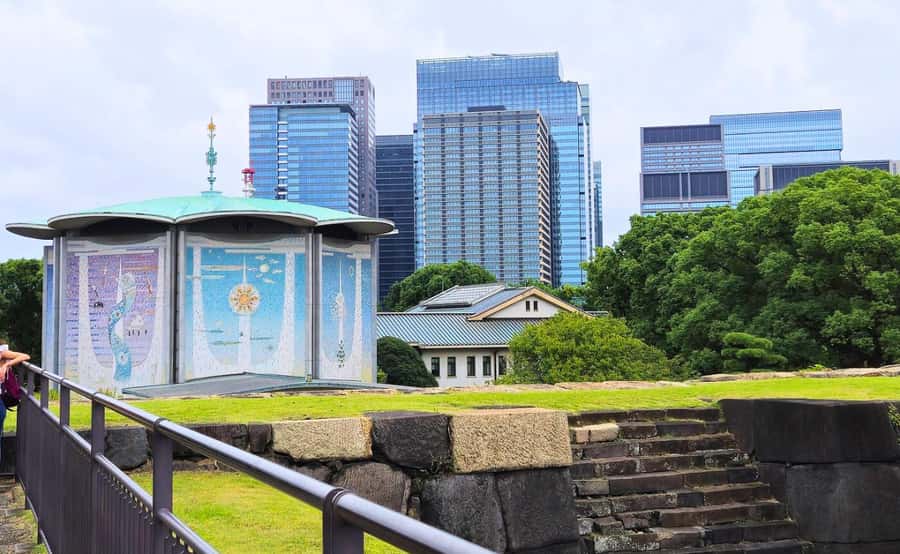
Tokyo can feel startlingly modern, but the Imperial Palace grounds put the city’s story into focus. This was once Edo Castle, the center of political power during the shogun’s rule. The castle itself is gone, yet its former scale and purpose remain visible in the grounds, walls, gates, and foundations.
That change from shogun’s castle to emperor’s palace is the tour’s central thread. You are not simply looking at attractive gardens. You are following the transfer of power that helped shape modern Japan.
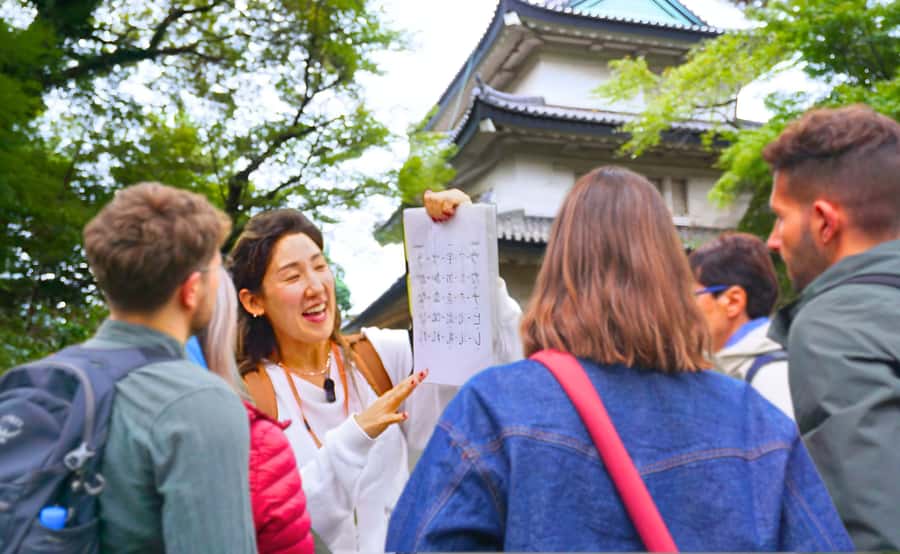
A guide can explain the old social order in a way that is easier to remember than a page in a guidebook. The tour covers the roles of farmers, samurai, daimyo, and shogun, then connects that system to the later imperial period. If you are new to Japanese history, this gives you a useful framework for understanding temples, castles, ceremonies, and political symbols you may see elsewhere in Japan.
The setting helps. You hear the story while standing among the remains, rather than hearing a lecture in a room. That physical connection is one reason this makes a good early activity in Tokyo.
More history tours in Tokyo:
- Tokyo: Imperial Palace and Shogun Historical Walking Tour
★ 5.0 · 2,251 reviews - Tokyo: Imperial Palace, the history of Japan (ENGLISH GUIDE)
★ 5.0 · 77 reviews - Imperial Palace Tour: Discover Samurai History with a Guide
★ 5.0 · 12 reviews
Meeting at Wadakuramon fountain
The tour begins near Wadakuramon fountain park, a five to ten minute walk from Tokyo Station or Otemachi Station. Look for the Starbucks near the fountain. Your guide should be holding a sign with the Sunrise Adventure logo.
Give yourself enough time to find the meeting point. Tokyo Station is large, and the station area can be confusing if you are carrying luggage or arriving during a busy period. The fountain is a useful landmark, but it is still wise to leave the station before the scheduled meeting time.
The guide is an important part of this experience. Several guides are named in the feedback, including Mika, Natsumi, Laki, Lucky, Alexandre, Nico, Hugo, Arief, and Fei. The strongest pattern is friendly delivery, clear explanations, and a willingness to answer questions. Some guides also help with photos, restaurant suggestions, and ideas for the rest of your Tokyo visit.
The activity ends back at the same meeting point. That makes it easy to continue toward Tokyo Station, Otemachi, or another central neighborhood afterward.
Passing through Otemon Gate
From the fountain, you walk toward Otemon Gate, the grand entrance to the palace grounds. This transition is part of the pleasure of the tour. Tokyo’s streets give way to an area of broad paths, greenery, stonework, and formal spaces.
Your guide uses the entrance to explain the castle complex and how it functioned. The original castle no longer survives, so you should not expect grand interior rooms or a preserved keep. Instead, the story is told through the site itself and through a miniature model showing what the castle once looked like.
That model is especially useful. It gives you a sense of the former castle’s size and arrangement, which can be hard to picture from foundations alone. The guide then helps you match the old image to what remains today.
This is also where expectations matter. The experience is about history in an open garden setting, not a visit inside the emperor’s residence. The inner palace is not open to the public and is not part of this activity.
Reading the stones and ruins
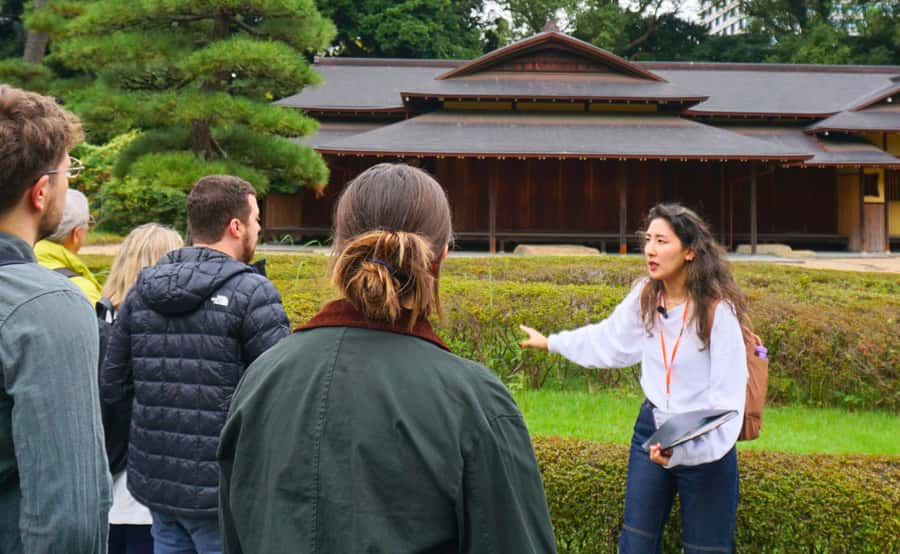
The Eastern Gardens are most rewarding when you pause to understand what you are seeing. Large stone walls and old foundations can look like attractive fragments if you walk through alone. With an explanation of their purpose, they become clues to the castle’s defenses and the authority of the shogun.
The guides focus on the Edo period and the transition toward the Meiji era. You may hear about the responsibilities of samurai, the position of daimyo, and the way power was organized under the shogun. Several guides have also explained how Tokyo grew into the city you see today.
I like this approach because it avoids treating Japanese history as a list of unfamiliar names. The guide brings the subject back to people, ranks, duties, and political change. Interactive questions help keep the group involved, and children may appreciate being asked to think about how the old ranking system worked.
The pace is generally described as comfortable, with enough time for questions and photographs. It is still a walking tour, though, and the ground is not designed as a seated classroom. Wear practical shoes and expect to be outside for roughly two hours.
More walking tours past the palaces in Tokyo:
- Tokyo Castle & Imperial PalaceーShogun Walking Tour
★ 4.7 · 1,068 reviews - Tokyo: Imperial Palace and Shogun Walking Tour
★ 4.9 · 935 reviews - Tokyo Castle & Imperial PalaceーShogun Walking Tour
★ 5.0 · 724 reviews - Imperial Palace East Garden and Edo Castle Walking Tour in Tokyo
★ 5.0 · 510 reviews
Gardens, bamboo, trees, and koi
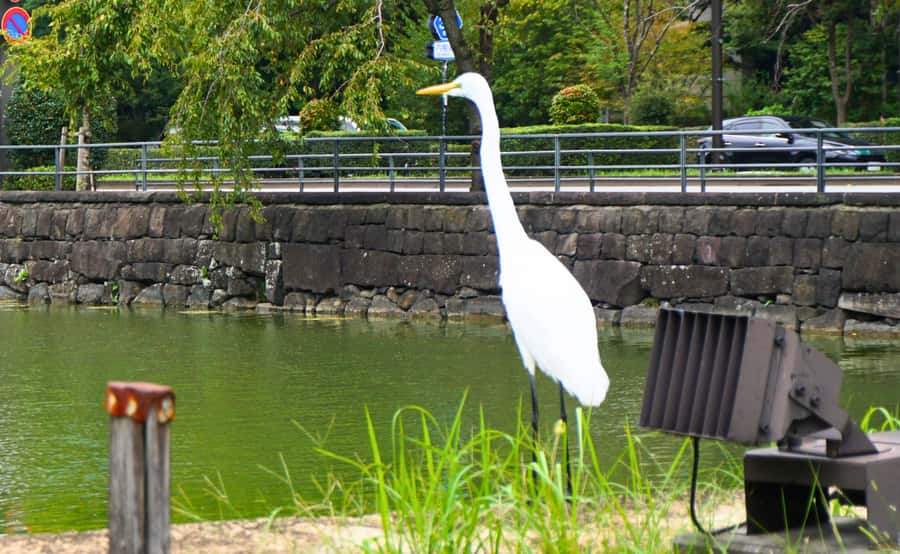
The palace grounds add a softer side to the political story. You move from castle remains into planted areas with trees from around Japan, bamboo, and garden paths. Some of those trees were given to the emperor many years ago, adding a small but memorable link between the gardens and imperial tradition.
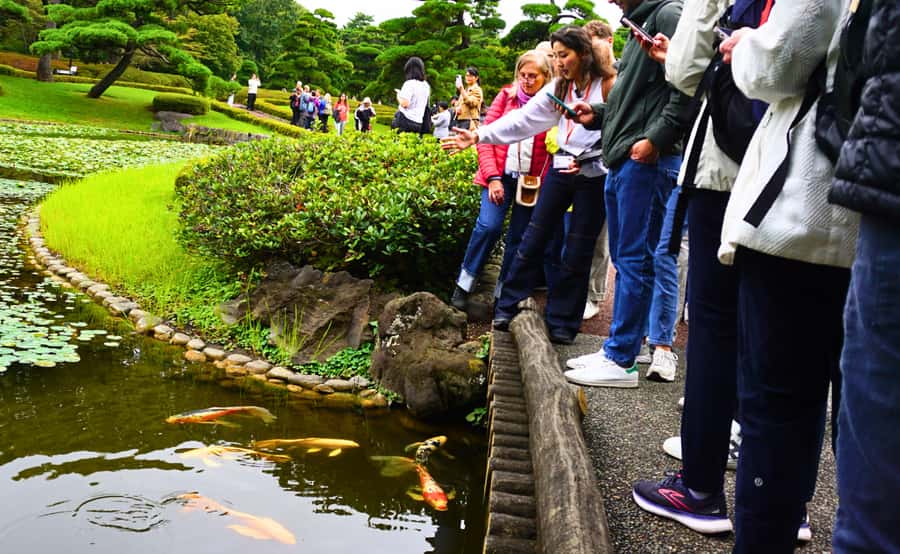
The bamboo area makes a good photo stop, while the koi are one of the tour’s more unusual details. These are described as royal koi fish, and reaching the Japanese garden at the end gives the walk a pleasant finish.
The gardens are not just decoration. They show another side of the imperial grounds, where design, plants, water, and seasonal beauty matter. Your guide may point out details you would otherwise pass without noticing.
There are practical limits. Nature also means insects, including mosquitoes. One guide has carried mosquito spray for the group, but I would still consider using repellent, especially in warm weather. The gardens can be hot, and shade is not guaranteed at every stop.
The guide’s role, from history to food tips

This tour is a good choice if you want conversation rather than a recorded audio route. Guides have been praised for speaking clearly, making the history interactive, taking photos, and stopping in shade when possible.
Mika is noted for answering many questions and explaining the palace in excellent English. Natsumi is repeatedly described as an engaging storyteller who connects the Edo period with Tokyo’s growth. Laki and Lucky are praised for warmth, humor, and cultural explanations, while Alexandre has led the experience in both English and French settings.
The guide can also help you use the tour as a starting point for the rest of your day. Several guides have offered food suggestions, cultural advice, etiquette tips, and ideas for places to visit. Nico has even offered a private tour with a tea ceremony as an additional option, though that is not part of the $32 experience.
Do not book this expecting a specialist academic seminar. The strength is accessible storytelling. You get a useful overview, a chance to ask questions, and enough detail to make the palace grounds meaningful without spending half a day on one subject.
Is $32 a good value?
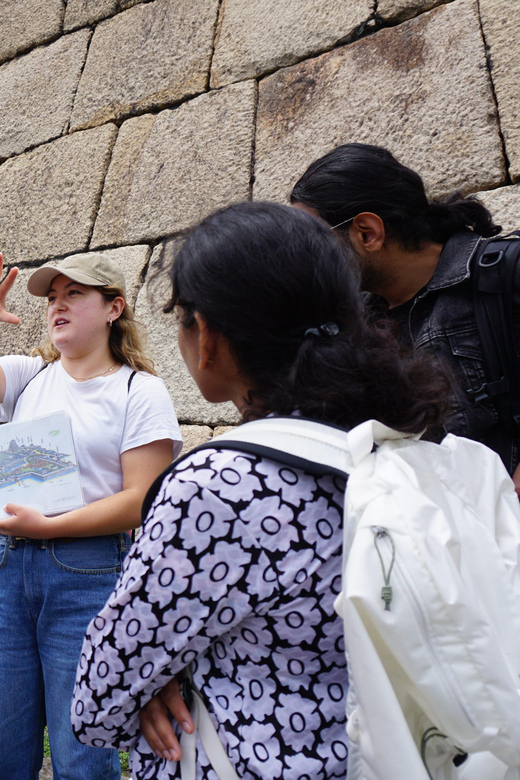
At $32 per person, this is fairly priced for a guided two-hour introduction in central Tokyo. You are paying mainly for interpretation, not for admission to a special interior or an elaborate meal. Since the inner palace is closed to the public, the value depends on how much you want help understanding the outdoor site.
If you already know Edo-period history and prefer to wander alone, you may find the tour less necessary. The gardens can be visited without this guided format, and there is no included food, transport, or special palace access.
For a first visit, though, the price makes sense. The guide turns a large historic area into a clear story, points out photo locations, and can answer questions that signs may not cover. You also finish at the starting point, which keeps the rest of your day flexible.
The reserve now and pay later option can help if you are arranging a busy Japan itinerary. Cancellation is allowed up to 24 hours in advance for a full refund, according to the booking terms.
Weather, walking, and who should book

This activity runs rain or shine. Tokyo summers can be intensely hot, and one participant found the walking demanding in the heat even while appreciating the shade beneath the trees. Rain can also change the feel of the gardens, as one guide demonstrated by keeping the group engaged during heavy weather.
Wear clothing suited to the forecast, comfortable walking shoes, and protection from sun or rain. Bring water, especially in summer. A small amount of mosquito repellent is sensible because the grounds contain plenty of vegetation.
The tour is not suitable for wheelchair users or people with mobility impairments. It is also not recommended for people with back problems, heart problems, recent surgery, low fitness, or pregnancy. These limits matter because the experience involves walking through open grounds rather than moving between indoor exhibits with regular seating.
Families may enjoy the questions, model, castle stories, and fish. History fans will get the most from the explanations of the Edo and Meiji periods. First-time visitors to Tokyo may find it especially useful because it gives wider context before you visit other historic places in Japan.
Should you book the Imperial Palace walking tour?
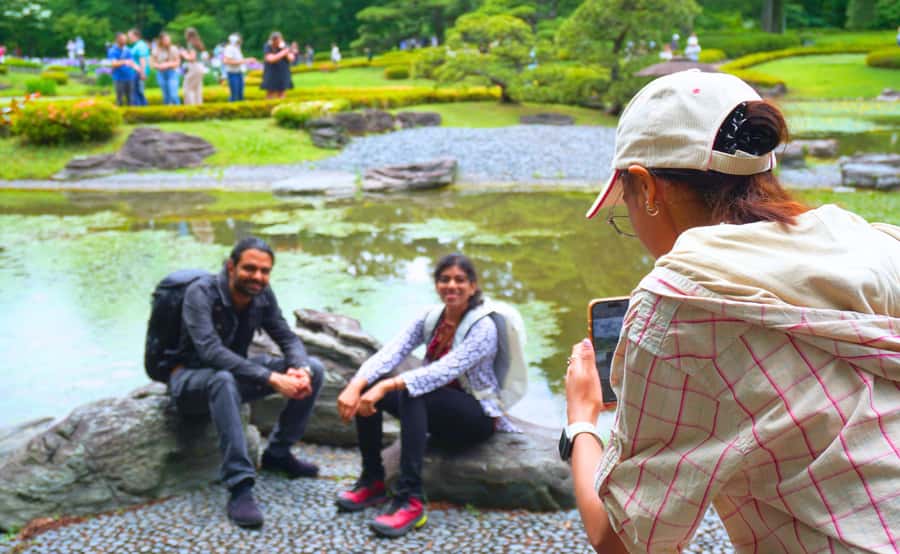
I would book this if you want the palace grounds to mean more than a pleasant walk. The combination of Edo Castle remains, the shogun-to-emperor story, garden details, and an approachable English-speaking guide makes the site easier to understand.
Choose it early in your Tokyo stay if you want historical bearings and local suggestions for food and sightseeing. Pick a cooler time of day if your schedule allows, and arrive ready for outdoor walking.
Skip it if you need indoor shelter, step-free access, or a visit inside the inner palace. Also skip it if you want a preserved castle interior. For most people who want a concise, well-explained introduction to Japanese political history, $32 is a sensible use of two hours.
FAQ
Where does the tour begin?
It begins at the Starbucks near the Wadakuramon fountain in Wadakuramon fountain park. The park is about a five to ten minute walk from Tokyo Station or Otemachi Station.
How will I recognize the guide?
The guide will be near the fountain and should be holding a sign with the Sunrise Adventure logo, SUNRISE ADVENTURE.
Where does the tour end?
The activity ends back at the original meeting point near the Wadakuramon fountain.
How long does the walking tour last?
The tour takes about two hours.
What languages are offered?
The tour is available in English and French.
Can I enter the inner palace?
No. The inner palace is not open to the public, and access is not included.
Will I see the original Edo Castle?
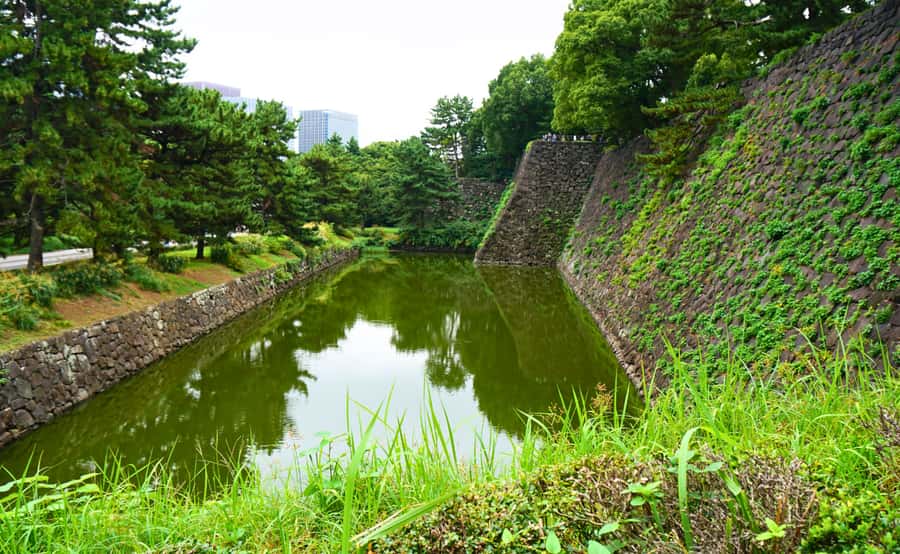
The original castle is no longer standing. You will see parts of the former castle grounds, including ruins and other remains, and a miniature model showing what it looked like.
What will I see besides castle remains?
The walk includes gardens, a bamboo forest, trees gifted to the emperor, photo spots, and royal koi fish.
Does the tour operate in bad weather?
Yes. It takes place rain or shine, so wear clothing suitable for the forecast.
Is the tour suitable for wheelchair users?
No. It is not suitable for wheelchair users or people with mobility impairments. It is also not recommended for people with back or heart problems, recent surgery, low fitness, or pregnancy.
Just added around Tokyo
- Tokyo walking tour around Imperial Palace and Tokyo Station★ 5.0 · 3 reviews
- Tokyo: Pvt. Tour – Edo Castle & Imperial Palace East Gardens★ 4.8 · 63 reviews
- Tokyo: Imperial Palace, the history of Japan (ENGLISH GUIDE)★ 5.0 · 77 reviews
- Tokyo: Imperial Palace East Gardens and Tokyo Station Tour★ 5.0 · 16 reviews
- Tokyo: Imperial Palace with Nostalgic Alley Kagurazaka tour★ 4.3 · 8 reviews
- Tokyo: Edo Castle and Imperial Palace Guided Walking Tour★ 5.0 · 6 reviews
- Tokyo: Edo Castle Ruins & Imperial Palace East Garden Tour★ 4.4 · 13 reviews
- Imperial Palace Tour: Discover Samurai History with a Guide★ 5.0 · 12 reviews
Tokyo Palace Tours, compared.
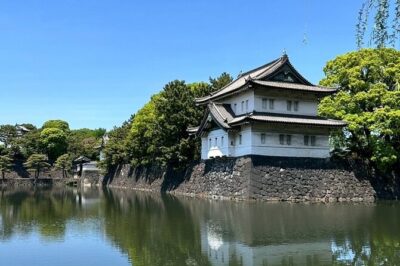
Imperial Palace and Shogun Historical Walking Tour
Read our review →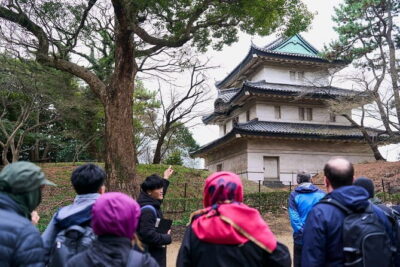
Tokyo Castle & Imperial PalaceーShogun Walking Tour
Read our review →
Tokyo Castle & Imperial PalaceーShogun Walking Tour
Read our review →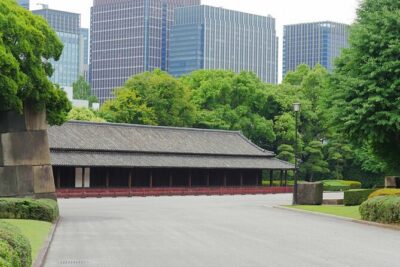
Imperial Palace East Garden and Edo Castle Walking Tour in Tokyo
Read our review →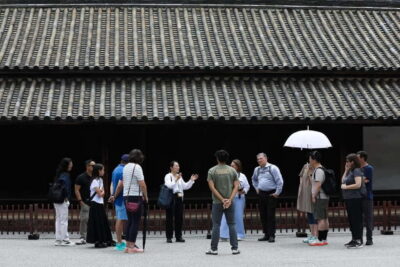
Imperial Palace, Sensō-ji Temple, & Tokyo Tower Tour
Read our review →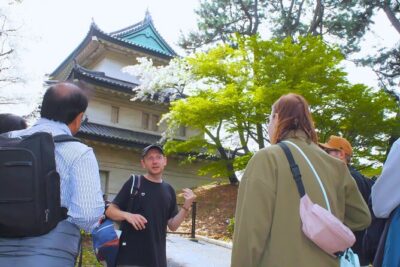
Tokyo Castle, Imperial Palace, Shogun & Garden Walking Tour
Read our review →Browse the lists this tour appears in