
REVIEW · SEOUL PALACE TOURS
Seoul: Colonial History Tour with Prison&Palace, Market Food
Seodaemun Prison gives this tour its emotional force. You walk through the former Japanese colonial prison, where Korean independence fighters were jailed and tortured, then follow the story toward Dilkusha, Deoksugung Palace, and the food stalls of Namdaemun Market. It is a smart way to connect modern Seoul with the struggles that shaped it.
I like the strong mix of sites. You get painful political history, unusual architecture, and a proper market meal in four hours. I also like the guide-led format. Janice brings passion to the subject, while Ron is happy to answer questions about Korean culture, food, and other periods of history.
The main drawback is the pace. You cover several places and walk a fair amount, so this is not a relaxed sightseeing stroll. Seodaemun Prison can also be emotionally heavy, and the tour is not suitable for wheelchair users.
Key points at a glance
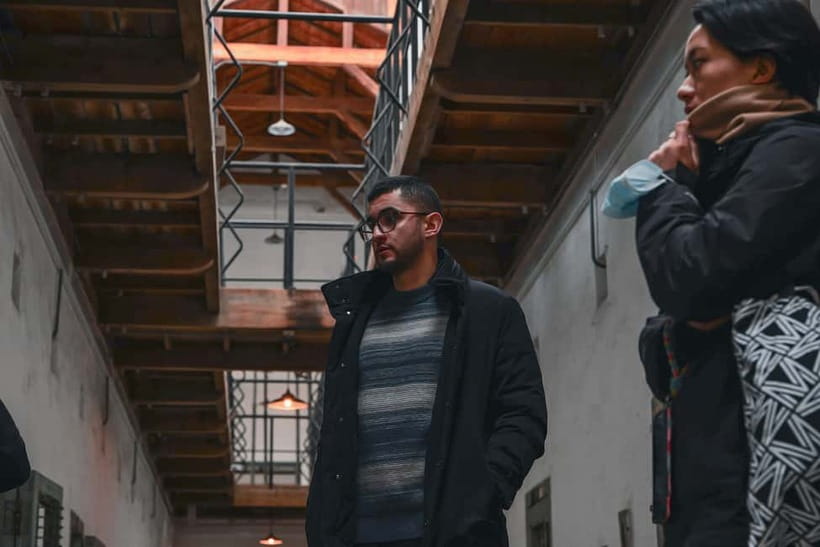
- Seodaemun Prison takes about 80 minutes, giving the tour time for more than a quick photo stop.
- Dilkusha tells an international side of Korea’s independence story through American journalist Albert W. Taylor.
- Deoksugung Palace shows Korean and Western design together, a useful window into a turbulent period of modernization.
- Namdaemun’s Kalguksu Alley provides the meal, with handmade knife-cut noodles and market snacks.
- Janice and Ron bring different strengths as guides, from passionate storytelling to patient answers about Korean life.
- The four-hour route begins and ends at Dongnimmun Station, with transport costs and food tastings included.
Why this route works so well in Seoul
Many Seoul history tours focus on royal palaces or the Japanese colonial period, but this one links the two. You begin at a place of repression, move through a house tied to international reporting, visit a palace caught between tradition and modern change, and finish among ordinary market life.
That shape matters. The tour does not treat history as a set of isolated monuments. You see how political events affected buildings, public spaces, and daily life. Then you sit down for noodles and street food, which brings the experience back to the present.
The four-hour length is useful if you have limited time in Seoul. It is long enough to give Seodaemun Prison proper attention and still include food, but short enough to fit around other plans. You should expect a steady morning or afternoon rather than a full-day outing.
The guide is central to the experience. The tour is offered in English, and guides such as Janice and Ron explain the setting, answer questions, and connect the sites. If you like to ask about Korean food, modern history, or cultural customs, the guided format gives you more than signs alone.
A few more palace visits around Seoul worth a look
- Seoul Night Palace & Market Food Tour with Vehicle
★ 5.0 · 275 reviews - Seoul: Vegan Temple Food Class, Jogyesa & Changdeokgung Tour
★ 4.6 · 34 reviews - The Only Locally Owned Non-Touristy Food Tour by Spade & Palacio
★ 5.0 · 701 reviews
Starting at Dongnimmun Station
The meeting point is Dongnimmun Station, Exit 5. Look for the guide holding a Tripper sign. This is a practical starting point because you begin close to Seodaemun Prison instead of spending the first part of the tour crossing Seoul.
Arrive in comfortable shoes. The route includes several stops, indoor and outdoor walking, and stairs or uneven surfaces may be part of the site visits. The tour calls for a reasonable level of fitness, and the vehicle route can change to walking if local conditions require it.
The activity ends back at the same meeting point. That makes it easier to plan the rest of your day, though you should avoid booking something immediately afterward if you want time for delays or a slower meal.
Seodaemun Prison: the tour’s hardest and strongest stop
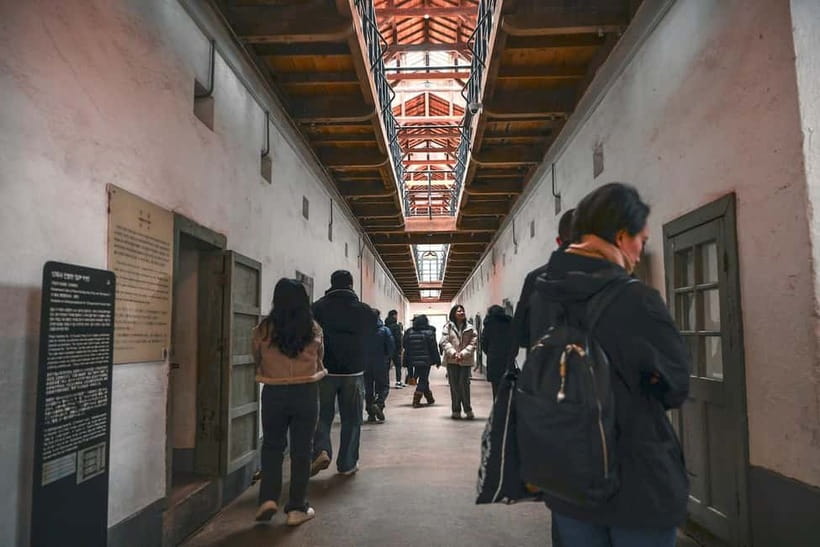
The first major visit is Seodaemun Prison History Hall, with about 80 minutes for a guided tour. This is the longest stop, and that is appropriate. A quick pass through the prison would miss what makes it important.
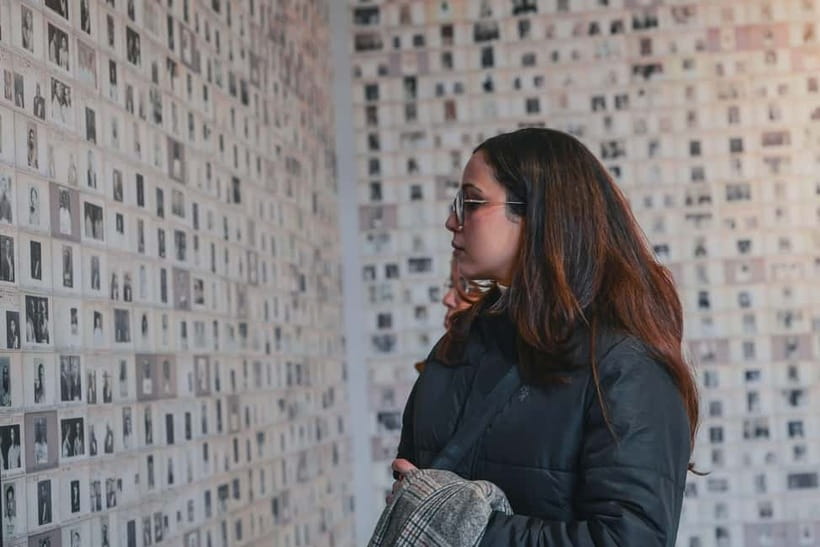
The former prison was used during Japanese colonial rule, when Korean independence activists were detained. The site presents the hardships they faced and the wider struggle for freedom. It is not light sightseeing. You may find parts of the visit upsetting, but the difficult mood is part of the point.
A guide can help you understand the place without reducing it to dates and political slogans. You get a clearer sense of why independence movements mattered and how personal the cost could be. For many people, this becomes the part of the tour they remember most.
Give yourself room to listen. The prison is not the sort of attraction you should rush through while thinking about your next photo. The tour’s 80-minute timing allows a more serious look at the buildings and stories.
This stop also sets the tone for the rest of the day. Deoksugung Palace will be more than a pretty royal compound after you have seen the political pressure Korea faced. The later food stop will also feel less like a separate restaurant visit and more like a return to present-day Seoul.
Dilkusha and Albert W. Taylor’s international connection
Dilkusha, also known as the Albert W. Taylor House, offers a smaller but distinctive stop. The guided visit lasts about 15 minutes, so it is brief, but its subject adds a different angle to the tour.
Albert Taylor was an American journalist who supported Korea’s independence cause. His work helped share Korea’s situation with the wider world, making Dilkusha a place where local resistance and international attention meet.
I like this stop because it avoids presenting Korean history as something that happened in isolation. You see that foreign residents and journalists could play a role in reporting events and building outside awareness. That gives the story more range without taking focus away from Korean independence fighters.
The short visit means you should not expect a long house tour. Think of Dilkusha as a focused historical chapter between the prison and palace. The guide’s explanation matters here because the building itself may not tell the whole story at a glance.
Same city, a very different set of state rooms:
- Seoul: Gyeongbok Palace, Bukchon Village, and Gwangjang Tour
★ 4.9 · 2,321 reviews - Best Seoul City Tour (Gyeongbokgung Palace,Insadong,Namsan Tower)
★ 5.0 · 1,647 reviews - Small-Group Royal Palace and Seoul City Tour (hotel pick-up)
★ 5.0 · 1,474 reviews - Seoul City Sightseeing Tour Including Gyeongbokgung Palace, N Seoul Tower, and Namsangol Hanok Village
★ 5.0 · 1,423 reviews
Deoksugung Palace and Korea’s changing architecture
The visit to Deoksugung lasts about an hour. This is the architectural centerpiece of the tour, but it also carries political weight.
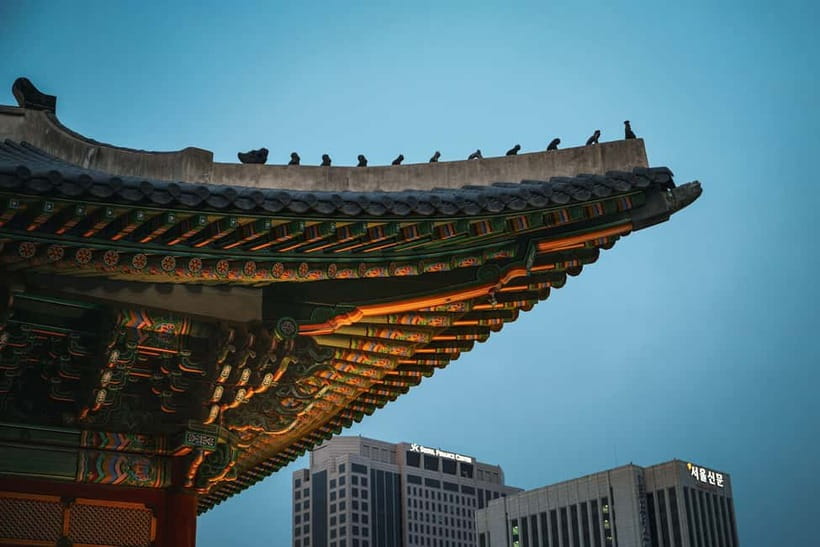
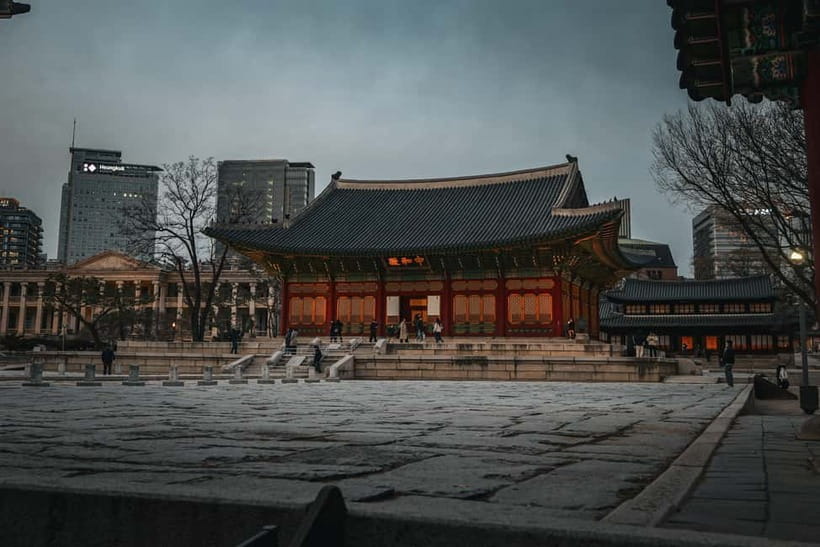
Deoksugung is known for the way Korean royal buildings sit alongside Western-style architecture. That mixture reflects Korea’s effort to respond to modernization and foreign pressure while holding on to its own traditions. After Seodaemun Prison, the palace becomes a useful study in how the country was changing at the top level.
You can expect a more open, visually varied setting here. Traditional Korean design and Western forms appear within the same royal grounds, creating a contrast that is easy to understand even if you are new to Korean history.
The palace also gives the tour a change of mood. Seodaemun is somber and enclosed. Deoksugung provides space, architecture, and a chance to consider the political choices facing Korea during a period of rapid change.
Do not treat it as only a palace photo stop. Listen for the explanation of modernization and political turbulence. That context is what turns the buildings into evidence of a complicated period rather than a collection of attractive facades.
Seoul City Hall and Sungnyemun Gate
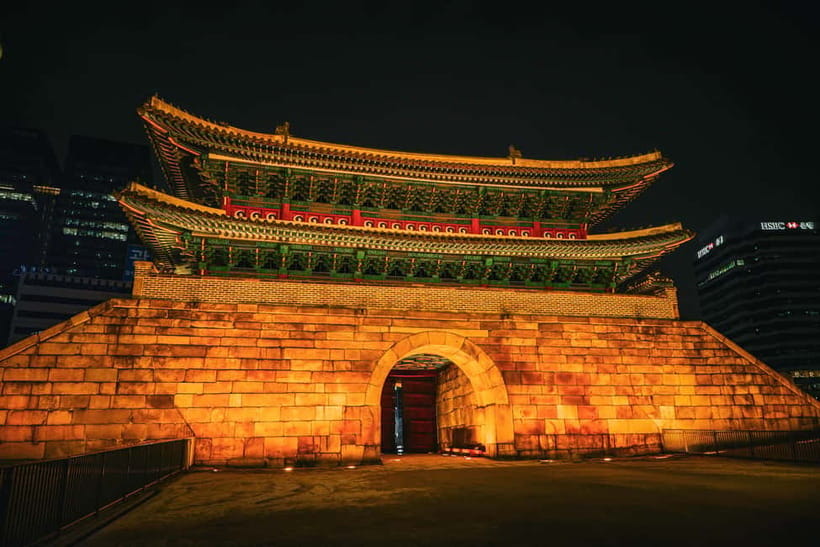
Two short visits follow, each listed at about 10 minutes: Seoul City Hall and Sungnyemun Gate, also called Namdaemun.
Seoul City Hall represents a modern Seoul shaped by major political and social change. Passing this civic landmark helps connect the earlier colonial story with Korea’s later development as a democracy. The stop is brief, so expect an outside view and a guide’s explanation rather than an extended building tour.
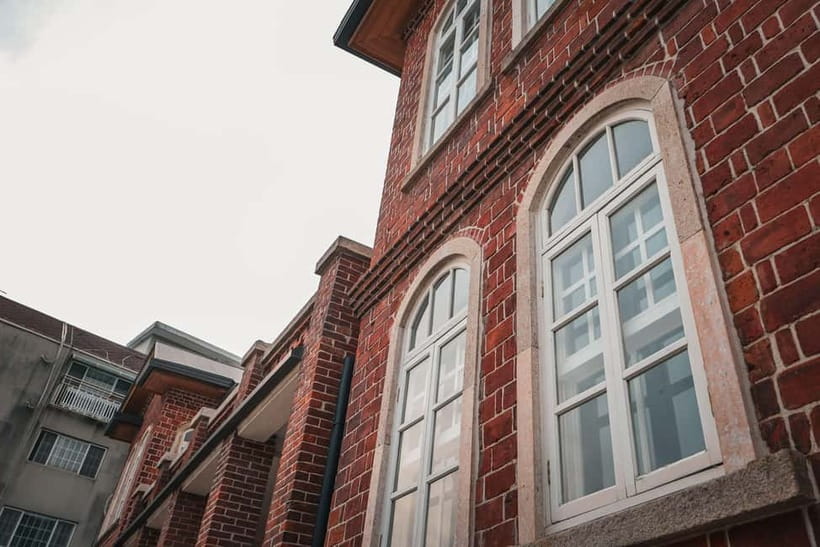
Sungnyemun Gate gives you a much older reference point. The 600-year-old gate was the southern entrance to Seoul during the Joseon Dynasty and is recognized as a national treasure. Its presence adds depth to the day because the tour is not only about the twentieth century. You also see a surviving link to the city’s royal-era defenses and street layout.
The contrast is valuable: City Hall points toward modern government, while Sungnyemun reaches back to Joseon Seoul. You get only 10 minutes at each place, so these are supporting stops rather than the main event. Still, they help the guide show how the city changed across centuries.
Namdaemun Market, Kalguksu Alley, and street food
The final hour is spent at Namdaemun Market, one of Seoul’s oldest and largest traditional markets. The market has been a place of trade for more than 600 years, and it remains a practical part of city life rather than a museum display.
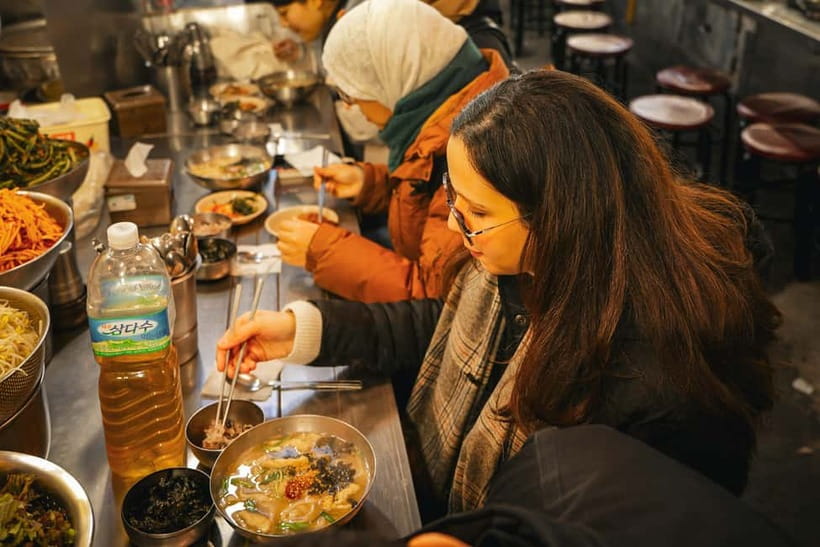
This is where the tour becomes especially personal. Instead of ending with a monument, you eat. The experience includes food tastings and a meal in Kalguksu Alley, where small stalls serve steaming bowls of handmade knife-cut noodles.
Kalguksu is simple, warm, and filling. It is a good choice after several hours of walking and concentration. The small food alley setting also feels different from a standard restaurant meal. You are eating in a working market environment, close to vendors and other diners.
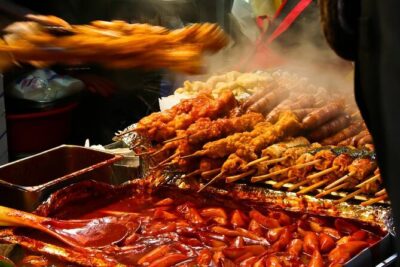
The tastings may include street foods such as hotteok and gimbap. Hotteok gives you a sweet, warm snack, while gimbap offers a savory rice-and-seaweed bite. Exact food details can vary, so keep an open mind and follow the guide’s lead.
I especially like that the meal is built into the route rather than left as an optional extra. Food is one of the clearest ways to understand a place, and the market gives you a direct look at everyday Korean eating habits. It also gives the group time to relax after the serious opening stops.
You should not expect a long, unstructured shopping session. The market portion lasts about an hour and focuses on food tasting and Kalguksu Alley. If you want extensive browsing for clothing, household goods, or souvenirs, plan a separate return visit.
What the $58 price includes
At $58 per person, this is not the cheapest way to walk around central Seoul. The value comes from the number of paid sites, the English-speaking guide, transportation costs, and food tastings bundled into one half-day outing.
You are paying for more than entry tickets. The guide provides the historical links between places that you might otherwise visit separately and understand only in fragments. Seodaemun Prison, Dilkusha, Deoksugung Palace, City Hall, Sungnyemun Gate, and Namdaemun Market cover a lot of ground in four hours.
The price makes the most sense if you want structure and explanation. Independent visitors can reach these areas by public transport, but they would need to plan the route, arrange admissions, research the sites, and choose where to eat. This tour handles those pieces for you.
The value is weaker if you prefer to linger at one palace or spend a full afternoon eating and shopping. The route is broad, not slow. You pay for range and interpretation rather than unlimited time at any one stop.
Free cancellation up to 24 hours before the tour and the option to reserve now and pay later make it easier to fit into a changing Seoul schedule. Extra fees are not included, so check any personal purchases or costs outside the listed admissions, transport, and tastings.
Who should book this experience
I would recommend this tour to first-time visitors who want a clear introduction to Korea’s modern history. It is also a good fit if you enjoy serious historical sites but do not want to spend the whole day in museums.
Food-focused visitors will appreciate the ending. The market meal is not an elaborate dining experience, but it is direct, local, and tied to the neighborhood you are visiting. You get noodles, street snacks, and a look at how a traditional market functions.
The tour suits curious adults and older children who can handle the subject matter. Seodaemun Prison deals with imprisonment and suffering, so parents should decide in advance if that setting is right for younger children.
It is less suitable for anyone who wants a slow pace, extensive shopping time, or a palace-only tour. It is also not suitable for wheelchair users, and the walking demands make comfortable shoes essential.
The guide can shape how much you get from the day. Janice is described as passionate about the material, while Ron brings a friendly manner and welcomes questions about Korean culture, food, and other historical periods. Guide assignments can vary, but the format favors people who want conversation rather than a silent transfer between attractions.
Practical details before you reserve
The tour lasts four hours and runs at set starting times, so check availability before making other plans. It begins and ends at Dongnimmun Station, Exit 5.
Bring a phone number that works with WhatsApp. Tour information is sent one to two days before departure, so make sure the provider can reach you.
Wear shoes made for walking. The amount is moderate, but the route includes several sites and can switch from vehicle travel to walking depending on conditions. The tour is listed as unsuitable for people with altitude sickness as well as wheelchair users.
Food tastings are included, but the details of what you receive can depend on the market visit. If you have dietary restrictions, ask before booking because no specific accommodation is provided in the information available here.
Should you book the Seoul Colonial History and Market Food Tour?
Book it if you want a compact, guided route through Seoul’s colonial past, royal architecture, and present-day food culture. The strongest parts are the 80-minute Seodaemun Prison visit, the thoughtful connection to Dilkusha, and the satisfying finish in Kalguksu Alley.
Skip it if you need a relaxed pace or want to explore each place on your own timetable. The emotional weight of the prison and the amount of walking also deserve honest consideration.
For the right visitor, $58 is fair. You get admissions, transport, a professional English-speaking guide, and food tastings, while the route gives you a useful framework for understanding Seoul beyond its palace gates and shopping streets.
FAQ
How long does the tour last?
The tour lasts four hours.
Where does the tour begin?
It begins at Dongnimmun Station, Exit 5. Look for a guide holding a Tripper sign.
Where does the tour end?
The activity ends back at the meeting point at Dongnimmun Station.
What language is the tour conducted in?
The live tour guide speaks English.
Is transportation included?
Yes. Transportation costs are included, though the vehicle route may change to walking depending on local conditions.
Are entrance fees included?
Yes. The listed entrance fees are included in the price.
Is food included?
Yes. Food tastings at Namdaemun Market are included, including a visit to Kalguksu Alley. Street foods may include items such as hotteok and gimbap.
How much walking is involved?
The tour involves a moderate amount of walking. Comfortable shoes are recommended, and participants should have a reasonable level of fitness.
Is the tour suitable for wheelchair users?
No. The activity is listed as unsuitable for wheelchair users.
Can I cancel for a refund?
Yes. You can cancel up to 24 hours in advance for a full refund. You can also reserve now and pay later.
More History Tours in Seoul
- Hanbok Photoshoot and History Tour at Gyeongbokgung Palace
★ 5.0 · 276 reviews - Seoul: Deoksugung Palace Heritage Walking Tour
★ 4.9 · 5 reviews - Madrid Essential: Historic Center, Plaza Mayor & Royal Palace
★ 5.0 · 6,416 reviews - Venice’s Best: Basilica, Doge’s Palace, Gondola & History Gallery
★ 4.5 · 2,478 reviews
More Market and Palace Walks in Seoul
- Seoul: Palace, Temple and Market Guided Foodie Tour at Night
★ 4.9 · 750 reviews - Korean Palace and Market Tour in Seoul Including Insadong and Gyeongbokgung Palace
★ 4.0 · 174 reviews - Seoul: Nighttime Tour of Palace, Market, Naksan Park & More
★ 4.9 · 143 reviews - Seoul: Gyeongbok Palace, N Tower, & Local Market City Tour
★ 4.9 · 107 reviews
Just added around Seoul
- Time Travel in Seoul: Gyeongbokgung, Folk Museum & Bukchon★ 5.0 · 10 reviews
- Seoul: Royal Palace Morning Tour including Cheongwadae★ 4.5 · 12 reviews
- Seoul: Vegan Temple Food Class, Jogyesa & Changdeokgung Tour★ 4.6 · 34 reviews
- Seoul: UNESCO Palace and Street Foods Guided Tour★ 5.0 · 6 reviews
- Seoul: UNESCO Sites tour: Palace, Shrine & Bukchon Village★ 4.8 · 26 reviews
- Seoul: Hanbok Photo Tour at Gyeongbokgung Palace★ 5.0 · 9 reviews
- Seoul: Gyeongbokgung Palace Tour & Lunch at Authentic Market★ 4.5 · 2 reviews
- Seoul: Gyeongbokgung, Lotte Tower & Gangnam Trendy Day Tour★ 4.4 · 3 reviews
Seoul Palace Tours, compared.
Gyeongbok Palace, Bukchon Village, and Gwangjang Tour
Read our review →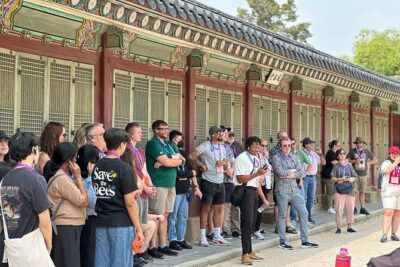
Best Seoul City Tour (Gyeongbokgung Palace,Insadong,Namsan Tower)
Read our review →
Small-Group Royal Palace and Seoul City Tour (hotel pick-up)
Read our review →
Seoul City Sightseeing Tour Including Gyeongbokgung Palace, N Seoul Tower, and Namsangol Hanok Village
Read our review →Gyeongbok Palace, Bukchon Village, and Gwangjang Tour
Read our review →
Seoul Half-Day City Highlight, Palace Tour with Hanbok
Read our review →
Palace, Temple and Market Guided Foodie Tour at Night
Read our review →
Seoul Highlights: Gyeongbok Palace, Insadong & N Seoul Tower
Read our review →Browse the lists this tour appears in