
REVIEW · KOREAN PALACE TOURS
Seoul: Deoksugung Palace Heritage Walking Tour
The clever thing about this three-hour walk is its route. You begin at Deoksugung Palace, then follow the streets where royal power, foreign missions, churches, schools, government offices, and modern Seoul all meet. It is less a quick palace visit than a guided lesson in how Korea changed as it opened to the outside world.
I like the mix of royal buildings and ordinary city life, and I like that the tour reaches places many first-time Seoul visitors pass without understanding. The stories can range from late Joseon politics to Korean schools, work culture, and the meaning of public monuments. One consideration: this is a walking tour with several outdoor stops, so comfortable shoes and sensible weather planning matter.
Key points to know
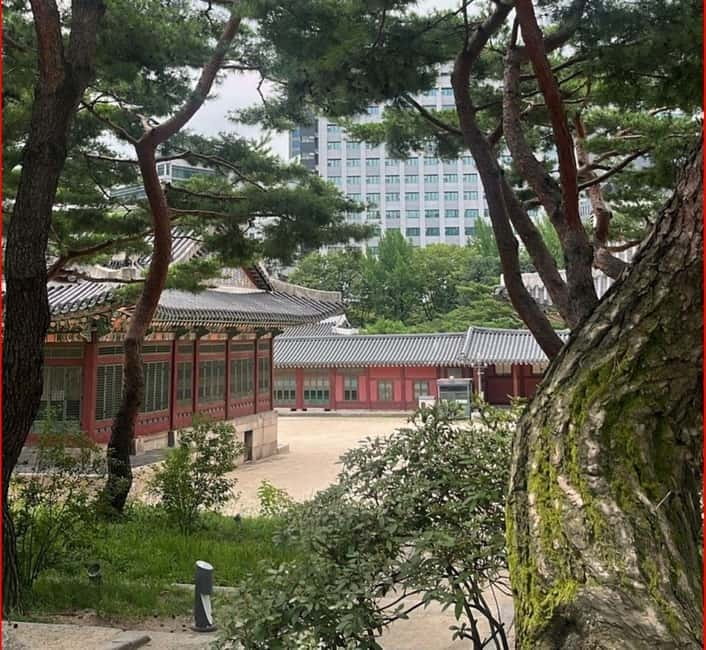
- Deoksugung Palace links Korean and Western design, showing how the royal compound changed during Korea’s final Joseon years.
- Jeongdong-gil reveals the foreign presence in early modern Seoul, with former missionary institutions, churches, embassies, and political sites.
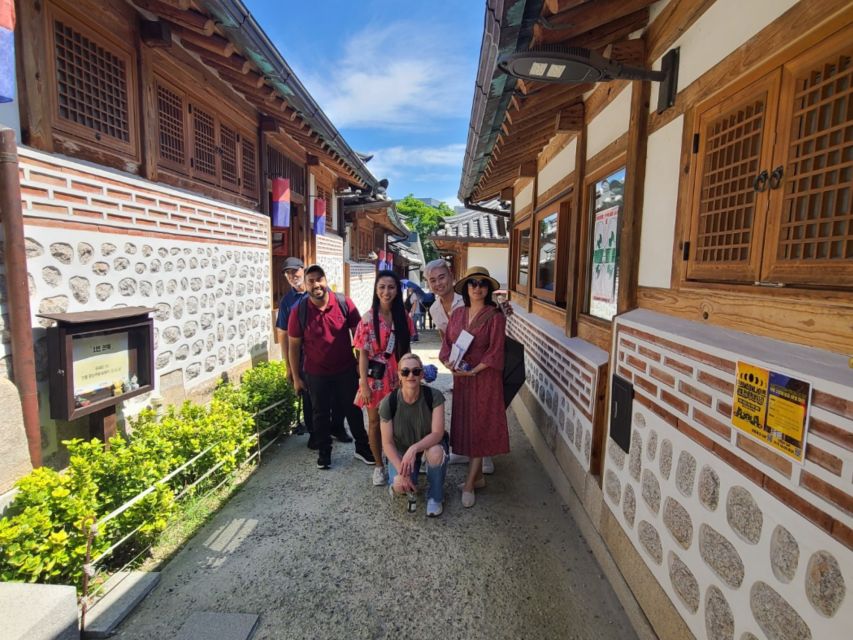
- Donuimun Museum Village preserves Seoul homes from the 1900s through the 1980s, giving you a look at everyday architecture rather than royal grandeur.
- Gwanghwamun Square works as an open-air history lesson, with statues and monuments tied to major moments in Korea’s national story.
- Cheonggyecheon provides a calm finish, after the route has covered palaces, streets, civic buildings, and public memory.
- A private option is available, while the shared version keeps the experience more social and usually better priced for solo visitors.
Why this route gives you more than a palace tour
Deoksugung is the anchor, but the wider route is the real reason to book this experience. A palace by itself can show you gates, courtyards, halls, and decorative details. This walk explains what happened when Korea’s old royal order met foreign schools, churches, diplomats, new forms of education, and the pressure of outside powers.
That context matters. The tour focuses on the late Joseon Dynasty and Korea’s opening to the world, a period when Seoul was changing at a remarkable pace. You are not only looking at old buildings. You are asking why they appeared, who used them, and what they tell you about Korea’s move toward modern government and society.
The walk also follows what is sometimes described as Seoul’s government corridor. That makes the final sections at Gwanghwamun Square especially useful. You see how palaces, ministries, civic monuments, and public spaces fit together rather than treating each sight as an isolated stop.
The experience has a strong educational side, but it is not presented as a formal lecture. The English-speaking guide leads you on foot and adds stories along the way. One guide named Mitch received especially warm praise for answering questions not only about the sites, but also about Korea’s work culture and school system. That gives you a useful idea of the tour’s potential: bring questions, because the conversation can extend beyond the standard facts.
More Korean palace tours in Seoul:
- Seoul: Gyeongbok Palace, Bukchon Village, and Gwangjang Tour
★ 4.9 · 2,321 reviews - Best Seoul City Tour (Gyeongbokgung Palace,Insadong,Namsan Tower)
★ 5.0 · 1,647 reviews - Seoul City Sightseeing Tour Including Gyeongbokgung Palace, N Seoul Tower, and Namsangol Hanok Village
★ 5.0 · 1,423 reviews
Starting at City Hall and entering Deoksugung
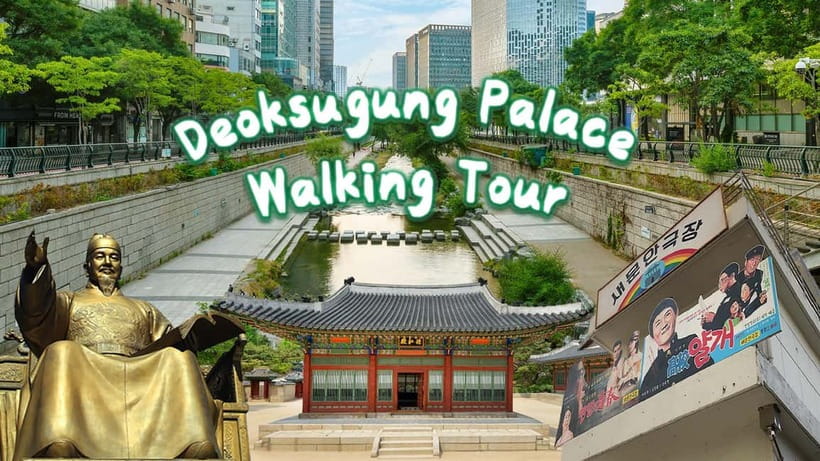
Meet in front of the Deoksugung Palace ticket office, near Exit 2 of City Hall Station. This is a practical starting point because the station is easy to identify and the palace entrance puts you right beside the first major stop.
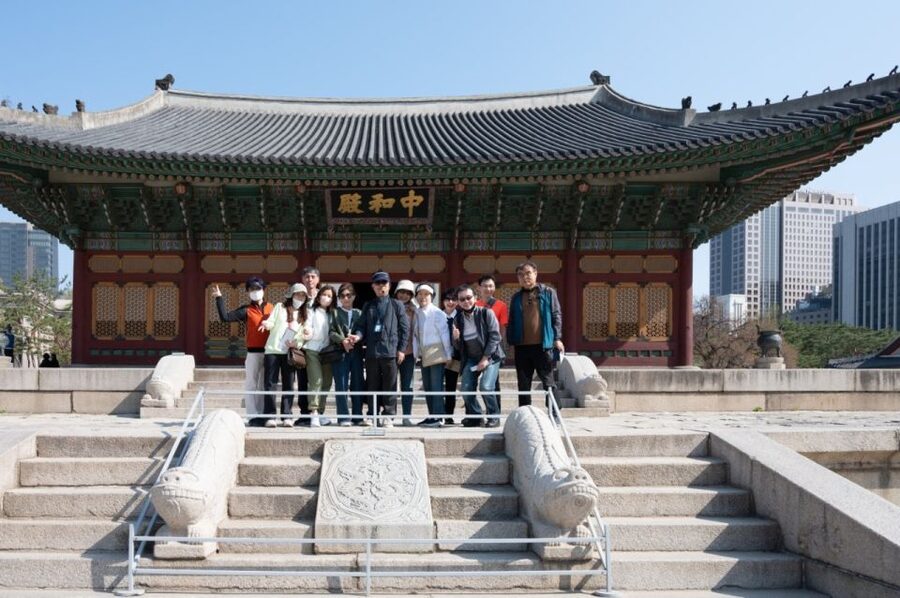
The palace visit lasts about 45 minutes. Deoksugung began as the residence of a royal relative in the late fourteenth century, then became a principal palace during the Japanese invasion of 1592. Its long use gives the guide plenty to work with, especially when explaining the five-century Joseon legacy and the palace’s later role during a period of national strain.
What makes Deoksugung unusual is the meeting of Korean and Western elements. You will see the traditional palace setting alongside structures and influences connected with Korea’s modern opening. The contrast is not just visual decoration. It reflects a royal court trying to respond to a changing world.
I would pay close attention to the guide’s explanation of that transition rather than rushing to photograph every roofline. The value here lies in seeing the palace as a place of political change. The guide’s historical anecdotes should help you understand why Deoksugung matters beyond its age.
The palace section is relatively short for such an important site. If you want a slow, detail-heavy examination of every building, three hours will not provide that. If you want a clear introduction that connects the palace to the streets beyond it, the timing works well.
Jeongdong-gil and the foreign institutions of early modern Seoul
After Deoksugung, the walk moves through Jung-gu and along Jeongdong-gil. This section takes about 20 minutes and is easy to underestimate. The street may look like a pleasant urban route, but your guide uses it to explain the institutions that helped shape modern Korea.
The area was home to important foreign missionary organizations and several foreign embassies. Along the way, you pass or learn about Paichai Academy, Chungdong First Methodist Church, the Russian Embassy, and Gyeonggyojang.
Each stop adds a different piece to the story. Paichai Academy points to the role of modern education. Chungdong First Methodist Church reflects the arrival and influence of foreign religious institutions. The Russian Embassy brings diplomacy and international rivalry into the picture. Gyeonggyojang adds another layer of political history.
This is one of the strongest parts of the walk for anyone who wants more than palace architecture. You get to see how modern institutions arrived in Seoul and how foreign connections affected education, religion, diplomacy, and public life.
The route also helps you read the city at street level. You are moving through present-day Seoul while hearing about an older city beneath it. That contrast is valuable because the historic sites are not isolated museum pieces. They sit among offices, roads, cafés, and daily city routines.
The café break and the pace of the walk
The schedule includes about 15 minutes at a local café for coffee or tea. Food and drinks are not included, so plan to pay for your own order.
This short break is useful. Three hours on foot can feel surprisingly long when much of the time is spent listening and moving between stops. A café pause gives you a chance to rest, ask follow-up questions, and reset before the museum village and public squares.
Do not expect a full meal here. The stop is designed as a brief pause rather than a restaurant visit. If you need more than a drink, eat before the tour or plan a meal after it.
More history tours in Seoul:
- Hanbok Photoshoot and History Tour at Gyeongbokgung Palace
★ 5.0 · 276 reviews - Seoul: Colonial History Tour with Prison&Palace, Market Food
★ 5.0 · 5 reviews - Madrid Essential: Historic Center, Plaza Mayor & Royal Palace
★ 5.0 · 6,416 reviews - Venice’s Best: Basilica, Doge’s Palace, Gondola & History Gallery
★ 4.5 · 2,478 reviews
Donuimun Museum Village and Seoul’s changing homes
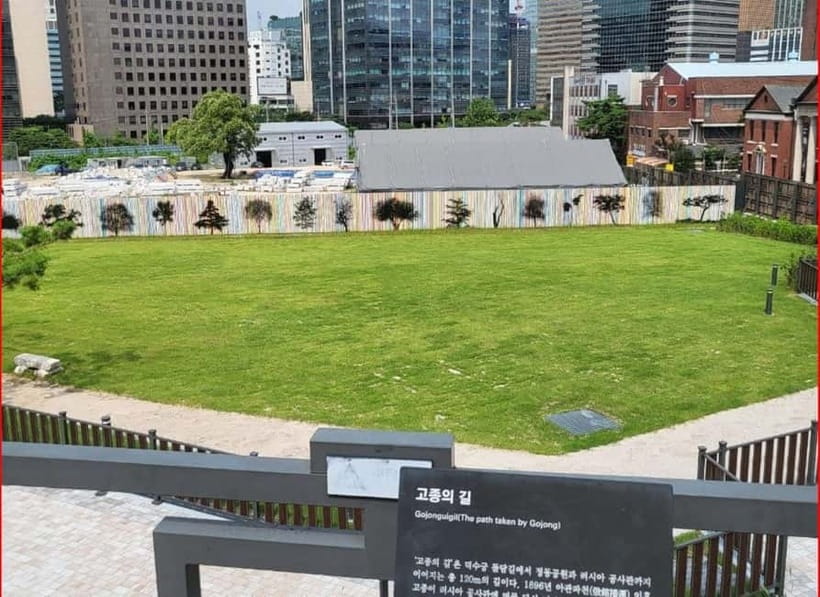
The next major stop is Donuimun Museum Village, visited for about 20 minutes. Founded in September 2017, the outdoor village preserves 40 of the 63 houses that once stood in the historic Saemunan district.
This stop changes the focus from palaces and public institutions to ordinary buildings. You can see examples of Seoul architecture from the 1900s through the 1980s. That broad time span helps you see how homes and neighborhoods changed as the city modernized.
I like this inclusion because royal sites can give you a very polished view of the past. Donuimun adds a more domestic, street-level side. It suggests how Seoul’s built environment developed through the twentieth century, not just how kings and officials lived.
The visit is brief, so expect an introduction rather than a full museum study. You will have time to see the setting and understand its purpose, but not to inspect every preserved house in depth. If the village catches your interest, it may be worth returning later on your own.
From here, the walk continues on foot for about 20 minutes. That transfer is part of the experience, not dead time. You are moving through central Seoul while the guide continues to connect the preserved past with the working city around you.
Gwanghwamun Square and the stories behind public monuments
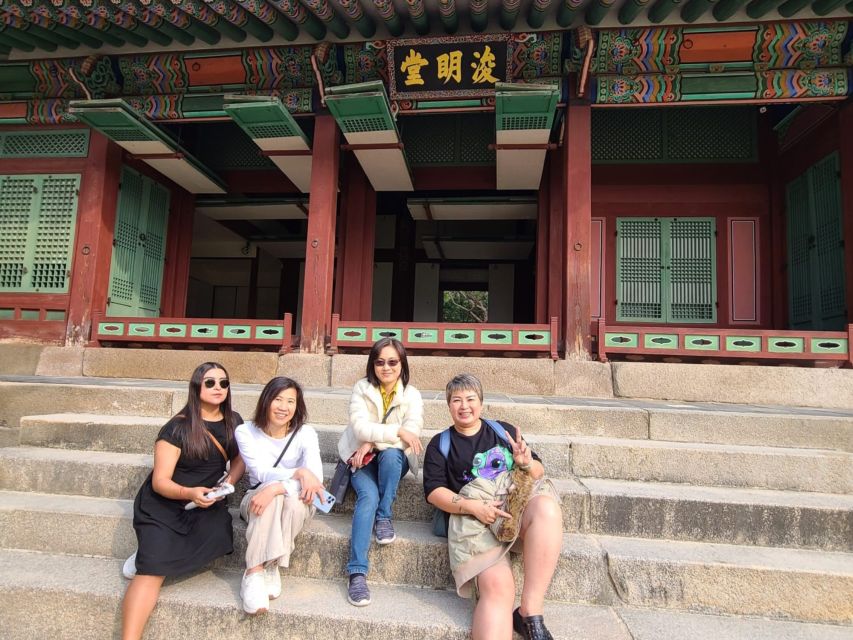
Gwanghwamun Square receives about 30 minutes. This is one of Seoul’s most important public spaces, and the guide uses its statues and monuments to explain major moments in Korea’s national journey.
A good guide can make a large square readable. Instead of seeing only a broad plaza and famous figures, you learn why particular monuments matter and how they relate to Korean progress and cultural values.
This stop is especially useful if you have already seen photographs of Gwanghwamun but never understood its role. The square is not simply a grand backdrop for sightseeing. It carries ideas about leadership, national identity, memory, and public life.
You should also expect this section to feel more open and exposed than the palace or village. Weather can affect your comfort, especially on a hot, cold, or rainy day. Bring water when needed, and use sunscreen or a rain layer according to the forecast.
The route’s move from Deoksugung to Gwanghwamun also creates a useful contrast. At the palace, power is enclosed behind gates and courtyards. At the square, national stories are presented in a public setting used by the whole city.
Ending beside Cheonggyecheon
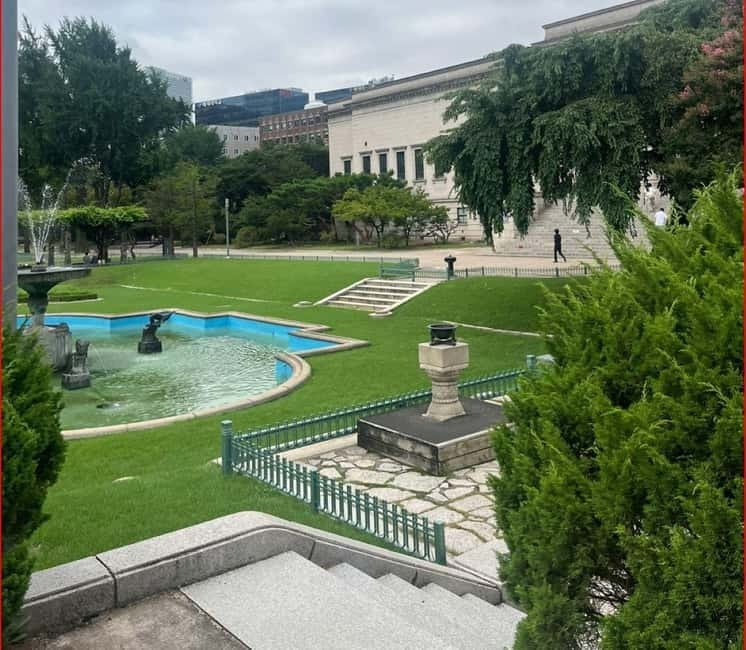
The tour finishes at 1 Cheonggyecheon-ro, near Cheonggyecheon Stream. The final visit and walk take about 30 minutes.
Cheonggyecheon was once an unsightly drainage ditch before being renovated into a major cultural focus of Seoul. Today, the stream is lined with sculptures, restaurants, and cafés, and it hosts festivals at different times of year.
It is a fitting final stop because it shows modern Seoul’s effort to reshape its urban center. After spending the morning or afternoon with royal compounds, old institutions, and preserved houses, you finish with a public project that changed how people use the city.
The stream is also a pleasant place to continue your day. Since the tour ends here, you can easily use the nearby restaurants and cafés, or keep walking along the water. The finish is less abrupt than ending at a single historic building.
Do not expect the stream to provide the same kind of historical material as Deoksugung. Its value is partly civic and urban. It shows how Seoul presents history, recreation, and public space in a modern capital.
What the $56 price gets you
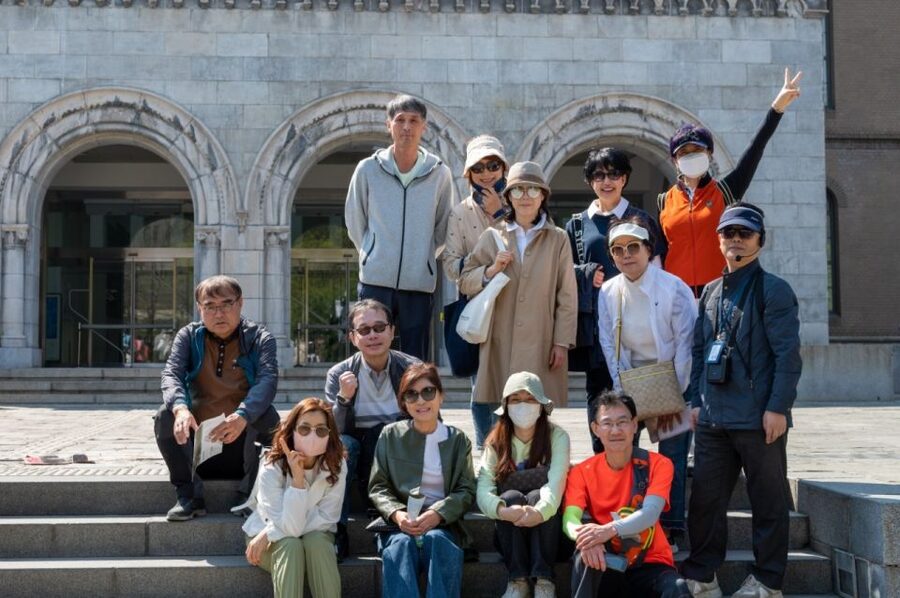
At $56 per person, the tour sits above the cost of a simple self-guided palace visit, but the comparison is not quite fair. The fee includes an English-speaking historical guide and entrance tickets, while the route covers several connected areas that would be harder to understand on your own.
The strongest value comes from interpretation. You can walk past Jeongdong-gil, the Russian Embassy, Gyeonggyojang, or Donuimun Museum Village without knowing why they matter. The guide gives those places a role in a larger story.
The price also buys efficiency. In three hours, you visit a palace, a historic street, a café area, a preserved village, a national square, and a restored stream. You do not need to plan the route or spend time working out the connections between each stop.
The shared tour should suit solo visitors and couples who enjoy conversation with a guide and other participants. A private group is available if you want more control over the pace or prefer to ask many questions.
I would choose the tour if Korean history is new to you and you want a structured introduction. If you already know Seoul well and prefer wandering without a timetable, the price may feel less worthwhile. You are paying mainly for the guide’s explanations and the carefully linked route, not for luxury transport or a long café stop.
Practical details for a comfortable afternoon
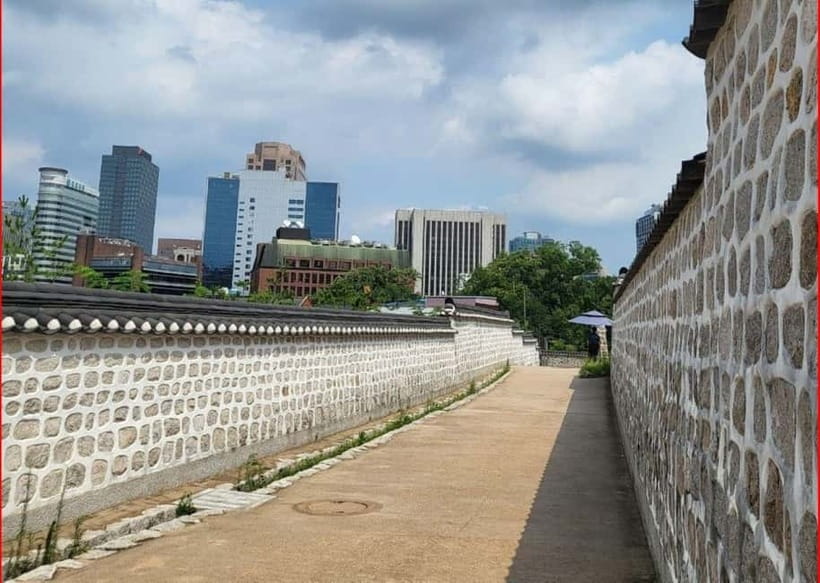
This is a walking tour, and transportation is not included. Wear comfortable shoes. The route includes palace paths, city sidewalks, and longer stretches on foot between stops.
The duration is three hours, with starting times depending on availability. The published minimum traveler requirement means the activity can be canceled if too few people book. In that case, you are offered another date or a full refund.
You can cancel up to 24 hours in advance for a full refund, and the reserve-now, pay-later option allows you to hold a place without paying immediately. Make sure you have an instant messaging method available on the day, including a way for the guide to contact you and locate you in an emergency.
English and Korean guiding are available. Since the tour depends on spoken explanation, stay close enough to hear and do not hesitate to ask questions. The strongest experience will come from treating the walk as a conversation, not just a sequence of photo stops.
Who should book this Seoul heritage walk?
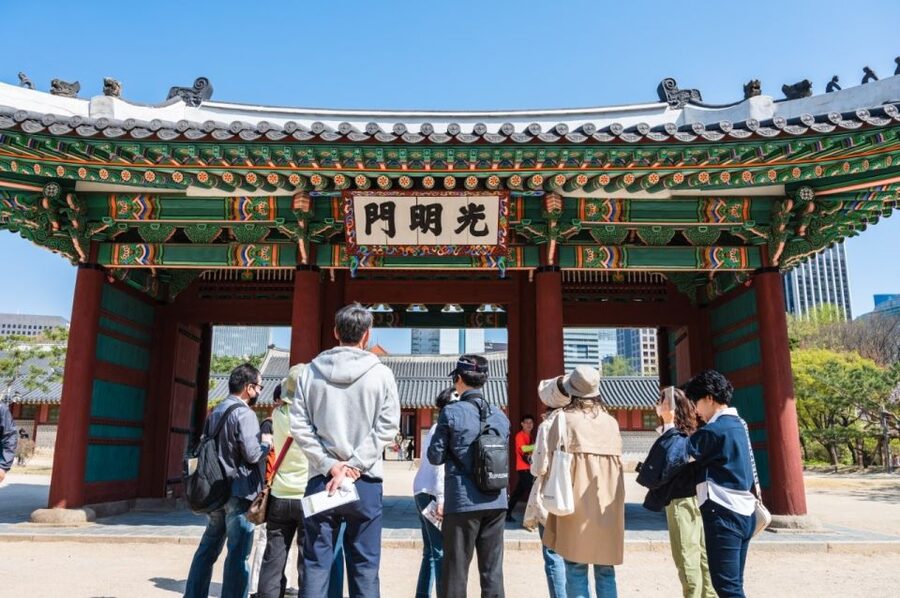
I would recommend it to you if you want to understand how Korea moved from a royal Joseon state toward a modern nation. It is especially useful for first-time visitors who want context before exploring more of Seoul on their own.
History fans will appreciate the combination of palace politics, foreign institutions, education, diplomacy, architecture, and public monuments. People interested in everyday city life will also enjoy Donuimun Museum Village and the walk through present-day streets.
The tour may be less suitable if you dislike walking, want a food-focused experience, or prefer to spend most of your time inside museums. It is also not the right choice if you want a private car or a relaxed schedule with long stops at each sight.
The guide quality matters here. The available feedback gives Mitch particular credit for broad answers and detailed historical explanations, but the activity also offers other English-speaking guides. If Mitch is available when you book, that may appeal to you, but it should not be assumed.
Should you book it?
Book this tour if you want a clear, connected story of Seoul rather than a quick palace photo stop. Its best features are the route through Jeongdong-gil, the less obvious historic sites, and the guide’s ability to connect Korean history with present-day questions about society and culture.
Skip it if your priority is shopping, food, or independent wandering. For most curious visitors, though, $56 is a reasonable price for three hours of guided history, palace admission, and a route that reaches places you might otherwise overlook.
FAQ
How long does the Deoksugung Palace Heritage Walking Tour last?
The tour lasts three hours.
Where does the tour start?
It starts in front of the Deoksugung Palace ticket office, near Exit 2 of City Hall Station.
Where does the tour finish?
It finishes at 1 Cheonggyecheon-ro in Jongno-gu, Seoul, near Cheonggyecheon Stream.
What is included in the price?
The price includes an English-speaking historical guide and an entrance ticket. Food, drinks, and transportation are not included.
Is the tour available as a private experience?
Yes. You can choose a private group option or join a shared group experience.
What languages are available?
Guiding is available in English and Korean.
What should I bring?
Bring comfortable shoes because the activity is a walking tour. You should also have an instant messaging method available for emergency contact on the day of departure.
More Walking Tours Past the Palaces in Seoul
- Seoul: Gyeongbok Palace and Bukchon Hanok Walking Tour
★ 4.8 · 157 reviews - Best Walking Tour to Gyeongbok Palace Bukchon Hanok Village
★ 5.0 · 138 reviews - Venice: Doge’s Palace and St Mark’s Basilica Walking Tour
★ 4.4 · 6,291 reviews - Prague: 3-Hour Walking Tour of Old Town & Prague Castle
★ 4.7 · 5,696 reviews
Just added around Seoul
- Time Travel in Seoul: Gyeongbokgung, Folk Museum & Bukchon★ 5.0 · 10 reviews
- Seoul: Royal Palace Morning Tour including Cheongwadae★ 4.5 · 12 reviews
- Seoul: Vegan Temple Food Class, Jogyesa & Changdeokgung Tour★ 4.6 · 34 reviews
- Seoul: UNESCO Palace and Street Foods Guided Tour★ 5.0 · 6 reviews
- Seoul: UNESCO Sites tour: Palace, Shrine & Bukchon Village★ 4.8 · 26 reviews
- Seoul: Gyeongbokgung Palace Tour & Lunch at Authentic Market★ 4.5 · 2 reviews
- Seoul: Gyeongbokgung, Lotte Tower & Gangnam Trendy Day Tour★ 4.4 · 3 reviews
- Seoul: Hanbok Photo Tour at Gyeongbokgung Palace★ 5.0 · 9 reviews
Korean Palace Tours, compared.
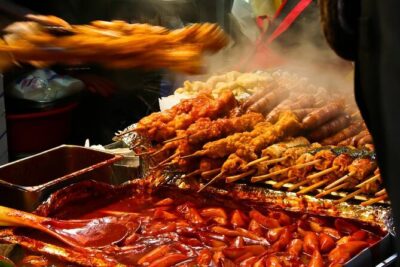
Gyeongbok Palace, Bukchon Village, and Gwangjang Tour
Read our review →
Best Seoul City Tour (Gyeongbokgung Palace,Insadong,Namsan Tower)
Read our review →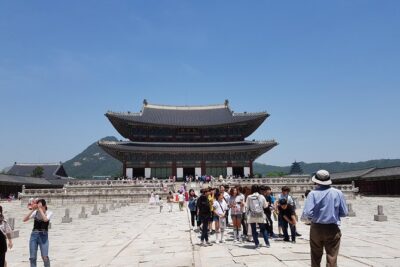
Seoul City Sightseeing Tour Including Gyeongbokgung Palace, N Seoul Tower, and Namsangol Hanok Village
Read our review →Gyeongbok Palace, Bukchon Village, and Gwangjang Tour
Read our review →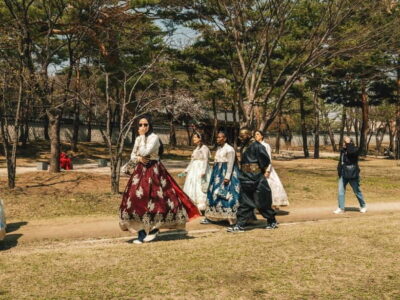
Seoul Half-Day City Highlight, Palace Tour with Hanbok
Read our review →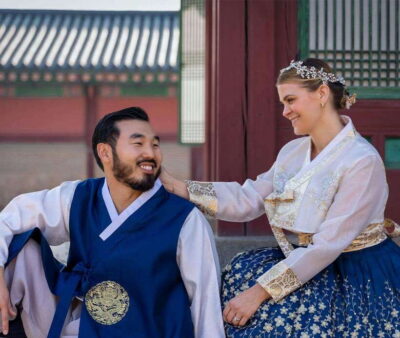
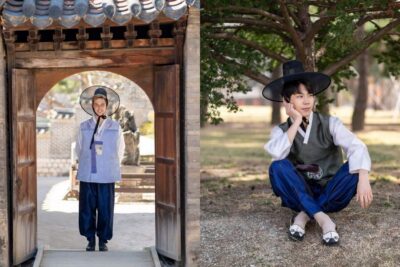
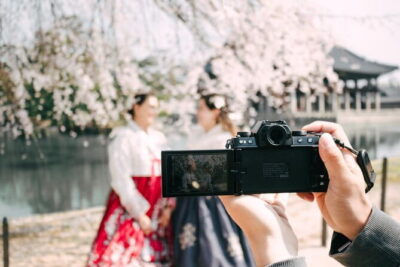
Hanbok Photoshoot and History Tour at Gyeongbokgung Palace
Read our review →Browse the lists this tour appears in