
REVIEW · VIETNAM PALACE TOURS
Free E-Sim War Remnants Museum & Independence Palace Tour
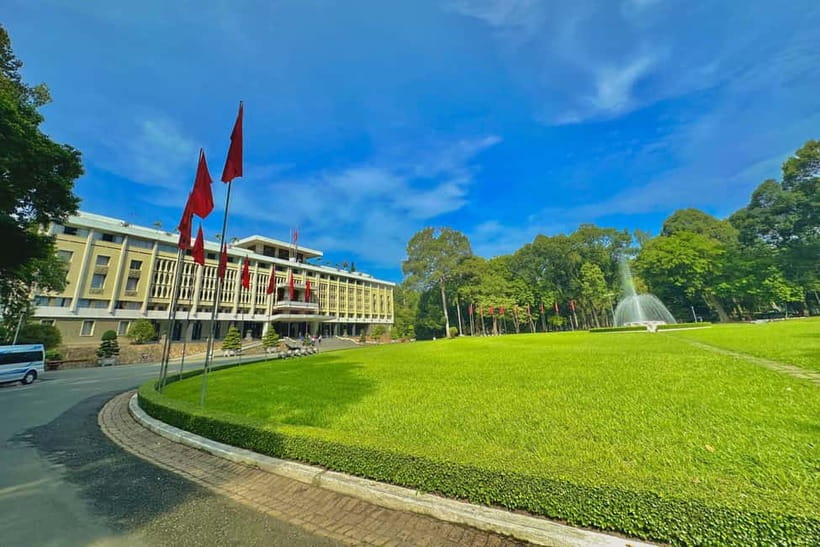
Ho Chi Minh City’s Independence Palace and War Remnants Museum tell two parts of the same story. One is a preserved political building where the country’s reunification took shape. The other confronts you with the human cost of the Vietnam War. Together, they turn a visit to central Saigon into a lesson you will remember.
I like the way the tour pairs the Palace and museum, rather than treating either place as a stand-alone sight. I also like having a guide to explain the political setting and personal stories behind the displays. Guides including Cyta, Tom, Steven, and Thi Bao Tran Tran have been praised for clear explanations and a patient approach.
The main drawback is emotional rather than practical: the museum contains upsetting images and material about wartime suffering. You should also note that transportation is not included, and the total duration can range from 90 minutes to four hours depending on the option you book.
Key points at a glance
- Two major sights in one central Ho Chi Minh City visit: See Independence Palace and the War Remnants Museum, with the order and meeting point depending on your chosen option.
- A guide adds essential context: English and French guides explain the buildings, political events, exhibits, and Vietnam’s path toward independence and reunification.
- The museum can be confronting: Expect serious material about the Vietnam War and its aftermath, including displays that may be difficult to see.
- The free eSIM adds practical value: You receive a free eSIM when you book, useful for staying connected during your time in Vietnam.
- Private and small-group choices are available: A private visit may suit you if you want to ask many questions or need a slower pace.
- Plan for walking and outdoor heat: Bring water and a hat, especially if you choose a longer option.
Two places that explain modern Vietnam
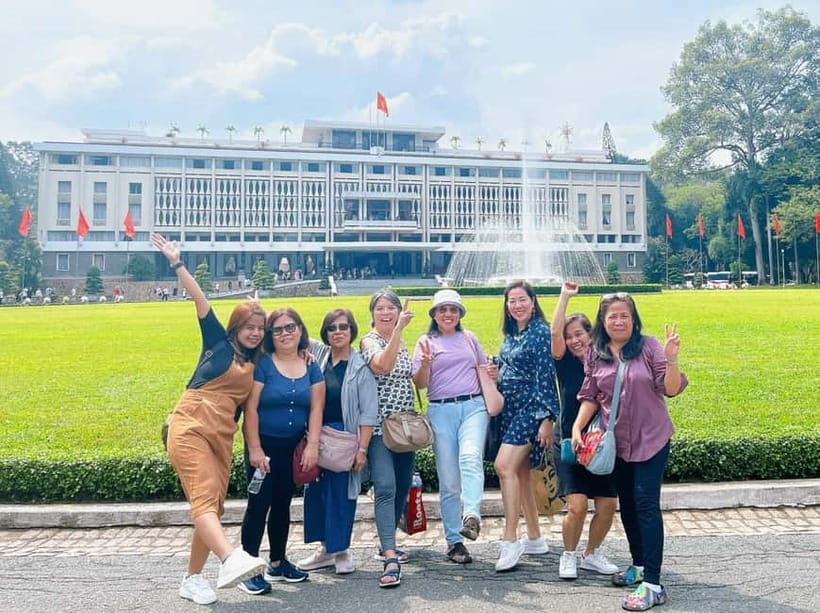
This experience works because the two stops complement each other. Independence Palace gives you a physical setting for Vietnam’s political past. The War Remnants Museum then shows the human consequences of the conflict in a much more direct way.
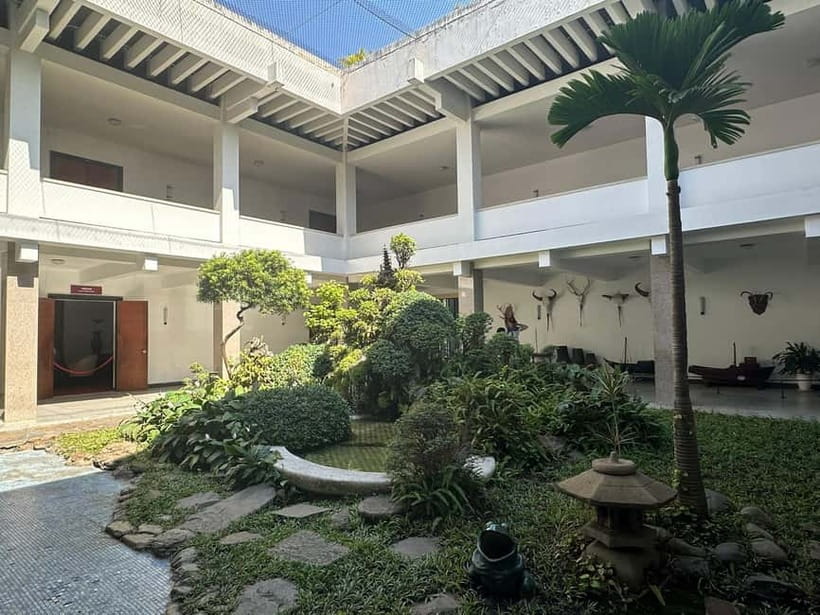
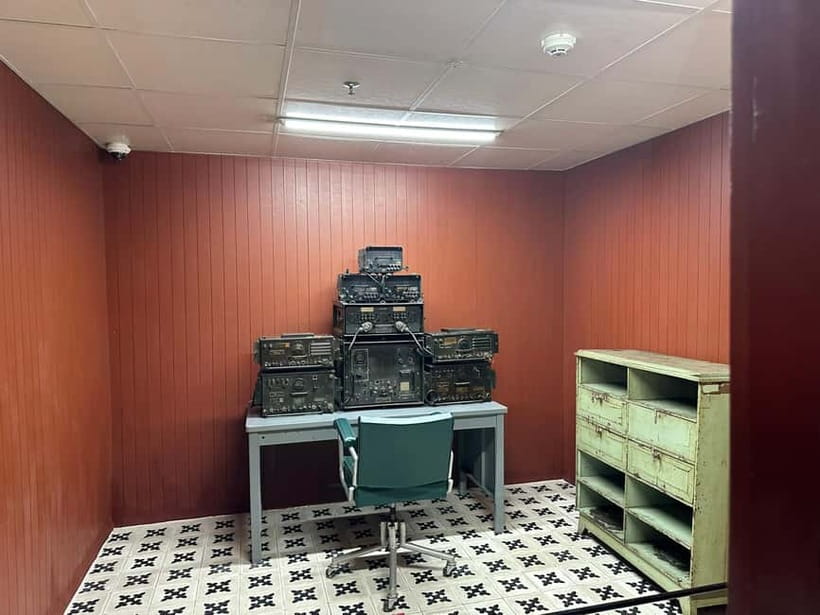
I find this combination more useful than visiting either sight alone. At the Palace, you see rooms, offices, corridors, and underground facilities connected with major events. At the museum, you face photographs, records, and objects that show how war affected civilians, soldiers, and the country as a whole.
The tone changes sharply between the two places. The Palace is formal and architectural. The museum is personal, painful, and often unsettling. A good guide helps you move between those moods without reducing Vietnam’s past to a simple story of heroes and villains.
The tour is priced at $16 per person. That is a fair amount if your package includes admission to both places and you value live interpretation. I would not choose it solely for the eSIM, but the free connectivity offer is a useful extra, particularly if you have not arranged mobile data before arriving.
More palace museums and galleries in the world:
- Vienna: Skip-the-Line Sisi Museum, Hofburg and Gardens Tour
★ 4.8 · 5,918 reviews - Venice’s Best: Basilica, Doge’s Palace, Gondola & History Gallery
★ 4.5 · 2,478 reviews - Vienna: Hofburg and Empress Sisi Museum Guided Tour
★ 4.7 · 1,460 reviews
Independence Palace: political rooms and a turning point
Independence Palace, also called Reunification Palace, is the natural starting point for understanding Ho Chi Minh City’s recent past. The building is linked to the former South Vietnamese government and to the events that brought the war to an end.
The appeal is not only the architecture. The Palace acts like a time capsule. Its rooms and official spaces preserve the atmosphere of a government headquarters, while the building’s history connects directly to Vietnam’s struggle for independence and reunification.
Your guide can help explain why the Palace matters beyond its grand rooms. Without that background, you may simply see a large administrative building with period furnishings. With context, the corridors and meeting rooms become part of a much larger political story.
The visit is listed as lasting about two hours on the longer itinerary. That gives you time to look at the building properly and ask questions. Shorter options may move faster, so check the duration shown when you select your booking.
The Palace is also one of the easier places to discuss Vietnam’s Eastern cultural identity alongside its modern political history. The experience is not just a war tour. It is also a look at how Vietnam presents its national story through a preserved public building.
I especially value this stop for first-time visitors to Ho Chi Minh City. It gives you a fixed point in time and place before the museum presents the conflict’s wider cost.
War Remnants Museum: powerful, difficult, and necessary
The War Remnants Museum is the more demanding half of the experience. It presents Vietnam’s account of the Vietnam War and its aftermath through photographs, documents, and preserved material.
You should allow yourself time here. The subject is serious, and the displays may be upsetting. The museum is designed to make you think about the effects of war on ordinary people, not just military decisions and political leaders.
This is where the guide matters most. Several guides, including Cyta, Tom, and Steven, have been praised for putting the exhibits into local context and explaining difficult subjects with care. Cyta in particular has been repeatedly singled out for being patient, friendly, and sensitive when visitors found the material upsetting.
A guide can also help you read the museum critically. War museums naturally present a particular national viewpoint. That does not make the displays unimportant, but it does mean you should consider the language, image selection, and emotional force of the presentation. A thoughtful guide can explain how the museum fits into Vietnam’s understanding of the war.
Do not expect a light sightseeing stop. The museum may leave you quiet for a while afterward. That is part of its value, but it also means the tour is not right for everyone, especially very young children or anyone who would rather avoid graphic wartime material.
The museum visit is listed as about two hours on the longer itinerary. If your package gives you less time, focus on the sections most relevant to your interests and ask your guide what should not be missed.
The guides shape the experience
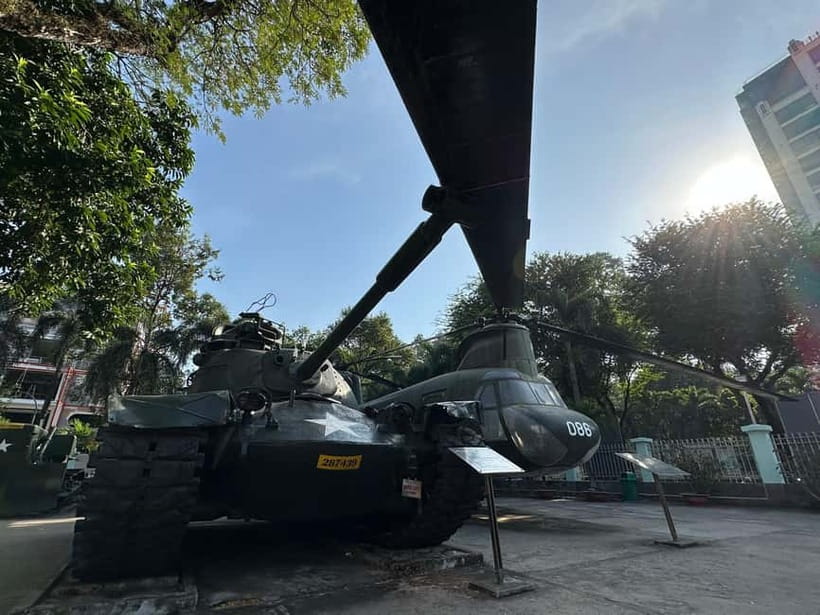
The strongest part of this tour is the human explanation. The sites contain plenty of information, but a guide can connect the dates, buildings, and exhibits into a story that is easier to follow.
Cyta is one guide whose name comes up often in the supplied feedback. She has been described as informative, personable, patient, and sensitive when discussing painful parts of the museum. Tom has been praised for providing local context, helping with photographs, and creating a relaxed private visit. Steven has been noted for explaining both Vietnamese history and cultural details.
Thi Bao Tran Tran has also been praised for linking the Palace to Vietnam’s wider path toward independence and unification. That broader framing is useful because it keeps the tour from becoming a list of rooms and dates.
Guide assignment can vary, so you should not book on the assumption that one particular person will lead your tour unless the booking specifically confirms it. Still, the range of positive comments suggests that the operator places real value on personal storytelling and clear explanations.
The tour is available in English and French. Private and small-group formats are offered. I would choose a private option if you have many questions, are sensitive to the museum’s subject matter, or want more flexibility with photographs and pauses. A small group may offer a better price balance while still giving you access to a guide.
A few more palace visits around the world worth a look
- Venice: Doge’s Palace Reserved Entry Ticket
★ 4.6 · 42,716 reviews - Paris: Versailles Palace and Gardens Full Access Ticket
★ 4.6 · 41,579 reviews - Seville: Royal Alcázar Entry Ticket
★ 4.6 · 28,378 reviews - Granada: Alhambra & Nasrid Palaces Tour with Tickets
★ 4.7 · 19,801 reviews
Timing, walking, and meeting points
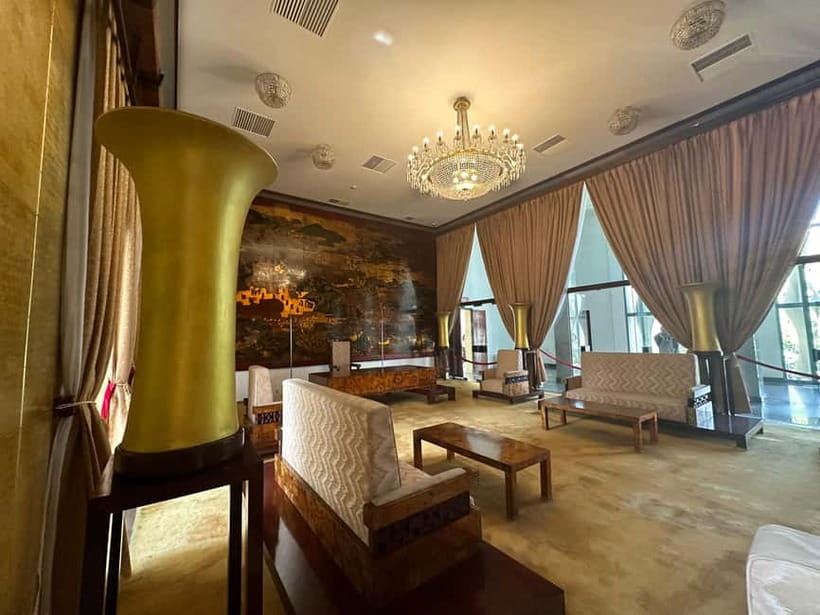
The stated duration ranges from 90 minutes to four hours. That is a wide range, so treat the exact option you choose as important. The longer itinerary lists roughly two hours at Independence Palace and two hours at the War Remnants Museum.
There is no included transportation. The available starting and ending points are around Independence Palace and the War Remnants Museum, including the Palace entrance at 191 Le Duan and the museum. Your exact meeting point depends on the option booked.
This arrangement can work well if you are already exploring central Ho Chi Minh City. It is less convenient if you expect hotel pickup or a vehicle between sights. Look carefully at the meeting point before paying, and allow time to reach it.
You will be on your feet for much of the visit. One visitor specifically advised bringing water and a hat, and that is sensible in Ho Chi Minh City. The Palace and museum are in the city, but outdoor walking between entrances and around the grounds can still feel hot.
The tour is not suitable for wheelchair users, according to the activity information. Babies under one year are also excluded. If you have mobility concerns, you should ask the provider for more detail before booking rather than assume the route will be manageable.
Is the free eSIM a real benefit?
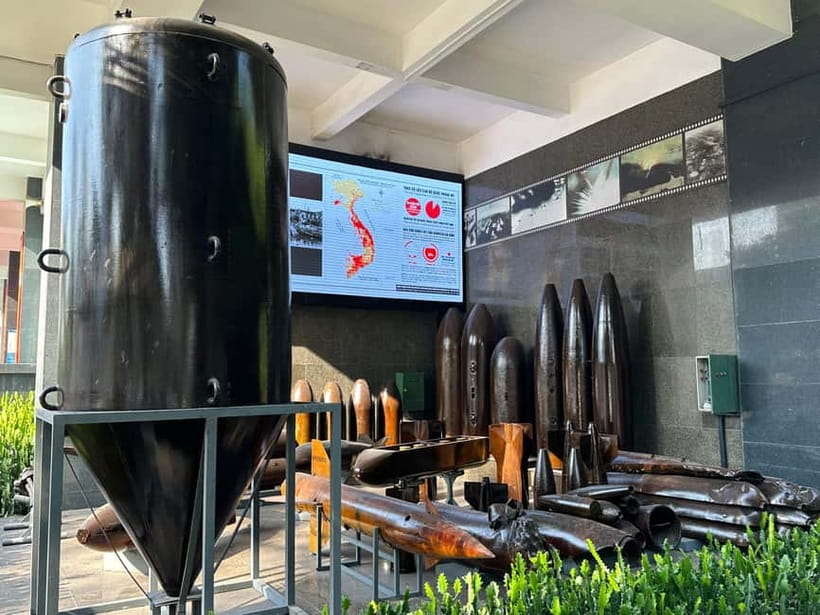
The free eSIM is a practical extra, especially if you need data for maps, ride bookings, translation, or keeping in touch. It may also help you find the meeting point if your hotel Wi-Fi is unreliable.
I would treat it as a bonus, not the main reason to choose the tour. The real value comes from the guide and the combination of two important historical sites. Before booking, check the terms of the eSIM offer and confirm that your phone supports eSIM service.
At $16 per person, the price is reasonable when admission tickets and a professional guide are included. It becomes better value if you choose a private or small-group format and want to ask questions rather than simply read signs on your own.
There is an additional holiday surcharge of VND 100,000 per person, payable in cash, during the Lunar New Year period, January 1, April 30 to May 1, the Hung Kings’ Anniversary, and September 1 and 2. Budget for that if your visit falls on one of those dates.
How the tour handles difficult history
A visit to the War Remnants Museum requires a little emotional preparation. The museum’s displays focus on the damage caused by war, including the long-term effects on people and communities. The material is not presented as a neutral, detached collection of military objects.
That directness is precisely why the stop can be so valuable. You are pushed beyond battlefield dates and political speeches to consider what conflict does to human lives. For many people, this becomes one of the most memorable parts of a visit to Ho Chi Minh City.
It also helps to keep your own expectations in check. The museum presents Vietnam’s viewpoint, and the emotional presentation is strong. You can learn from it while still remembering that other countries and communities describe the war differently.
This is a good place to ask questions. Guides such as Cyta and Tom have been praised for explaining the context without rushing visitors. If you need a pause, say so. A private tour gives you the most control, but a considerate guide should still help you manage the pace in a small group.
Who should book this experience?
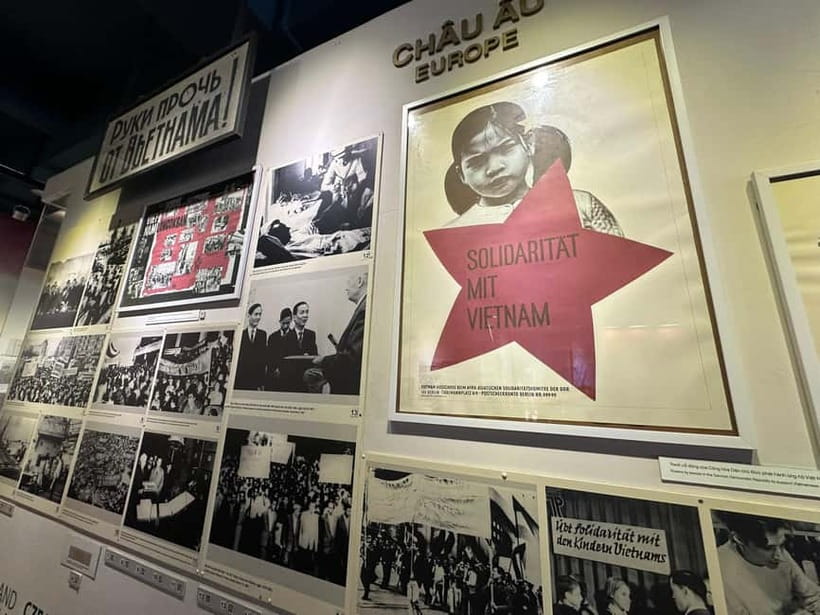
I would recommend this tour to first-time visitors who want a clear introduction to modern Vietnamese history. It is especially useful if you prefer explanation over wandering through displays alone.
It also suits people who want to understand why Independence Palace matters, rather than simply taking photographs there. The Palace can seem formal and quiet without context, but a guide connects it to the political changes that shaped the city and country.
History-minded visitors will get the most from the full four-hour option. That gives you more time at both places and leaves room for questions. If you have a tight schedule, the 90-minute option may still introduce the sites, but it cannot provide the same depth.
I would be cautious about booking it for very young children. Babies under one year are not permitted, and the museum’s difficult content may not suit children who are sensitive to wartime images.
You should also reconsider if you need step-free access, since the activity is not suitable for wheelchair users. For everyone else, comfortable shoes, water, and a hat will make the visit easier.
Should you book the War Remnants Museum and Palace tour?
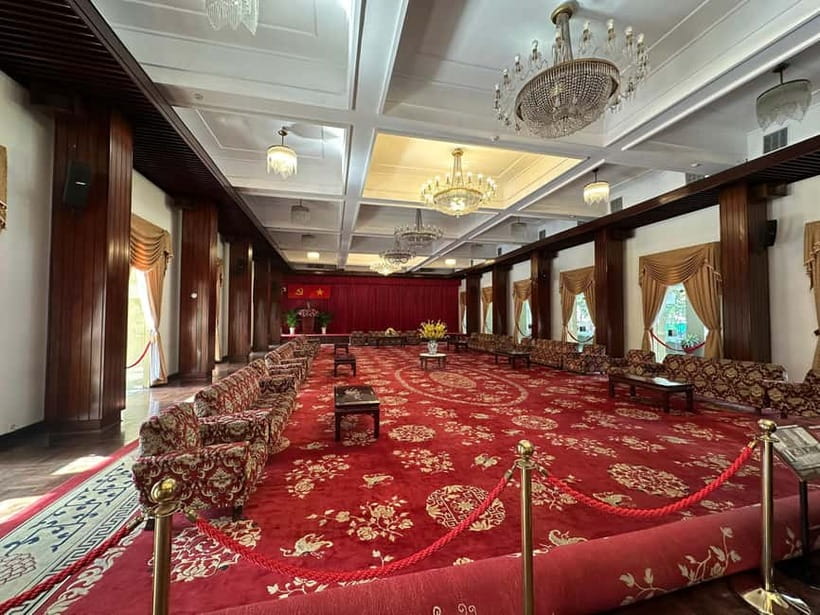
Book it if you want more than a quick look at two famous Ho Chi Minh City sights. The pairing is strong, the price is fair when admissions are included, and a good guide can make the difference between seeing displays and understanding them.
Choose the longer option if history is a main reason for your visit. Choose private or small-group touring if you want to ask personal questions or need a gentler pace at the museum.
Skip it if you prefer light sightseeing, dislike confronting war photography, or need included transportation. For most visitors who want a serious introduction to Vietnam’s modern past, though, this is a worthwhile use of a morning or afternoon, with the free eSIM as a useful extra.
FAQ
How much does the tour cost?
The tour costs $16 per person. The package includes admission tickets according to the option selected and a professional guide.
What does the free eSIM include?
A free eSIM is provided when you book the tour. The supplied information does not specify the eSIM’s data allowance or validity period, so check the booking details for those terms.
How long does the tour last?
The available durations range from 90 minutes to four hours. The longer itinerary lists about two hours at Independence Palace and two hours at the War Remnants Museum.
Which places does the tour visit?
The tour visits Independence Palace, also called Reunification Palace, and the War Remnants Museum in Ho Chi Minh City.
Is transportation included?
No. Transportation is not included. Meeting and drop-off points are located at or near Independence Palace and the War Remnants Museum, depending on the option booked.
What languages are available?
Live guiding is available in English and French.
Can I book a private tour?
Yes. Private and small-group options are available.
Can I cancel for a full refund?
You can cancel up to 24 hours in advance for a full refund.
Is there a holiday surcharge?
Yes. A VND 100,000 cash surcharge per person applies during the Lunar New Year period, April 30 to May 1, the Hung Kings’ Anniversary, September 1 and 2, and January 1.
Just added around the world
- Pitti Palace and Palatina Gallery★ 4.0 · 41 reviews
- Pitti Palace Small Group Tour★ 5.0 · 6 reviews
- Private Guided Tour of Palazzo Vecchio in Florence★ 3.5 · 4 reviews
- Florence: Palazzo Vecchio Skip the line Entry ticket★ 4.0 · 49 reviews
- Pitti Palace: The Royal Palace of Florence★ 4.5 · 12 reviews
- PALAZZO VECCHIO Private tour in Florence★ 5.0 · 35 reviews
- Private Tour of Pitti Palace with Boboli Garden★ 5.0 · 28 reviews
- Palazzo Vecchio Morning Guided Tour – Small Group★ 4.5 · 23 reviews
Vietnam Palace Tours, compared.
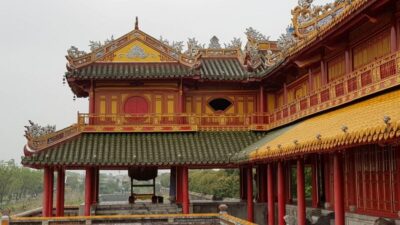
Hue Customizable Tour with Imperial Citadel & Forbidden City
Read our review →
2-Day Royal Palace Ha Long Bay & Ti Top Island Cruise
Read our review →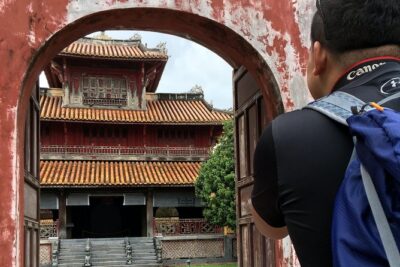
Hue Imperial City Walking Tour: Citadel & Forbidden City
Read our review →Hue Imperial City Walking Tour: Citadel & Forbidden City
Read our review →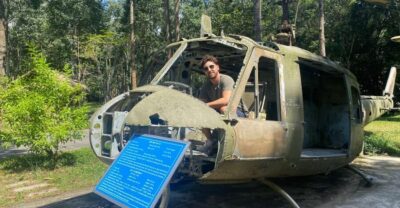
HCM: War Remnants Museum & Independence Palace Walking Tour
Read our review →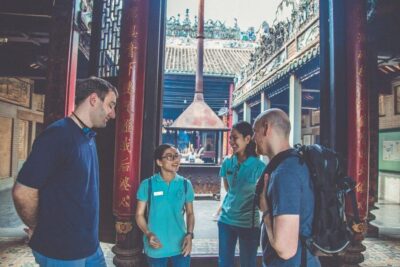
City Tour By Motorbike w/ War Museum & Reunification Palace
Read our review →
Hue Imperial City and Forbidden City Walking Private Tour
Read our review →
Hue Day Trip from Da Nang with Imperial Palace and Royal Tombs
Read our review →Browse the lists this tour appears in