
REVIEW · VIETNAM PALACE TOURS
HCM: War Remnants Museum & Independence Palace Walking Tour
The most affecting part of this tour is the contrast between two places only a short walk apart. The War Remnants Museum shows the human cost of war through photographs, military displays, and personal stories. The Independence Palace then shifts the focus to government, power, and the dramatic events of 1975.
I like the $9 price and the compact two-hour format. I also like the choice of start times, last-minute availability, and small groups of no more than 10 people. The main drawback is that the museum contains graphic photographs, and the tour can feel short if you want to read every display.
Key points at a glance
- A sharp history lesson in two hours: Visit the War Remnants Museum and Independence Palace without giving up a full day.
- A Vietnamese point of view: The museum presents the war and its effects through Vietnam’s own historical lens.
- Guides who add useful context: Guides including Sunny, Dickies, Tyson, Spike, and Phat are praised for clear English and patient answers.
- A small walking group: The group size is limited to 10, making it easier to ask questions and keep a steady pace.
- Graphic museum displays: Photographs and exhibits can be upsetting, so this is not a light sightseeing stop.
- Flexible planning: Several start times, same-day booking, and payment later make this handy for a spare morning or afternoon.
Why these two Ho Chi Minh City sights belong together
The War Remnants Museum and Independence Palace tell different parts of the same national story. One deals mainly with the damage caused by war. The other lets you walk through the political and military setting in which South Vietnam was governed.
That pairing gives you more than a quick list of dates. At the museum, you confront the effects on civilians, soldiers, and families. At the palace, you see the rooms, offices, bunkers, and communication areas tied to the government of South Vietnam. Together, they help explain why the fall of Saigon remains such a central moment in Vietnam’s modern past.
I find this more useful than visiting either sight without context. The museum can feel emotionally heavy and politically one-sided if you do not have a guide to explain the Vietnamese viewpoint. The palace can feel like a grand old government building if you do not understand how it was used. A good guide connects the two.
The tour is also easy to fit into a city visit. At two hours, it works well before lunch, after breakfast, or between other plans in District 1. One morning group finished around 12:30 and went straight for lunch. That is exactly the kind of timing that helps when your Ho Chi Minh City schedule is already crowded.
More palace museums and galleries in the world:
- Vienna: Skip-the-Line Sisi Museum, Hofburg and Gardens Tour
★ 4.8 · 5,918 reviews - Venice’s Best: Basilica, Doge’s Palace, Gondola & History Gallery
★ 4.5 · 2,478 reviews - Vienna: Hofburg and Empress Sisi Museum Guided Tour
★ 4.7 · 1,460 reviews
Meeting at Trung Nguyên Legend Café
The tour begins at Trung Nguyên Legend Café, 12 Alexandre de Rhodes, Bến Nghé, District 1. Look for a guide wearing a TripGuru shirt or holding a TripGuru sign.
Pay close attention to the address if you use Grab or Gojek. The meeting instructions specifically warn you to check the map pin and address, which matters in a city where a small location error can cost you time. Arrive ready to walk, rather than treating the café as a long pre-tour stop.
There is no hotel pickup or drop-off. Meals and personal expenses are also not included. That keeps the price down, but you need to get yourself to the café and plan your own food afterward.
The route is on foot. Wear light, comfortable clothing and bring sunscreen, a hat, sunglasses, water or cash for your own needs, and insect repellent. Ho Chi Minh City can feel hot when you are crossing streets and moving between indoor and outdoor areas, so breathable clothing is a practical choice.
The War Remnants Museum: powerful, difficult, and worth your time
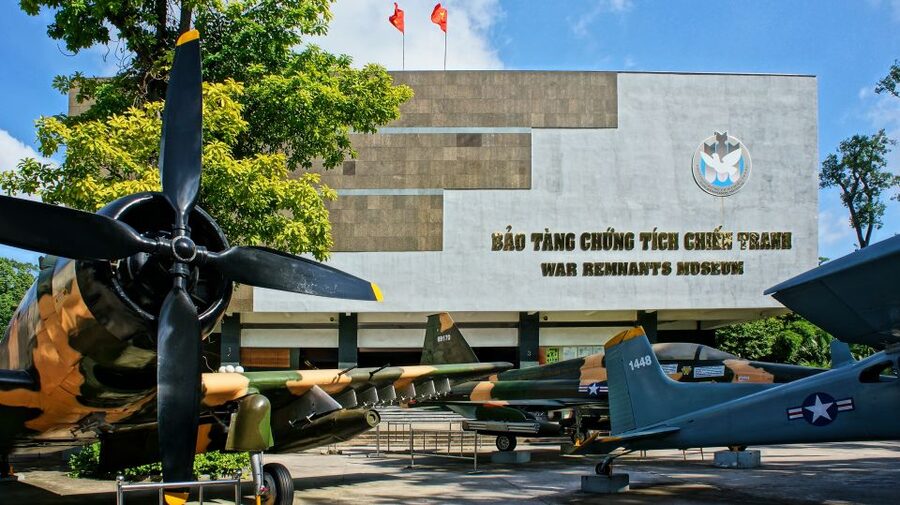
The War Remnants Museum is scheduled as a one-hour guided visit. It presents the Vietnam War from the Vietnamese perspective, with displays on military action, civilian suffering, and the long effects of conflict.
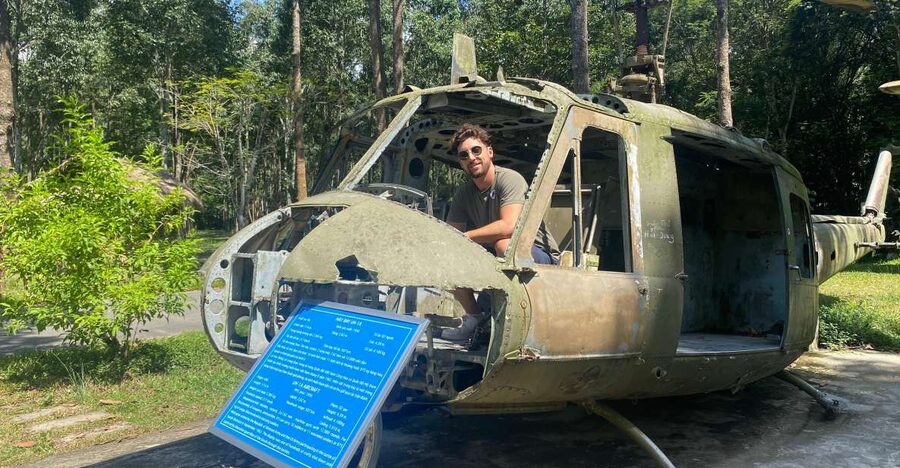
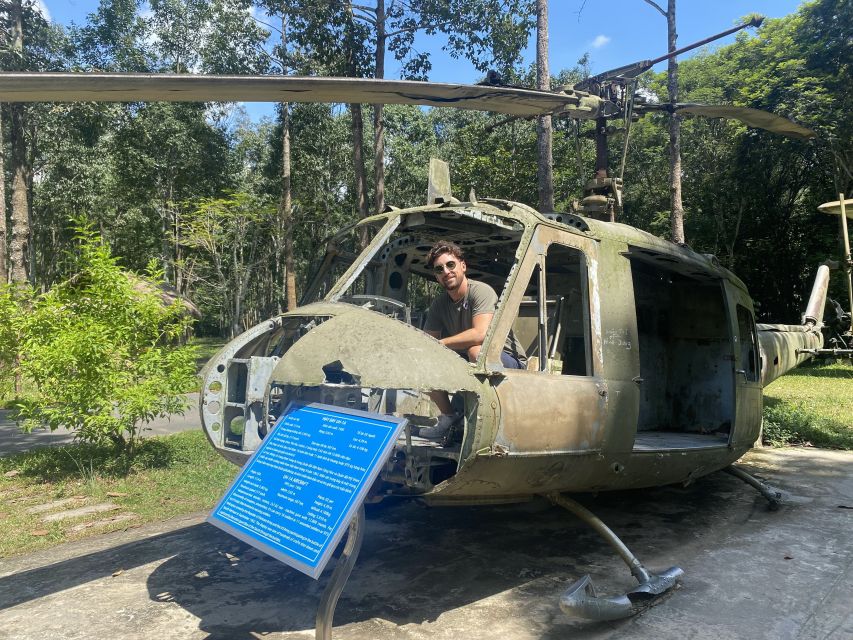
You will see military vehicles and other wartime material, but the photographs are the part that stays with most people. Some exhibits are graphic. This is not a cheerful museum, and it is not designed to soften the subject. If you are sensitive to disturbing images, prepare yourself before entering and give yourself permission to move through certain rooms quickly.
The guide’s role matters here. A clear introduction can help you understand what you are seeing without turning the visit into a rushed recital of facts. Several guides are praised for explaining difficult topics with care, answering questions, and giving visitors enough space to think.
There is one point to clarify before you book. The tour description presents the museum as a guided one-hour stop, but the exact style can vary. Some guides explain key sections and then let you explore independently. That can be a positive arrangement because the museum is intense and you may prefer to read at your own speed. It can also disappoint you if you expect a guide to walk beside you through every room.
I would treat the museum portion as a guided introduction followed by personal exploration unless your guide tells you otherwise. Ask questions early. If you want more time with a particular exhibit, say so. The small group makes that easier than it would be on a large coach tour.
The museum is also where you need to allow for emotional fatigue. The two-hour schedule is useful because it gives the visit shape. You get important context without spending half a day in a place that can feel overwhelming.
Independence Palace and the story of 1975
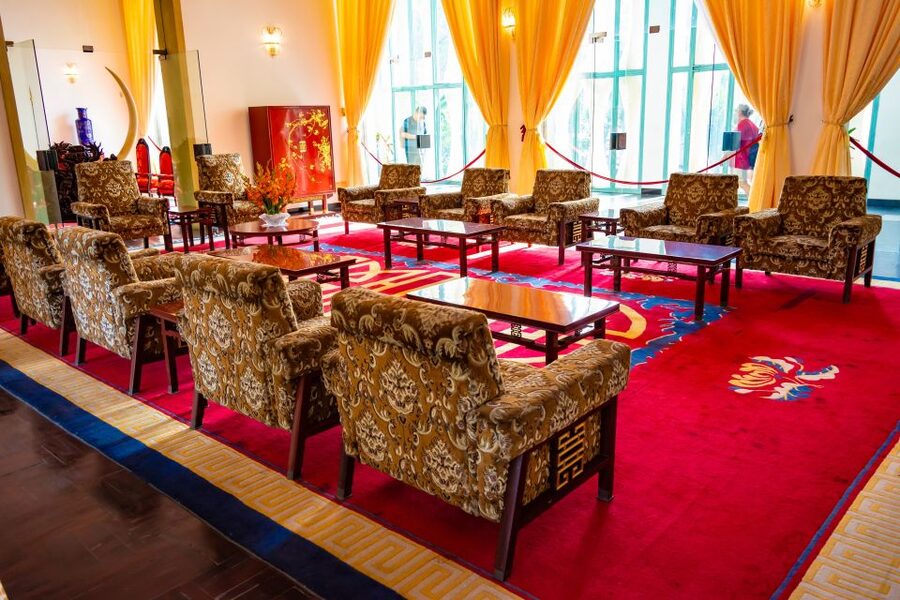
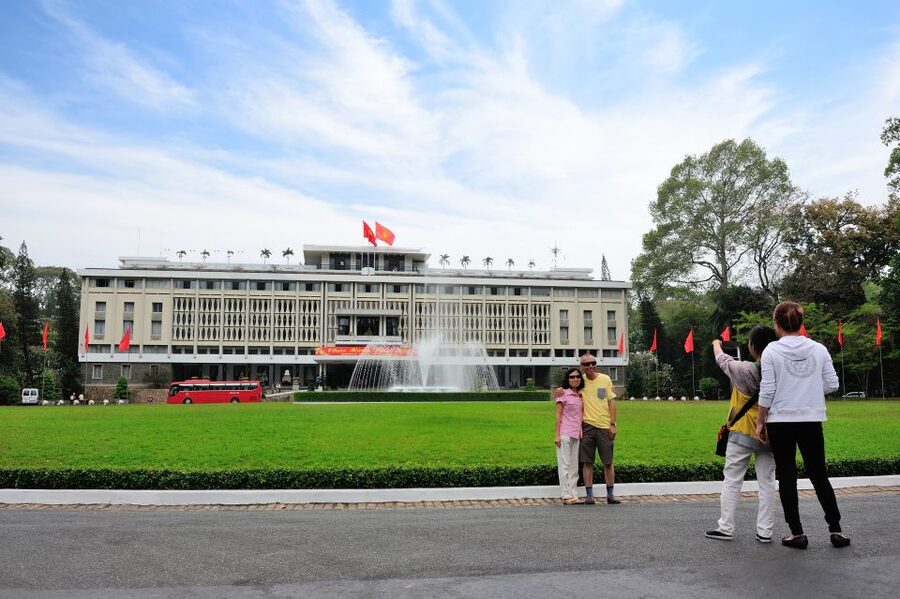
The Independence Palace, also called the Reunification Palace, is the second major stop. This former government building is closely linked with the fall of Saigon in 1975.
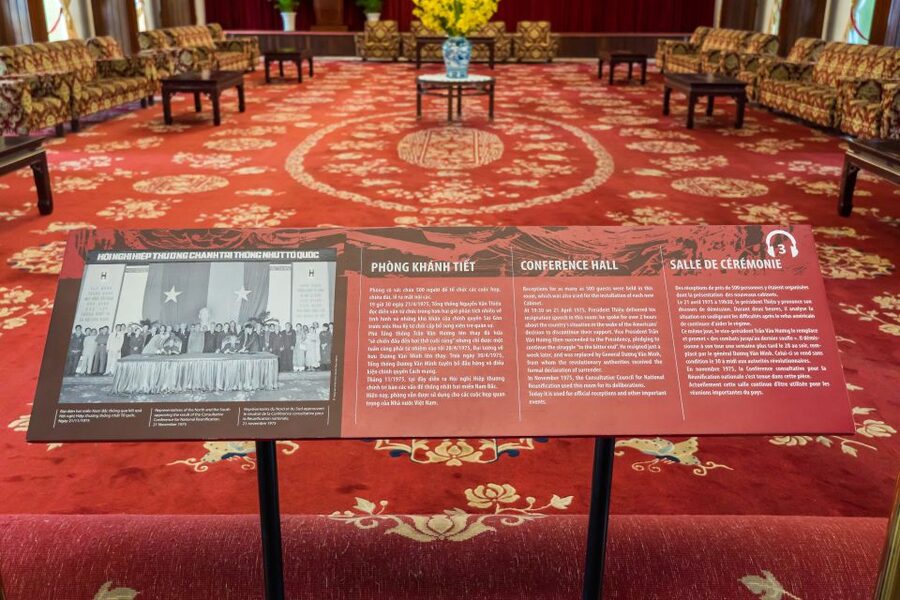
Inside, you can expect to see formal state rooms, private apartments, underground bunkers, and communication rooms. The building’s interiors help show how government business, private life, military planning, and emergency communication occupied the same compound.
This is where a good guide can turn a room-by-room visit into a meaningful one. Guides such as Dickies, Tyson, Sunny, and Phat have been praised for explaining how rooms were used, answering questions about political events, and adding details about Vietnamese culture and daily life.
The palace is easier to handle emotionally than the museum, but it is not simply decorative. Its importance comes from the way the building connects physical space with a turning point in Vietnam’s history. The bunkers and communication areas, in particular, give you a sense of how a government prepared for crisis.
The order may not always feel identical. The published route lists the War Remnants Museum first and the palace second, while some tour experiences have begun at the palace and then moved to the museum. Follow the meeting instructions and your guide’s directions on the day. Either order works because the two sites explain different sides of the same period.
One practical point: the palace has occasionally been closed, according to the experience information. If that happens, the tour may need to adjust, and you should not assume every interior room will be accessible on every date.
More walking tours past the palaces in the world:
- Venice: Doge’s Palace and St Mark’s Basilica Walking Tour
★ 4.4 · 6,291 reviews - Split: Old Town and Diocletian Palace Walking Tour
★ 4.9 · 4,727 reviews - Walking Tour of Split and Diocletian’s Palace
★ 5.0 · 2,588 reviews - Bangkok: Grand Palace and Wat Phra Kaew Guided Walking Tour
★ 4.4 · 2,417 reviews
The guides make the biggest difference
At $9, you are not paying for an elaborate full-day production. You are paying for access, a walking route, and a person who can give shape to two major historical sites.
That person can make a real difference. Guides named in the experience include Dickies, Sunny, Tyson, Spike, Phat, Lily, Alex, Tea, Allen, Lyn, and Pham Chau. The strongest pattern in the feedback is not a particular scripted performance. It is the guides’ ability to explain clearly, respond to questions, and adjust the pace.
One guide was praised for not lingering too long at each stop, giving the important points and moving on. That approach suits you if you want a clean introduction rather than a lecture. Another guide gave visitors plenty of time to ask questions. That is useful if you arrive with a basic understanding of the war and want to explore specific issues.
English ability is another strong point. Several guides are described as speaking excellent or very clear English. Vietnamese is also available. Still, tour quality depends on the individual guide assigned to your group, so book this for the structure and access rather than expecting a specific person.
If you do get a guide such as Dickies, Sunny, Tyson, or Spike, use the opportunity. Ask about the palace rooms, the war’s effect on Vietnamese people, the political forces involved, or local customs. The guides are also a useful source for food and drink suggestions in Ho Chi Minh City, though those personal recommendations are not part of the formal tour.
Is two hours enough?
Two hours is enough for a focused visit, not a slow study of both places.
The planned schedule gives roughly one hour to the museum and one hour to the palace. That is sensible for first-time visitors who want the main story and a clear introduction. It is less suitable if you read every panel, take many photographs, or want long conversations at each exhibit.
The walking distance between the sights is manageable, but you still need to account for city heat and street crossings. One guide was noted for helping the group cross streets safely, a small but useful service when traffic feels unfamiliar.
Some experiences have run closer to three hours. That can happen when the guide spends more time answering questions, when the group moves slowly, or when visitors need extra time at the sites. Do not schedule an important appointment immediately afterward.
The short length is one of this tour’s main strengths. If you have only a half-day available, you can learn a great deal without committing your whole day. If you have a full day free and a serious interest in the war, you may want to return to the museum alone for a longer visit.
Small group value at a $9 price
A maximum of 10 people is a useful limit. It gives you a better chance to hear the guide, ask questions, and stay together while walking. It also avoids the parade-like feeling of a large group inside crowded historical rooms.
At $9 per person, the value is especially strong. The fee includes the English or Vietnamese speaking guide, entrance fee, and walking tour. You do not need to arrange separate admission to the two sites, though you remain responsible for transport to the meeting point, meals, and personal spending.
The price does not buy luxury. There is no hotel transfer, private vehicle, meal, or guaranteed private guide. If you want every room explained in detail or need a very slow pace, a private booking may suit you better. One past booking specifically recommended going private to make the most of the experience.
For most visitors, though, the small group gives you the important benefit without the private-tour cost. You get a local guide, entry to two major sights, and a sensible route for less than the price of many city attractions alone.
Who should book this walking tour?
I would recommend it to first-time visitors who want a clear introduction to Vietnam’s modern history. It also suits people with limited time, spontaneous planners, and anyone who prefers a guide to wandering through museums alone.
It is a good choice if you want to ask questions. The guides are used to explaining the history in accessible English, and the small group makes conversation possible. It is also useful if the topic feels unfamiliar and you want help understanding the political background before looking at the displays.
I would think twice if you dislike graphic war photography. The museum does not avoid painful material, and you may find parts of the visit upsetting. You should also reconsider if you have mobility limitations. The activity is not suitable for children under seven, pregnant women, people with mobility impairments, or wheelchair users.
Bring a camera if you want photographs, but keep in mind that the museum’s main value is not a collection of holiday snapshots. Come with patience, respectful clothing, and enough water for a warm walk.
You can book at short notice, choose among several start times, and reserve now while paying later. Cancellation is free up to 24 hours before the tour for a full refund. Those terms are handy when your Ho Chi Minh City plans are still shifting.
Should you book it?
Book this tour if you want maximum historical context for minimum time and cost. The pairing of the War Remnants Museum and Independence Palace is smart, the $9 fee is hard to argue with, and the small group gives the guide room to answer questions.
Skip it if you want a relaxed sightseeing walk with light subject matter. The museum is graphic, the route is on foot, and two hours will not satisfy anyone who wants to study every exhibit.
For most visitors with a spare morning or afternoon, I would book it. Just arrive prepared for a serious subject, wear cool clothes, and ask your guide to explain the parts you find hardest to place.
FAQ
How long is the War Remnants Museum and Independence Palace tour?
The advertised duration is two hours, with about one hour at each attraction. Some visits may take longer if the group spends extra time asking questions or viewing exhibits.
Where does the tour begin?
The meeting point is Trung Nguyên Legend Café at 12 Alexandre de Rhodes, Bến Nghé, District 1, Ho Chi Minh City. Look for a guide wearing a TripGuru shirt or holding a TripGuru sign.
Where does the tour finish?
The stated finishing point is the War Remnants Museum.
Is the tour offered in English?
Yes. Live guiding is available in English and Vietnamese.
Is this a private tour?
No. It is a small-group walking tour, with groups of no more than 10 people. A private option may be available when booking.
Are entrance fees included?
Yes. Entrance fees and the professional English or Vietnamese speaking guide are included. Hotel transfers, meals, and personal expenses are not included.
Is the War Remnants Museum suitable for children?
The activity is not suitable for children under seven. The museum also contains graphic photographs and difficult wartime material, which may not suit every child or adult.
Just added around the world
- Pitti Palace and Palatina Gallery★ 4.0 · 41 reviews
- Pitti Palace Small Group Tour★ 5.0 · 6 reviews
- Florence: Palazzo Vecchio Skip the line Entry ticket★ 4.0 · 49 reviews
- Pitti Palace: The Royal Palace of Florence★ 4.5 · 12 reviews
- Private Guided Tour of Palazzo Vecchio in Florence★ 3.5 · 4 reviews
- PALAZZO VECCHIO Private tour in Florence★ 5.0 · 35 reviews
- Private Tour of Pitti Palace with Boboli Garden★ 5.0 · 28 reviews
- Pitti Palace and Palatine Gallery: A Royal Art and History Tour★ 4.5 · 42 reviews
Vietnam Palace Tours, compared.
Hue Customizable Tour with Imperial Citadel & Forbidden City
Read our review →
2-Day Royal Palace Ha Long Bay & Ti Top Island Cruise
Read our review →
Hue Imperial City Walking Tour: Citadel & Forbidden City
Read our review →Hue Imperial City Walking Tour: Citadel & Forbidden City
Read our review →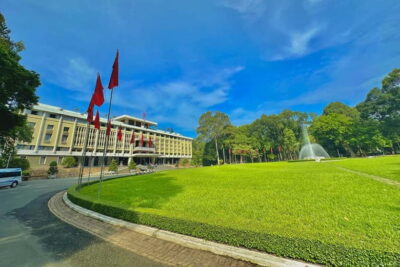
Free E-Sim War Remnants Museum & Independence Palace Tour
Read our review →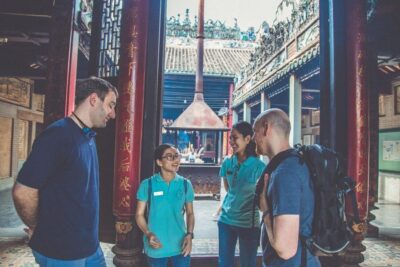
City Tour By Motorbike w/ War Museum & Reunification Palace
Read our review →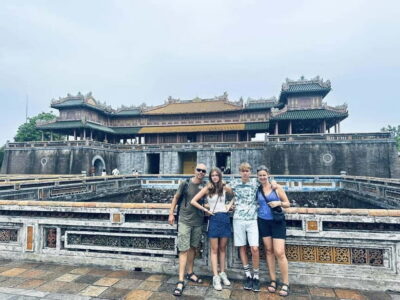
Hue Imperial City and Forbidden City Walking Private Tour
Read our review →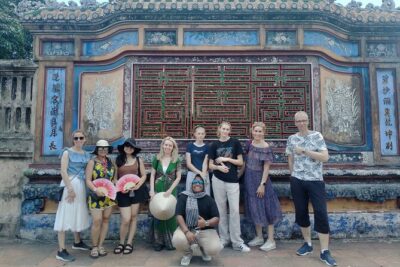
Hue Day Trip from Da Nang with Imperial Palace and Royal Tombs
Read our review →Browse the lists this tour appears in