
REVIEW · JAPAN PALACE TOURS
Kyoto: Discover Every Bit of Kyoto Imperial Palace
Kyoto Imperial Palace is more than a pretty collection of wooden halls. It was the home of Japan’s imperial family until 1869, and its buildings show how ceremony shaped court life. Shishinden, the grand main hall, gives the visit its biggest moment, while the emperor’s former residence offers a quieter look at daily life behind the formal rituals.
I like two things here: the guide adds context that bare buildings cannot provide, and the gardens give you a calm break from Kyoto’s busy streets. The main caution is simple: the experience is listed as one hour in some details but describes a 1.5-hour guided visit elsewhere, so check the exact start time and length when booking. Guide quality can also vary. Yoshi earned high praise for explaining details, while another guest found the commentary too limited.
Key points to know before you book
- Shishinden is the ceremonial centerpiece: See the hall used for major imperial occasions and official rites.
- The emperor’s residence changes the focus: The tour moves from public ceremony to the quieter details of court life.
- Hamaguri Gate is the meeting point: Look for the guide holding a yellow DeepExperience sign.
- Yoshi received especially strong praise: One guest valued his clear explanations and eye for small details.
- The gardens are part of the experience: Allow time to appreciate the planted grounds, not just the buildings.
- The $38 fee pays for interpretation: Entry to the palace itself is free, so the value depends on how much you want guided context.
Why Kyoto Imperial Palace rewards a guided visit
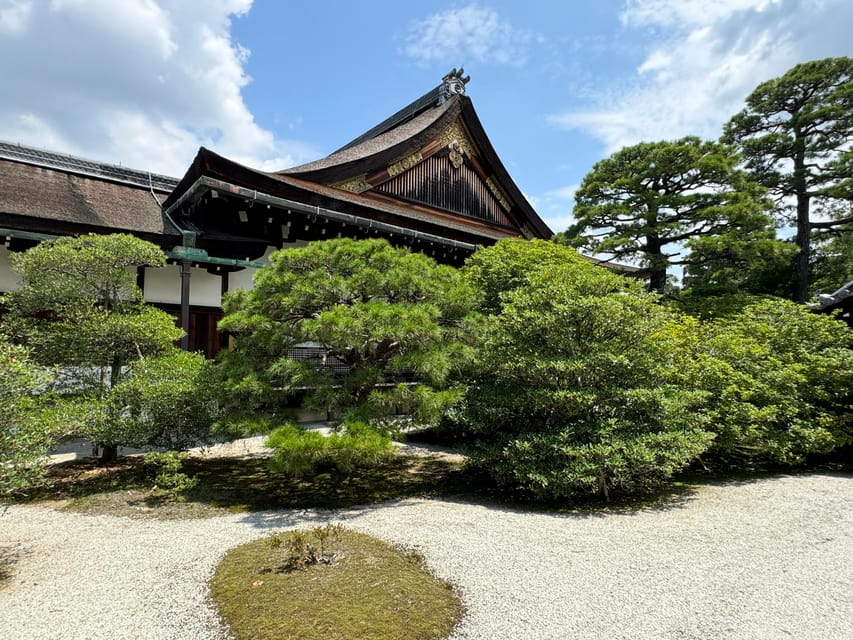
Kyoto Imperial Palace sits inside Kyoto Gyoen National Garden, a large green setting that gives the palace room to breathe. This was Japan’s imperial residence before the court moved to Tokyo in 1869. You are not simply looking at old architecture. You are following the spaces where official ceremony, private life, and court custom met.
The palace complex includes several traditional buildings, each with a different role. Some were used for formal ceremonies. Others served official functions or private household needs. Without explanation, the buildings can look beautiful but feel distant. A good guide helps you understand why one hall mattered more than another and how the arrangement reflected rank and ritual.
That is the central reason to consider this tour. You can walk around the palace grounds and see the setting without paying an entry fee, but the $38 charge buys the guide’s time and interpretation. If you already know Japanese imperial history or prefer exploring quietly, the cost may not feel worthwhile. If you want the setting to make sense, the guide can turn a series of elegant structures into a connected story.
A few more palace visits around Japan worth a look
- Tokyo: Imperial Palace and Shogun Historical Walking Tour
★ 5.0 · 2,251 reviews - Kyoto: Nijo-jo Castle and Ninomaru Palace Guided Tour
★ 4.7 · 1,020 reviews - Tokyo: Imperial Palace Japanese History Walking Tour
★ 4.9 · 987 reviews
Meeting at Hamaguri Gate
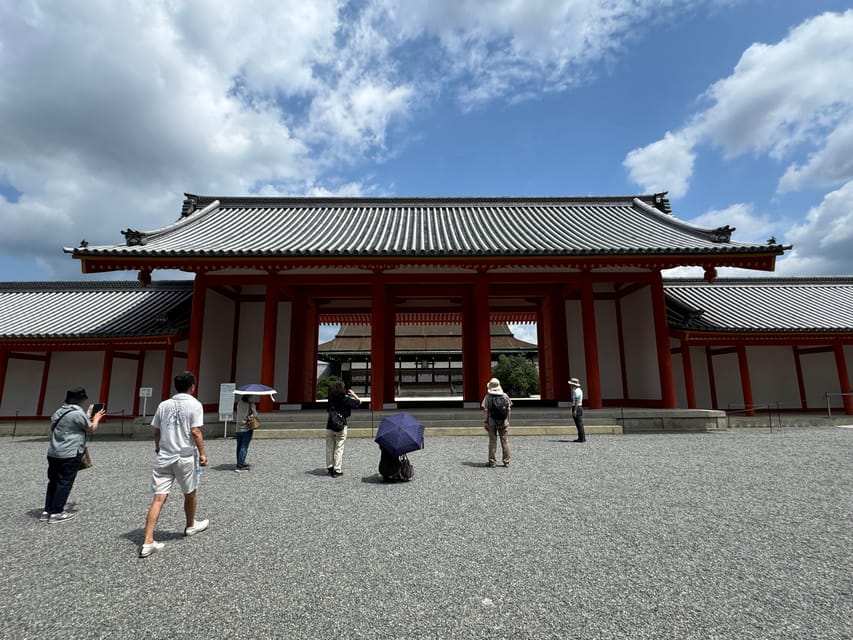
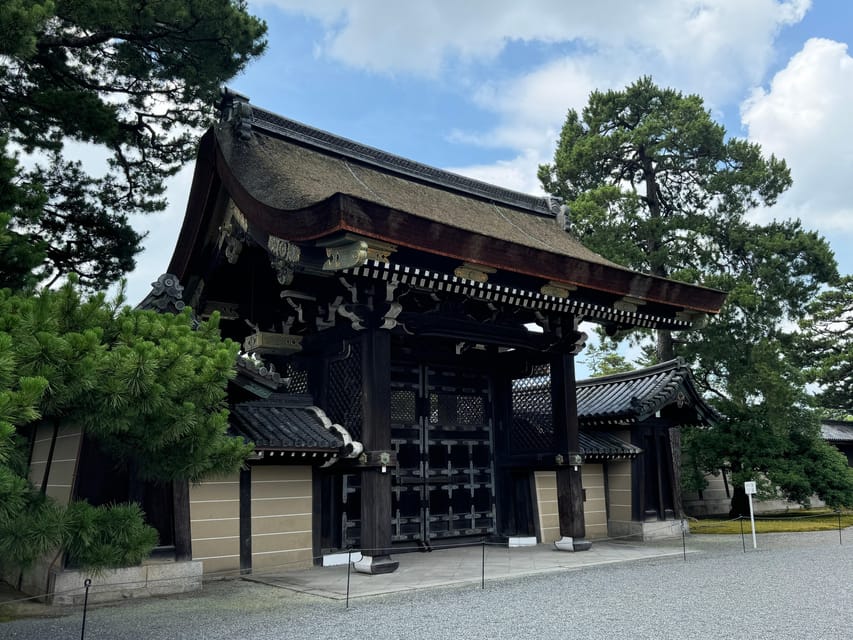
Your visit begins at the Hamaguri Gomon Gate, also written as Hamagurigomon. This is the fixed meeting point, so give yourself enough time to find the correct gate within Kyoto Gyoen National Garden. The guide waits in front of it with a yellow sign marked DeepExperience.
That bright sign should make the group easier to spot, but do not rely on finding the guide inside one of the palace buildings. Start at the gate. It is also the point where the tour ends, so you return to a familiar place rather than being left at an unfamiliar part of the grounds.
The tour is offered with a live English-speaking guide. Private and small-group options are available, which matters here because the palace rewards questions. A smaller group should make it easier to ask about a hall, a garden feature, or an imperial custom without holding up a large crowd.
The published timing needs a little care. The general details describe a one-hour activity, while the itinerary gives the guided palace visit as 1.5 hours. I would check the selected departure time and duration before paying, especially if you have a train, restaurant booking, or another Kyoto sight planned afterward.
Seeing the halls used for imperial ceremony
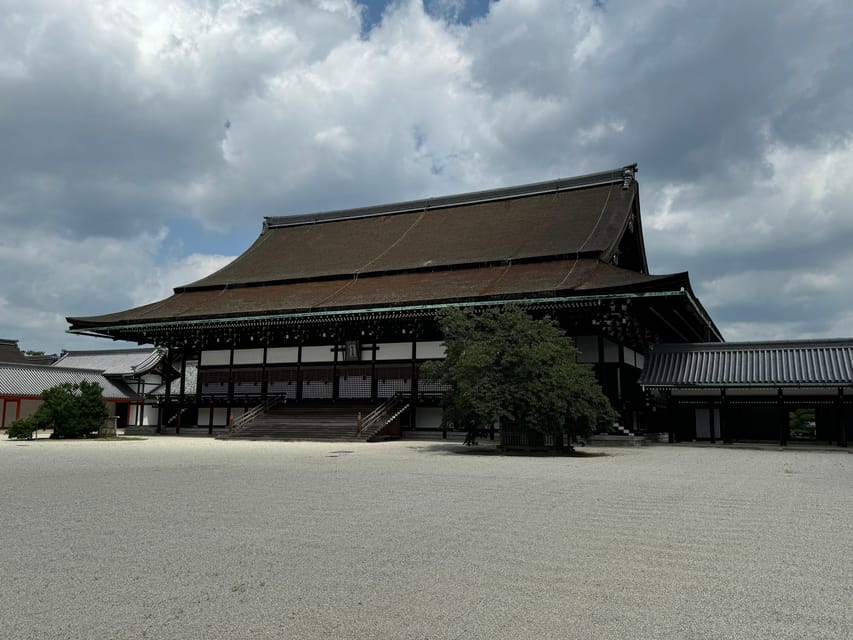
The palace’s grandest stop is Shishinden, the main hall used for important imperial ceremonies. Its scale and formal design show how much weight the court placed on ritual. This is the building to linger over, even if you are not an architecture specialist.
A guide can explain the hall’s role and connect its design to the ceremonies held there. That context matters because a large traditional building can otherwise become just another photo stop. The value lies in learning what happened in the space and why it was reserved for major occasions.
The palace also includes other structures used for official functions. Together, they show that the imperial compound was not one single room or residence. It was an organized court setting, with spaces for public duties and more private routines.
You should expect a walking tour rather than an indoor museum visit filled with displays. The appeal comes from the buildings themselves, their arrangement, and the guide’s spoken explanation. If you want a detailed look at every object or a long visit inside each hall, this short format may feel limited.
From public ritual to the emperor’s personal residence
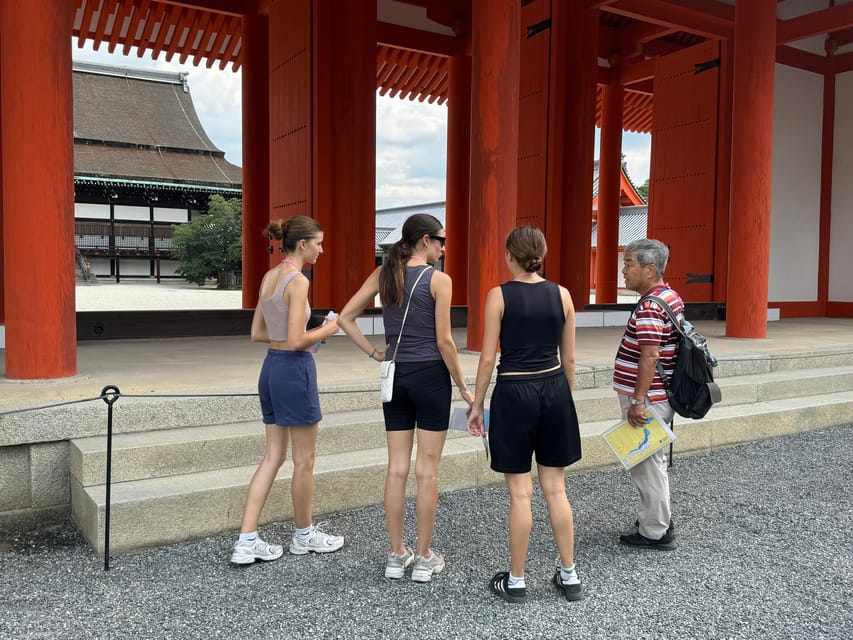
One of the most useful parts of the tour is the shift from grand ceremony to the emperor’s personal residence. The change in mood helps you picture the court as a working household, not only a place for formal events.
The residence offers a glimpse into daily life within the imperial court. That phrase should be taken in the right way. You are not getting a full reconstruction of ordinary family life, and the visit is not presented as a long domestic tour. Instead, the setting helps balance the majesty of Shishinden with a more personal side of the palace.
I like this contrast. The ceremonial halls explain how the imperial family appeared to the public. The residence suggests how court life functioned behind those formal appearances. Ask your guide to point out the differences between public and private spaces. Those comparisons are likely to be more useful than simply moving from building to building.
Yoshi was singled out for explaining Japanese history and showing interesting details within the palace grounds. If your guide has the same level of preparation, this is where the tour should feel most rewarding. Small architectural features and changes in use can be easy to miss when you walk alone.
At the same time, you should keep expectations realistic. One guest reported that a guide offered little information and mainly walked beside the group while taking photographs. That is a serious weakness for a tour whose main product is explanation. DeepExperience uses live guides, but the experience may depend heavily on the individual assigned to your group.
Same city, a very different set of state rooms:
- Tokyo Castle & Imperial PalaceーShogun Walking Tour
★ 4.7 · 1,068 reviews - Tokyo: Imperial Palace and Shogun Walking Tour
★ 4.9 · 935 reviews - Tokyo Castle & Imperial PalaceーShogun Walking Tour
★ 5.0 · 724 reviews - Imperial Palace East Garden and Edo Castle Walking Tour in Tokyo
★ 5.0 · 510 reviews
The gardens provide the quietest moments
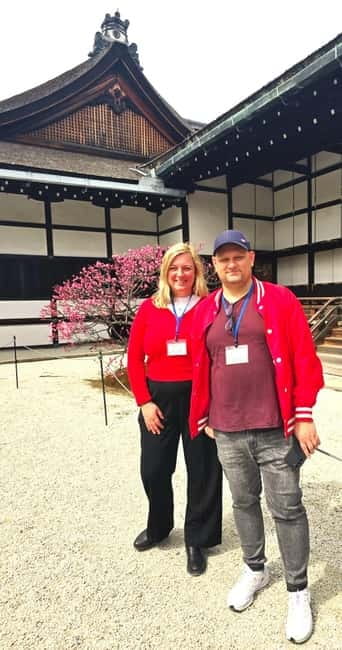
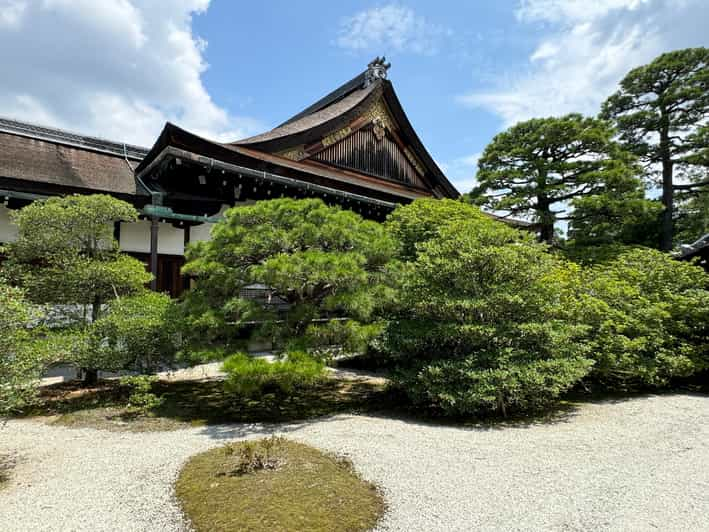
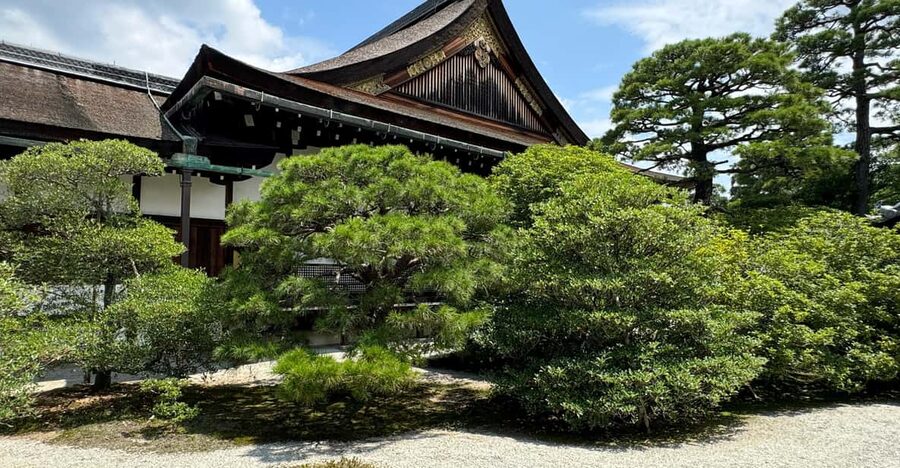
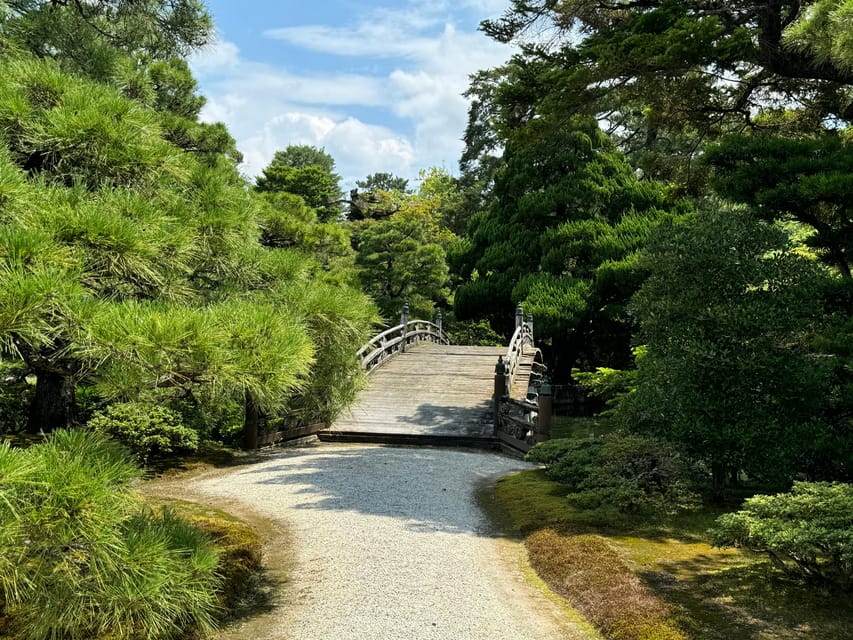
The gardens soften the formal mood of the palace. Their careful planting and open views give you time to slow down between buildings. One strong account described the interior garden as remarkably beautiful, and that praise fits the role these spaces play in the visit.
The garden is not just filler between halls. It helps you see how the imperial compound balanced ceremony with controlled natural beauty. The setting gives the wooden architecture a wider frame and offers a different kind of historical clue. Court life took place among buildings, paths, planted spaces, and views, not inside halls alone.
Take time to look around rather than rushing from one structure to the next. Since the tour is short, the guide may keep the group moving, so ask if you want a moment for photographs or a closer look. The best part of a garden stop can be the pause itself.
The grounds are also a practical reason to wear comfortable shoes. The exact surfaces and walking distance are not specified, so I would plan for a normal sightseeing walk rather than a brief doorway visit. The palace is in a large national garden, and you should not expect every stop to be immediately beside the meeting gate.
What the $38 price really covers
The tour costs $38 per person, while entry to Kyoto Imperial Palace is free. That makes the price easy to assess: you are paying for the English-speaking guide, not for a costly admission ticket.
For a first visit to Kyoto, I think the fee can be fair if you want the buildings explained in real time. The palace’s importance is not always obvious from its appearance. A guide can link the halls, residence, ceremony, and gardens into one clear visit.
The value is weaker if you are happy to read background information in advance and explore independently. The grounds can be seen without paying this tour fee, and one guest specifically felt the booking was unnecessary. That opinion is worth taking seriously. Guided tours are not automatically better than solo visits.
Your decision should depend on how much interpretation you want. I would book if Japanese imperial traditions are new to you, if you enjoy asking questions, or if you have limited time and want a focused route. I would skip it if your main goal is quiet photography or if you already have strong background knowledge.
The free cancellation period gives you some flexibility. You can cancel up to 24 hours before the activity for a full refund, and the reserve-now, pay-later option means you do not have to pay at the time of booking. Those policies help if your Kyoto schedule is still changing, but they do not change the basic question of guide value.
Who will get the most from this tour
This experience suits a first-time Kyoto visitor who wants a readable introduction to the imperial court. The English guide can explain why Shishinden matters, how the palace served both public and private roles, and what to notice in the gardens.
It also fits anyone who prefers a small group or private setting. The tour is available in both formats, giving you a better chance to ask questions and keep the pace comfortable. I would especially favor the private or small-group option for families, couples, or anyone with a focused interest in Japanese architecture.
History fans should find plenty to appreciate, but the tour is still short. If you want a long academic lecture, detailed architectural measurement, or extensive time in every building, look for a longer program. This is a compact introduction, not a full-day study visit.
Photography-minded visitors can enjoy the formal halls and gardens, but the tour’s purpose is broader than taking pictures. The strongest experience comes when you look at the setting and listen to why each part matters.
Practical advice before you go
Find Hamaguri Gate in advance if Kyoto’s large garden areas are unfamiliar to you. The yellow DeepExperience sign is your visual clue, and the guide waits in front of the gate.
Check the duration carefully. The information gives both one hour and 1.5 hours, and that difference can affect the rest of your day. Treat the longer figure as the safer planning estimate until your booking confirms otherwise.
Choose an English tour only if that is the language you need, since English is the listed guide language. Private and small-group availability can make the experience more personal, but the exact group arrangement should be confirmed during booking.
Finally, keep your expectations tied to the guide. Yoshi’s history explanations and attention to small details show what a strong guide can add. The poor account from another guest shows the risk when the commentary is thin. For this particular activity, the person leading the walk matters almost as much as the palace itself.
Should you book Kyoto Imperial Palace?
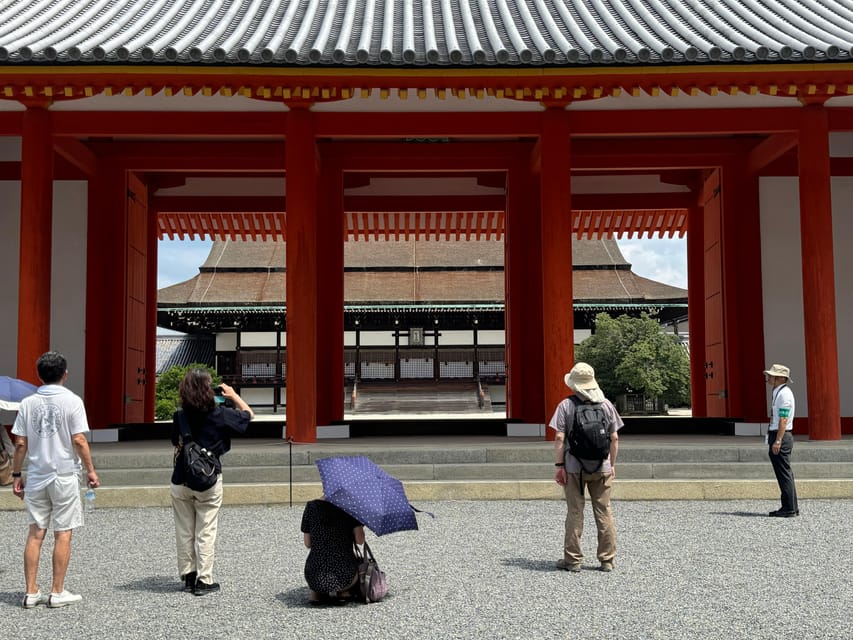
Book this tour if you want the imperial complex explained rather than simply seen. The ceremonial halls, the emperor’s former residence, and the gardens create a fine short visit, and a strong English guide can make the traditions and historical roles much clearer.
At $38, it is a reasonable buy for first-time visitors who value context, especially in a small or private group. It is not the best choice for someone content to explore free grounds alone, and the mixed guide quality means you should not book on the assumption that every guide will match Yoshi’s performance.
My call: book it if Japanese court history is unfamiliar and you want a focused introduction. Skip it if you prefer independent wandering, but make time for Shishinden and the gardens either way.
FAQ
Where does the Kyoto Imperial Palace tour meet?
The meeting point is in front of Hamaguri Gate, also called Hamagurigomon, at Kyoto Imperial Palace. The guide waits with a yellow DeepExperience sign.
How long does the tour last?
The activity information lists one hour, while the guided palace visit is described as 1.5 hours. Check the confirmed duration and starting time when booking.
Is entry to Kyoto Imperial Palace included?
Entry to Kyoto Imperial Palace is included and listed as free. The $38 per person price covers the guided experience rather than a paid admission ticket.
What language is the tour offered in?
The live tour guide speaks English. English is the listed language for this activity.
Is this a private tour or a group tour?
Private and small-group options are available. The booking choice determines the group format.
Can I cancel the booking for a full refund?
Yes. You can cancel up to 24 hours in advance for a full refund. The reserve-now, pay-later option also lets you hold a place without paying immediately.
Just added around Japan
- Tokyo walking tour around Imperial Palace and Tokyo Station★ 5.0 · 3 reviews
- Tokyo: Imperial Palace, the history of Japan (ENGLISH GUIDE)★ 5.0 · 77 reviews
- Tokyo: Pvt. Tour – Edo Castle & Imperial Palace East Gardens★ 4.8 · 63 reviews
- Tokyo: Imperial Palace East Gardens and Tokyo Station Tour★ 5.0 · 16 reviews
- Tokyo: Imperial Palace with Nostalgic Alley Kagurazaka tour★ 4.3 · 8 reviews
- Tokyo: Edo Castle and Imperial Palace Guided Walking Tour★ 5.0 · 6 reviews
- Tokyo: Edo Castle Ruins & Imperial Palace East Garden Tour★ 4.4 · 13 reviews
- Kyoto: Nijo Castle and Kyoto Imperial Palace Guided Tour★ 4.6 · 98 reviews
Japan Palace Tours, compared.
Imperial Palace and Shogun Historical Walking Tour
Read our review →
Tokyo Castle & Imperial PalaceーShogun Walking Tour
Read our review →
Nijo-jo Castle and Ninomaru Palace Guided Tour
Read our review →

Tokyo Castle & Imperial PalaceーShogun Walking Tour
Read our review →
Imperial Palace East Garden and Edo Castle Walking Tour in Tokyo
Read our review →
Imperial Palace & Nijo Castle Guided Walking Tour
Read our review →Browse the lists this tour appears in