

REVIEW · TOKYO PALACE TOURS
Tokyo: Imperial Palace and Shogun Walking Tour
Tokyo’s Imperial Palace East Gardens give you something rare in central Tokyo: a quiet walk through the former seat of shogun power. You pass through old gates, along moats, and across ground where the Tokugawa government once directed Japan. The most striking stop is the castle tower base, a huge stone platform that makes the scale of Edo Castle easier to grasp.
I like the way this tour connects physical remains with political history, rather than treating the gardens as a pretty park. I also like the useful, human touch from guides such as Tony, Blake, Jim, and Embla, who explain the past while offering food and sightseeing suggestions for the rest of your time in Tokyo.
The main consideration is pace. Two hours is enough for a clear introduction, but not enough to study every garden path or explore the wider palace grounds. You will be walking outdoors, and the quality of the experience depends partly on which guide leads your group.
Key points to know before booking
- See where shogun power was centered: Walk across the former Edo Castle grounds and view the base of the castle tower.
- Enter through Ote-Mon Gate: This grand entrance sets up the story of guards, moats, and controlled access.
- Pause in Ninomaru Garden: Expect seasonal planting, calm ponds, and koi swimming near the paths.
- Get history in plain English: Guides including Tony, Blake, Jim, and Miguel are praised for clear explanations and friendly conversation.
- Pay little for useful context: At $16 per person, the tour costs less than many major Tokyo attractions and gives meaning to what you see.
- Keep your schedule flexible: You can cancel up to 24 hours before the start for a full refund and reserve without paying immediately.
Why the Imperial Palace East Gardens are worth your time
Tokyo can make history feel buried under train lines, office towers, and neon signs. The Imperial Palace East Gardens reverse that feeling. Within a short walk, you move from the modern city into a former fortified compound with stone walls, moats, guard posts, and carefully planned gardens.
The site was once Edo Castle, the political center of the Tokugawa shogunate. The emperor’s palace now occupies the wider area, but this tour focuses on the East Gardens, where the surviving foundations and defensive structures make the old power system visible.
I find this more satisfying than simply taking a photo outside a palace gate. You can see how power worked. Access was controlled, walls were built for defense, and the castle complex was arranged to protect the people at its center.
The gardens also give the visit a calmer rhythm. After the hard stone of the gates and walls, Ninomaru Garden offers ponds, plants, bridges, and koi. That contrast is part of the appeal. Japan’s past appears here not only as warfare and government, but also as order, beauty, and careful design.
More walking tours past the palaces in Tokyo:
- Tokyo: Imperial Palace and Shogun Historical Walking Tour
★ 5.0 · 2,251 reviews - Tokyo Castle & Imperial PalaceーShogun Walking Tour
★ 4.7 · 1,068 reviews - Tokyo: Imperial Palace Japanese History Walking Tour
★ 4.9 · 987 reviews
Meeting at Wadakura Fountain Park
The walk begins in front of Starbucks at Kokyo Gaien Wadakura Fountain Park. The meeting coordinates are 35.6830391, 139.7614181. This is a practical place to start because you are near the palace grounds and have a clear point to find your guide.
Give yourself enough time to reach the meeting point. The tour does not begin at the castle ruins, so arriving late can mean missing the opening explanation and the walk toward Ote-Mon Gate.
The guide conducts the tour in English. Names that appear frequently among the assigned guides include Tony, Blake, Jim, Miguel, Embla, Thomas, Dylan, and others. You are not booking one named guide specifically, so the guide on your date may differ.
That matters because the human side of this tour is a major part of its value. Tony is praised for linking Edo history with the shape of modern Tokyo and for offering suggestions about food and weekend plans. Blake is noted for an easy pace, humor, patience, and imaginative explanations. Jim is especially good at keeping history accessible, including for families with teenagers.
Ote-Mon Gate and the first lesson in castle defense

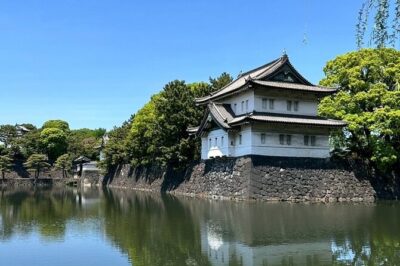
The first formal stop is Ote-Mon Gate, with about 10 minutes of guided explanation. This is where the castle begins to feel like a fortified seat of government rather than a garden.
Look closely at the route through the gate and the surrounding stonework. The defensive design was not decoration. The castle needed to regulate who came in, slow down threats, and protect the shogun’s household and administration.
Your guide helps turn walls and gates into part of a story. Without that help, you could easily walk through, take a picture, and move on. With context, the gate becomes evidence of how the Tokugawa rulers managed access to power.
Ten minutes is brief, but it is a useful opening. You get the basic setting before moving deeper into the former castle grounds.
Tokyo Imperial Palace and the shift from shogun to emperor
The next stop is listed as Tokyo Imperial Palace, with around 15 minutes for a visit and guided explanation. The tour does not promise entry into private palace interiors. Its focus is the East Gardens and the historical ground around the imperial complex.
This section helps explain the change from feudal rule to modern Japan. The site is tied first to the Tokugawa shogunate and later to the imperial state. That change is one of the central subjects of the walk, and guides connect it to the Tokyo you see today.
I value this historical bridge because the palace can otherwise seem like a sealed-off symbol. The guide gives you a basic timeline and explains why the location still matters, even when much of the original castle has disappeared.
The 15-minute stop also keeps the tour moving. You are not left listening to a long lecture in one place. Instead, the story unfolds as you walk from structure to structure.
A few more palace visits around Tokyo worth a look
- Imperial Palace East Garden and Edo Castle Walking Tour in Tokyo
★ 5.0 · 510 reviews - Tokyo: Imperial Palace East Gardens Walking Tour
★ 4.8 · 353 reviews - Tokyo: Imperial Palace, Sensō-ji Temple, & Tokyo Tower Tour
★ 4.5 · 339 reviews - Tokyo Castle, Imperial Palace, Shogun & Garden Walking Tour
★ 5.0 · 211 reviews
Hyakunin Bansho Guardhouse and the people behind the walls

The Hyakunin Bansho Guardhouse receives about 10 minutes. Its name and purpose point to the human machinery that protected the castle. Guards were not an abstract part of the system. They watched entrances, checked movement, and helped maintain the strict order of the compound.
This is a good stop for understanding that Edo Castle functioned as a working political center. The shogunate depended on layers of staff, guards, officials, and rules. A guardhouse makes that system easier to picture than a general explanation of samurai government.
The short stop may leave you wanting more detail, especially if you are already interested in samurai administration. Still, the guide can answer questions, and several of the tour’s strongest points come from these small explanations rather than from a single dramatic monument.
Fujimi-yagura and the power of the stone walls

The tour spends about 15 minutes at Fujimi-yagura, a watchtower structure associated with the castle’s defensive layout. This is one of the places where the massive stone walls deserve your full attention.
Do not rush past the wall as if it were just old masonry. Notice the size of the stones, the slope, and the way the wall forms part of a larger defensive plan. Your guide explains how these structures supported the castle and what they tell you about the resources and authority of the shogunate.
This is also a useful place for photographs. The stonework has a strong, solid look, while the gardens soften the view around it. The contrast gives you a better sense of the site than either the walls or plants could provide alone.
The name Fujimi-yagura refers to a tower from which Mount Fuji could be viewed, though the tour information does not promise a Fuji view on your visit. Treat the stop as a chance to understand the castle’s design, not as a guaranteed lookout.
East Gardens: ruins with room to breathe
The main visit to the Imperial Palace East Gardens lasts about 30 minutes. Here the tour settles into a slower walking rhythm, with more time to look around and ask questions.
The gardens are peaceful, but they are not empty of history. Stone foundations and remaining structures sit within a landscaped setting, so you are moving through both a historic site and a living garden. That makes the visit comfortable for first-time visitors who may not want two straight hours of military and political detail.
I like this part because it gives you space to absorb the earlier explanations. The castle is gone in large sections, yet the surviving foundations and walls show its former scale. The absence itself becomes part of the story.
You should also expect ordinary outdoor conditions. The route includes walking between several points, and weather can affect comfort. One family received help with an umbrella from a guide, and another group found the tour worked well despite poor weather, but you should still dress for the forecast and wear comfortable shoes.
Ninomaru Garden and the koi ponds
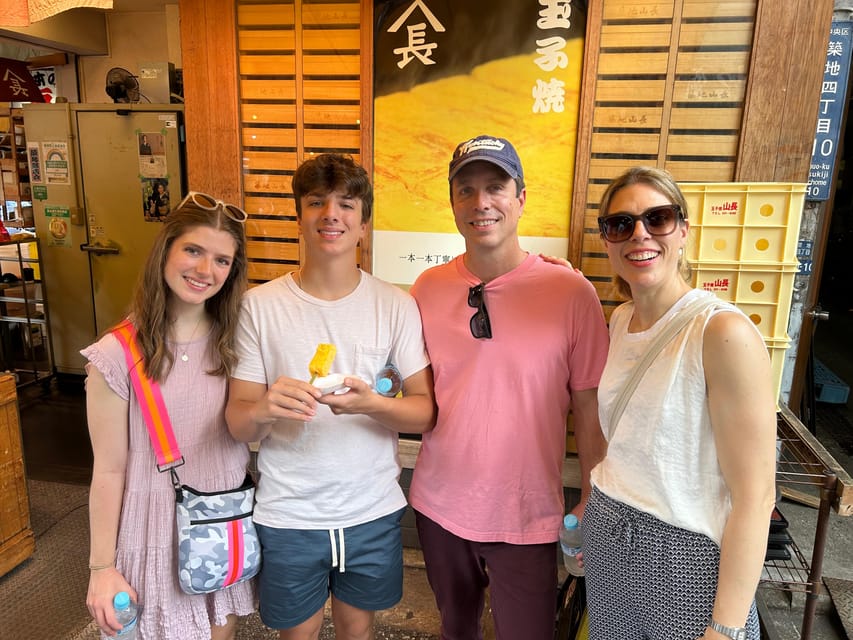
Ninomaru Garden is given about 30 minutes, making it the longest single stop. This was once part of the shogun’s inner garden, and it offers the most restful section of the tour.
The garden’s seasonal beauty changes the mood of the walk. You see carefully arranged plantings, tranquil ponds, and koi swimming through the water. These details are not just a break from the history. They show how gardens served as places of order, leisure, and controlled beauty within a powerful compound.
Take your time here. The ponds make good photo subjects, but the better reward is the shift in pace. You have just been thinking about guards, walls, and government. Now you can watch the koi and see why the East Gardens feel like an escape from central Tokyo.
The 30-minute allowance is generous enough for a guide to explain the garden and for you to enjoy it without being hurried. It is also a point where group size and guide style matter. A talkative guide may spend more time on stories, while another may give you more quiet viewing time.
What the guides add to the experience
The guide is the reason to book this walk instead of visiting the gardens on your own. The site is attractive without help, but the meaning of a guardhouse, wall, or castle foundation is not always obvious.
The strongest guide qualities reported across the experience are clear speech, patience, humor, and the ability to answer questions. Tony is described as organized, approachable, and good at connecting history to daily life in Japan. Blake is often praised for a friendly manner and a pace that works for different ages. Jim is noted for quirky facts, patience, and the ability to keep teenagers engaged.
Other guides, including Miguel, Thomas, Dylan, Lasse, Mayumi, Manny, and Embla, are also described as friendly and well prepared. Since assignments can change, I would not book solely to get one person. Instead, book for the structure and the chance to ask questions in English.
A useful bonus is the local advice. Guides have suggested nearby places to eat and other things to do in Tokyo or outside the city. That can be especially helpful at the start of a Japan trip, when you are still learning how the city fits together.
Is $16 a fair price for two hours?
At $16 per person, this is a strong value if you want historical context. You are paying for two hours with an English-speaking guide across a major Tokyo site, not for admission to a special exhibition or access to private palace rooms.
The price works best for first-time visitors. You get an introduction to Edo Castle, the Tokugawa shogunate, imperial history, and the layout of the East Gardens in one compact outing. That context can make later visits to temples, castles, museums, and historic neighborhoods easier to understand.
Independent visitors can walk through the gardens without this tour, but the low price reduces the risk of missing the point. You are not paying for luxury. You are paying for explanations, direction, and a chance to ask questions.
The two-hour length also fits neatly into a Tokyo day. You can pair it with other central sights, though the tour itself is enough walking for some people. If you want a slow photographic study of every garden path, visit independently or return later.
Practical details that affect your choice
The tour is wheelchair accessible, which makes it more usable than many historic castle sites. Still, the experience takes place outdoors across a large garden and former fortress area, so it is sensible to confirm current conditions when booking if you have specific mobility needs.
English is the only listed tour language. If you need another language, this experience is not the right choice based on the available information.
You can cancel up to 24 hours before the start for a full refund. The reserve now and pay later option lets you hold a place without paying at once, which is useful when your Tokyo schedule is still changing.
Starting times vary, so check availability for your date. The advertised duration is two hours, and the route returns to Starbucks at Kokyo Gaien Wadakura Fountain Park.
Who should book this Imperial Palace walk?
I would recommend it to first-time visitors, history fans, families who want a guided introduction, and anyone curious about how shogun rule shaped Tokyo. It also suits people who prefer a clear route and a human explanation instead of reading signs alone.
The tour works particularly well at the beginning of a Japan trip. You can ask practical questions, learn basic historical terms, and use the guide’s suggestions to plan the next few days.
You may want to skip it if you have already studied Edo Castle in detail or if you want to explore at your own pace. The route is structured, the time at each stop is limited, and the experience concentrates on the East Gardens rather than the full imperial complex.
Should you book it?
Book this tour if you want the Imperial Palace grounds to mean more than attractive walls and quiet ponds. For $16, the combination of Ote-Mon Gate, Hyakunin Bansho, Fujimi-yagura, the castle tower base, Ninomaru Garden, and an English-speaking guide is hard to fault.
I would choose it early in a Tokyo stay, especially if you can join a guide such as Tony, Blake, or Jim. Go prepared for outdoor walking, keep your expectations focused on the gardens rather than palace interiors, and leave room to ask questions. You will come away with a clearer sense of where shogun power operated and why this calm patch of Tokyo still matters.
FAQ
Where does the Imperial Palace and Shogun Walking Tour meet?
The meeting point is in front of Starbucks Kokyo Gaien at Wadakura Fountain Park. The coordinates are 35.6830391, 139.7614181.
How long does the tour last?
The tour lasts two hours.
What language is the tour conducted in?
The tour is conducted in English with a live English-speaking guide.
What places are included on the walking route?
The route includes Ote-Mon Gate, Tokyo Imperial Palace, Hyakunin Bansho Guardhouse, Fujimi-yagura, the Imperial Palace East Gardens, and Ninomaru Garden.
Does the tour visit Ninomaru Garden?
Yes. The tour includes a guided visit to Ninomaru Garden, with around 30 minutes scheduled there.
Will I see koi fish?
Yes. Koi-filled ponds are part of the Imperial Palace East Gardens experience, especially around Ninomaru Garden.
Is the tour wheelchair accessible?
Yes, the activity is listed as wheelchair accessible.
How much does the tour cost?
The listed price is $16 per person.
Can I cancel the booking?
Yes. You can cancel up to 24 hours in advance for a full refund. You can also reserve now and pay later.
Just added around Tokyo
- Tokyo walking tour around Imperial Palace and Tokyo Station★ 5.0 · 3 reviews
- Tokyo: Pvt. Tour – Edo Castle & Imperial Palace East Gardens★ 4.8 · 63 reviews
- Tokyo: Imperial Palace, the history of Japan (ENGLISH GUIDE)★ 5.0 · 77 reviews
- Tokyo: Imperial Palace East Gardens and Tokyo Station Tour★ 5.0 · 16 reviews
- Tokyo: Imperial Palace with Nostalgic Alley Kagurazaka tour★ 4.3 · 8 reviews
- Tokyo: Edo Castle and Imperial Palace Guided Walking Tour★ 5.0 · 6 reviews
- Tokyo: Edo Castle Ruins & Imperial Palace East Garden Tour★ 4.4 · 13 reviews
- Imperial Palace Tour: Discover Samurai History with a Guide★ 5.0 · 12 reviews
Tokyo Palace Tours, compared.
Imperial Palace and Shogun Historical Walking Tour
Read our review →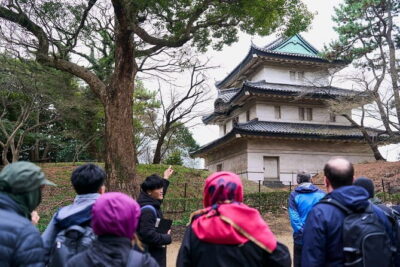
Tokyo Castle & Imperial PalaceーShogun Walking Tour
Read our review →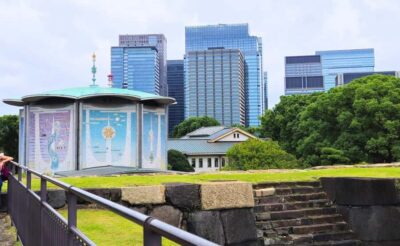
Tokyo Castle & Imperial PalaceーShogun Walking Tour
Read our review →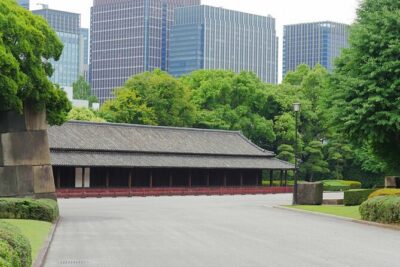
Imperial Palace East Garden and Edo Castle Walking Tour in Tokyo
Read our review →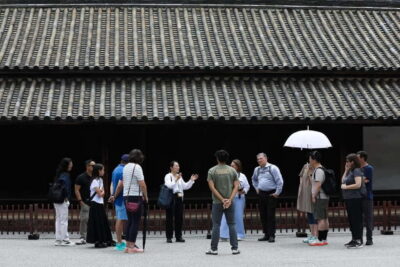
Imperial Palace, Sensō-ji Temple, & Tokyo Tower Tour
Read our review →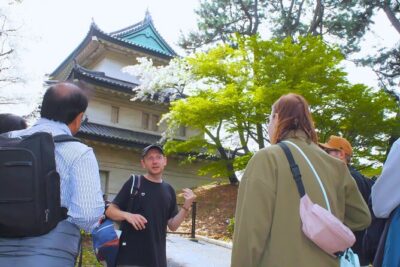
Tokyo Castle, Imperial Palace, Shogun & Garden Walking Tour
Read our review →Browse the lists this tour appears in