
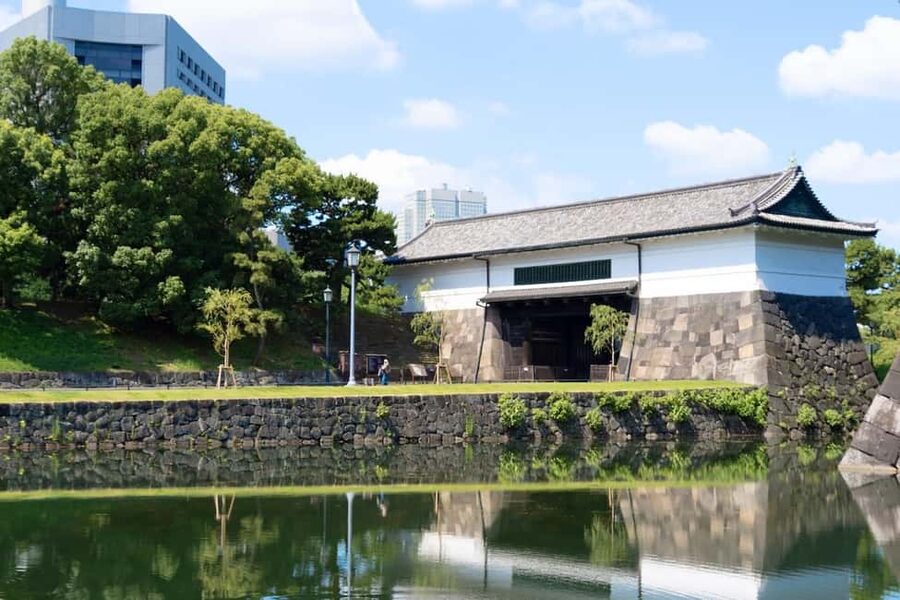
REVIEW · ROYAL CASTLE TOURS
Tokyo: Edo Castle and Imperial Palace Guided Walking Tour
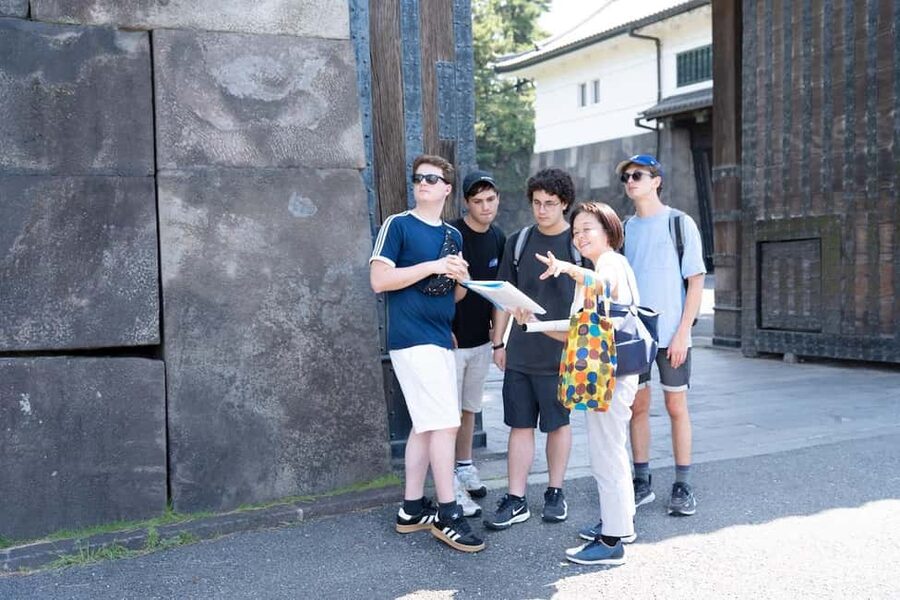
Edo Castle is best understood on foot, one gate and stone wall at a time. This 150-minute walk links the modern Imperial Palace with the old seat of Tokugawa power, using a map of Edo from the 1650s to make the vanished city easier to picture.
I like the small group of up to eight, which should make questions easier, and I like the focus on ordinary details such as guardhouses, moats, and gate design. The main drawback is that this is a long outdoor walk, with only short stops at most points, so comfortable shoes and suitable clothing matter.
Key points at a glance
- A time-travel map: A map of Edo in the 1650s helps connect today’s palace grounds with the city ruled by the shoguns.
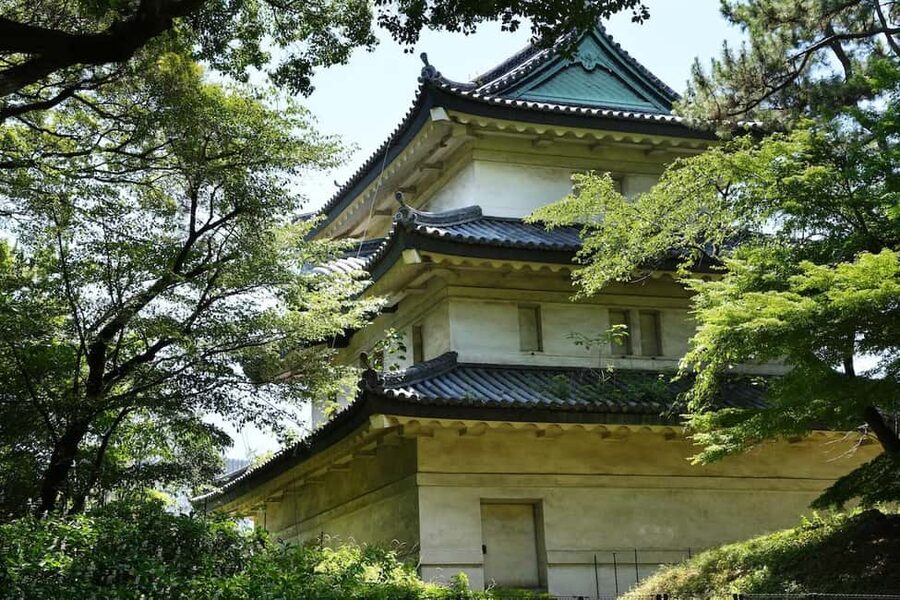
- Many surviving details: You’ll see stone walls, moats, gates, yagura, guardhouses, and castle ruins rather than a rebuilt palace complex.
- Tokugawa and Meiji context: The guide explains the shogunate’s 260-year rule and the shift to imperial rule after the Meiji Restoration.
- A serious walking route: The tour covers about 150 minutes on foot and finishes at Hirakawa Gate, not back at Tokyo Station.
- A useful price point: At $3.22 per person, the cost is unusually low for a live English guided tour, though meals and transportation are not included.
Why Edo Castle makes a better walking tour than a quick photo stop
Tokyo’s Imperial Palace can look formal and quiet from the outside. Its deeper story is less obvious. Beneath the present-day name is Edo Castle, the center of the Tokugawa Shogunate for 260 years and the residence of the shogun.
That change in identity gives this walk its purpose. You are not simply seeing a palace wall. You are following the remains of the place from which Japan was governed, then tracing its change into the Imperial Palace after the Meiji Restoration.
I like the way the route uses physical evidence. A moat tells you about defense. A gate tells you about control and ceremony. A guardhouse hints at the many layers of security needed inside a huge political compound.
The tour also makes room for human stories. The guide discusses the people who lived and worked at the castle, along with the way the Tokugawa family managed power and how culture developed during the Edo period.
One especially useful detail from the experience is the treatment of the Great Fire of Meireki. After the fire, the castle’s main tower base was completed, but rebuilding the tower itself was set aside in favor of restoring Edo. That decision says a lot about priorities after a disaster: the city needed attention before the shogun needed a taller symbol.
More Royal Castle Tours in Japan
- Tokyo Castle & Imperial PalaceーShogun Walking Tour
★ 4.7 · 1,068 reviews - Tokyo Castle & Imperial PalaceーShogun Walking Tour
★ 5.0 · 724 reviews - Imperial Palace East Garden and Edo Castle Walking Tour in Tokyo
★ 5.0 · 510 reviews
Starting beneath Tokyo Station’s Marunouchi dome
Meet at the ground floor of Tokyo Station’s Marunouchi South Exit. The meeting point is marked by the western-style historic yellow dome, and the stated coordinates are 35.68048457383692, 139.76571024138642.
This is a sensible starting point because Tokyo Station is easy to reach by train, but the station is large. Give yourself enough time to get to the Marunouchi South Exit rather than assuming any station exit will do.
The first walk takes about five minutes to the Mitsubishi Ichigokan Museum. The museum stop lasts around ten minutes and helps place the surrounding Marunouchi district in a modern city setting before the route turns toward the castle grounds.
Do not expect a museum visit with time to explore exhibitions. Here, the stop is part of the walking narrative. The main focus remains the route ahead.
Sakurada-mon and the first view of the castle defenses
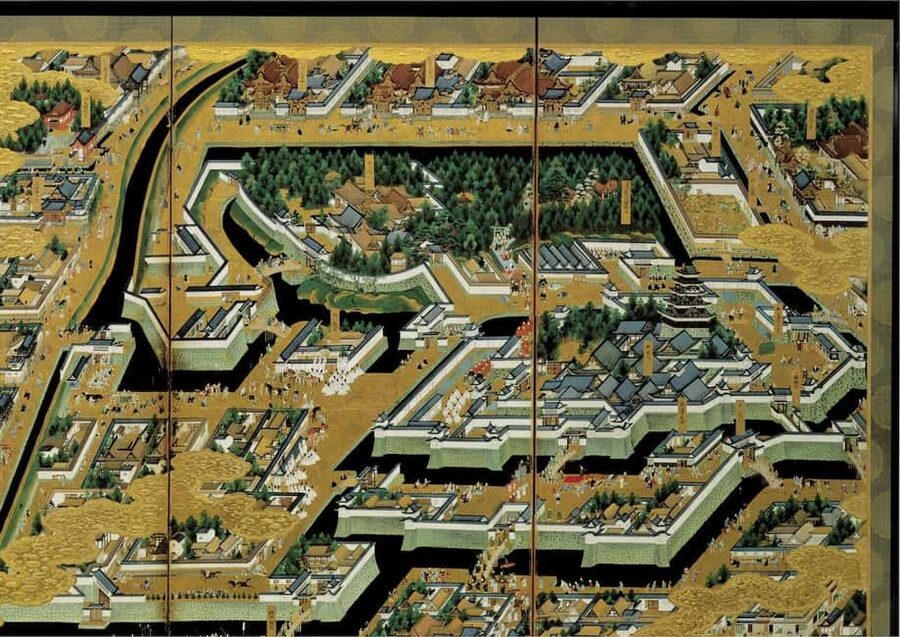
After about seven minutes on foot, you reach Sakurada-mon Gate for a guided stop of roughly ten minutes. This is one of the key moments early in the walk because the scale of the old castle begins to make sense through its entrance points.
From here, the guide leads you past additional points around the palace area. One short stop is listed at a location in Chiyoda, followed by the Sakashita Gate guard post. Each of these pauses lasts about five minutes, so expect focused explanations rather than long visits.
That rhythm is worth knowing. The tour is not built around sitting down or wandering at your own pace. You move, stop, listen, and move again. If you enjoy a clear route with a steady pace, this works well. If you prefer long stretches to photograph every wall, the schedule may feel tight.
The route then reaches Kikyo-mon Gate, another brief stop, followed by Sakurada Tatsumi Yagura. A yagura is a tower-like defensive structure, and this one helps you read the castle as a working military and administrative center rather than a single grand building.
The surviving stonework is one of the strongest parts of the experience. A guide can point out how the walls were built using different methods, including carefully fitted stones and rougher fitted construction. The details may vary by section and by the feudal lord responsible for supplying materials under the system of large public works.
That is where the stone becomes more than scenery. You can look for changes in the style of the masonry and connect them with the political organization of the period.
Ote-mon, the guards, and the controlled world inside
Ote-mon Gate follows after another short walk. The guide spends about five minutes here, then continues to the remains of Ote-San’no Gate.
These entrances help explain how movement inside Edo Castle was managed. The castle was not an open public park in the shogun’s time. Gates, checkpoints, and guards divided the compound into spaces with different levels of access.
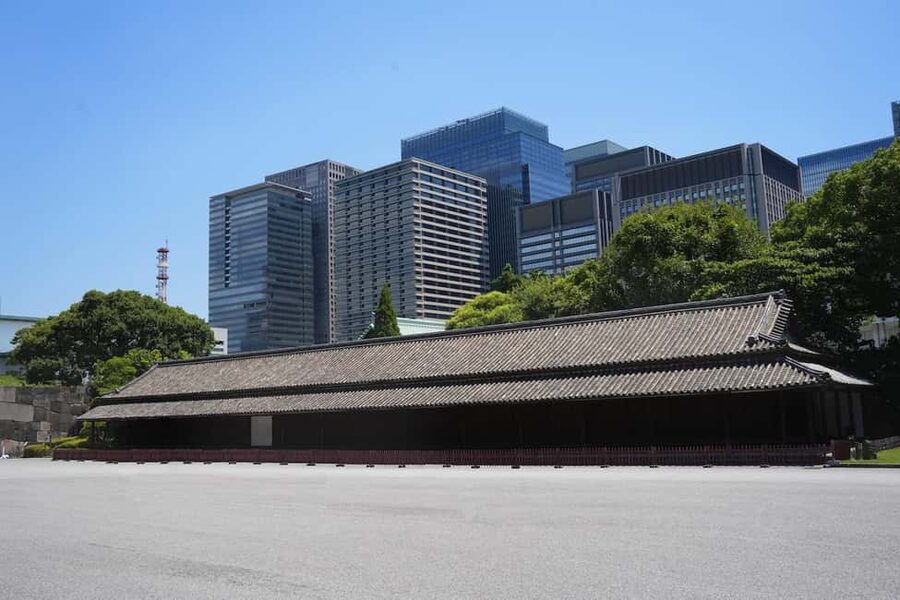
At Hyakunin Bansho Guardhouse, the planned explanation lasts about seven minutes. This is one of the more concrete stops for understanding daily castle operations. A guardhouse gives you a picture of the people who watched entrances, checked movement, and supported the complicated routines of the shogun’s residence.
The route’s attention to these smaller sites is a real strength. A famous gate can attract your eye, but a guardhouse explains how the place worked. You get a better sense of the staff and systems behind political power.
The route also touches on less polished parts of castle life, including the so-called impure gate and the area associated with the women’s quarters. These details are useful because they move the story away from official ceremonies and toward the rules, boundaries, and social structure that shaped life inside the castle.
More royal castle tours in Tokyo:
- Tokyo Castle, Imperial Palace, Shogun & Garden Walking Tour
★ 5.0 · 211 reviews - Tokyo: Edo Castle & East Garden of the Imperial Palace Tour
★ 4.7 · 112 reviews - Tokyo: Pvt. Tour – Edo Castle & Imperial Palace East Gardens
★ 4.8 · 63 reviews - Tokyo: Edo Castle Ruins & Imperial Palace East Garden Tour
★ 4.4 · 13 reviews
The Honmaru site and the vanished main hall
After roughly four minutes on foot, you reach the site of Edo Castle’s Honmaru, or main hall. This is the longest stop on the tour, at about 30 minutes.
It is important to set your expectations here. The main hall is not presented as a surviving building that you can enter. You are visiting the site and reading the ground, walls, open spaces, and remaining structures with the help of the guide.
That may sound less dramatic than a preserved palace interior, but it gives the guide room to explain how the castle functioned as the shogun’s residence and the center of government. The map of Edo from the 1650s should be especially useful here, since it helps fill in the absent buildings and streets.
This is also the natural point for questions. The guide discusses Tokugawa rule, the way the shogunate operated, and the cultural growth of the Edo period. You can ask about the castle’s residents, the Meiji Restoration, or the decisions made after the great fire.
A past tour experience was especially praised for explanations of the Tokugawa government, cultural development, the Great Fire of Meireki, the women’s quarters, and the castle’s defensive design. The guide also answered questions carefully in cold weather. That suggests you should feel free to use this longer stop for conversation rather than treating it as a quick photo break.
Kita-Hanebashi and the route toward Hirakawa Gate
After Honmaru, the walk continues to Kita-Hanebashi Gate for about five minutes of explanation. You then walk around five minutes to Takebashi, pause for another five minutes, and continue to Hirakawa Bridge.
Hirakawa Bridge receives about seven minutes of guided attention. The tour finishes at Hirakawa Gate, which means you should plan your next step from there rather than expecting a return to Tokyo Station.
This final section gives the walk a useful sense of completion. You have moved from the present-day station district through major entrances and central castle ground, then toward another historic exit point.
The route is not a loop. That matters for your schedule, especially if you have a timed meal, museum booking, or train departure immediately afterward. The tour itself lasts 150 minutes, and walking between stops makes up a meaningful part of that time.
What the $3.22 price really offers
At the listed price of $3.22 per person, this is remarkable value if the booking price is available to you as shown. You receive a live English-speaking guide, a small gift, and two and a half hours of organized interpretation across a major historical site.
The low price does not mean you are buying entry to a grand interior or a meal. Transportation to the meeting point, food, and drinks are not included. The value lies in the guide’s explanation and the structure of the route.
I would compare it with the cost of arriving at the palace grounds and trying to understand the ruins alone. You can see walls and gates without help, but the Tokugawa system, the Meiji transition, the fire, and the social rules behind the castle are harder to piece together.
The group limit of eight also improves the value. A very large group can make historic sites feel like a lecture at a distance. With fewer people, you should have a better chance to hear the guide and ask about details that catch your eye.
Walking conditions, timing, and accessibility
The tour is listed as wheelchair accessible, but it is still a walking experience lasting 150 minutes. The supplied guidance specifically tells you to wear comfortable shoes, and I would take that seriously.
You will move between many stops, with walks of roughly four to seven minutes at a time and several short standing explanations. There are no meals or drinks included, so plan those around the tour.
The route is conducted in English, and the guide is live rather than pre-recorded. Starting times vary, so check availability for the date you want.
Free cancellation is available up to 24 hours before the tour for a full refund. You can also reserve now and pay later, which helps if your Tokyo schedule is still shifting.
Who will get the most from this castle walk
I would choose this tour if you like political history, architecture, and places where the evidence is partly in ruins rather than fully rebuilt. The focus is on interpretation, so it suits you if you want to understand why the castle mattered, not just take a picture beside a gate.
It also fits a first visit to Tokyo because the meeting point is central and easy to connect with by train. The route then carries you into a quieter side of the city, where the old castle plan is easier to imagine.
Families with older children may find the gates, guards, moats, and fire story easier to follow than a long museum display. The 30-minute Honmaru stop may be less appealing to anyone who needs constant movement or prefers polished interiors.
Cold, wet, or very hot weather could affect your enjoyment because much of the tour takes place outdoors. The live guide adds real value, but the experience depends on your willingness to walk and listen for two and a half hours.
Should you book the Edo Castle tour?
Book it if you want the Imperial Palace area explained through the Tokugawa Shogunate, not treated as a quick photo stop. The strongest features are the small group, the English guide, the map of 1650s Edo, and the attention to gates, stonework, guardhouses, and the Honmaru site.
Skip it if you need a short, indoor attraction or a tour that begins and ends at the same place. At $3.22 per person, the price makes the decision easy for most history-minded visitors, provided you are ready for a steady outdoor walk and remember that the finish is at Hirakawa Gate.
FAQ
Where does the tour begin?
It begins at the Marunouchi South Gate of Tokyo Station, on the ground floor beneath the western-style historic yellow dome.
Where does the tour finish?
The tour finishes at Hirakawa Gate, written in the meeting information as 平川門.
How long does the tour last?
The tour lasts 150 minutes, or two and a half hours.
What language is the tour conducted in?
The tour is conducted in English by a live English-speaking guide.
How large is the group?
The group is limited to eight participants.
Is transportation included?
Transportation to the starting point is not included. You need to make your own way to Tokyo Station’s Marunouchi South Gate.
Are food and drinks included?
No. Meals and drinks are not included.
What should I wear?
Wear comfortable shoes because the experience involves walking between many outdoor stops.
Can I cancel for a full refund?
Yes. You can cancel up to 24 hours in advance for a full refund.
More Walking Tours Past the Palaces in Tokyo
- Tokyo: Imperial Palace and Shogun Historical Walking Tour
★ 5.0 · 2,251 reviews - Tokyo: Imperial Palace Japanese History Walking Tour
★ 4.9 · 987 reviews - Tokyo: Imperial Palace and Shogun Walking Tour
★ 4.9 · 935 reviews - Tokyo: Imperial Palace East Gardens Walking Tour
★ 4.8 · 353 reviews
Just added around Tokyo
- Tokyo walking tour around Imperial Palace and Tokyo Station★ 5.0 · 3 reviews
- Tokyo: Imperial Palace, the history of Japan (ENGLISH GUIDE)★ 5.0 · 77 reviews
- Tokyo: Pvt. Tour – Edo Castle & Imperial Palace East Gardens★ 4.8 · 63 reviews
- Tokyo: Imperial Palace East Gardens and Tokyo Station Tour★ 5.0 · 16 reviews
- Tokyo: Imperial Palace with Nostalgic Alley Kagurazaka tour★ 4.3 · 8 reviews
- Tokyo: Edo Castle Ruins & Imperial Palace East Garden Tour★ 4.4 · 13 reviews
- Imperial Palace Tour: Discover Samurai History with a Guide★ 5.0 · 12 reviews
- Full Tokyo: Meiji Shrine, Imperial Palace, Asakusa & Skytree★ 4.7 · 16 reviews
Royal Castle Tours, compared.
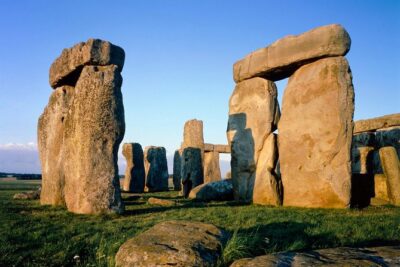
Stonehenge, Windsor Castle, and Bath from London
Read our review →
Dracula’s Castle, Peles Castle, & Brasov Old Town
Read our review →
Neuschwanstein & Linderhof Castle Full-Day Trip
Read our review →
Dracula Castle, Peles Castle & Brasov Old Town
Read our review →
Prague Castle 2.5-Hour Tour Including Admission Ticket
Read our review →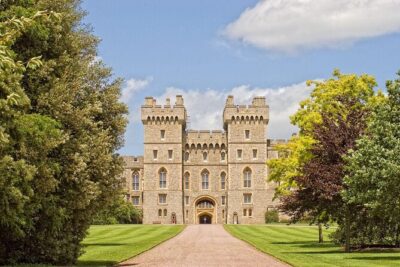
Stonehenge, Windsor Castle and Bath with Pub Lunch in Lacock
Read our review →
Neuschwanstein & Linderhof Castle-Fairytale Day Tour from Munich
Read our review →
Browse the lists this tour appears in