
REVIEW · ROYAL CASTLE TOURS
Kyoto: Nijo Castle and Kyoto Imperial Palace Guided Tour
Kyoto’s story becomes much clearer when you visit Nijo Castle and the Kyoto Imperial Palace together. One site shows the shogun’s power in lavish rooms and carefully planned spaces. The other reflects the quieter authority of Japan’s emperors, with broad grounds, formal buildings, and gardens shaped around the seasons.
I like the small groups of up to nine and the way the tour links architecture with politics instead of treating each building as a photo stop. I also like the guides’ flexibility. Goku, Kayo, Nene, and Taku are repeatedly praised for explaining difficult history in clear English and answering questions. The main drawback is that parts of the Imperial Palace may be viewed only from the outside, so this is better for context and gardens than for a full interior visit.
Key points to know before booking
- Two power centers in three hours: Compare the shogunate at Nijo Castle with imperial Kyoto at the palace.
- Guides make the difference: Goku, Kayo, Nene, and Taku are noted for clear history, cultural context, humor, and local tips.
- Small group format: The tour is limited to nine people, allowing room for questions and some adjustment to the group’s interests.
- Expect plenty of walking: The route includes a roughly 20-minute walk between the Imperial Palace and Nijo Castle, along with outdoor garden time.
- Imperial Palace interiors are limited: You may see some buildings from the exterior rather than entering every structure.
- Good seasonal timing: The palace gardens are especially appealing in spring, and the route includes a spot known for cherry blossoms.
Why these two Kyoto sites belong on the same morning
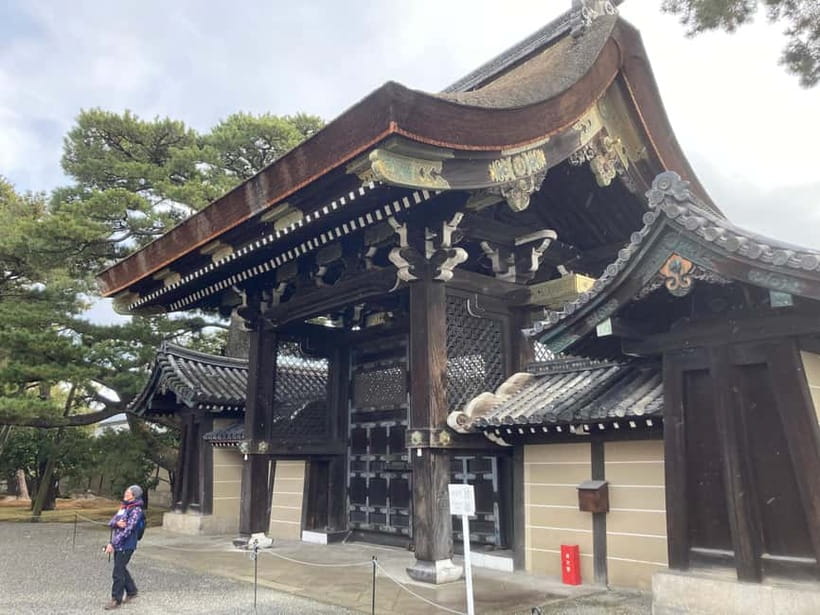
Kyoto can feel like a series of beautiful but disconnected sights. Nijo Castle and the Imperial Palace help you connect the pieces. The castle represents Tokugawa rule, military authority, and the shogun’s control of Japan. The palace represents the emperor, court life, ceremony, and older cultural traditions.
That contrast gives the tour a useful thread. Instead of hearing isolated facts about Japanese architecture, you can ask why one place feels guarded and theatrical while the other feels open, restrained, and ceremonial. The guide explains the political climate behind the buildings, so you get more than names and dates.
The tour lasts three hours and uses a small group format. That matters here. Both sites reward careful explanation, since many of the most important details are not obvious from a quick walk past a gate or garden. A good guide can point out how space, decoration, and movement were used to express power.
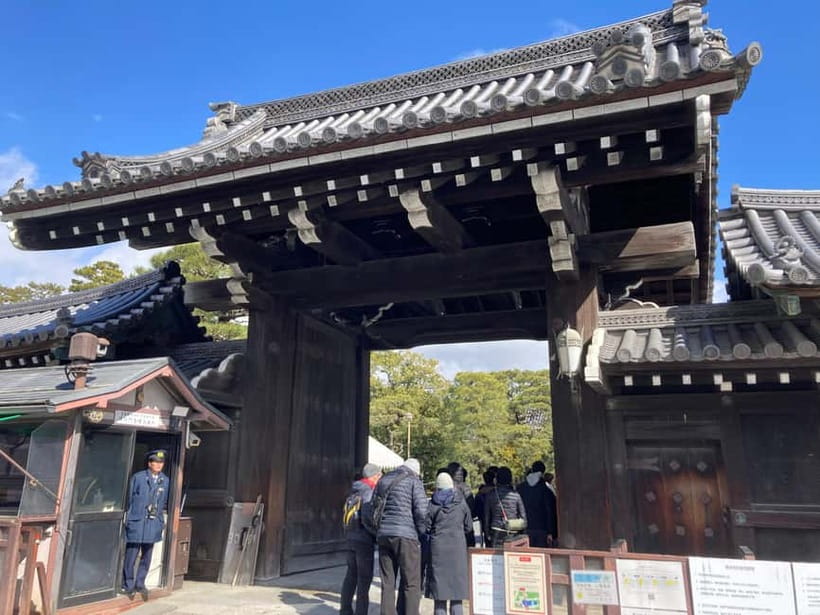
The meeting point is the Nakadachiuri Gate of the Kyoto Imperial Palace. You receive information in advance about what your guide looks like and what they will be wearing. That is useful in a large public area, especially if you are arriving early and trying to identify a small group.
More Royal Castle Tours in Japan
- Tokyo Castle & Imperial PalaceーShogun Walking Tour
★ 4.7 · 1,068 reviews - Kyoto: Nijo-jo Castle and Ninomaru Palace Guided Tour
★ 4.7 · 1,020 reviews - Tokyo Castle & Imperial PalaceーShogun Walking Tour
★ 5.0 · 724 reviews
Starting at the Kyoto Imperial Palace
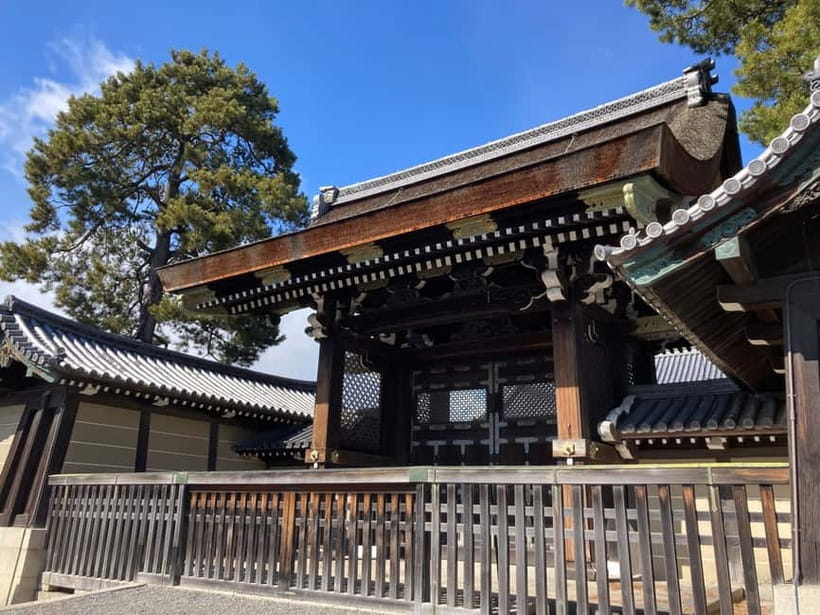
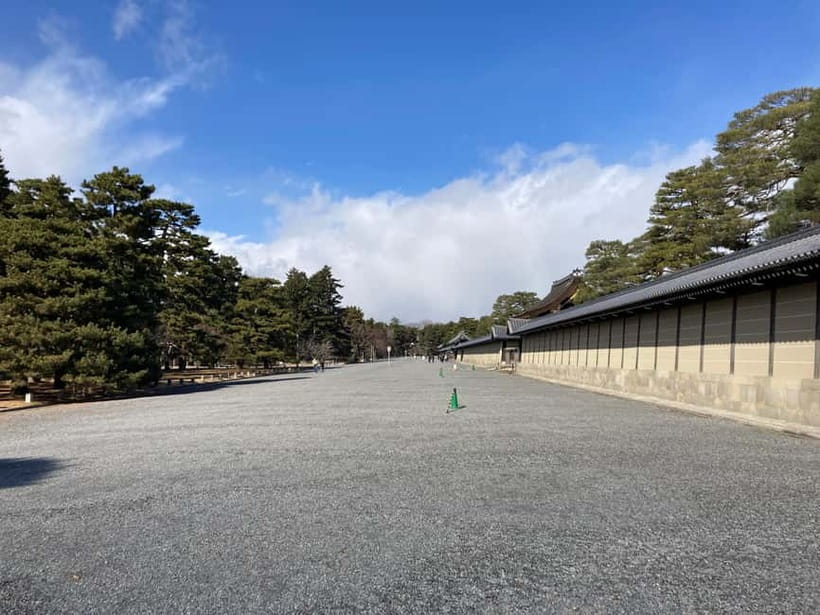
Beginning at the Imperial Palace gives the day a calm opening. The grounds are known for broad spaces, traditional design, and gardens arranged to show seasonal change. In spring, the cherry blossoms can add real appeal. At other times of year, the gardens still provide a quieter way to see Kyoto’s formal side.
The palace was the residence of Japan’s emperors, and that role gives the site a different mood from Nijo Castle. You are looking at the center of court tradition rather than a fortified display of shogunal authority. Your guide puts the buildings and garden design into that setting, explaining how the palace fits into Japan’s political and cultural story.
You should set your expectations carefully. One of the clearest cautions about this tour is that the Imperial Palace experience may involve seeing the exteriors of buildings rather than entering all of them. If your main goal is a detailed look inside imperial rooms, this may feel limited.
Still, the outdoor setting is a genuine part of the appeal. You can see how the palace grounds use space, paths, trees, and garden views to create a formal sense of order. The guide’s explanation helps you read those choices instead of simply walking past them.
Walking through Kyoto between the major sights
The route includes a walk of about 20 minutes from the Imperial Palace to Nijo Castle. This is not a bus transfer or a ride between isolated attractions. You move through Kyoto on foot, with the guide continuing the discussion along the way.
That walk adds value if you like seeing how major monuments relate to ordinary city life. The route includes traditional Kyoto townhouses and a place known for cherry blossoms. These details provide a welcome change from palace gates and castle walls, and they give you a closer look at the city beyond its headline attractions.
The walk also means you should wear comfortable shoes and plan for outdoor conditions. The gardens and streets are part of the experience, so rain, heat, or cold can affect your enjoyment. The tour information specifically says to bring a camera and cash, and it says shorts are not allowed.
The pace appears to suit people who want conversation as they walk. One guide, Kayo, is praised for keeping the three hours moving with a mix of humor and information. Another guide, Taku, used the walk to discuss Japanese and Western culture. That kind of connecting conversation can make the transfer feel like part of the tour rather than dead time.
Inside Nijo Castle and the Ninomaru Palace
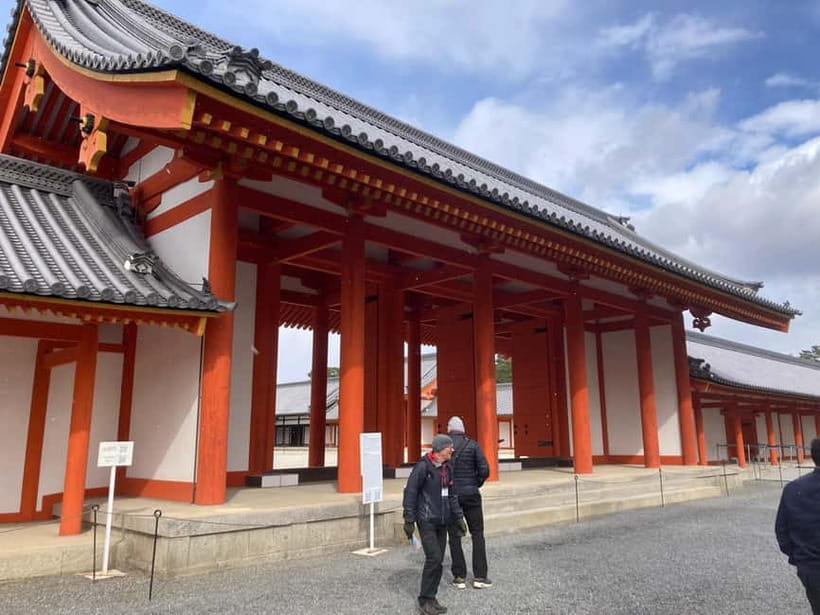
Nijo Castle is the tour’s strongest stop for understanding the authority of the shogunate. Built by Tokugawa Ieyasu, it was designed to display power through scale, decoration, controlled movement, and ceremony.
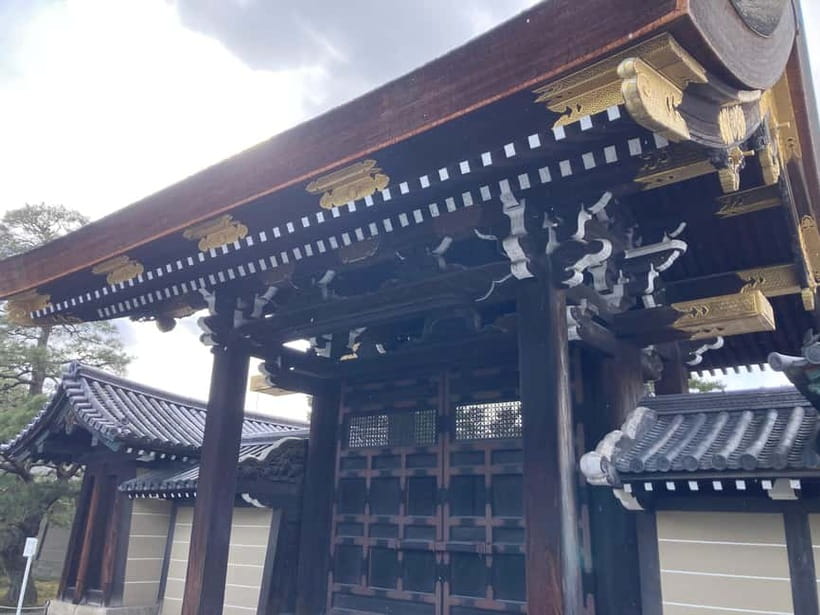
The included Nijo Castle admission covers the Ninomaru Palace and the art gallery. The Ninomaru Palace is important because it shows how political authority could be expressed through interior design. Lavish decoration and intricate details were not simply there for beauty. They helped create an atmosphere of rank and control.
Your guide explains the political climate of the period and gives meaning to the rooms and details you see. This is where a guided visit earns its fee. Without context, the castle can look like an attractive collection of painted panels, gardens, and buildings. With context, you can better understand why the site mattered and how the shogun’s role differed from that of the emperor.
A guide can also help balance history with visual interest. Some people in a group may want detailed explanations of shoguns and political events, while others may care more about architecture and photographs. Goku was specifically praised for adjusting the visit to a mixed group, while another guide helped a solo visitor take photos.
The castle is not presented as only a military site. It also has a controlled elegance. The combination of authority and serenity is one of its best qualities. You may leave with a clearer sense of how Japan’s rulers used buildings to shape the behavior and feelings of everyone who entered.
Same city, a very different set of state rooms:
- Tokyo: Imperial Palace and Shogun Historical Walking Tour
★ 5.0 · 2,251 reviews - Tokyo: Imperial Palace Japanese History Walking Tour
★ 4.9 · 987 reviews - Tokyo: Imperial Palace and Shogun Walking Tour
★ 4.9 · 935 reviews - Imperial Palace East Garden and Edo Castle Walking Tour in Tokyo
★ 5.0 · 510 reviews
What the guides add to the experience
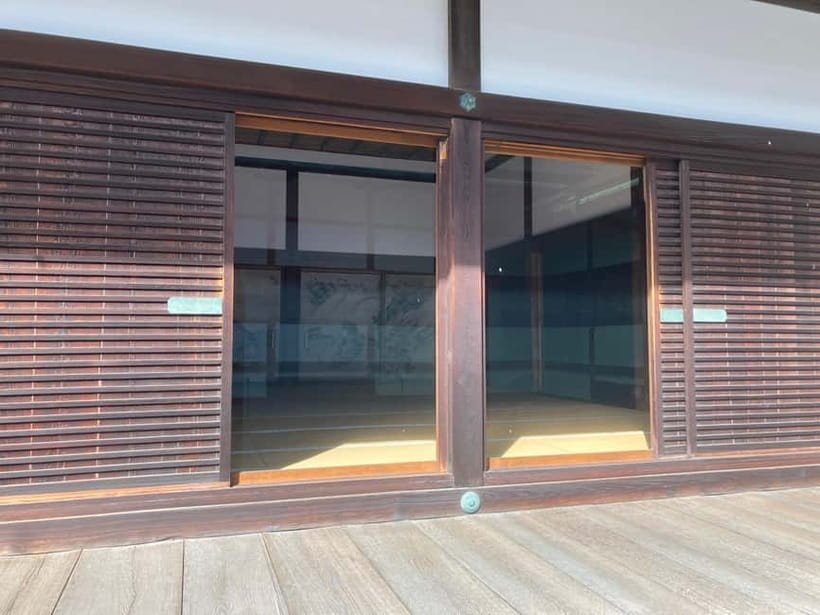
The strongest part of this tour is likely to be the person leading it. The guide names that appear most often are Goku, Kayo, Nene, and Taku. Each is described as friendly, clear, patient, and well informed about Japanese history and culture.
Goku receives especially strong praise for detailed explanations of shoguns, emperors, Japanese culture, and political events. He also handled difficult questions, including modern relations between Japan and the United States after World War II. If you enjoy history and want to ask questions beyond the standard script, he sounds like an excellent match.
Kayo is praised for her humor, energy, and ability to make three hours pass quickly. She also explained Kyoto and Japan more broadly, rather than limiting the discussion to the two sites. Nene is described as kind and accommodating, with clear explanations of both the palace and castle.
Taku is noted for his local suggestions, friendly manner, and patience with questions. He also helped a solo visitor with photographs and sent restaurant suggestions after the tour. Those small touches can be useful when you still have time in Kyoto and want practical advice beyond the official sights.
Guide assignments can change, so you should not assume you will receive a particular person. Still, the repeated strength of the guide feedback is important. The tour’s value depends less on novelty and more on how well the guide turns buildings into a readable story.
Is $63 a fair price?
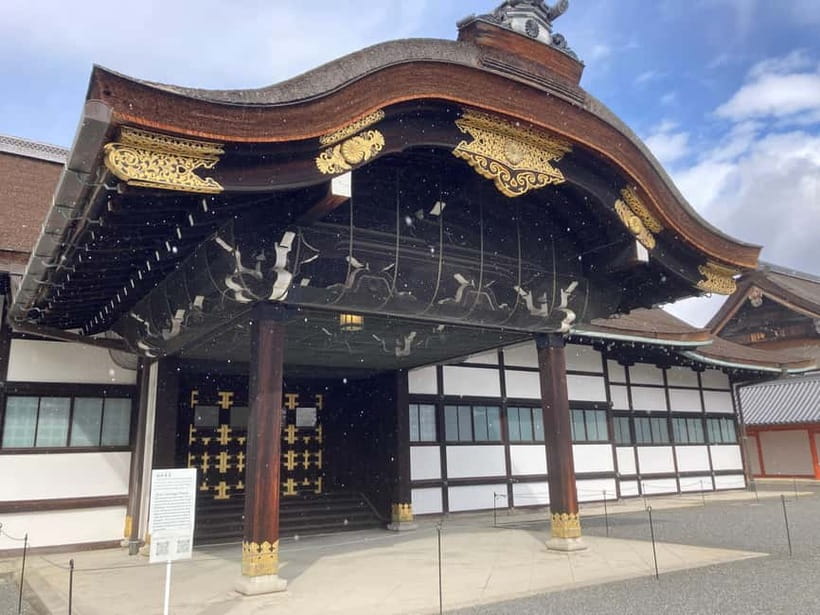
At $63 per person, this is not the cheapest way to see the two sites. You are paying for a three-hour guided walk, admission to Nijo Castle areas including Ninomaru Palace and the art gallery, and the benefit of a small group limited to nine people.
The price makes the most sense if you want historical explanation. If you are happy to read signs, follow a map, and look at the buildings on your own, you may prefer a self-guided visit. If you want to understand the difference between imperial and shogunal power, the guide adds something you cannot get from photographs alone.
The small group also helps justify the cost. A group of nine is large enough to keep the tour social but small enough for questions. Several guides are praised for tailoring the visit to the interests of the group, including history, architecture, photography, and local culture.
I would consider the tour good value for a first visit to Kyoto, especially if you have limited time and want two major historic sites explained in one outing. I would be less enthusiastic if you mainly want access to palace interiors or a completely relaxed garden stroll.
Who will enjoy this tour most
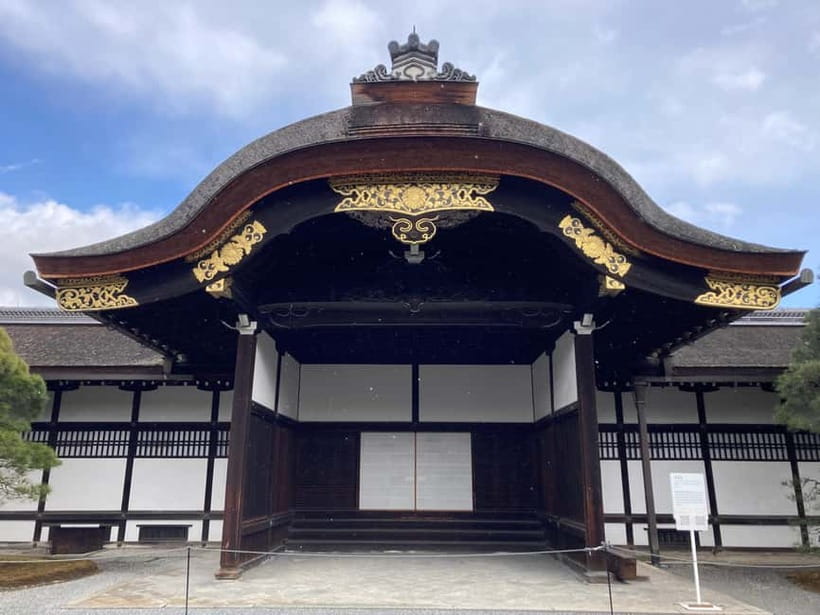
This experience is a strong fit for first-time Kyoto visitors who want a clear introduction to the city’s political past. It also suits couples, families with older children, solo visitors, and anyone who prefers asking questions rather than reading every sign alone.
History fans should appreciate the focus on shoguns, emperors, politics, and architecture. The tour also works for people who are more interested in design and gardens, since the guide explains the visual choices and the palace gardens provide seasonal appeal.
Solo visitors can benefit from the small group and the chance to have someone take photographs. The route may also suit people who want practical local advice, since guides have offered suggestions for restaurants and other things to do after the tour.
This is less suitable if you dislike walking, want a short indoor-only visit, or need a tour designed for pregnancy. The information specifically lists the experience as not suitable for pregnant women. You should also avoid shorts and bring cash and a camera.
Booking advice and practical details
The tour operates for three hours, with starting times subject to availability. The meeting point is the Nakadachiuri Gate of the Kyoto Imperial Palace, not Nijo Castle, so check your route carefully before setting out.
You can cancel up to 24 hours in advance for a full refund, and you can reserve now while paying later. Those terms help if your Kyoto schedule is still changing, but they do not remove the need to arrive prepared for a walking tour.
The available guide languages are English, French, Spanish, Japanese, Portuguese, and Russian. English-language feedback is especially strong, with repeated praise for clear explanations and good conversation.
Plan for time outside. The palace gardens, the walk through Kyoto, and the castle grounds all make weather part of the experience. Comfortable shoes, a camera, and some cash are sensible choices. Since shorts are not allowed, dress in line with the site requirements.
Should you book the Nijo Castle and Imperial Palace tour?
Book it if you want meaning and connection, not just entrance tickets. The tour brings together two different forms of authority and explains how Japan’s political past shaped the buildings, gardens, and city around them.
I would book it for a first Kyoto visit, for anyone curious about shoguns and emperors, and for visitors who value a strong local guide. Goku, Kayo, Nene, and Taku have all been praised for making the history approachable, answering questions, and adjusting the experience to the group.
Skip it if you mainly want extensive palace interiors, dislike walking, or prefer exploring silently at your own pace. The Imperial Palace may be viewed largely from outside, and the $63 price reflects the guide and small group more than unusual access.
For most people, the best reason to go is the contrast. Nijo Castle shows power with decoration and control. The Imperial Palace presents a more restrained imperial tradition. See them together, and Kyoto’s past feels less like a list of famous names and more like a conversation between two centers of Japan’s history.
FAQ
How long is the Nijo Castle and Kyoto Imperial Palace tour?
The tour lasts three hours.
Where does the tour meet?
The meeting point is the Nakadachiuri Gate of the Kyoto Imperial Palace.
How many people are in the group?
The tour is limited to nine participants.
Which languages are available?
Guided tours are available in English, French, Spanish, Japanese, Portuguese, and Russian.
What does the price include?
The price is $63 per person and includes a professional guide, the walking tour, and admission to Nijo Castle, Ninomaru Palace, and the art gallery.
Is the Kyoto Imperial Palace interior included?
The experience includes a visit to the Kyoto Imperial Palace, but some buildings may be viewed only from the exterior.
What should I bring, and what is not allowed?
Bring a camera and cash. Shorts are not allowed.
Just added around Japan
- Tokyo walking tour around Imperial Palace and Tokyo Station★ 5.0 · 3 reviews
- Tokyo: Imperial Palace, the history of Japan (ENGLISH GUIDE)★ 5.0 · 77 reviews
- Tokyo: Pvt. Tour – Edo Castle & Imperial Palace East Gardens★ 4.8 · 63 reviews
- Tokyo: Imperial Palace East Gardens and Tokyo Station Tour★ 5.0 · 16 reviews
- Tokyo: Imperial Palace with Nostalgic Alley Kagurazaka tour★ 4.3 · 8 reviews
- Tokyo: Edo Castle and Imperial Palace Guided Walking Tour★ 5.0 · 6 reviews
- Tokyo: Edo Castle Ruins & Imperial Palace East Garden Tour★ 4.4 · 13 reviews
- Kyoto: Discover Every Bit of Kyoto Imperial Palace★ 4.4 · 21 reviews
Royal Castle Tours, compared.
Stonehenge, Windsor Castle, and Bath from London
Read our review →
Dracula’s Castle, Peles Castle, & Brasov Old Town
Read our review →
Neuschwanstein & Linderhof Castle Full-Day Trip
Read our review →
Dracula Castle, Peles Castle & Brasov Old Town
Read our review →
Prague Castle 2.5-Hour Tour Including Admission Ticket
Read our review →
Stonehenge, Windsor Castle and Bath with Pub Lunch in Lacock
Read our review →
Neuschwanstein & Linderhof Castle-Fairytale Day Tour from Munich
Read our review →
Browse the lists this tour appears in