
REVIEW · TOKYO PALACE TOURS
Tokyo: Imperial Palace, the history of Japan (ENGLISH GUIDE)
Tokyo’s Imperial Palace hides one of the city’s best history lessons behind a broad stone gate. This walking tour takes you through the eastern gardens of the former Edo Palace, where you can see castle foundations, old military quarters, special koi, and trees sent from across Japan. The setting is calm, yet the stories explain how Edo became Tokyo and how Japan changed over centuries.
I like the way this tour connects beautiful gardens with real political history, rather than treating the palace as a pretty photo stop. I also like the small-group feel described by guide Nicolas, a Franco-Japanese guide who answered questions about mythology, language, the imperial family, and Japan today. The main consideration is the guide language: the experience is described as English in its title, but the detailed information says French, so confirm this before booking.
Key points to know before you go
- Edo Castle ruins: Walk across the former base of Edo Castle, which dates back more than 350 years.
- A quiet side of central Tokyo: The eastern gardens offer ponds, trees, stone walls, and open space close to Tokyo Station.
- Special koi: Look for a breed of koi said to be found only here.
- History with context: The tour explains why the main castle no longer exists and how Japan developed into its modern form.
- Useful meeting point: Meet near the fountain at Starbucks in Wadakuramon Fountain Park, a 5 to 10 minute walk from Tokyo or Otemachi Station.
- Good value for history fans: At $40 per person, the price pays for a guided walk and interpretation rather than admission to the inner palace.
Why the eastern gardens tell Tokyo’s story
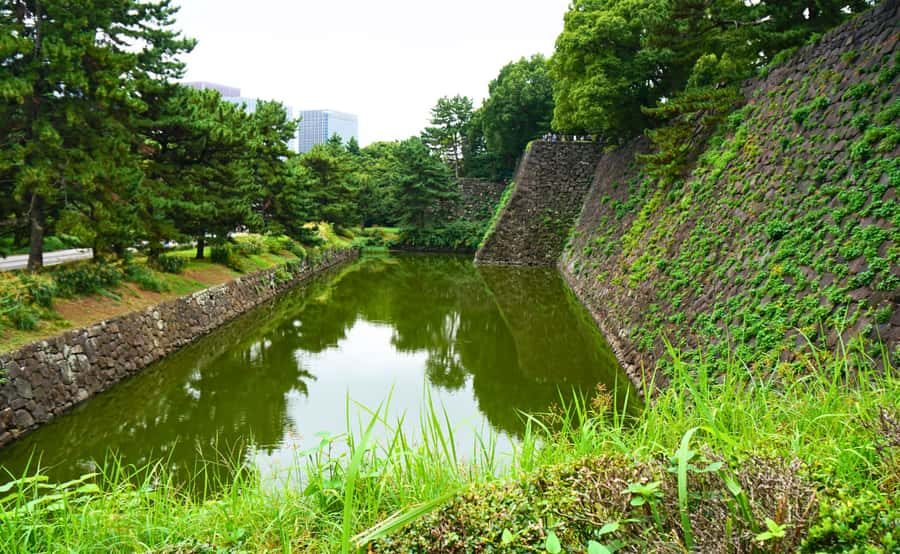
The Imperial Palace is not simply a royal residence surrounded by gardens. The eastern grounds occupy the former site of Edo Castle, the huge stronghold that shaped the city’s political power for centuries. You walk through a place where military authority, government, court life, and modern Japan meet.
That context matters because the palace itself is not presented as a single grand building you can tour from room to room. The main castle is gone. Instead, you see the ground it occupied, surviving walls and foundations, former military spaces, gardens, and a miniature structure that helps you picture the palace that once stood there.
Without a guide, it would be easy to see attractive stonework and trees without understanding what happened there. A good explanation turns the walk into a readable map of Japan’s past. You can connect the old castle grounds to the rise of Edo, the city that later became Tokyo, and to the changes that brought Japan into its modern era.
The tour is especially useful if you have arrived in Japan with only a general sense of samurai, shoguns, emperors, and modernization. The walk gives those subjects a physical setting. You are not only hearing dates and names. You are standing where power was organized.
More history tours in Tokyo:
- Tokyo: Imperial Palace and Shogun Historical Walking Tour
★ 5.0 · 2,251 reviews - Tokyo: Imperial Palace Japanese History Walking Tour
★ 4.9 · 987 reviews - Imperial Palace Tour: Discover Samurai History with a Guide
★ 5.0 · 12 reviews
Meeting at Wadakuramon Fountain Park
The meeting point is practical, but you should allow time to find it. Take the train to Tokyo Station or Otemachi Station, then walk about 5 to 10 minutes to Wadakuramon Fountain Park. The guide waits near the fountain by the Starbucks, holding a sign marked SUNRISE ADVENTURE.
This is a better arrangement than trying to meet somewhere inside the palace grounds. You begin in a recognizable public place, then walk together to Otemon, the large main gate. That gives you a moment to get organized before the historical portion begins.
Tokyo Station and Otemachi are large areas, so do not treat the 5 to 10 minute estimate as permission to arrive at the last second. The tour starts promptly, and the stated rule is strict: if you are not there within 10 minutes of the meeting time, the group may leave without you.
The experience ends back at the same meeting point. That makes it easier to continue sightseeing in central Tokyo, return to your hotel, or use the nearby train stations.
Passing through Otemon, the main gate
The walk into the palace grounds begins at Otemon. A large gate is an appropriate entrance for a site that once protected one of Japan’s most important centers of power.
Your guide leads you through the gate and into the eastern gardens. From there, the emphasis is on walking and explanation. You should expect a historical tour outdoors, not a palace-room visit or a formal museum presentation.
The gate also marks a change in mood. Tokyo’s traffic and office towers are close by, but the grounds offer a more measured pace. Stone walls, gardens, trees, and open paths give the history room to breathe. I like this contrast because it helps you see that modern Tokyo did not replace an unrelated old city. It grew from the former seat of Edo.
The exact length of the tour is not provided, so wear comfortable shoes and plan for a substantial outdoor walk. You will be on your feet in good or bad weather, and the operator specifically advises clothing suited to the conditions.
Reconstructing a vanished castle

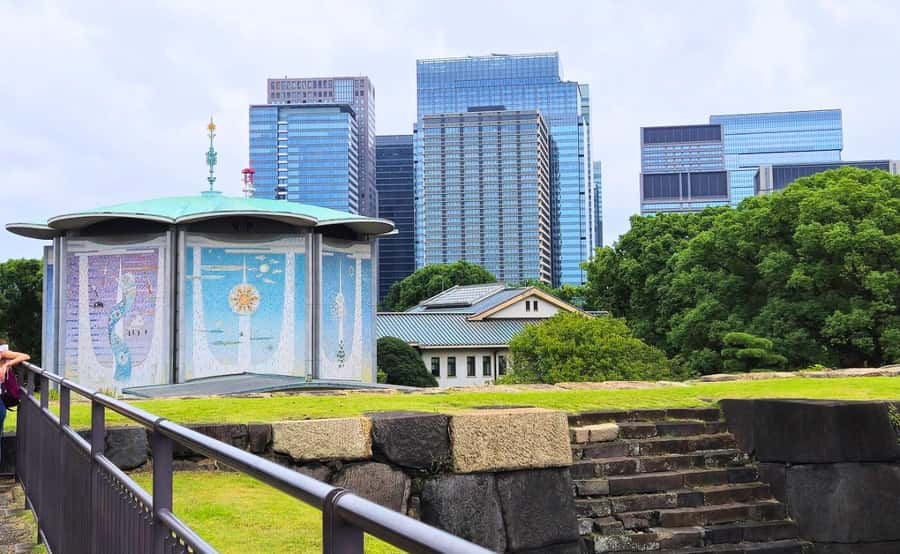
One of the most useful parts of the experience is the explanation of why the main castle no longer exists. The tour does not pretend that you will see a complete Edo Castle. Instead, the guide uses the remaining foundations, the former base, and a miniature structure to help you understand what was there.
That approach suits the site. Ruins demand a little imagination, and a guide can supply the missing scale and meaning. You can look at the surviving ground plan and begin to picture the castle as a working center of power rather than a decorative building.
The miniature structure is particularly helpful if you struggle to read ruins. It gives you a visual reference for the former palace and makes the vanished buildings easier to picture. I would not book this expecting an intact castle interior. I would book it if you enjoy seeing how a place functioned and changed over time.
The tour also covers former soldiers’ barracks. This detail broadens the story beyond rulers and imperial family members. A castle was also a workplace, military base, and organized community. The barracks help show the practical side of Edo Castle and the people needed to operate it.
More guided palace visits in Tokyo:
- Tokyo: Edo Castle and Imperial Palace Guided Walking Tour
★ 5.0 · 6 reviews - Seville: Cathedral, Giralda & Alcazar Entry With Guided Tour
★ 4.6 · 8,560 reviews - Madrid: Royal Palace Expert Guided Tour with Skip-the-Line
★ 4.7 · 8,407 reviews - Granada: Alhambra & Generalife Fast-Track Guided Tour
★ 4.7 · 8,313 reviews
Gardens, ponds, and the palace koi

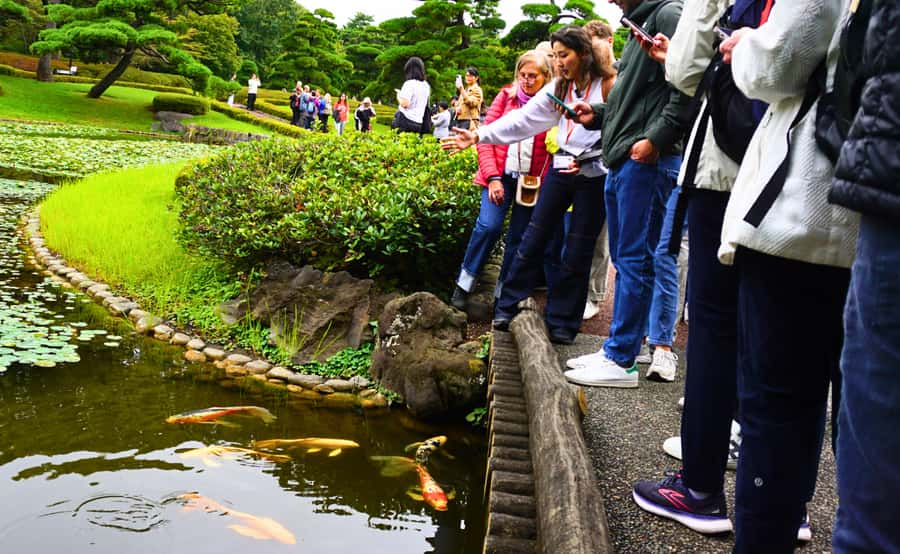
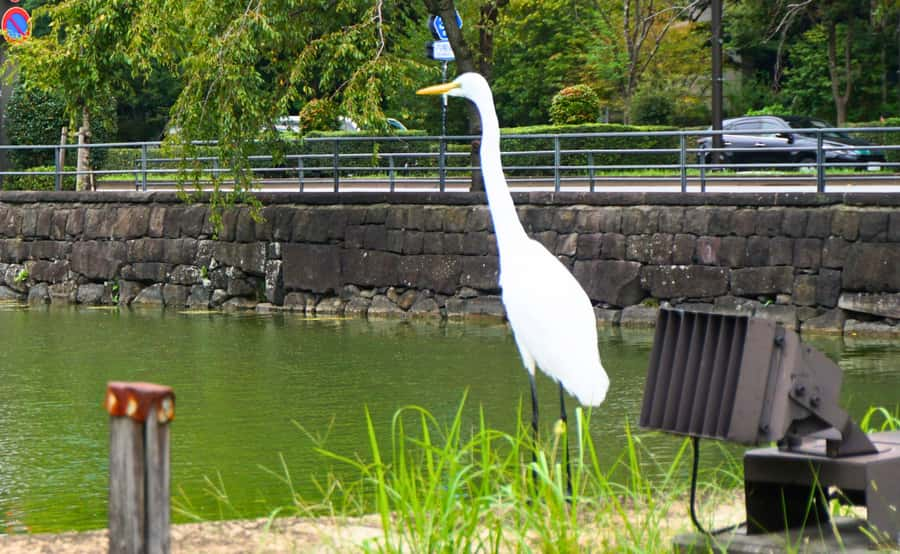
The eastern gardens provide much of the visual appeal. You will stroll among oriental garden features, trees from different prefectures of Japan, and peaceful areas that feel removed from the city.
The special koi are one of the tour’s more unusual details. You are introduced to a breed said to be found only here, making the ponds more than a pleasant backdrop. The fish give the guide another way to explain the palace grounds and the care given to this historic setting.
You should keep your expectations sensible. This is not presented as a wildlife tour, and there is no promise about how many koi you will see or how long you will spend at the ponds. The appeal is the combination of a specific palace detail, a calm garden setting, and the chance to notice something you might otherwise walk past.
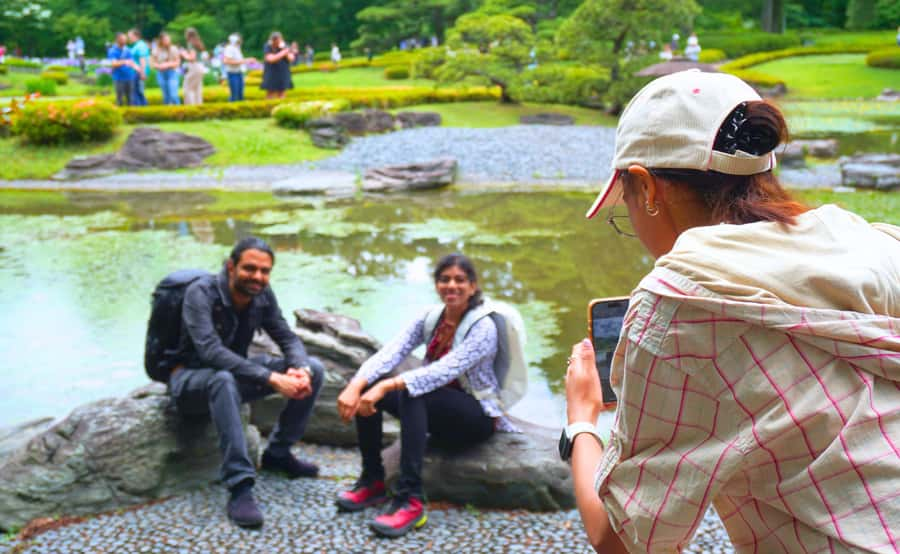
The trees from different prefectures add another layer. They link the palace grounds with regions across Japan and provide good photo subjects. The tour includes suggestions for strong photo spots, so bring your camera or phone if you care about pictures. The best images may not be of a grand palace building, since the main castle is gone. Expect gardens, walls, paths, water, trees, and historic remains instead.
A history tour that reaches beyond dates
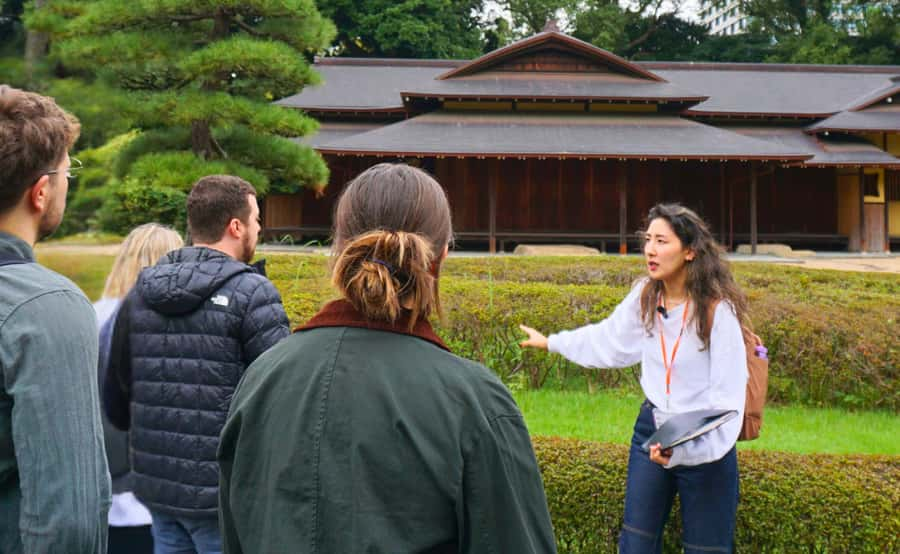
The strongest part of this experience is the guide’s role. You are not only shown where to walk. You are given a way to connect the site to Japanese history, mythology, language, the imperial family, and Japan today.
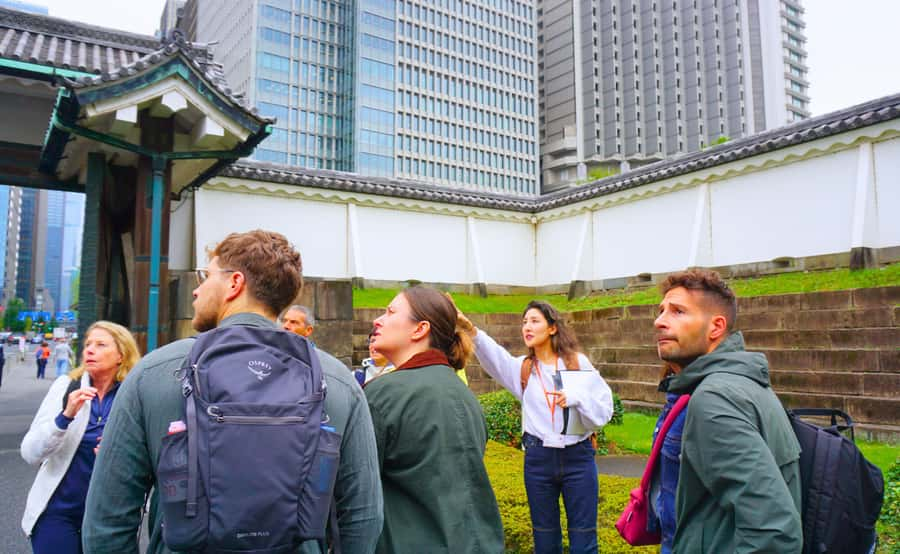
A review of a tour led by Nicolas describes a Franco-Japanese guide who answered a wide range of questions and made the visit feel personal in a small group of five. That detail matters. Five people is a manageable size for questions and conversation, although group size can vary and is not guaranteed for every departure.
A small group also helps at a site where much of the value comes from discussion. You can ask why a particular wall was built, how the former palace was arranged, or how the imperial family fits into the story. The experience appears best suited to curious people who want more than a short set of facts.
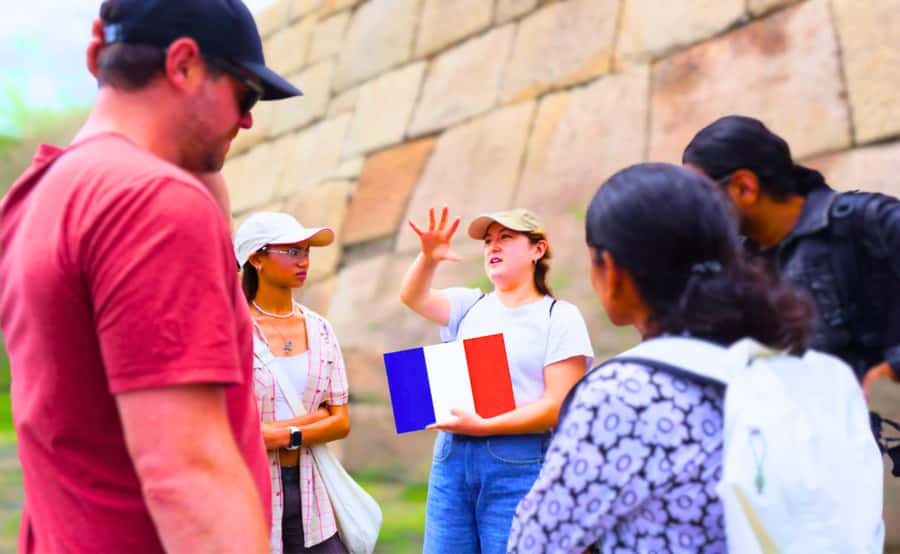
The French language information needs attention. The title describes an English guide, while the included services and language information identify French. The available details do not resolve that conflict. If you need English, contact Sunrise Adventure before paying. If French works for you, the named guide Nicolas may be a particularly good fit based on the description of his Franco-Japanese background.
What the $40 price really covers
At $40 per person, this is priced as a guided history walk rather than a major ticketed attraction. The value depends on how much interpretation you want.
You are paying for a historical walking tour and a guide who explains the former Edo Palace, castle ruins, barracks, gardens, koi, and the wider story of Japan. You are not paying for entry to the inner palace, and you should not expect access beyond the public eastern garden area described here.
For me, the price makes sense if you are interested in history and would otherwise pass through the gardens without understanding the remains. The walk gives structure to a place that can be easy to misread. It also helps you place the imperial palace within the larger story of Tokyo.
The value is weaker if you mainly want to enter palace buildings or see imperial rooms. This tour does not include the inner palace, and the main castle no longer survives. If your priority is grand architecture inside a working royal residence, this is not the right product.
The reservation terms are traveler-friendly: you can reserve and pay later, and cancellation is allowed up to 24 hours in advance for a full refund. Those details make it easier to fit the walk into a changing Tokyo schedule.
Weather, clothing, and practical limits
This is an outdoor tour in gardens and historic grounds, so weather matters. The activity runs in good weather or bad weather, and you are told to dress appropriately. In practical terms, check the forecast and bring what you need for the conditions, since the tour does not shift indoors when the sky changes.
Smoking, drones, alcohol, drugs, littering, and skateboards are not allowed. These rules fit the setting and should be easy to follow, but the drone restriction is worth noting if you had imagined aerial photography of the palace grounds.
Because the tour includes walking through gardens and former castle grounds, comfortable footwear is sensible. The tour information does not state a duration, accessibility details, or a specific route length, so ask the operator if those points are important for you.
The return to the original meeting point is convenient. You do not need to arrange a second pickup location or find your way out of an unfamiliar part of the palace grounds.
Who will get the most from this experience
I would choose this tour for a first visit to Tokyo if I wanted a clear introduction to Japan’s political history. It is also a good match for anyone who likes gardens but wants more than a scenic stroll.
Families with older children may appreciate the castle walls, miniature structure, koi, and stories of soldiers. The experience can give young visitors something concrete to look at while the guide explains the past. Very young children may find the history-heavy format less engaging, but the tour details do not specify an age range.
It also suits visitors who like asking questions. Nicolas is described as discussing mythology, language, Japan in general, and the imperial family, so the conversation can go beyond the immediate path. That makes the tour feel more flexible than a memorized list of stops.
You may want to skip it if you dislike outdoor walking, need guaranteed English, or mainly want access to the inner palace. The language discrepancy is the key issue to settle before booking.
Should you book the Imperial Palace history walk?
Book it if you want to understand what lies beneath Tokyo’s modern center. For $40, you get a guided walk through former Edo Castle grounds, gardens, barracks, palace remains, and a distinctive koi pond setting. The experience offers real context instead of only attractive scenery.
I especially recommend it to history-minded visitors who want to connect Edo Castle, the imperial family, and modern Japan in one morning or afternoon outing. The small-group style and the chance to discuss mythology and language add value.
Before you commit, confirm the guide language. The information calls the experience English-led in one place but lists French elsewhere. Once that is clear, this is a sensible, focused way to make the Imperial Palace’s eastern gardens mean much more than a pleasant walk.
FAQ
Where does the tour begin?
It begins near the Starbucks by the fountain in Wadakuramon Fountain Park. The park is about a 5 to 10 minute walk from Tokyo Station or Otemachi Station.
What sign will the guide be holding?
The guide will hold a sign with the SUNRISE ADVENTURE logo.
Where does the tour finish?
The tour ends back at the original meeting point near Wadakuramon Fountain Park.
Does the tour enter the inner palace?
No. Access to the inner palace is not included.
Does the tour visit Edo Castle?
It visits the former base of Edo Castle, which dates back more than 350 years. The main castle no longer exists, but the tour includes palace ruins and a miniature structure of the former palace.
Can I see special koi?
The tour includes an opportunity to see a unique breed of koi said to be found only at the Imperial Palace grounds. The information does not guarantee how many fish you will see.
What language is the tour conducted in?
The detailed tour information lists French as the guide language, while the title describes an English guide. Confirm the language with Sunrise Adventure before booking.
What is included in the $40 price?
The price includes a historical walking tour and a guide. It does not include access to the inner palace.
Can I cancel or pay later?
You can reserve and pay later. Cancellation up to 24 hours before the tour provides a full refund.
Just added around Tokyo
- Tokyo walking tour around Imperial Palace and Tokyo Station★ 5.0 · 3 reviews
- Tokyo: Pvt. Tour – Edo Castle & Imperial Palace East Gardens★ 4.8 · 63 reviews
- Tokyo: Imperial Palace with Nostalgic Alley Kagurazaka tour★ 4.3 · 8 reviews
- Tokyo: Imperial Palace East Gardens and Tokyo Station Tour★ 5.0 · 16 reviews
- Tokyo: Edo Castle and Imperial Palace Guided Walking Tour★ 5.0 · 6 reviews
- Tokyo: Edo Castle Ruins & Imperial Palace East Garden Tour★ 4.4 · 13 reviews
- Imperial Palace Tour: Discover Samurai History with a Guide★ 5.0 · 12 reviews
- Full Tokyo: Meiji Shrine, Imperial Palace, Asakusa & Skytree★ 4.7 · 16 reviews
Tokyo Palace Tours, compared.
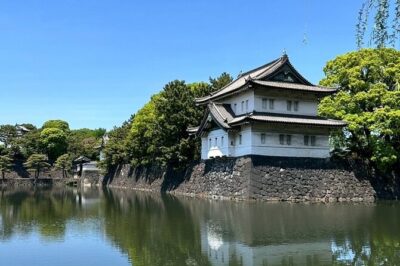
Imperial Palace and Shogun Historical Walking Tour
Read our review →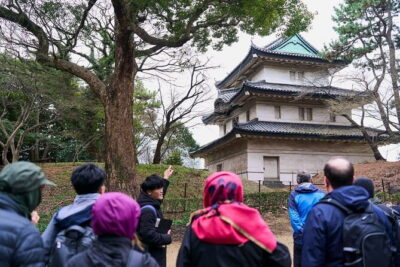
Tokyo Castle & Imperial PalaceーShogun Walking Tour
Read our review →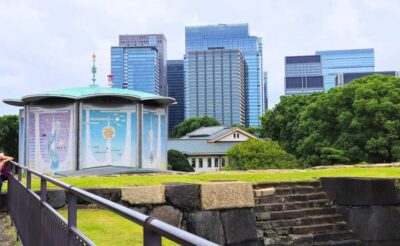

Tokyo Castle & Imperial PalaceーShogun Walking Tour
Read our review →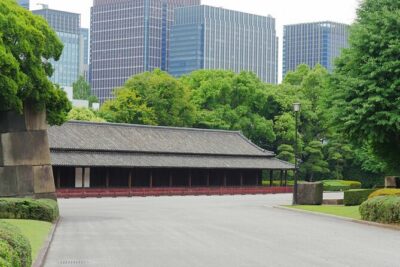
Imperial Palace East Garden and Edo Castle Walking Tour in Tokyo
Read our review →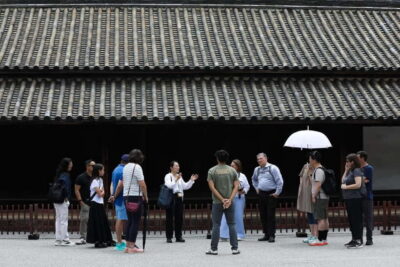
Imperial Palace, Sensō-ji Temple, & Tokyo Tower Tour
Read our review →Browse the lists this tour appears in