
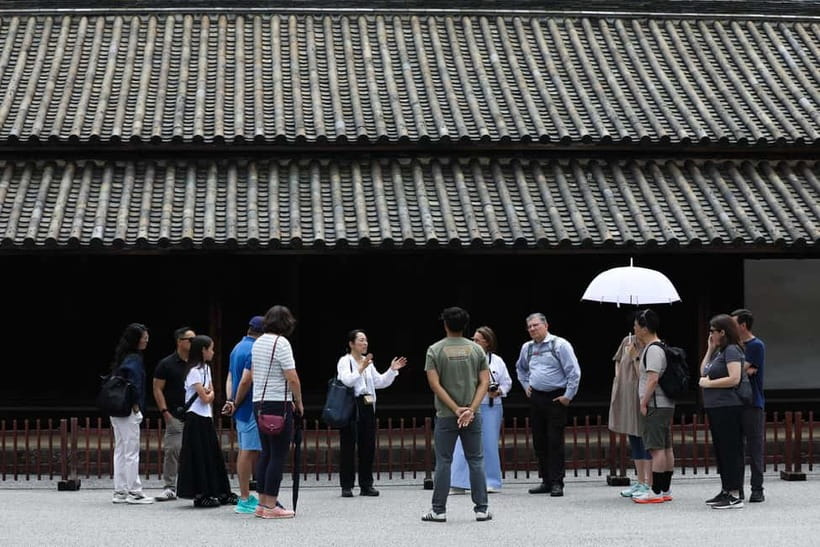
REVIEW · TOKYO PALACE TOURS
Tokyo: Imperial Palace East Gardens Walking Tour
The most rewarding part of this walk is seeing how Edo Castle’s military past survives inside a calm city garden. You move from stone foundations and defensive gates to ponds, bridges, clipped trees, and Ninomaru Garden, while the guide explains how the shoguns once ruled from this ground.
I like the tour’s small price of $19 and its clear focus. You get 150 minutes with an English-speaking guide, not a rushed photo stop. I also like the visual help some guides bring. Mei, for example, has used printed maps and old images to explain parts of the castle that no longer remain. The main consideration is simple: this tour does not enter the Imperial Palace itself, and the East Gardens are more about ruins, gardens, and explanation than grand surviving castle buildings.
Key points to know before you book

- Edo Castle survives in foundations and defensive works: The Honmaru area helps you picture the castle’s former center, even though much of the original structure is gone.
- Ninomaru Garden gives the walk its quiet beauty: Ponds, bridges, stone lanterns, carefully arranged plants, and bonsai create a strong contrast with central Tokyo.
- Guides are the heart of the experience: Mei, Kei, Wakana, Mieko, Tatsie, Miyu, and others are praised for clear English, humor, patience, and useful answers.
- Season matters: Cherry blossoms in spring and red and gold foliage in fall can make the gardens especially attractive.
- You stay outside the palace buildings: The tour explores the East Gardens, not the Imperial Palace interior or private royal areas.
- The pace suits a history-minded walk: Expect a 2.5-hour outing on foot, with time for questions, photographs, and garden viewing.
Meeting your guide near Wadakura Fountain Park
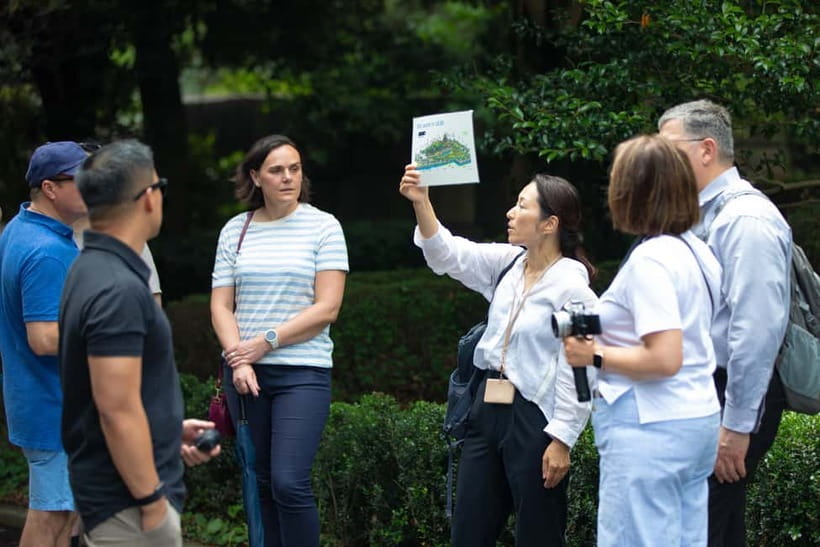
The tour begins near Starbucks Coffee at Kokyo Gaien Wadakura Fountain Park, at approximately 35.6829933, 139.7611971. Your guide waits nearby rather than inside the Starbucks, so allow a little time to identify the meeting point and look for the person holding tour information.
This is a sensible starting area for a walk around the palace grounds. You begin in a public park setting, then move toward the East Gardens and the former Edo Castle site. The route returns to the same general meeting area after about 150 minutes, which makes it easy to continue to another part of central Tokyo afterward.
The guide makes a real difference here. A garden without context can blur into a pleasant walk among trees and stones. With a good explanation, the same stones become part of a defensive plan, and a quiet open space becomes the former center of a powerful castle town.
The available guide team includes Mei, Kei, Wakana, Mieko, Tatsie, Miyu, Midori, Fuku, Loc, Miracle, and others. The strongest pattern in the feedback is not one particular personality, but the guides’ ability to explain difficult historical subjects in friendly, plain English. Several are praised for humor, patience, and making time for questions.
More walking tours past the palaces in Tokyo:
- Tokyo: Imperial Palace and Shogun Historical Walking Tour
★ 5.0 · 2,251 reviews - Tokyo Castle & Imperial PalaceーShogun Walking Tour
★ 4.7 · 1,068 reviews - Tokyo: Imperial Palace Japanese History Walking Tour
★ 4.9 · 987 reviews
Walking through the former Edo Castle grounds
The East Gardens occupy part of the former Edo Castle grounds. During the Edo period, the Tokugawa shoguns used this castle as their base, making the site important for understanding how Japan was governed before the modern imperial era.
Your guide connects the physical remains to that political story. You hear about shoguns, emperors, samurai-era customs, and the change from old Tokyo to the modern capital surrounding the gardens. The value is in linking separate pieces. A gate is not just a gate. A wall is not just an old wall. Each feature helps show how people controlled movement, protected the castle, and arranged power.
This is also where the contrast between Tokyo’s present and past becomes clear. Outside the grounds, you are in a major city. Inside, the pace slows, and the surviving stonework gives you a way to picture an enormous castle complex that is no longer intact.
Do not expect a complete castle interior or a line of preserved buildings. Much of Edo Castle has disappeared. The experience depends on the guide explaining what once stood in the empty spaces, and several guides use maps or old photographs to make that reconstruction easier to follow.
That point matters when you decide if the tour suits you. If you want a dramatic castle with towers and furnished rooms, this is not that kind of visit. If you enjoy reading a site through foundations, gates, walls, and carefully explained remains, the walk offers much more.
The Honmaru area and the castle’s defensive logic
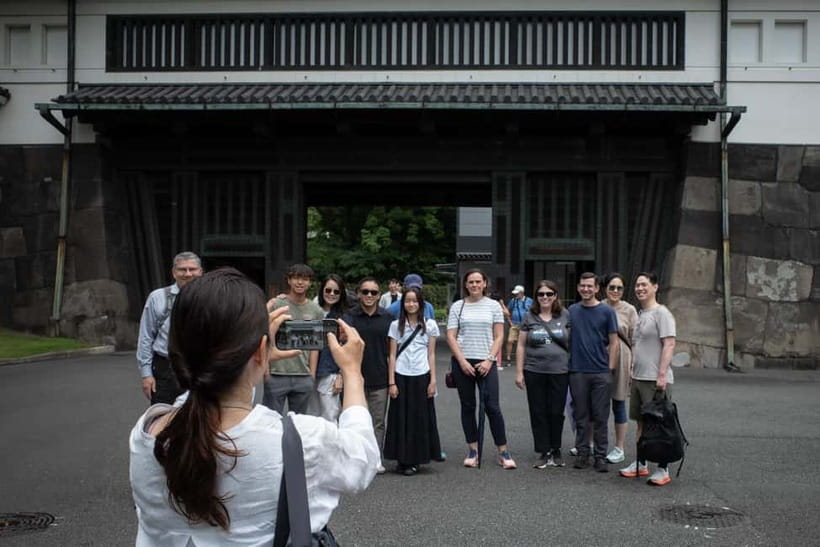
The Honmaru area was once the main compound of Edo Castle. Today, you see remnants such as castle foundations, gates, and defensive structures rather than a fully rebuilt palace complex.
This section gives the tour its clearest military focus. Your guide explains how the castle was arranged and how its defenses worked. Stone walls and changes in ground level help you understand that this was designed for protection as well as ceremony.
I find this part especially useful for visitors who know little about the shogun period. The guide turns an open space into a readable plan. You begin to see where the main compound fitted into the larger castle grounds and why gates, guard houses, and watch towers mattered.
Some of the best guide comments are likely to come from this section. Neil specifically praised the military architecture and the connection between the grounds and Imperial Palace history. Other guides have used printed maps and images to show the castle as it appeared before the surviving remains became garden features.
The ruins are not overdecorated. There are no theatrical reconstructions here. That restraint can be a strength, because the focus stays on the actual remains and the stories attached to them. It can also be a drawback if you prefer visual spectacle over explanation.
Bring your curiosity, not an expectation of constant activity. The tour is built around walking, listening, looking closely, and asking questions.
Ninomaru Garden’s ponds, bridges, and careful design
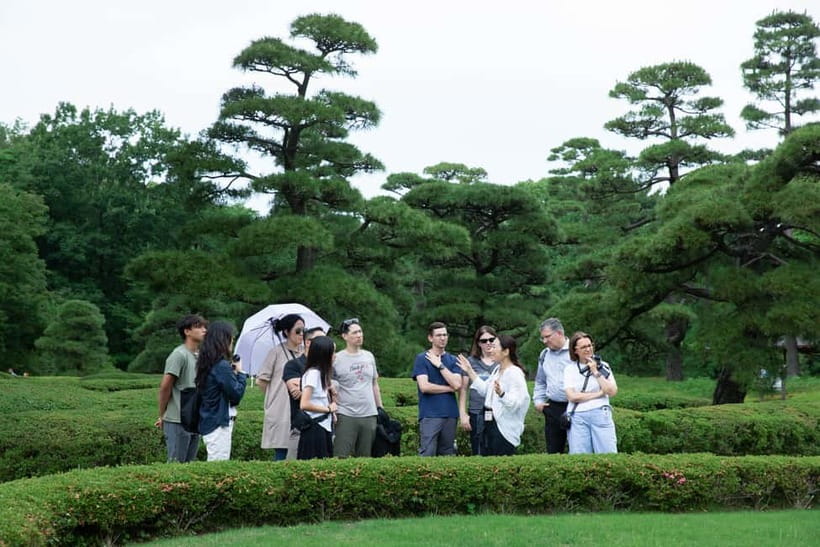
Ninomaru Garden is the gentler half of the experience. Its traditional Japanese design uses arranged trees, shrubs, stone lanterns, ponds, bridges, and clipped greenery to create a place for quiet observation.
Here, the guide shifts from military planning to garden design and cultural meaning. You are encouraged to notice how plants, water, stones, and paths work together. The appeal is not one enormous sight. It is the balance of many small details.
The garden is also where the tour feels most restful. After hearing about walls and defensive positions, you enter a setting made for beauty and reflection. The change helps you understand that the former castle grounds were not only a military center. They also included carefully planned spaces for ceremony, status, and private enjoyment.
Several guides receive praise for giving the group time to appreciate the gardens instead of filling every minute with talking. That is the right approach. You want enough explanation to understand what you see, but enough quiet to enjoy the pond, trees, bridges, and stonework on their own terms.
Bonsai trees and carefully pruned plants add another layer. They show the level of care given to traditional garden forms, while the ponds and bridges create the visual rhythm many people associate with Japanese garden design.
If you visit in spring, cherry blossoms may add a soft burst of color. In fall, the foliage can turn the garden into a more dramatic scene of reds, oranges, and golds. Timing is never guaranteed, so you should treat seasonal color as a bonus rather than the sole reason to book.
A few more palace visits around Tokyo worth a look
- Tokyo: Imperial Palace and Shogun Walking Tour
★ 4.9 · 935 reviews - Imperial Palace East Garden and Edo Castle Walking Tour in Tokyo
★ 5.0 · 510 reviews - Tokyo: Imperial Palace, Sensō-ji Temple, & Tokyo Tower Tour
★ 4.5 · 339 reviews - Tokyo Castle, Imperial Palace, Shogun & Garden Walking Tour
★ 5.0 · 211 reviews
What the guides add to the walk
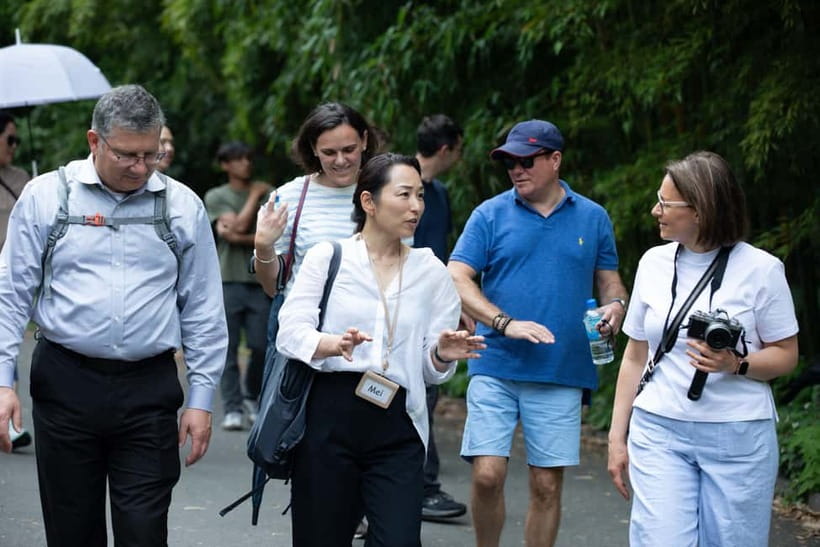
At $19, the guide is the main reason to choose this experience instead of simply walking through the grounds on your own. The garden itself is available for looking, but the political story and castle layout are much harder to grasp without help.
The strongest guide qualities are consistent across the feedback:
- Mei is often praised for mixing history with humor and for answering questions patiently.
- Kei is described as friendly, well prepared, and willing to explain many details.
- Wakana receives credit for clear English, helpful suggestions, and a well-paced walk.
- Tatsie is noted for explaining shoguns, customs, and Japanese culture in an easygoing way.
- Mieko, Miyu, Midori, Fuku, Loc, and Miracle are also praised for warmth, clear explanations, and personal attention.
You should expect the exact style to vary because several guides lead the tour. One may lean toward castle history, another toward gardens and culture, and another toward stories about modern Japan and the imperial family.
That variety can work in your favor. The best guides do not simply recite dates. They answer questions, take photographs when needed, suggest other places to see, and adjust the pace to the group. One guide helped a guest with onward Tokyo plans after the walk, while another used laminated maps to make missing castle buildings easier to picture.
The tour is conducted in English. The feedback suggests the guides are comfortable explaining history and responding to questions, but the depth and humor will naturally depend on your individual guide.
A realistic look at the 150-minute pace
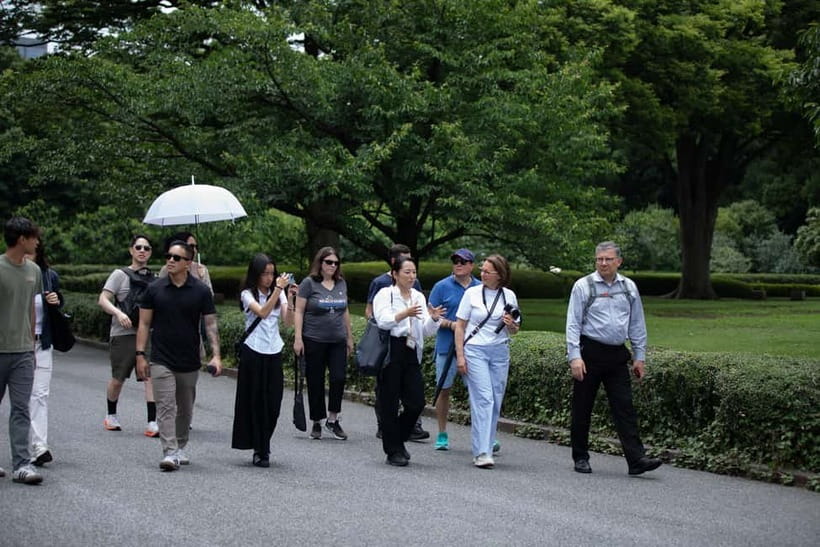
Two and a half hours is long enough to cover the main areas without turning the visit into a quick circuit. You should expect steady walking through gardens and historical grounds, with stops for explanations and photographs.
The tour begins at the fountain park meeting area, continues into the East Gardens, covers the Honmaru remains and Ninomaru Garden, and returns to the starting area. You do not need to change transport during the tour, which keeps the experience simple.
The pace appears designed to be comfortable rather than hurried. Guides have been praised for giving groups time to look around, and one group enjoyed personal time in the Japanese garden toward the end. Still, this is a walking tour, not a seated lecture. Wear shoes suited to a couple of hours on foot.
Weather can affect the feel of the outing. Rain does not automatically ruin it, and one guide was praised for keeping a group happy during wet conditions. Even so, gardens are more pleasant when the paths are dry and the seasonal plants are easy to see. Check the forecast and bring suitable protection.
The tour is listed as wheelchair accessible. If accessibility is important for your group, confirm current route conditions when booking, since gardens and historic grounds can include surfaces and access points that vary.
What the $19 price really buys you
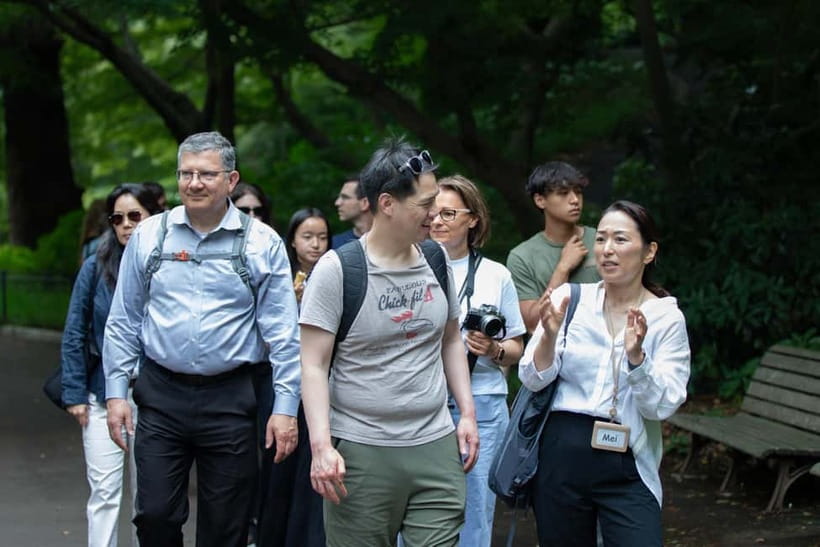
The $19 price is fair if you want context rather than just entry to a garden. You are paying for 150 minutes with a live English-speaking guide who explains the shoguns, Edo Castle, military design, garden traditions, and the relationship between old and new Tokyo.
The price does not include entry to the Imperial Palace, and the tour does not go inside the palace. That distinction is important. You are booking a guided walk through the East Gardens and former castle grounds, not a palace interior visit.
For independent visitors who already know the history and are happy to read signs, the added value may be limited. You can see the stones, ponds, trees, and ruins without a guide. But if Edo Castle is a puzzle to you, the guide supplies the missing picture.
The booking terms are also practical. You can cancel up to 24 hours before the activity for a full refund, and you can reserve now and pay later. Those options help if your Tokyo schedule is still shifting.
Who will enjoy this Tokyo walk most
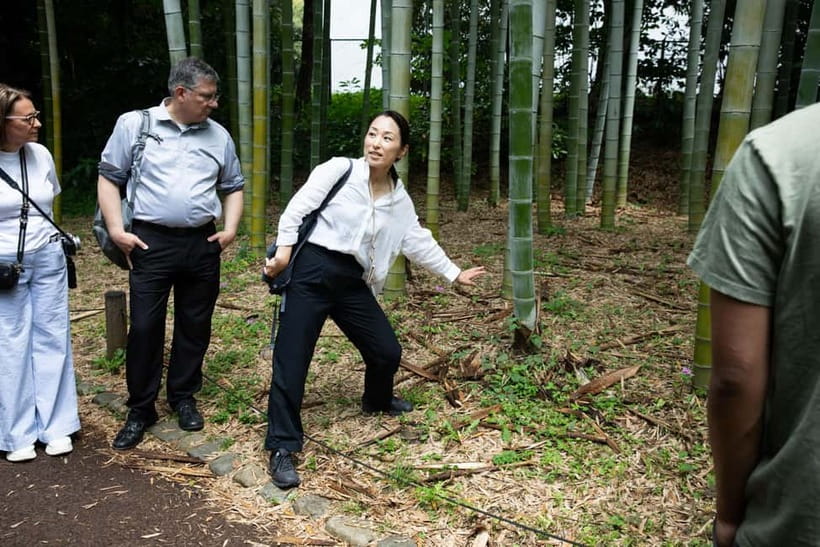
I would recommend the tour to first-time Tokyo visitors who want a calm historical stop between busier city neighborhoods. It is also a good fit for families, since the guides use stories, questions, humor, and visual aids rather than relying only on formal lectures.
History fans will appreciate the Honmaru area, stone walls, gates, guard houses, and watch towers. Garden lovers will prefer Ninomaru Garden, the ponds, traditional planting, bonsai, and seasonal color.
The tour suits you less if you want to enter the Imperial Palace, see furnished castle rooms, or spend the entire time photographing cherry blossoms. It also may not be ideal if you dislike walking for 150 minutes or prefer to explore entirely at your own pace.
For couples and families, the guide can make the visit feel more personal by answering questions and taking photographs. For solo visitors, the group setting gives you an easy way to learn the site without having to plan the historical route yourself.
Should you book the Imperial Palace East Gardens walk?
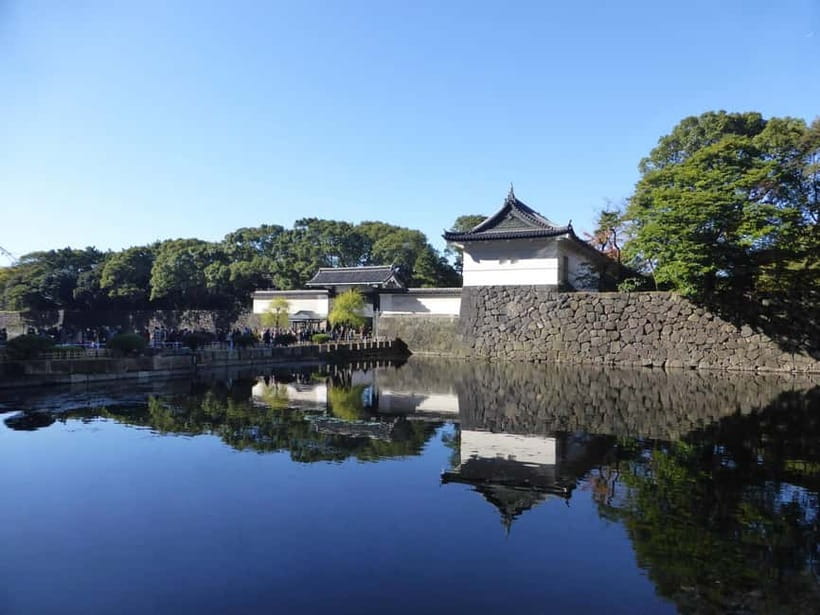
Book it if you want the former Edo Castle grounds to make sense. The ruins alone are modest, but the walls, foundations, gates, and open spaces become far more interesting when a guide explains the castle’s plan and the shoguns who used it.
The best reasons to go are the low price, the friendly English guides, the mix of military remains and garden beauty, and the chance to see Tokyo’s past without leaving the city center. Mei, Kei, Wakana, Tatsie, and the rest of the guide team appear especially strong at making the material clear and enjoyable.
Skip it if your main goal is to enter the Imperial Palace or see a preserved castle building. For everyone else, this is a useful, well-paced introduction to one of Tokyo’s most important historical sites, with enough garden time to keep the lesson from feeling like a textbook.
FAQ
Where does the tour begin?
The meeting point is near Starbucks Coffee at Kokyo Gaien Wadakura Fountain Park. The coordinates provided are 35.68299330000001, 139.7611971.
How long does the tour last?
The walking tour lasts 150 minutes, or 2.5 hours.
Where does the tour finish?
The tour returns to the Starbucks Coffee Kokyo Gaien Wadakura Fountain Park area.
Is the Imperial Palace interior included?
No. The tour does not go inside the Imperial Palace. It explores the East Gardens and the former Edo Castle grounds.
Is entry to the Imperial Palace included in the price?
No. Entry to the Imperial Palace is not included.
What language is the tour conducted in?
The tour has a live English-speaking guide.
Is the tour wheelchair accessible?
Yes, the activity is listed as wheelchair accessible.
What can I see in the East Gardens?
You can see the Honmaru area, castle foundations, gates, defensive structures, stone walls, guard houses, watch towers, Ninomaru Garden, ponds, bridges, pruned trees, bonsai, and seasonal plants.
Can I cancel the booking?
Yes. You can cancel up to 24 hours in advance for a full refund. You can also reserve now and pay later.
Just added around Tokyo
- Tokyo walking tour around Imperial Palace and Tokyo Station★ 5.0 · 3 reviews
- Tokyo: Imperial Palace, the history of Japan (ENGLISH GUIDE)★ 5.0 · 77 reviews
- Tokyo: Pvt. Tour – Edo Castle & Imperial Palace East Gardens★ 4.8 · 63 reviews
- Tokyo: Imperial Palace East Gardens and Tokyo Station Tour★ 5.0 · 16 reviews
- Tokyo: Imperial Palace with Nostalgic Alley Kagurazaka tour★ 4.3 · 8 reviews
- Tokyo: Edo Castle and Imperial Palace Guided Walking Tour★ 5.0 · 6 reviews
- Tokyo: Edo Castle Ruins & Imperial Palace East Garden Tour★ 4.4 · 13 reviews
- Imperial Palace Tour: Discover Samurai History with a Guide★ 5.0 · 12 reviews
Tokyo Palace Tours, compared.
Imperial Palace and Shogun Historical Walking Tour
Read our review →
Tokyo Castle & Imperial PalaceーShogun Walking Tour
Read our review →

Tokyo Castle & Imperial PalaceーShogun Walking Tour
Read our review →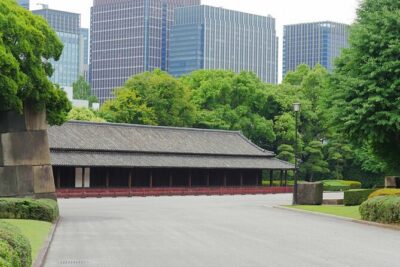
Imperial Palace East Garden and Edo Castle Walking Tour in Tokyo
Read our review →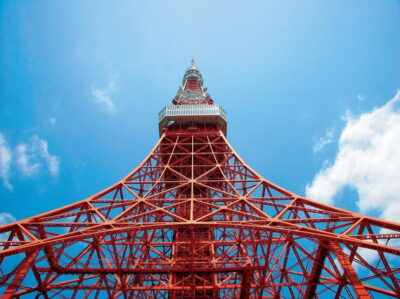
Imperial Palace, Sensō-ji Temple, & Tokyo Tower Tour
Read our review →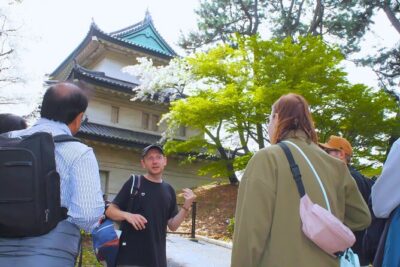
Tokyo Castle, Imperial Palace, Shogun & Garden Walking Tour
Read our review →Browse the lists this tour appears in